Latest news and stories about renewable energy in Portugal for expats and residents.
This page has only 1 story and is not indexed by search engines.
Home News Eco Wave Power being carried out in Portugal Eco Wave Power being carried out in Portugal Eco Wave Power Global AB (NASDAQ: WAVE) has taken a significant step forward in delivering its 1 MW wave energy project in Porto, Portugal, after completing a comprehensive wave and structural load

Home News Portugal with high consumption of renewable energy Portugal with high consumption of renewable energy According to idealista, Portugal is the 7th-largest country in the European Union (EU) in terms of renewable energy consumption, with 36. 3% of its energy coming from these sources.

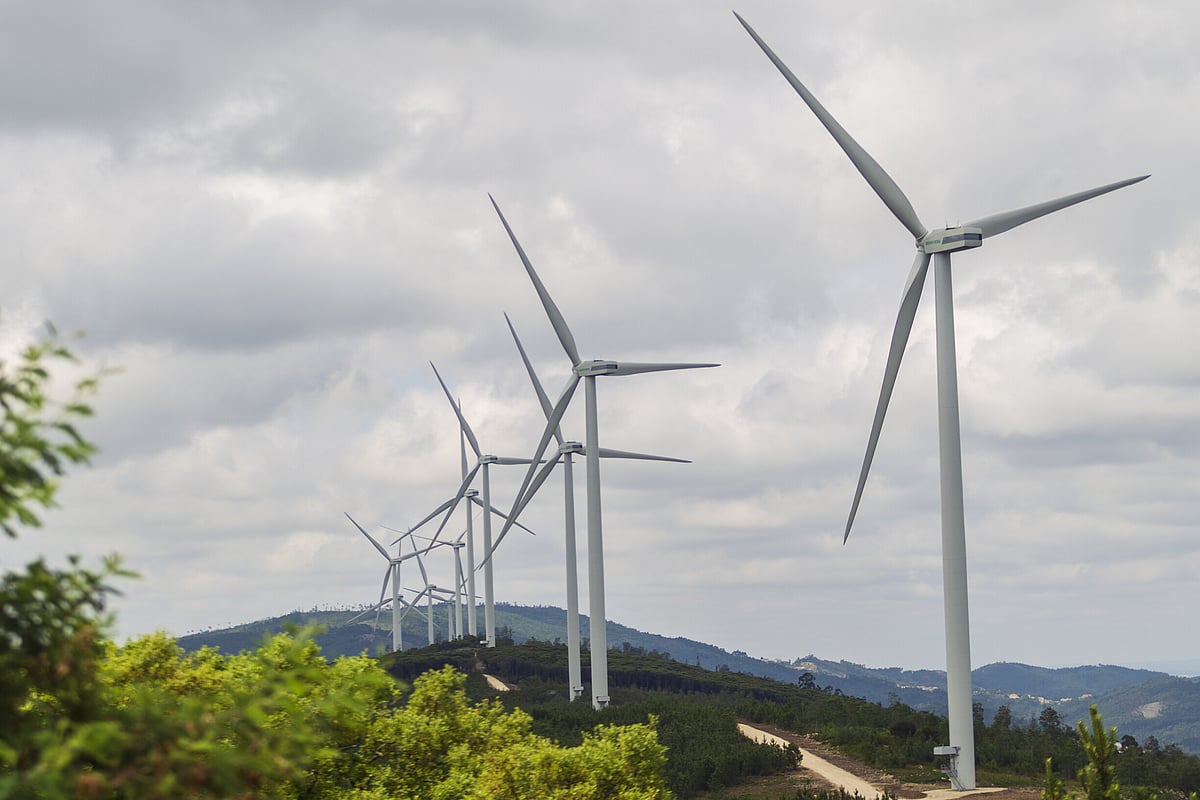
According to the Spanish energy company, the new wind farms, with a combined capacity of 274 megawatts, will be capable of supplying “clean energy to more than 400,000 people”.


Portugal is closing the gap with frontrunner countries in the production and adoption of green fuels, driven by advances in technology, investment and supportive policies.
The European Investment Bank (Banco Europeu de Investimento or BEI) has approved a €175 million financing package to Iberdrola for two hybrid wind farms in the Tâmega area in northern Portugal, to be integrated with the Tâmega pumped‑storage hydro complex. Reports say the combined installations will add capacity linked to the Gouvães, Daivões and Alto Tâmega systems and help supply tens or hundreds of thousands of consumers; coverage highlights the project's role in Portugal's renewables and storage strategy. Local economic and environmental impacts will follow during construction; residents and jobseekers in the north should watch for procurement and local consultation notices.

The Sophia photovoltaic solar plant project will be revised based on the opinion of the Evaluation Commission, the public consultation report and a process of active listening in the territory, the project promoter said today. “For this purpose, Lightsource bp has established channels of dialogue that are already operational with the ...

An energy system based on renewable sources would allow the European Union to save €1.637 trillion by 2050, the equivalent of 9% of European GDP or the total annual health expenditure of the EU bloc.
APREN, Portugal’s renewable energy association, reveals that the Iberian Blackout last April prompted a year ‘marked by a decline in renewable energy incorporation, and an increase in natural gas production‘. The post Iberian blackout prompts slowdown in renewable energy installations appeared first on Portugal Resident.

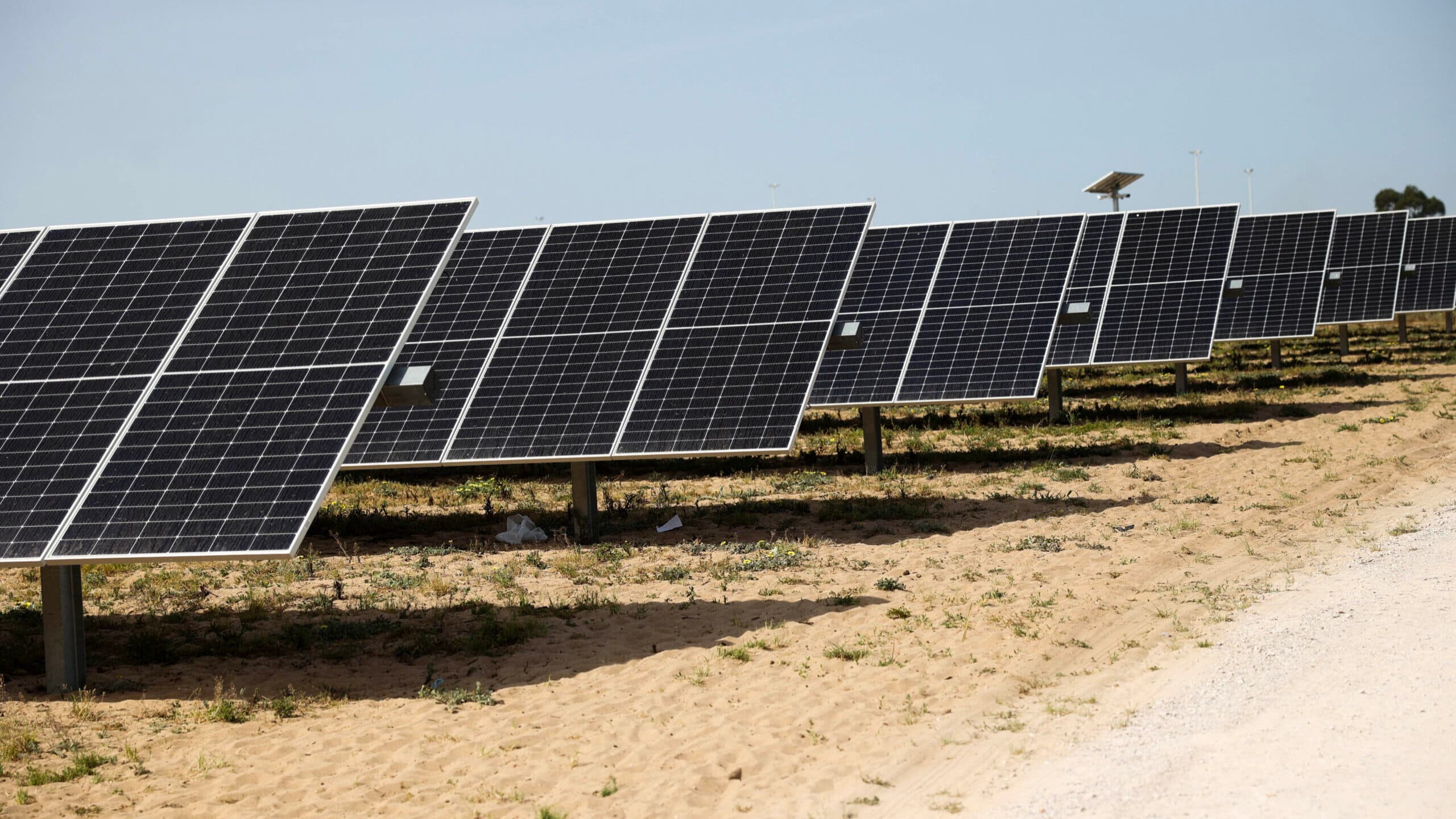
The Sophia solar photovoltaic plant covers the municipalities of Fundão, Idanha-a-Nova and Penamacor, in the district of Castelo Branco, and represents an investment of around €590 million.

Tiago Lourenço, 46, Julien Huys, 40, and Laurence Manchee, 43, all chose Beira Baixa for their life projects — plans that may be jeopardised by the Sophia solar photovoltaic plant.
APA, Portugal’s Environment Agency has once again rejected the Beira photovoltaic power plant in Castelo Branco – much to the delight of communities that have rallied against it (and have The post “Beira Baixa not for sale!” Communities rejoice in new photovoltaic veto appeared first on Portugal Resident.

Portugal secured €15 million in funding to create incentives for exploiting its geothermal potential, following approval of the Directorate-General for Energy and Geology's (DGEG) application to the European Union Modernisation Fund. "The DGEG announces the approval of its application to the European Union Modernisation Fund, which guarantees ...

The support for photovoltaics, aimed at cooperatives, organizations, and associations of agricultural producers and irrigators, includes production, storage, and renewable energy communities.

Renewable sources accounted for 74.3% of the electricity produced in mainland Portugal in November, corresponding to 3,081 gigawatt-hours (GWh) of the total 4,147 GWh produced, reported the Portuguese Renewable Energy Association (Apren) on Friday. Wind energy led renewable production in November with 34%, followed by hydropower at 26.1%, and solar energy...

Portugal stands out as a European example in the energy transition. In 2024, renewable sources provided 71% of national electricity, and in some months of 2025, they exceeded 80%. This is a remarkable achievement, but not a final destination. The electrification of the economy, transport, and industry will continue to increase electricity demand.

The Innovative Transactive Renewable Energy Communities project aims to create free, web-based digital tools to support communities that come together to produce 100% renewable energy.

The role of renewables in the decarbonisation of energy production is undeniable – they are necessary. In each case, the pros and cons of various solutions must be carefully weighed.


EU Debates | eudebates.tv •