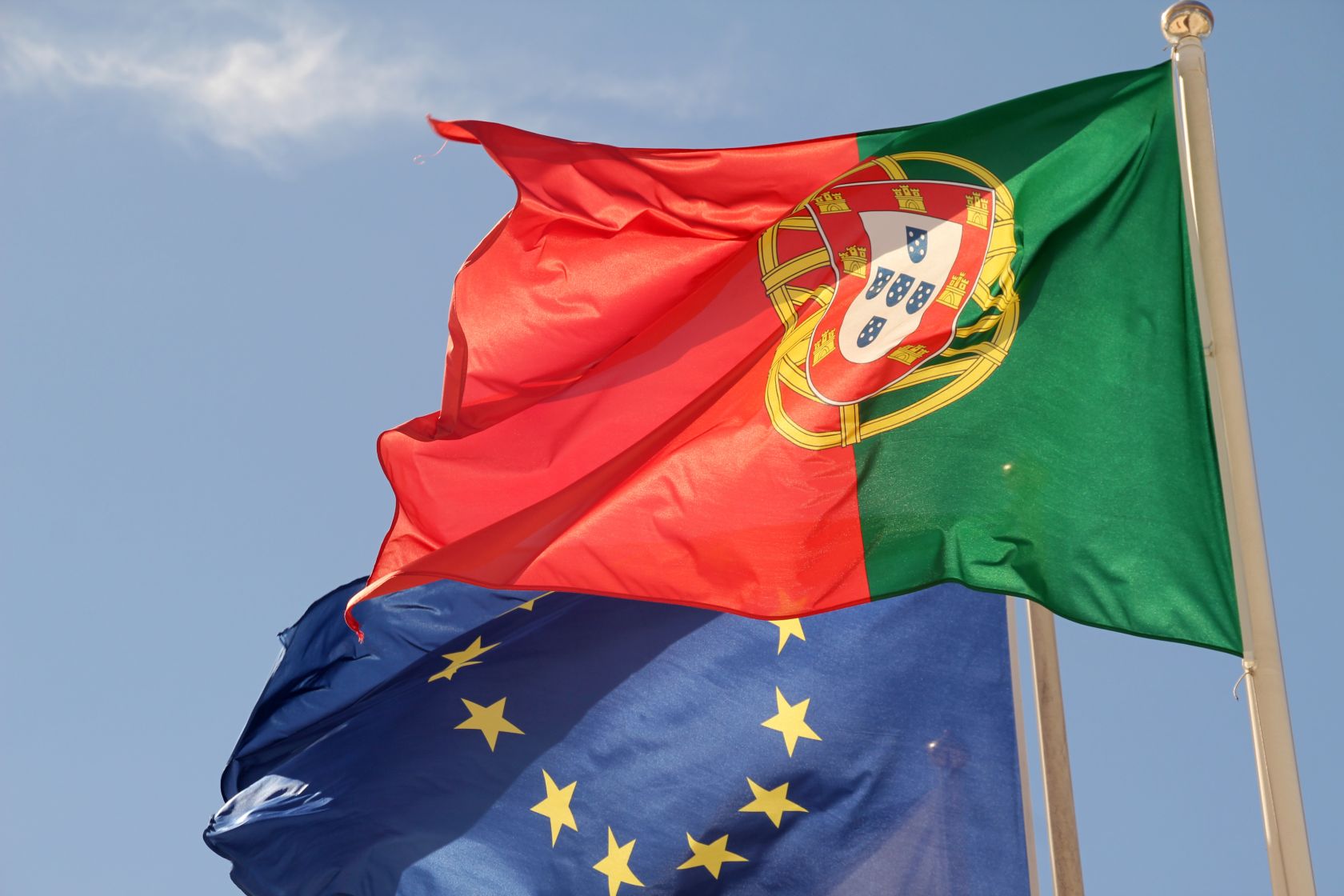
How renewables are helping EU avoid the ‘price of other people's wars’
An analytical look at how the European Union is leveraging renewable energy sources to mitigate the economic impact of geopolitical conflicts and stabilize energy costs.

Latest news and stories about renewable energy in europe in Portugal for expats and residents.
An analytical look at how the European Union is leveraging renewable energy sources to mitigate the economic impact of geopolitical conflicts and stabilize energy costs.
Minister of Environment and Energy Maria da Graça Carvalho has ruled out nuclear energy for Portugal, asserting that the nation's high potential for solar, wind, and hydroelectric power makes renewables the only logical path for energy independence and competitiveness.

Eurostat data confirms: coal fell to 9.2% of EU electricity in 2025, having already been surpassed by solar energy in 2024. Portugal was a pioneer in abandoning this fossil fuel.

Portugal ranks among the top European nations for renewable energy generation, reaching a 75% share of electricity production in the first seven months of the year.
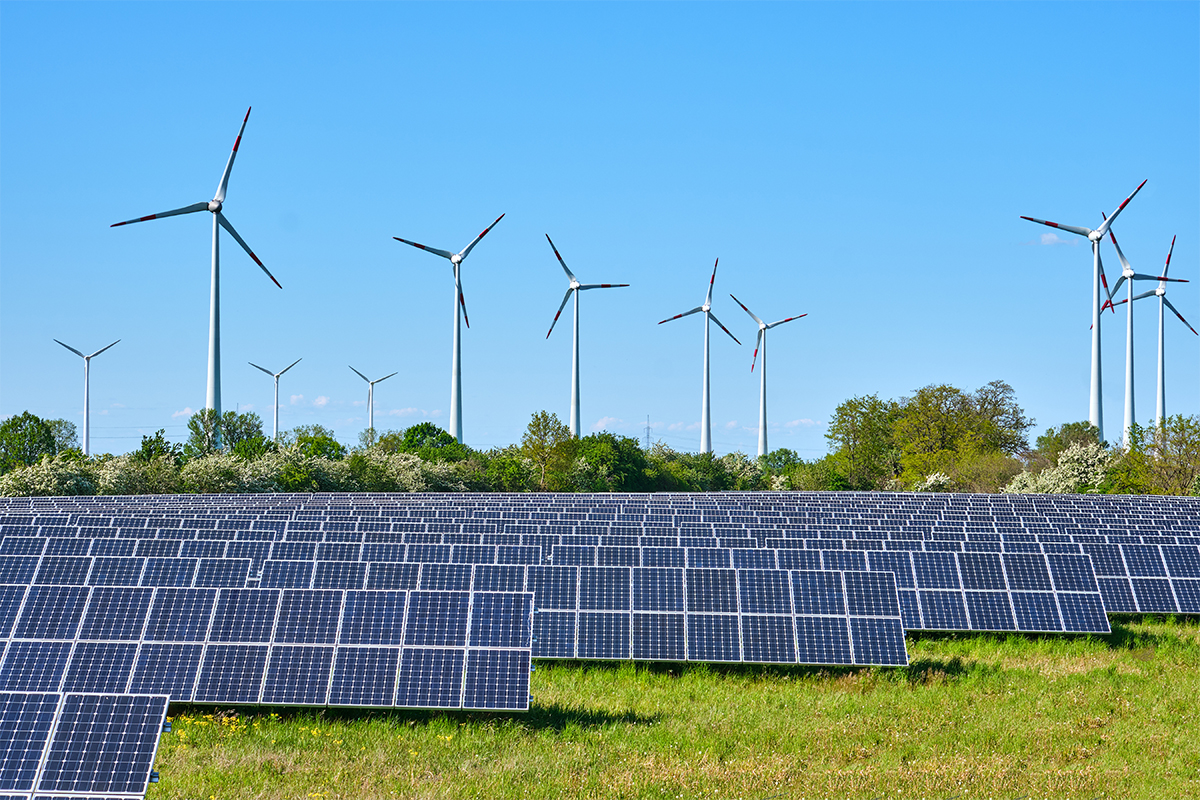
Portugal is the European country with the fourth largest share of renewable electricity in final consumption, according to data released this morning by the European statistics office, Eurostat. The five European Union countries with the highest percentage of renewable electricity consumed are Austria, where 90.8% of the electricity consumed in terms of...
The share of energy from renewable sources in gross final consumption in the European Union (EU) rose to 26.2% in 2025, up from 25.2% the previous year, but remains far from the 42.5% target for 2030, Eurostat reported this Thursday. According to data from the European statistical office, Portugal appears with a 36.7% share of gross final energy consumption from renewable sources—slightly above the 36.3% in 2024—ranking eighth in a table led by Sweden (65.4%), Finland (53%), and Denmark (48.2%). The lowest shares of renewables were recorded in Belgium (14.9%), Slovakia (16.3%), and Ireland (17.2%). Regarding electricity consumption specifically produced from renewable sources, Portugal ranks fourth with 65.6%, behind Austria (90.8%), Sweden (89.2%), and Denmark (77.7%), while Malta (11.2%), the Czech Republic (19.2%), and Luxembourg (23.3%) occupy the bottom of the EU table. Energy consumed for cooling has doubled in six years in the EU. Portugal leads in renewables.
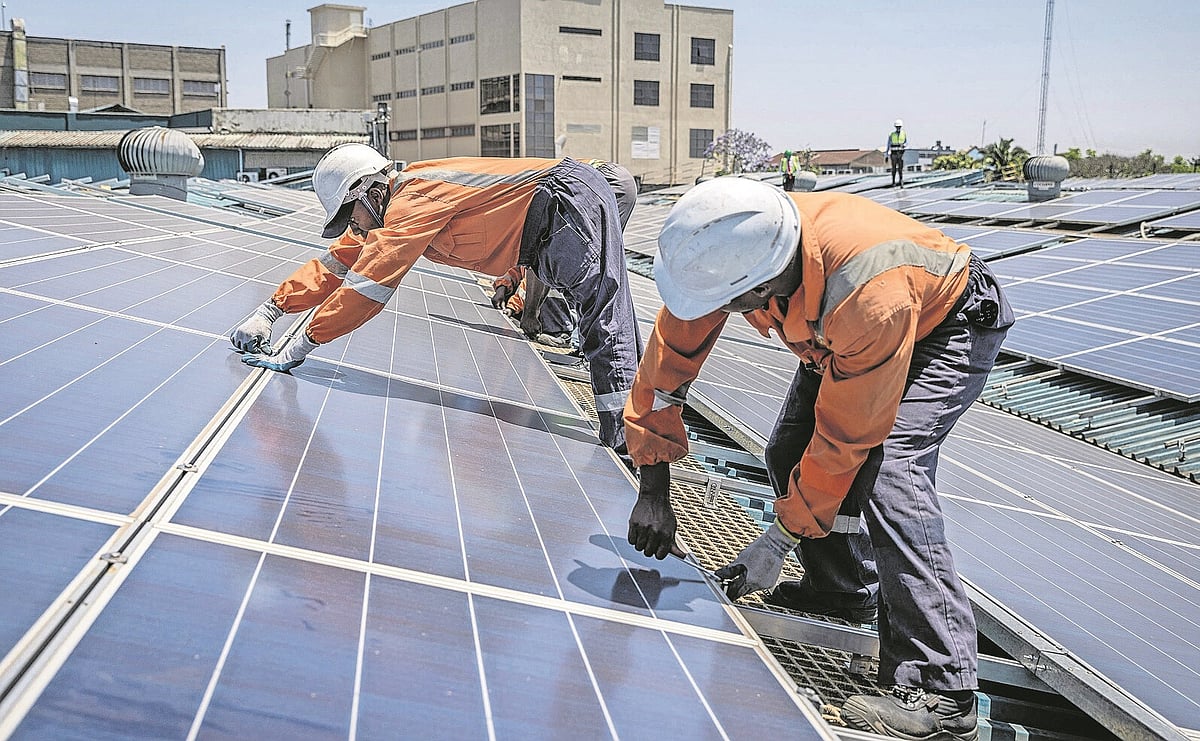
The European Union (EU) wants to mobilise up to 25 billion euros in investments planned by 2035 in renewable energy and clean technologies under the Mediterranean Pact, it was announced today.

The new rules aim to accelerate the adoption of clean energy across all sectors of the economy, with a particular focus on industry, transport, and buildings.

The European Commission has initiated legal action against Portugal regarding the implementation of renewable energy directives.

The European Commission has criticised Portugal for shortcomings in its efforts to promote and implement renewable energy sources.
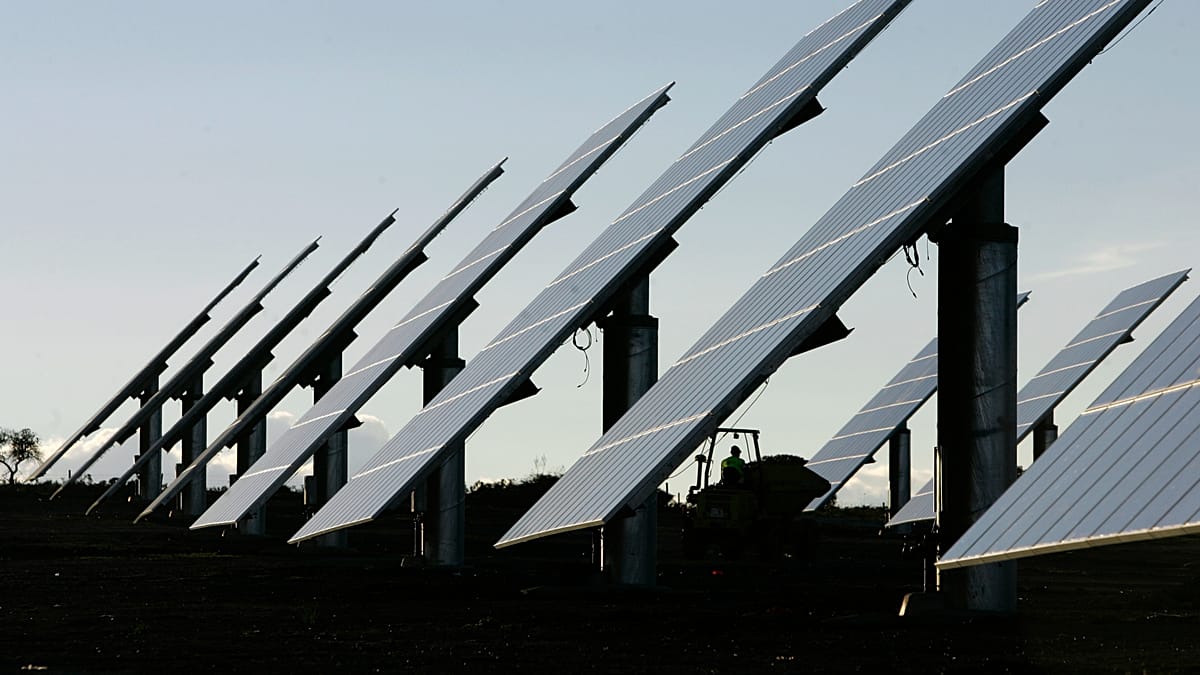
The European Commission has criticised Portugal for shortcomings in its renewable energy policies and is seeking financial penalties.
The European Commission has initiated legal action against Portugal at the EU Court of Justice due to the country's failure to fully implement European directives regarding renewable energy sources.
The European Commission referred Portugal to the Court of Justice of the European Union (EU) this Wednesday due to failures in transposing rules for the promotion of renewable energy. According to information from the European Commission, Portugal (as well as Greece and Malta) has not transposed Directive 2023/2413, regarding the acceleration of the energy transition, into national legislation.
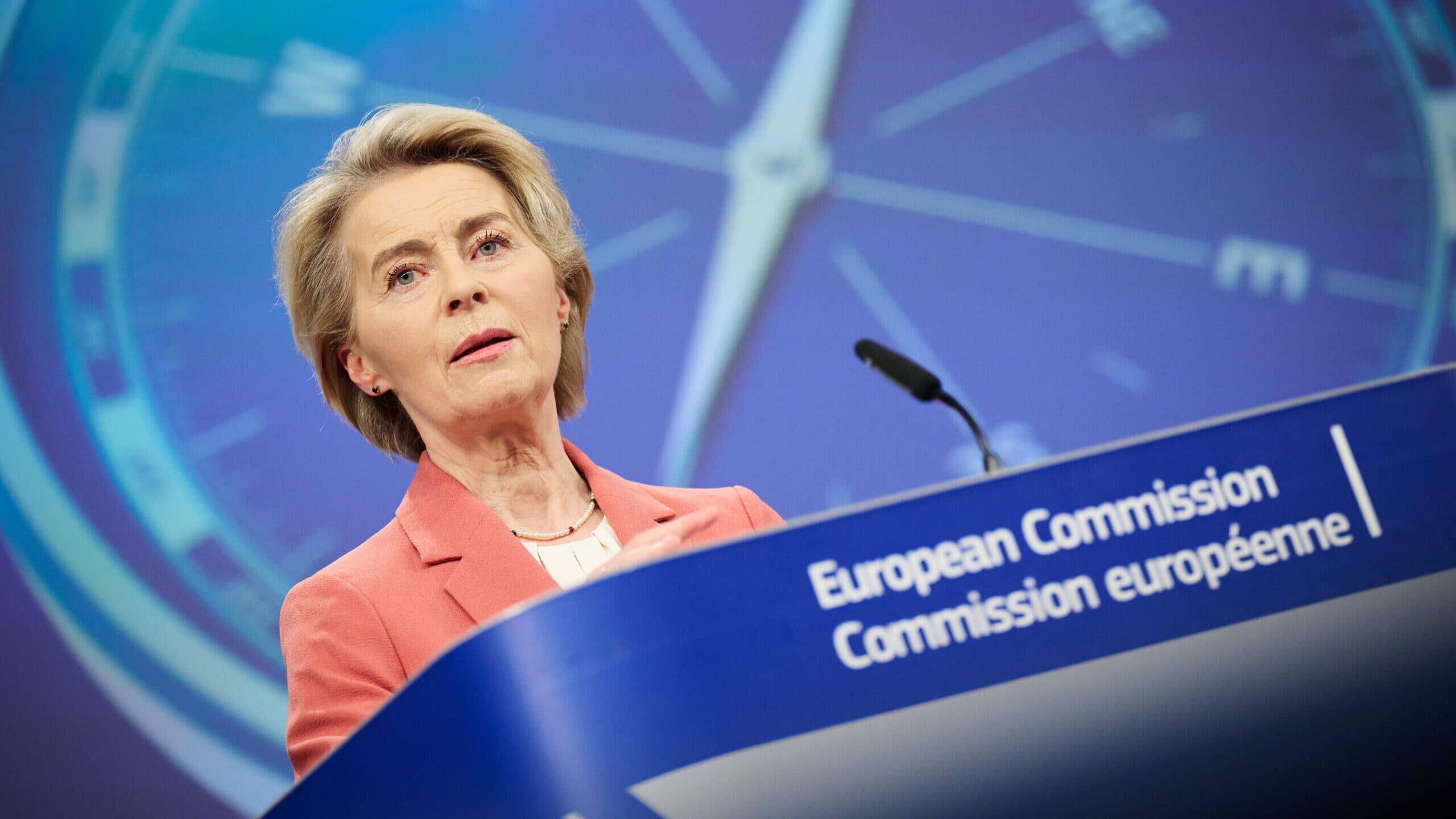
The European Commission has referred Portugal to the Court of Justice of the European Union due to shortcomings in the implementation of directives regarding the promotion of energy from renewable sources.
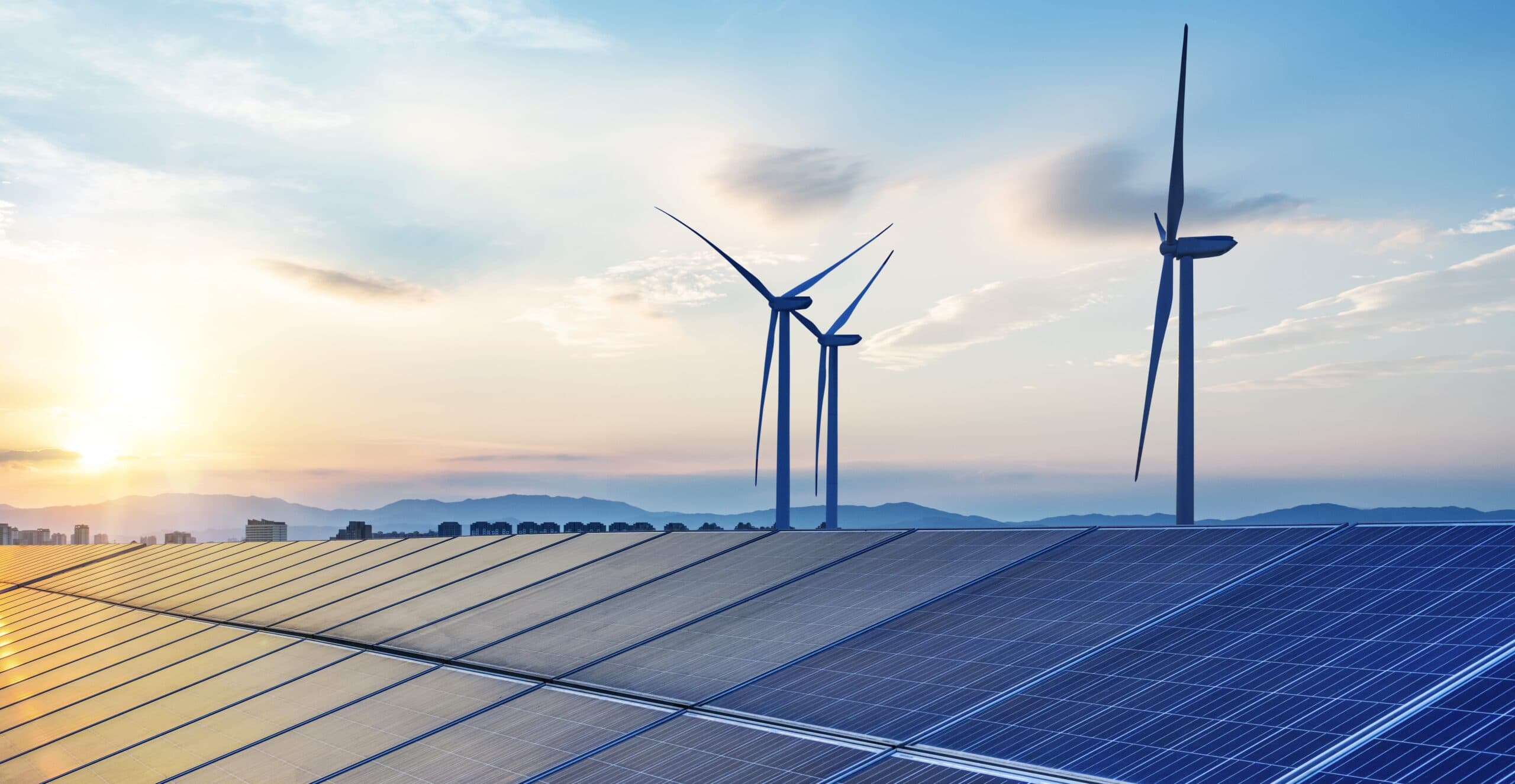
Filipe Araújo, an electronic engineer and energy expert, believes that Europe has been 'slow' in the transition to renewable energy sources and warns of a problem that could recur in the future if the process is not accelerated.

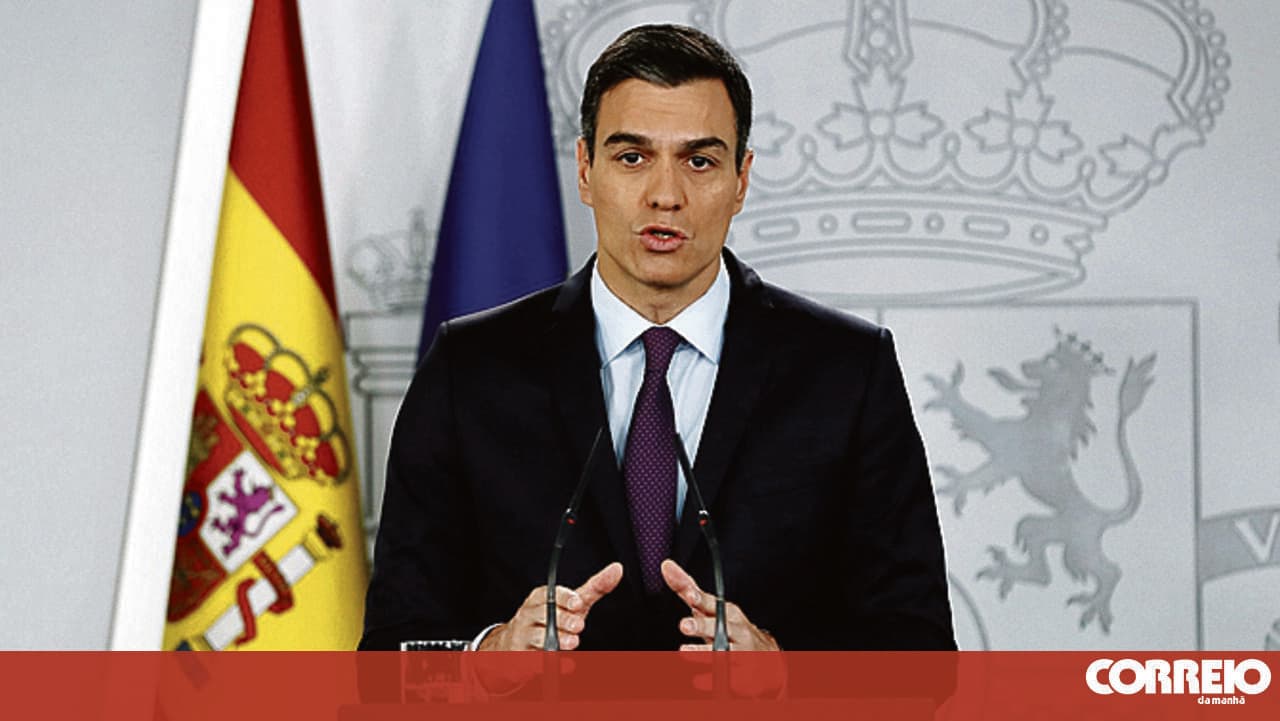
The proposal was made on Thursday at the start of the European Council taking place in Cyprus, Sánchez himself said on Friday in statements to journalists upon his arrival for the second day of the meeting.
This is the response to the war launched by Donald Trump on wind energy. Part of Europe went to Hamburg to reaffirm its commitment to offshore wind farms in the North Sea. It is estimated that by 2050, they will have an installed capacity of 300 GW, a decentralised grid, and an electrical system based on resilience. Experts interviewed by CNN Portugal explain what is at stake.
Two European Climate Pact ambassadors are taking a proposal to Brussels this month to create a national programme that supports local authorities and citizens in establishing renewable energy communities.

The proposal from the two ambassadors will be presented in Brussels at the 'Together in Action 2026' conference, the annual event of the European Climate Pact taking place between the 24th and 25th.
The article from Carbon Brief discusses recent developments impacting Portugal within the broader context of global energy and climate policies. It highlights Portugal's efforts to transition to renewable energy sources, particularly wind and solar power, as part of its commitment to reducing carbon emissions. The piece also touches on Portugal's challenges with energy security and the need to diversify its energy mix amid geopolitical tensions and fluctuating fossil fuel supplies. Additionally, Portugal's policies are aligned with European Union climate goals, including stricter carbon rules and increased adoption of clean technologies. Overall, Portugal is actively advancing its renewable energy infrastructure and climate commitments, contributing to the EU's broader climate objectives.

An energy system based on renewable sources would allow the European Union to save €1.637 trillion by 2050, the equivalent of 9% of European GDP or the total annual health expenditure of the EU bloc.