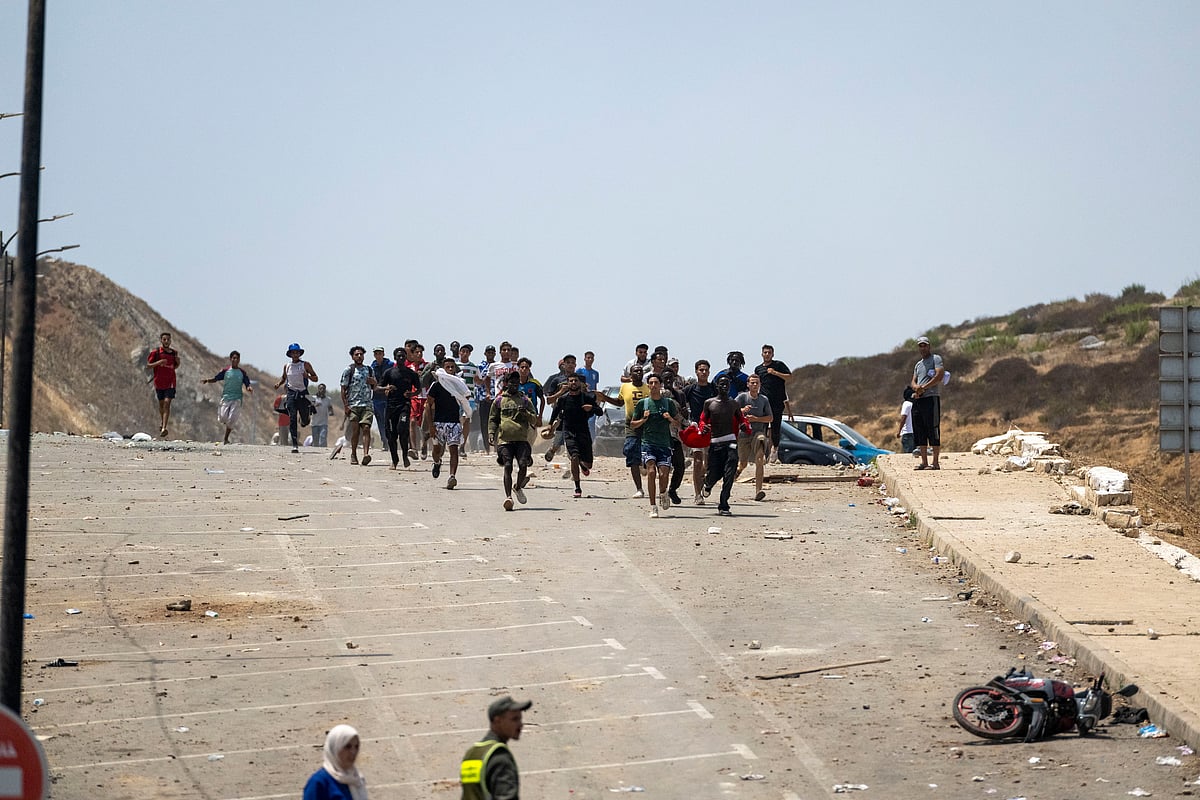
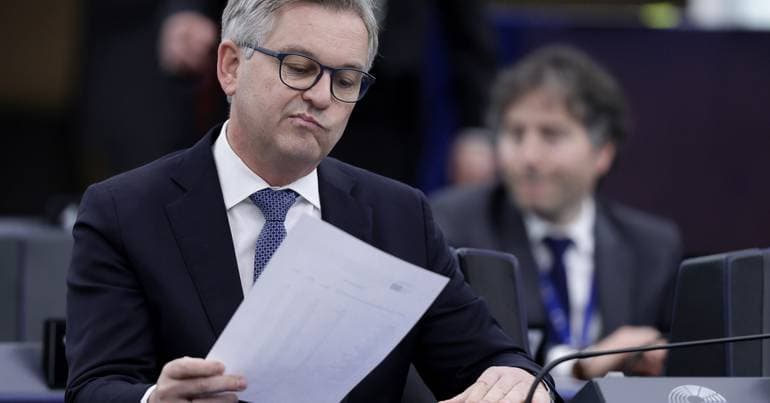
The European Union has established a new cooperation channel with Meta and TikTok to detect and reduce the spread of disinformation regarding the migration crisis in Ceuta. This follows a surge of thousands of migrants arriving in the Spanish enclave in late July, which officials and experts, including former European Commissioner Thierry Breton, have characterized as an algorithmic hybrid attack.
Portugal ranks among the highest in Europe for gas prices when adjusted for purchasing power, placed fourth in the comparison cited, and Lisbon's natural gas price is 13.8 cents per kWh. That rate is higher than in cities such as Rome and Paris, so households in Portugal can expect relatively larger energy bills for the same consumption compared with many other EU cities.
An analysis of how coordinated disinformation campaigns, exploiting legal interpretations and social media, contributed to a tragic migration incident at the border between Morocco and Ceuta. The article explores the blurred lines between migration as a humanitarian issue and its instrumentalisation as a geopolitical tool, highlighting the failures in monitoring and the urgent need to combat predatory narratives in the digital age.
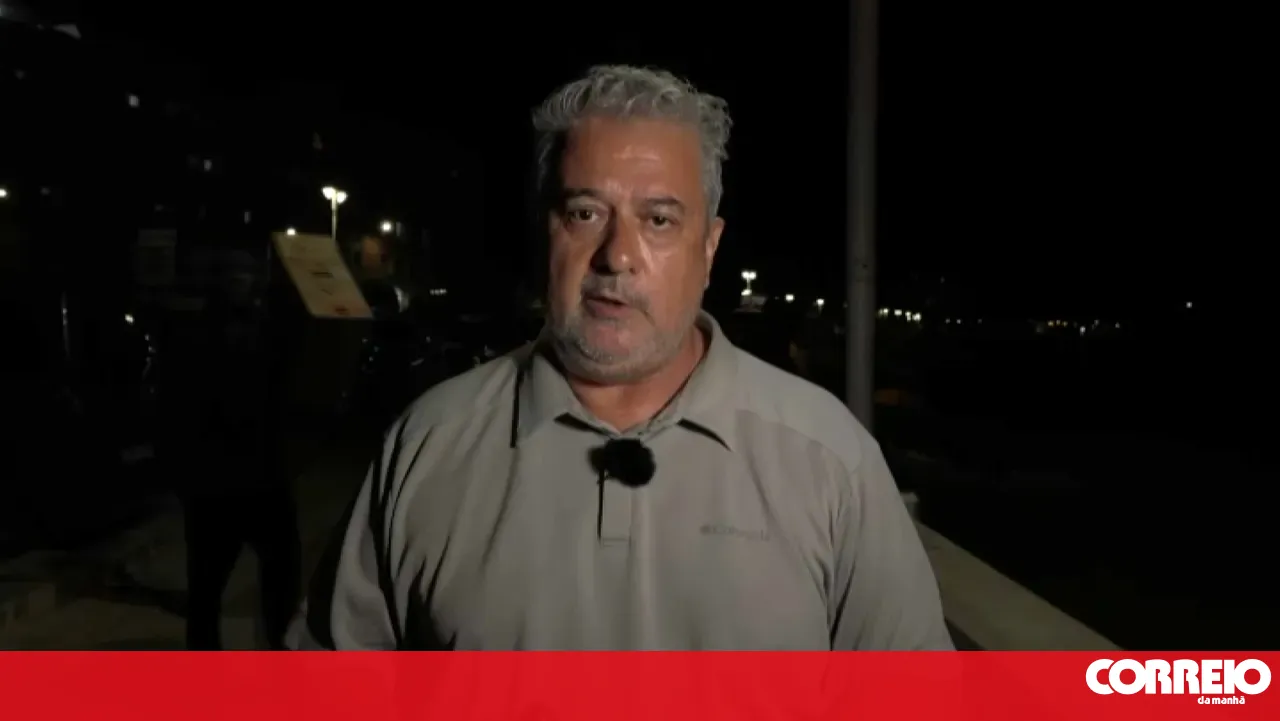
CM special envoy, Alfredo Leite, explained that Morocco adopted measures to control a new massive entry of migrants last Saturday. The Deputy Director of CM describes the situation in Ceuta as “a true war scenario”.
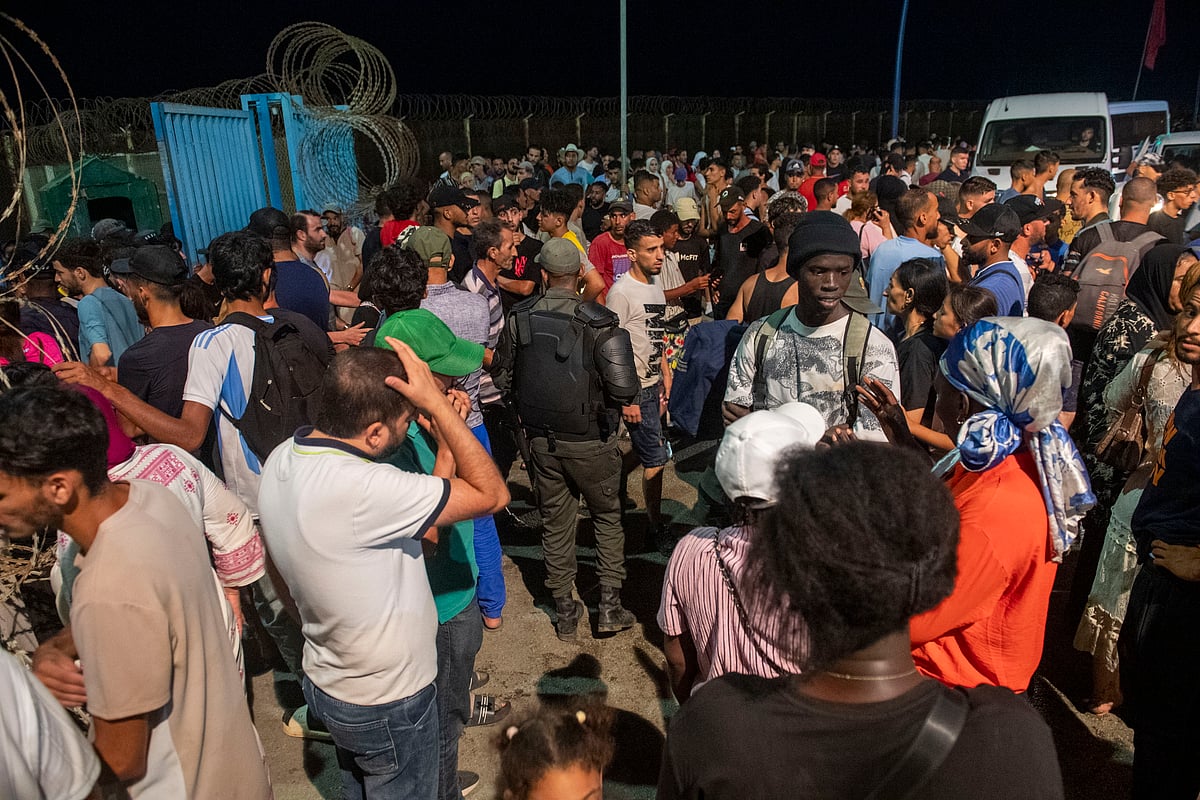
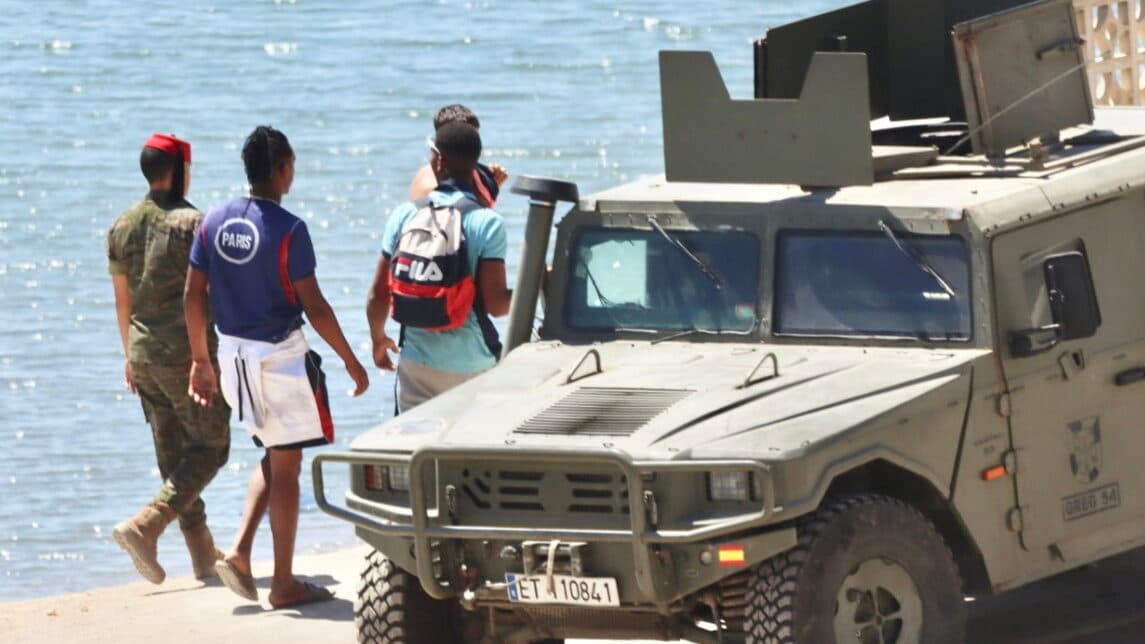
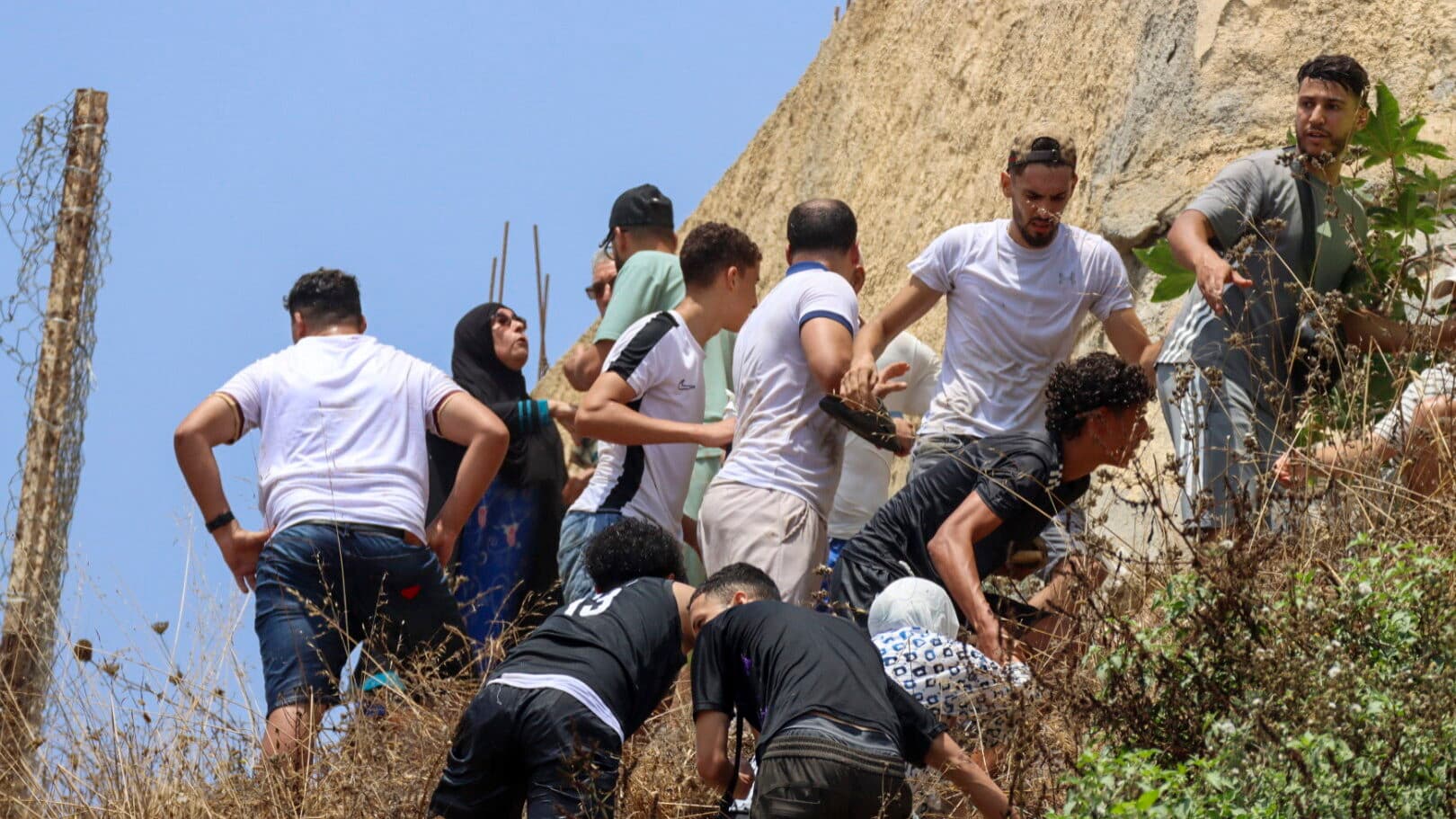
1) What triggered the crisis? Between 30 July and 1 August, approximately 50,000 to 60,000 people attempted to enter Ceuta, mostly by swimming or bypassing border barriers with Morocco. The crossing resulted in about 90 deaths, according to the latest data from Spanish authorities. 2) Why now? Analysts from the ECFR, the Elcano Royal Institute, and various commentators agree that the surge was only possible because Morocco temporarily reduced border surveillance in Castillejos/Fnideq, as such large-scale flows do not occur without operational changes by Moroccan security forces. This is interpreted as a political signal to Madrid and Brussels, alongside structural migration pressure in North Africa and deteriorating socio-economic conditions in Moroccan coastal regions. 3) What is the humanitarian scale? Between 3,000 and 5,000 people remain in Ceuta, many on guarded beaches and in overwhelmed reception centres. There are at least 862 unaccompanied minors who cannot be deported. 4) How did Spain react? Madrid reinforced police and military presence, installed a floating maritime barrier, and quickly returned most migrants to Morocco, claiming to have 'stabilised' the situation. 5) How did the EU react? The EU called an emergency meeting of Interior Ministers. 22 countries requested a reinforcement of Frontex and a review of cooperation with Morocco; Spain, France, Luxembourg, Portugal, and Ireland did not sign the letter. 6) Why did the crisis divide the EU? The mass arrival reignited tensions over external border management, shared responsibility among member states, and externalisation models. Experts note that Spain was politically isolated at the meeting. 7) Which countries adopted tougher positions? Italy suspended Schengen with Spain for a month and advocated for temporarily excluding Madrid from the free-movement area. France reinforced border controls, and Sweden criticised the Spanish management. 8) What is Morocco's role? Morocco is central, as it controls the border and has the capacity to stop or allow flows. The EU is discussing reviewing cooperation with Rabat, including surveillance and return agreements. 9) How is the crisis being politically instrumentalised? Right-wing and far-right parties in Europe and the US are using Ceuta to reinforce anti-immigration rhetoric. In Spain, the PP and Vox are attacking Pedro Sánchez, while leaders like Trump, Meloni, and Farage are amplifying the narrative of 'chaos' and 'threat'. 10) What might happen next? Experts anticipate three fronts: European hardening of external borders (Frontex, physical barriers), diplomatic pressure on Morocco, and an internal EU debate on models for processing migrants outside European territory.
European Union (EU) Interior Ministers are debating the migration crisis in Ceuta this Tuesday via videoconference, which has sparked divisions and exchanges of accusations between member states. The meeting is scheduled to begin at 10:00 Brussels time (09:00 Lisbon time), and a press conference by the commissioner is expected at the end.
Fabian Figueiredo, a member of the Left Bloc, criticised comments blaming the Spanish government for the migration crisis in Ceuta. The politician began his commentary by questioning a previous statement by Suzana Garcia. 'There are lies on social media and there are lies told on television. And Suzana Garcia's intervention had the ability to bring the two worlds together,' he said.
The Spanish National Court has requested a report to investigate whether the Ceuta migration crisis was the result of the actions of a 'criminal group'.
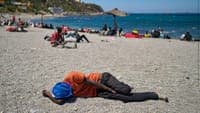
The lack of asylum has forced many to sleep in the forests surrounding the city of Ceuta. Reports of physical confrontations and struggles for food are multiplying. Hunger and thirst are taking hold of those resisting in Ceuta. Many who tried their luck say this makeshift prison is better than returning to Morocco. There are now a hundred deaths recorded in this migration crisis.
EU Interior Ministers are meeting for an emergency session on Tuesday to discuss the situation in Ceuta, a Spanish territory in Morocco, where thousands of migrants have arrived in recent days, it was announced today. The meeting will take place via videoconference, said the Prime Minister of Ireland, which currently holds the EU presidency. The scheduling of...
As the migration crisis in Ceuta continues, EU member states are requesting an extraordinary meeting to coordinate border control, while Spanish Prime Minister Pedro Sánchez criticizes calls from other European leaders to suspend Spain from the Schengen Area. Meanwhile, Morocco has begun transporting thousands of migrants back from Ceuta, and Portugal has reinforced maritime patrols along the Algarve coast as a precautionary measure.
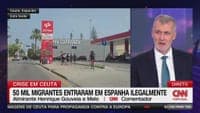
Henrique Gouveia e Melo, a commentator for CNN Portugal, questions whether there was “political exploitation” of the migration crisis that hit Ceuta on Thursday and stresses that “the question that must be asked is: how is there such a significant movement of 60,000 people who, suddenly, act on a given day in a specific way?”
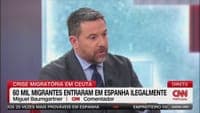
Miguel Baumgartner does not believe the invasion of thousands of Moroccans into Ceuta is a “migration crisis”, but rather a “geopolitical crisis”. This is because “we know that Morocco has a difficult relationship with Madrid”, adds the CNN Portugal commentator, stressing that “it is not the first time that countries hostile to the European Union have used instrumentalised migration”.
Portugal voted against the European proposal for the redistribution of refugees, claiming to be in a 'migration crisis'. The executive body stated that it will conduct a new assessment of the situation in the country.
The European Commission will reassess the situation of immigrants in Portugal at the request of the Portuguese Government, which voted against a European redistribution of refugees, claiming that the country is not equipped to accommodate them due to being in a 'migration crisis'.