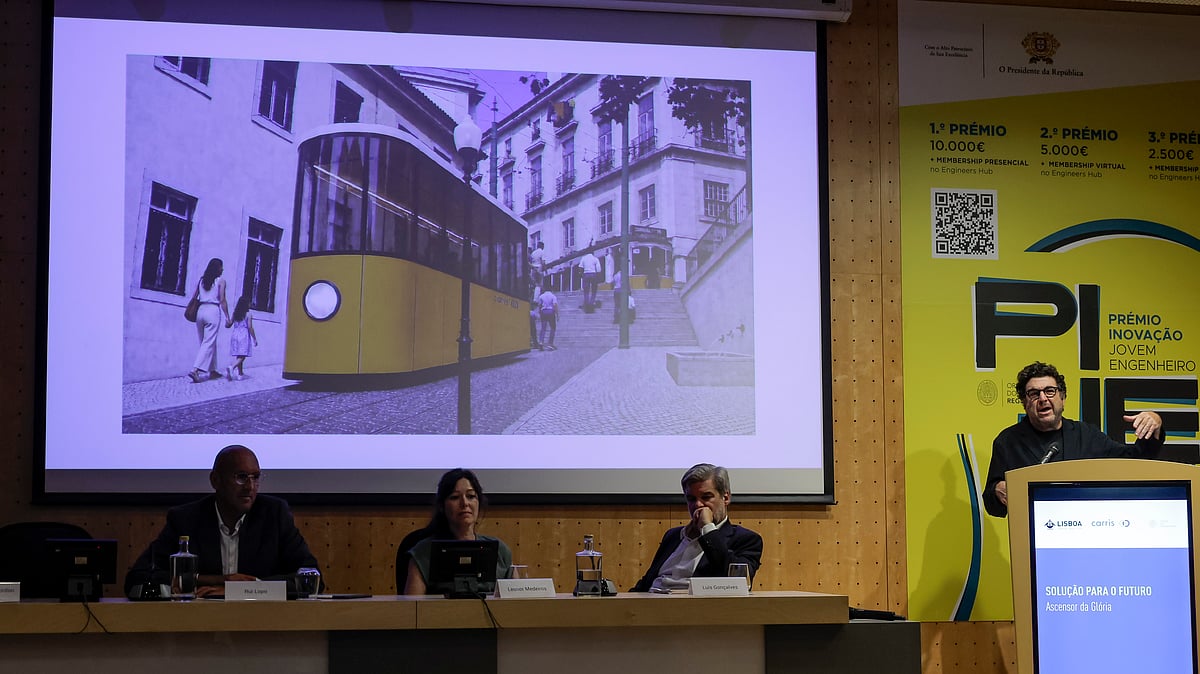
The Glória funicular in Lisbon is set for a complete reconstruction with a reopening planned for 2029, amid ongoing legal and support challenges following a past accident.
The Public Prosecutor has initiated legal action against a Hilton hotel development in Cascais, alleging the illegal annexation of public land to maintain seven floors and seeking the demolition of three levels.
The Passeio Público was an extraordinarily modern idea for the 18th century: leisure and social spaces for the inhabitants, and not just for the Court or the elites.
At issue are recent statements by the Mayor of Lisbon (CML) in which he revealed that work on one of the PGDL tunnels has been halted since May due to the discovery of archaeological remains.
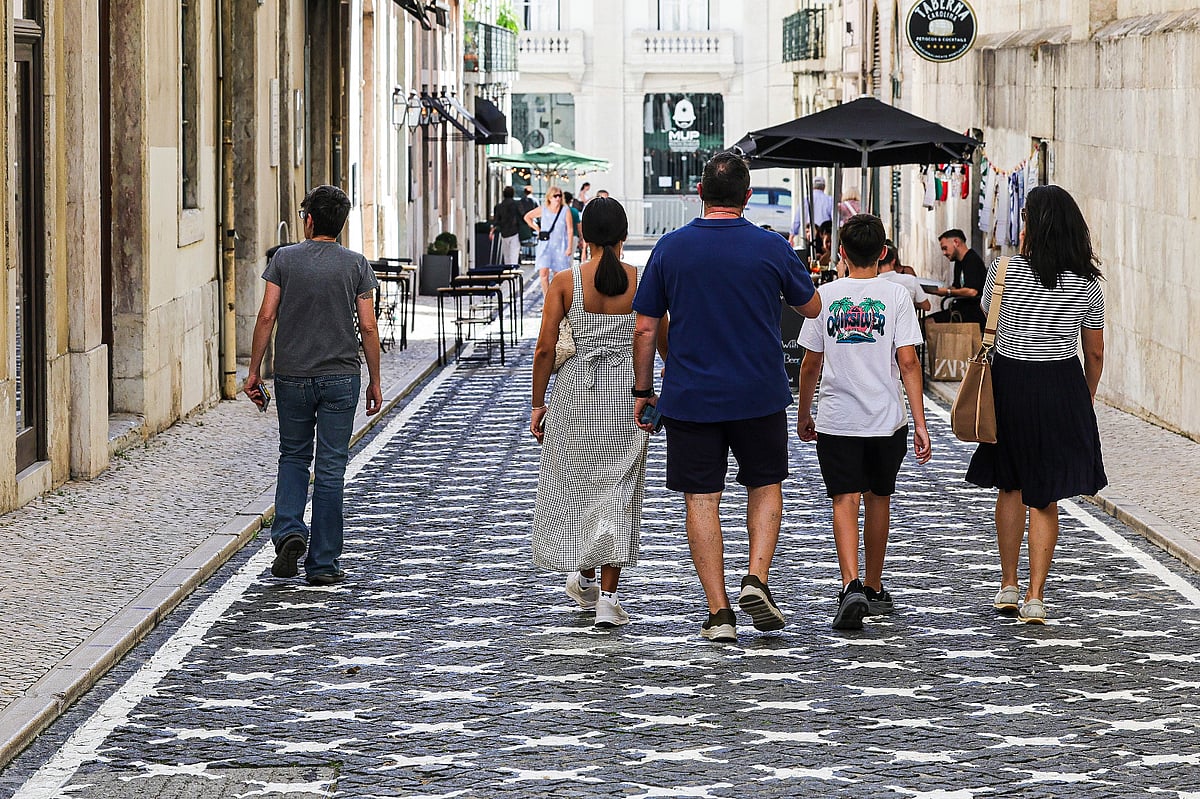
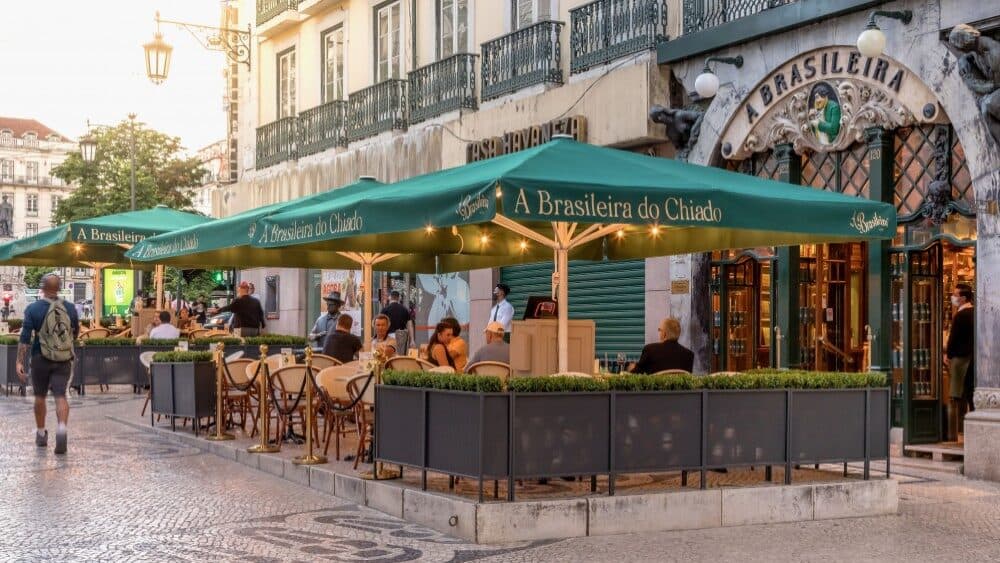
The Chiado area now has less parking and more space for pedestrians to walk freely. The pavement in the new pedestrian zones has been painted with a geometric pattern, giving a new look to the seven streets covered by the Lisbon City Council's 'Viva a Rua!' programme: Rua Garrett, Rua Nova do Almada, Rua do Carmo, Calçada do Sacramento, Rua Ivens, Rua Anchieta, and Rua Serpa Pinto. Parking has been reduced, and it is no longer possible to leave cars on Rua Garrett, Rua do Carmo, Rua Anchieta, and Calçada do Sacramento. In the other streets, 23 spaces have been reserved for residents, 13 for loading and unloading, and 12 for passenger drop-offs, hotels, taxis, and the theatre, according to the local authority. The programme also includes the installation of street furniture, specifically 93 individual benches and 39 planters. This month, according to the council, 30 benches and 15 planters will be installed. The 'Viva a Rua!' programme will be implemented gradually. During a visit to Chiado on 15 September, the Mayor, Carlos Moedas, revealed that the initiative will be expanded to other areas of the city. In this first phase, it includes three pilot zones: Chiado, Rua da Escola Politécnica, and Rua de Belém. Lisbon City Council to increase pedestrian spaces in Chiado; Rua da Galeria de Paris and Cândido dos Reis in downtown Porto to become pedestrianised.
At the moment, the increase in pedestrian areas is marked by the design of the pavement in part of the street where cars previously circulated or were parked.
Since July 2025, the Lisbon City Council has announced three times the start of the delicate structural reinforcement intervention at the metro station, which will require its closure for eight months. However, there are no new dates.
A technician from Cascais City Council added that the Detailed Plan for the Carcavelos South Urban Restructuring Area specified all maximum parameters for construction areas, housing units, and land concessions.
Lisbon City Council will review a new regulation on Wednesday for the recognition, protection, and support of 'Lojas com História' (Shops with History) establishments, which aims to extend protection to more commercial spaces in the city and strengthen municipal support. 'More than just shops with history, we are talking about shops with soul. These are spaces that transport us to...'
The Fórum Cidadania Lx contests the solution presented this week for the future of the Glória funicular and has sent a letter to the Lisbon City Council, the Cultural Heritage authority, and Carris.
Carris president Rui Lopo announced that the company plans to launch an international tender in the first quarter of next year for the design and construction of a new Glória Funicular, following the 2025 accident that destroyed the original. The new project will focus on safety, accessibility, and sustainability while preserving the historical identity of the Calçada da Glória. Lisbon City Council, the sole shareholder, has requested a transparent and exemplary process, with officials estimating that the new funicular could be operational by 2029.
The Ministry states that the registration listing the land as part of the school originated from an error in a 2008 topographical survey. It also assures that 'support infrastructure for military housing' will be built on the site.
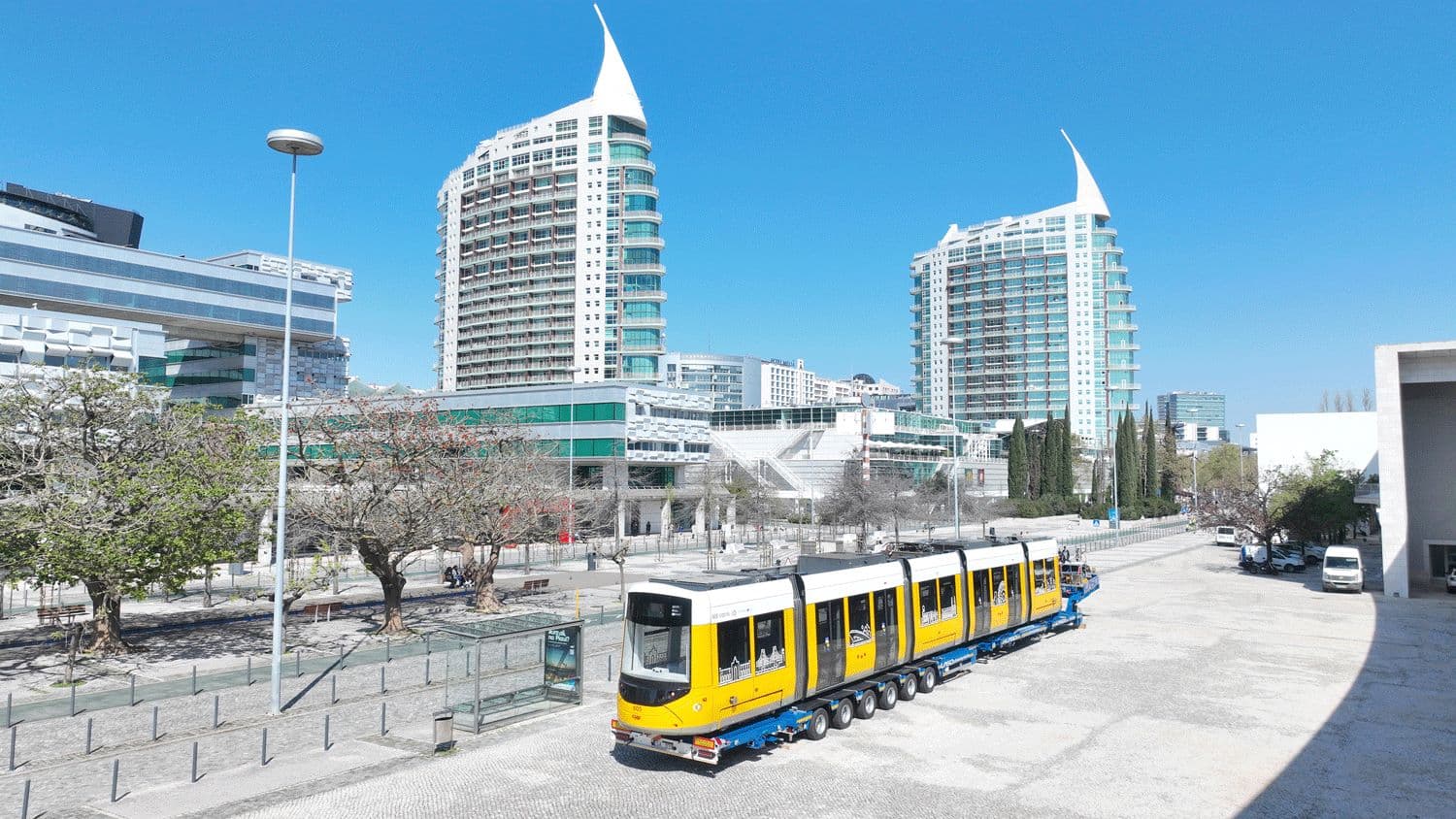
The project for the new 16E tram line, between Terreiro do Paço and Parque Tejo in Lisbon, includes four alternatives to the reference route, which could potentially pass through Avenida Dom João II. The Environmental Impact Assessment (EIA) is under public consultation until 30 September. Proposed by the municipal company Carris, the...
A tree in a public or private space can be felled, but the decision cannot be made outside the rules that the law and the city council itself establish for the management of arboreal heritage.
The Environmental Impact Study, under public consultation until 30 September, anticipates five scenarios. One of them involves the demolition of the Avenida Marechal Gomes da Costa viaduct. A route via Av. João II is also a possibility.
“My job is to fill potholes, I fill them every day and I will continue to fill them,” says Moedas, responding to criticism from the Fórum Cidadania Lx, which labelled the work as “environmentally retrograde.”
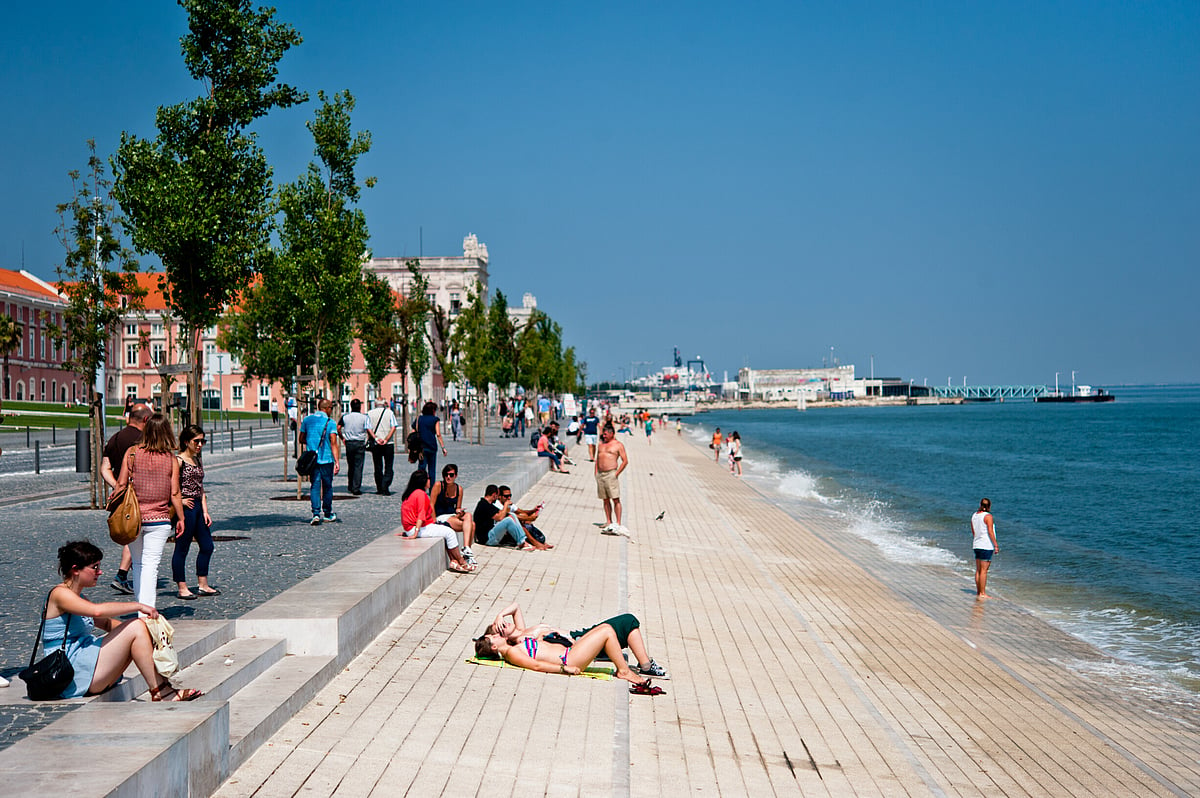
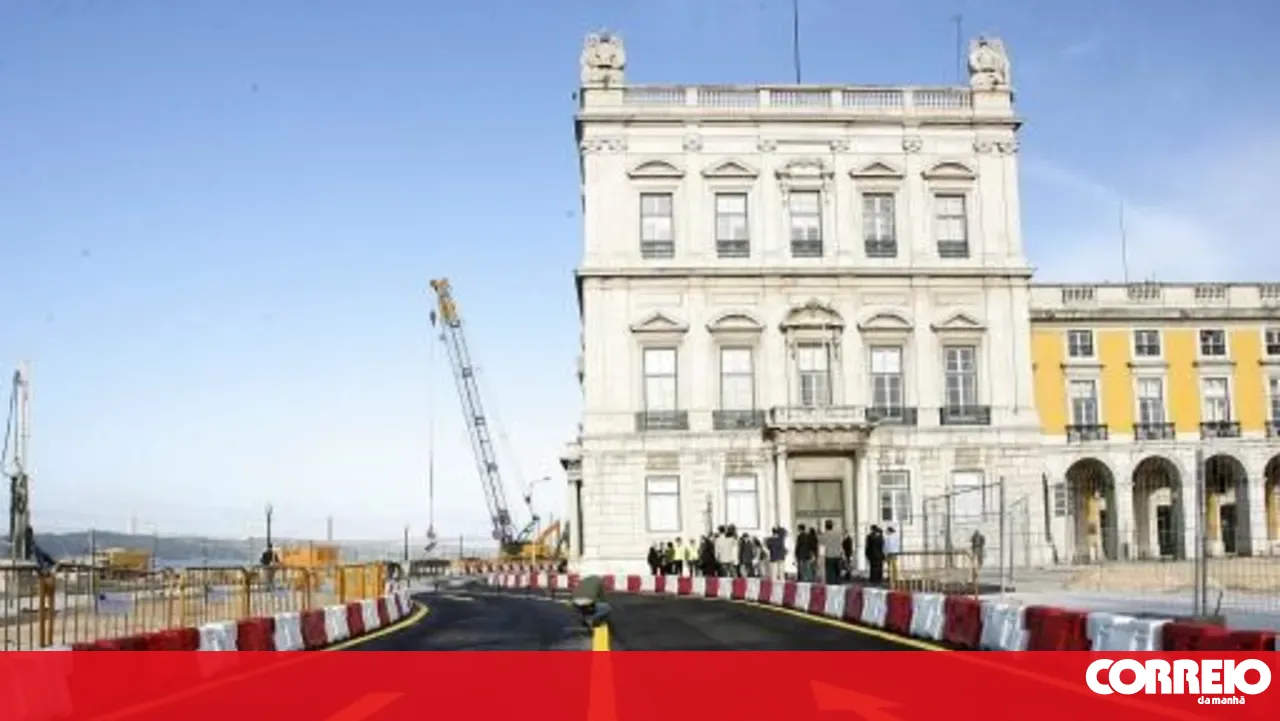
The Mayor of Lisbon, Carlos Moedas, stated that the asphalt paving of Avenida Ribeira das Naus, which was criticised by the Fórum Cidadania Lx association, is a temporary measure intended to prevent accidents caused by the poor state of the previous cobblestone surface. The city council is carrying out rehabilitation works with an investment of approximately 250,000 euros, which will involve closing the road to traffic for 60 days.
The author reflects on the Almirante Reis cycle path, a central issue in Carlos Moedas's 2021 campaign, which he promised to remove but has left unchanged. The article criticises Moedas for his lack of decisive action, his reliance on a non-publicised LNEC study, and his tendency to focus on propaganda rather than governance. It argues that the city needs clear urban planning for bicycles and scooters, and that Moedas's failure to act or explain his position highlights a lack of genuine leadership.
The movement considers the work “environmentally retrograde”. The avenue underwent a landscape requalification in 2014, which “returned that area of the city to the population”.
Is it by living in expensive 18-storey towers, surrounded by 'ample green spaces' that, due to their high maintenance costs, become 'dry no-man's lands', that we are going to mitigate the housing crisis?