

Government says transport model for the new airport is not finalised
The Portuguese government has confirmed that the transport infrastructure model for the new Lisbon airport remains under review by a multi-entity working group.
publico.pt

Latest news and stories about infrastructure in travel in Lisboa, Portugal for expats and residents.
The Portuguese government has confirmed that the transport infrastructure model for the new Lisbon airport remains under review by a multi-entity working group.
ANA's technical report on the new Lisbon airport warns the government that project success depends on critical improvements to accessibility, environmental mitigation, and infrastructure planning to ensure long-term operational viability.

Lisbon airport failed to meet 12% of summer slot requests, with officials warning that infrastructure constraints are negatively impacting the national tourism sector.
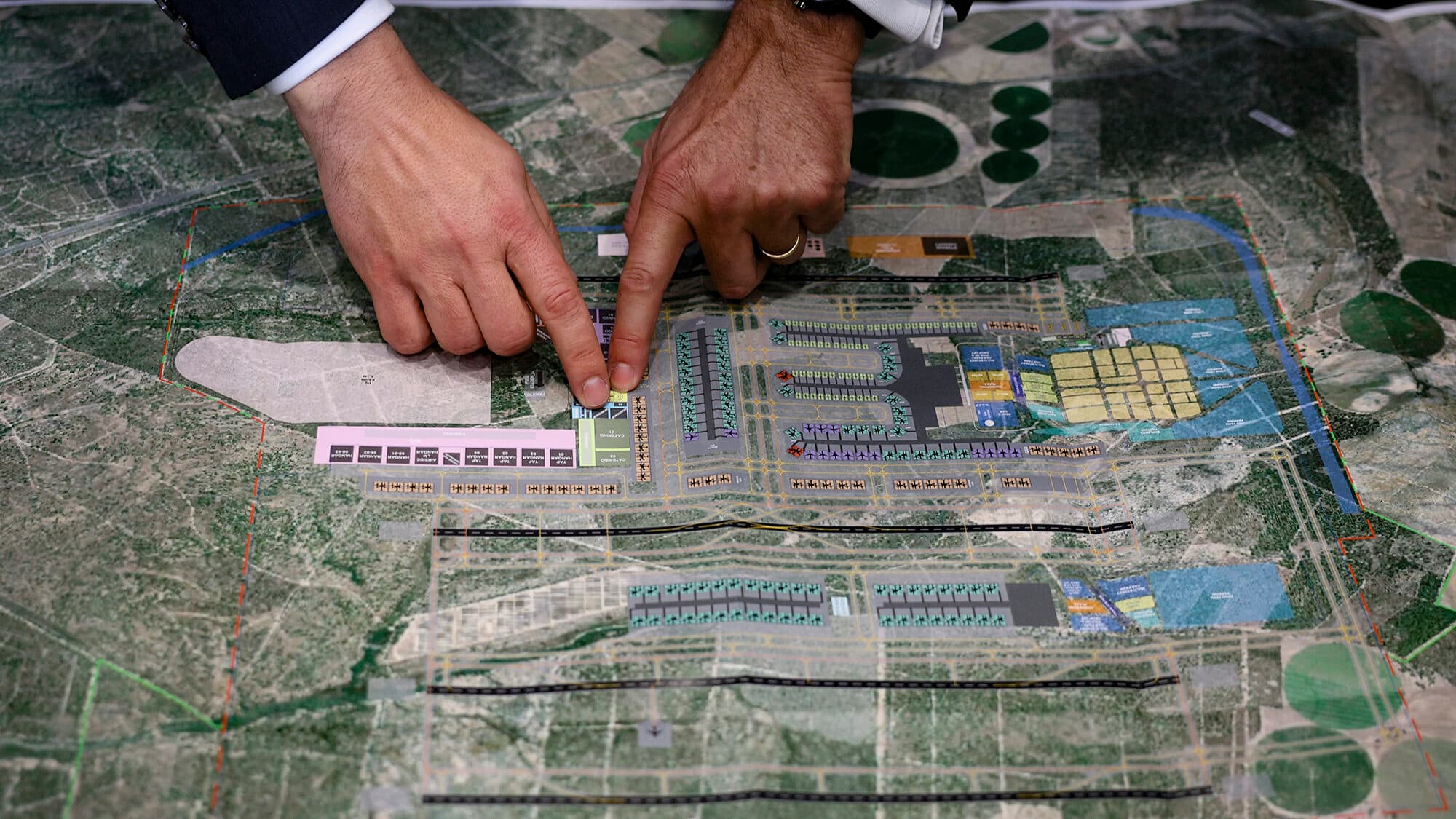
The Government has received the first environmental report for the proposed new Lisbon airport, submitted by ANA – Airports of Portugal. The Ministry of Infrastructure said the next step is delivery of a technical report by 16 July, which will detail the project’s principal environmental impacts and justify the choice of location within the Campo de Tiro de Alcochete perimeter. The final environmental impact study is expected to be submitted to the Portuguese Environment Agency in the third quarter, marking a new phase in the planning and regulatory review of the airport project.
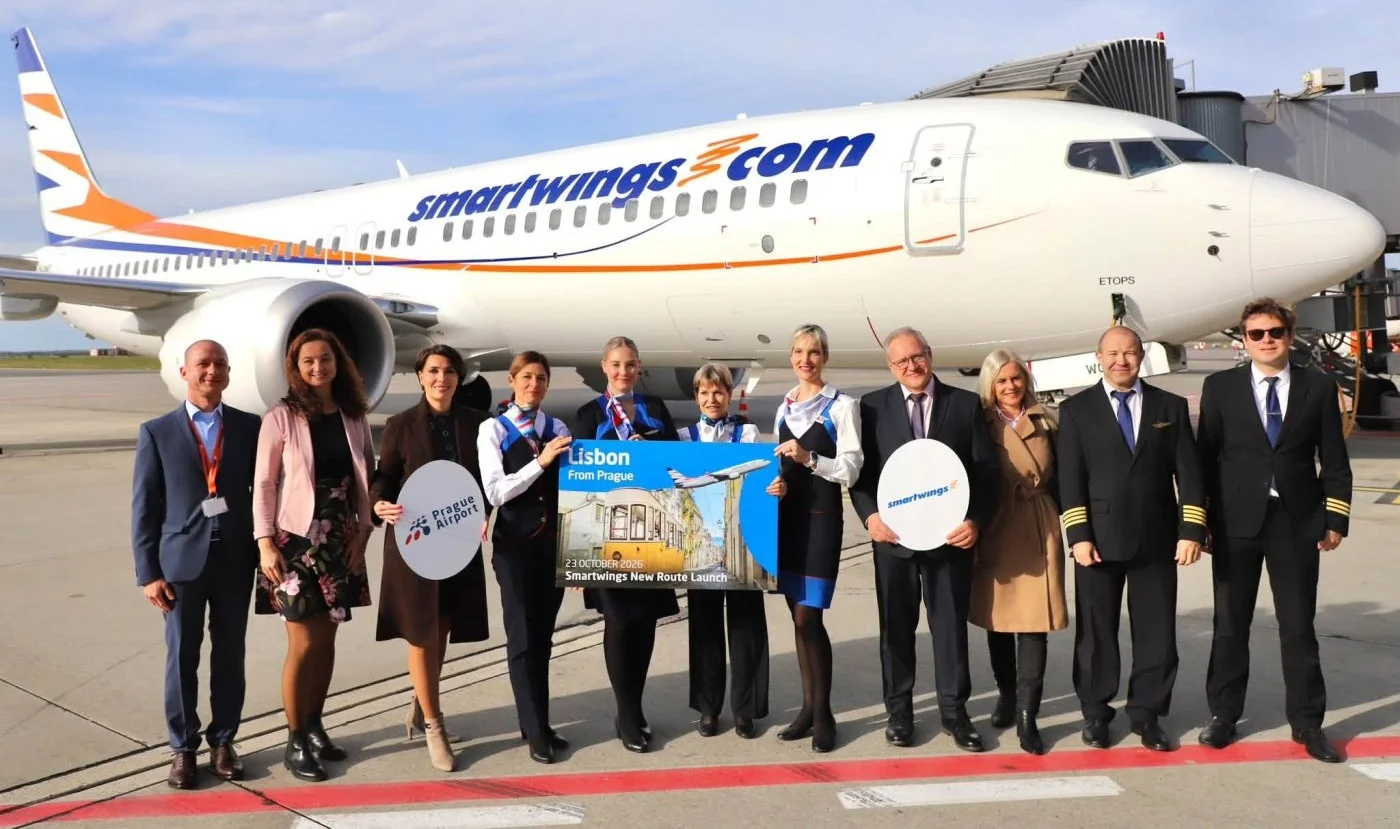
Standing 45 metres tall, the new air traffic control tower at Humberto Delgado Airport does not require an environmental impact assessment and is expected to be ready by early 2030, according to Pedro Ângelo, president of NAV, who has been modernising air navigation services at Portuguese airports, a trend reflected in the construction of three new control towers: Cascais, Lisbon and Funchal.

The President of the Republic pointed to tourism as “a success story of the Portuguese economy in recent decades”.

The President of the Republic called on Monday (28) for the preparation of a medium- and long-term strategy for a 'new stage' in Portuguese tourism, focusing on balanced and sustainable growth, territorial cohesion, and better wages. António José Seguro, speaking at the closing session of the 8th Portuguese Tourism Summit in Lisbon, stated that this strategic vision requires structural decisions regarding the new Lisbon airport and the future of TAP. He emphasized that these matters require vision and planning rather than just immediate financial fixes. The President acknowledged tourism as a success story but warned that the pressure on housing, mobility, and public services must be addressed to ensure growth benefits the country and maintains the quality of life for residents.
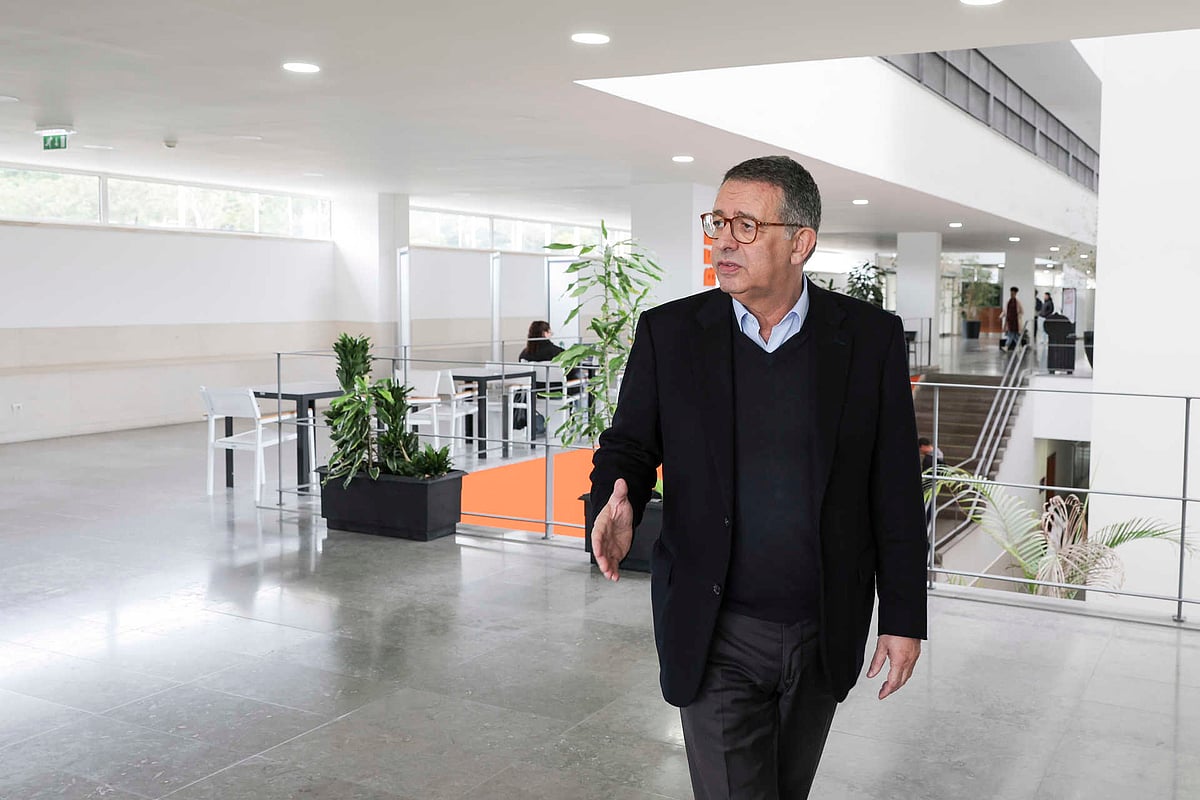
Álvaro Santos Pereira highlights the importance of improving quality, infrastructure, and the adoption of artificial intelligence to ensure the future development of the Portuguese tourism sector.


The infrastructure is expected to open with a capacity for 56 million annual passengers, two runways, and a terminal of approximately 500,000 square metres

The article argues that Lisbon is struggling with overtourism and infrastructure failure, exemplified by the chaotic border control at Humberto Delgado Airport. With passenger numbers hitting record highs and a new airport years away, the city is buckling under the pressure. Furthermore, the housing crisis, driven by high rents and short-term rentals, has displaced residents from historic neighbourhoods. The author suggests that Lisbon must follow the example of other European cities by implementing sustainable management policies to balance tourism with the needs of its residents, ensuring the city remains liveable rather than just a destination.

The International Air Transport Association points to infrastructure constraints in the Portuguese capital as the main threat to the country's operations during the peak season.

The president of NAV says that infrastructure limitations may be hindering new routes and penalising tourism.

The works are expected to last around eight months.

Home News Technical report on the new Lisbon Airport delivered in July Technical report on the new Lisbon Airport delivered in July The Government expects to receive the Technical Report on the new Luís de Camões Airport by 16 July, after ANA - Aeroportos de Portugal completed another stage by de

The Government decided to amend the minimum specifications for the new Lisbon airport, as these had not been changed since 2012, and to begin negotiations with the concessionaire.

Home News Plans to change new Lisbon Airport specifications Plans to change new Lisbon Airport specifications The government has decided to dispense with the formation of a negotiating committee to change the minimum specifications of the future Lisbon airport, opting instead for an agreement bet

