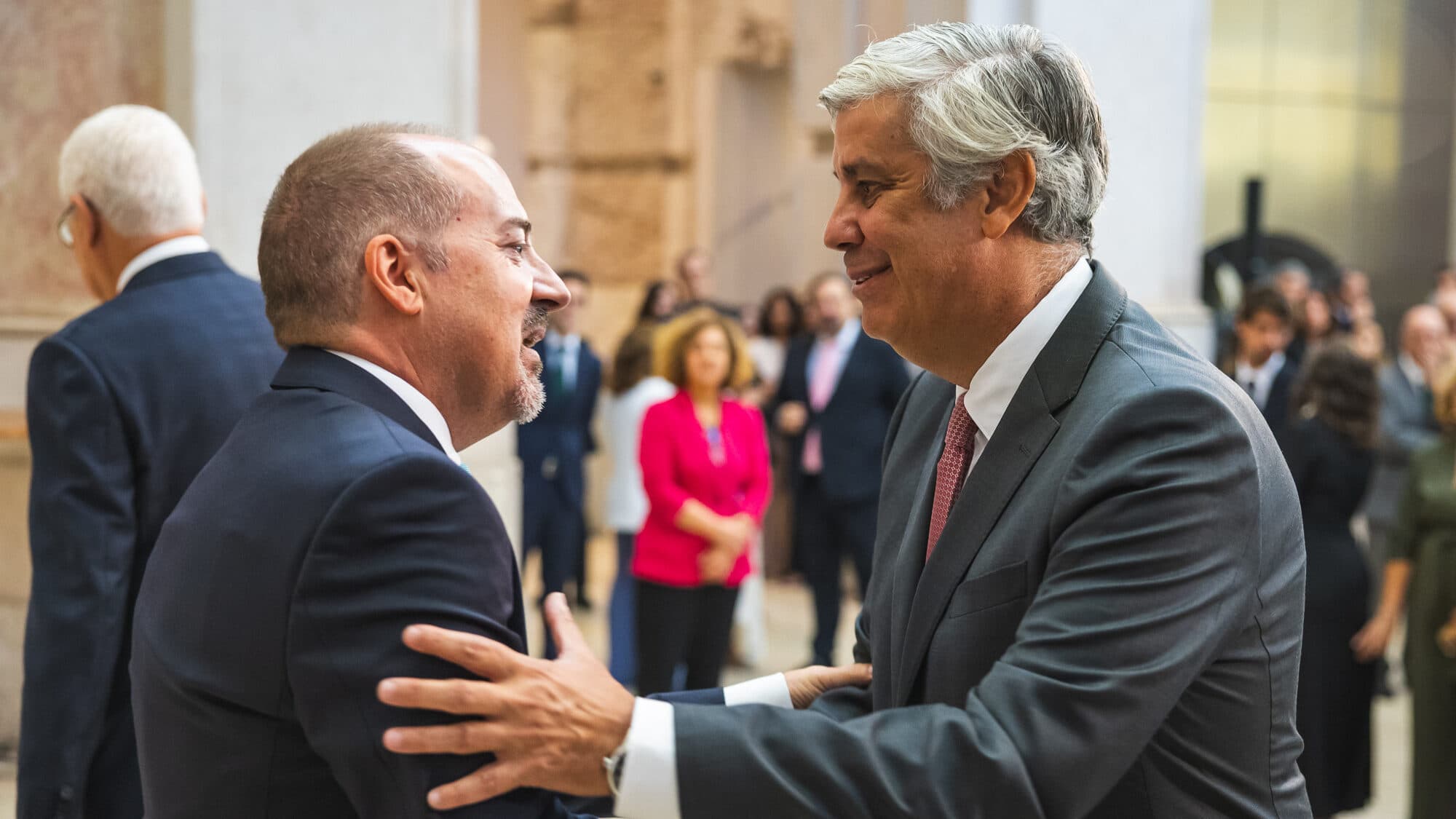
New deputy governor of the Bank of Portugal will only arrive after the summer
The appointment of the new deputy governor for the Bank of Portugal has been postponed until after the summer, with the official arrival expected in the autumn.
Público

Latest news and stories about economic policy in finance in Lisboa, Portugal for expats and residents.
The appointment of the new deputy governor for the Bank of Portugal has been postponed until after the summer, with the official arrival expected in the autumn.
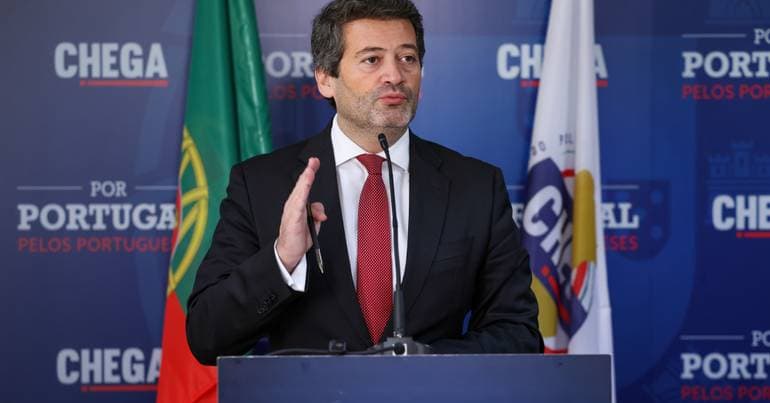
Chega plans to propose the reinstatement of zero VAT on essential goods, a measure they aim to limit until the end of the year. Additionally, the party is advocating for further government action to reduce fuel taxes.
With a trembling voice and uncertainty written on his face, while reading texts prepared by unknown advisors, the Governor of the Banco de Portugal attempted, during the parliamentary hearing on the institution's new headquarters, to rehearse a response to the criticisms he himself fueled since deciding to question a decision approved unanimously...

A meeting is being held in Lisbon involving the constituency of countries that partner with Portugal within the International Monetary Fund and the World Bank Group.

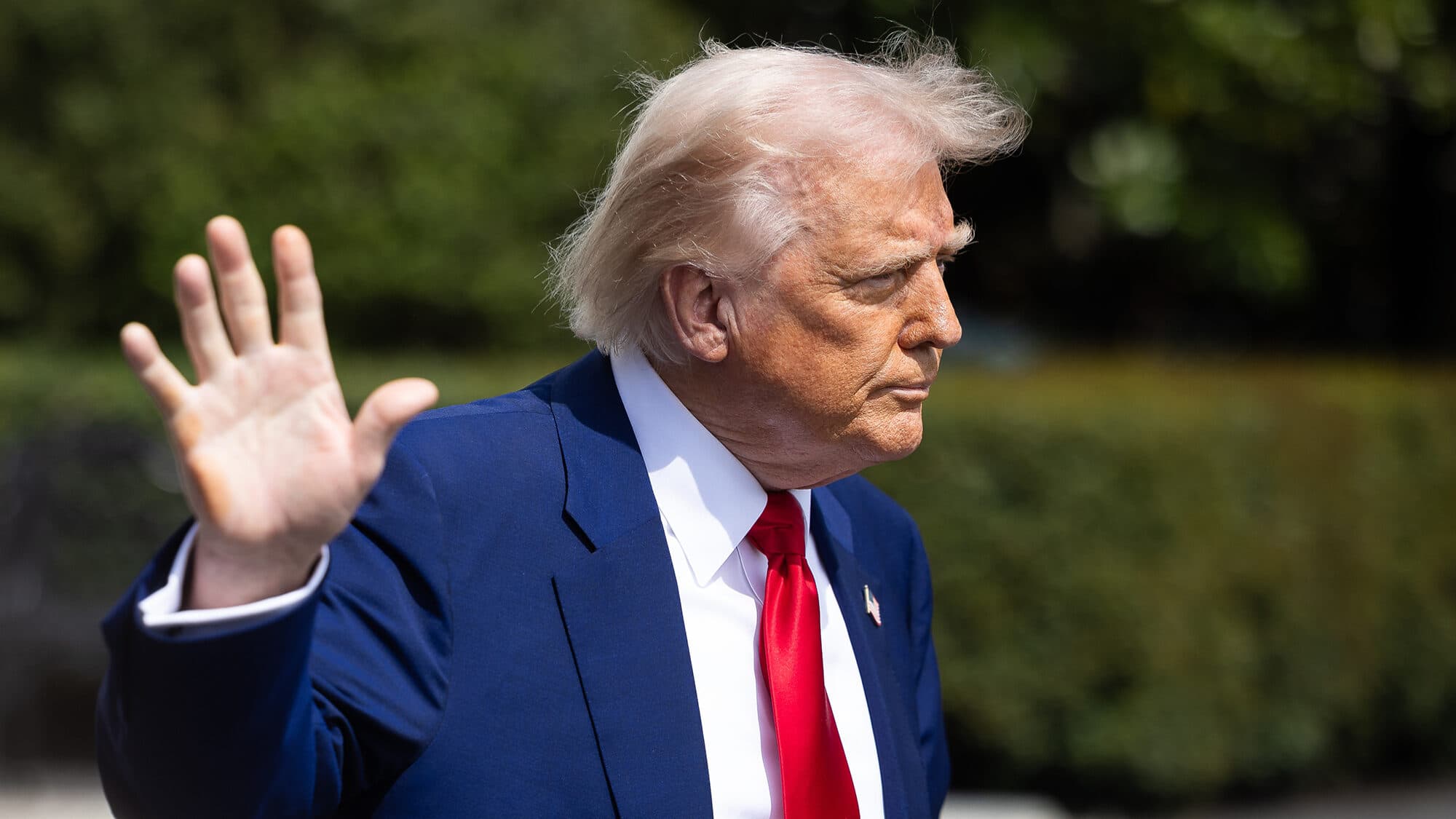
The Donald Trump administration has been dismantling part of the regulatory framework built after the 2008 financial crisis. It has cut leverage requirements, diluted the final version of Basel III, and reversed part of the oversight imposed on the country's largest banks. On that side of the debate are those who argue that the bureaucratic burden of this...
The annual European Central Bank (ECB) Forum begins on Monday in Sintra, with eyes on the future of Europe, amidst a context of uncertainty surrounding trade policy and the conflict in the Middle East.
“We must de-index these remunerations from those of politicians (...) When we speak ill of the Public Administration, we must know if we are willing to pay more to the leaders,” stated the president of Caixa Geral de Depósitos.
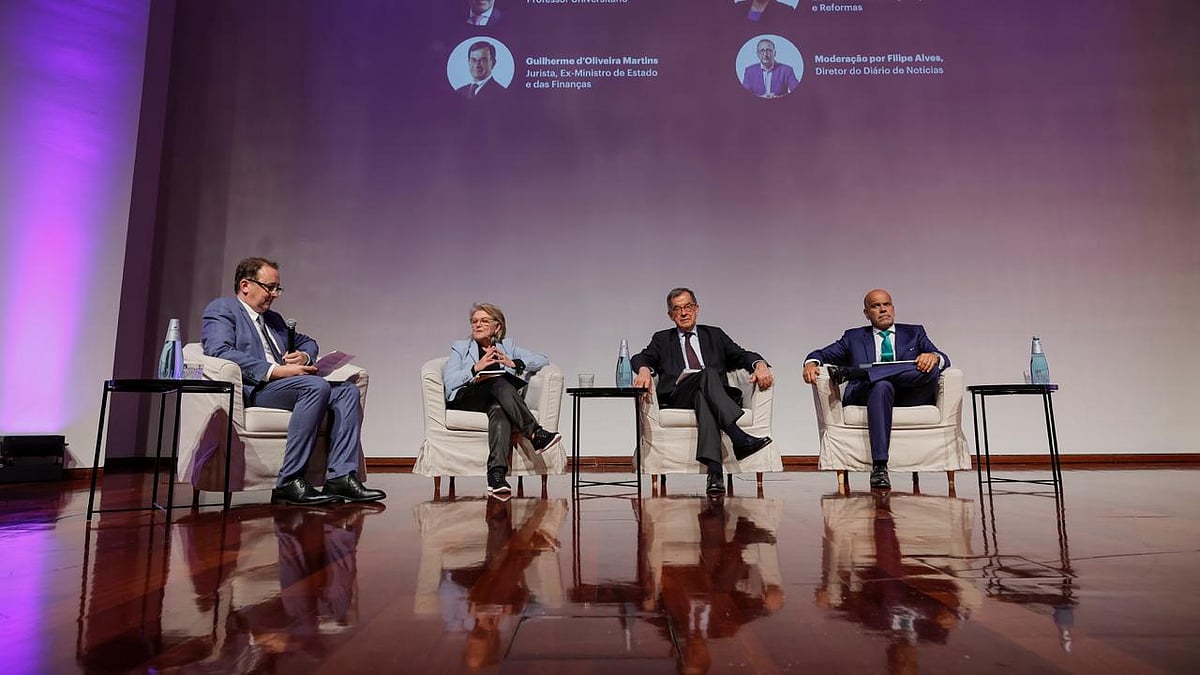
Jurist and former government official Guilherme d'Oliveira Martins used his speech at the 'Portugal in the Age of Uncertainty' panel, held at the Diário de Notícias Grand Conference, to counter the idea that Portugal should rely on improvisation. Speaking at the Champalimaud Foundation in Lisbon, he highlighted the importance of planning. The panel, moderated by DN director Filipe Alves, also featured former CDS-PP deputy Diogo Feio and former European Commissioner Elisa Ferreira. Discussions covered the need for long-term strategies to address low productivity, the importance of decentralisation, and the necessity of a 'reform of mentalities' over structural miracles. Diogo Feio addressed issues of political polarisation and the challenges of an ageing population, while also defending the need for better political representation and remuneration.
The Prime Minister sends a message to the UGT, stating that if the agreement within the social concertation fails, it will be “inexcusable”. Additionally, the Lisbon Metro expects the service to be closed from 11 PM onwards.

The Governor of the Bank of Portugal declined to comment on Mário Centeno's early retirement. When questioned by RTP during a tsunami preparedness drill in Lisbon on Tuesday, March 24, Álvaro Santos Pereira stated that 'today is not the day' to discuss the matter, deferring questions about the institution until the following day, when the latest Economic Bulletin will be released. Mário Centeno is set to leave the central bank under a pension agreement, which has sparked controversy due to the estimated 10,000 euro gross monthly pension. Álvaro Santos Pereira is expected to address the issue before members of the Assembly of the Republic following a request from the Chega party.
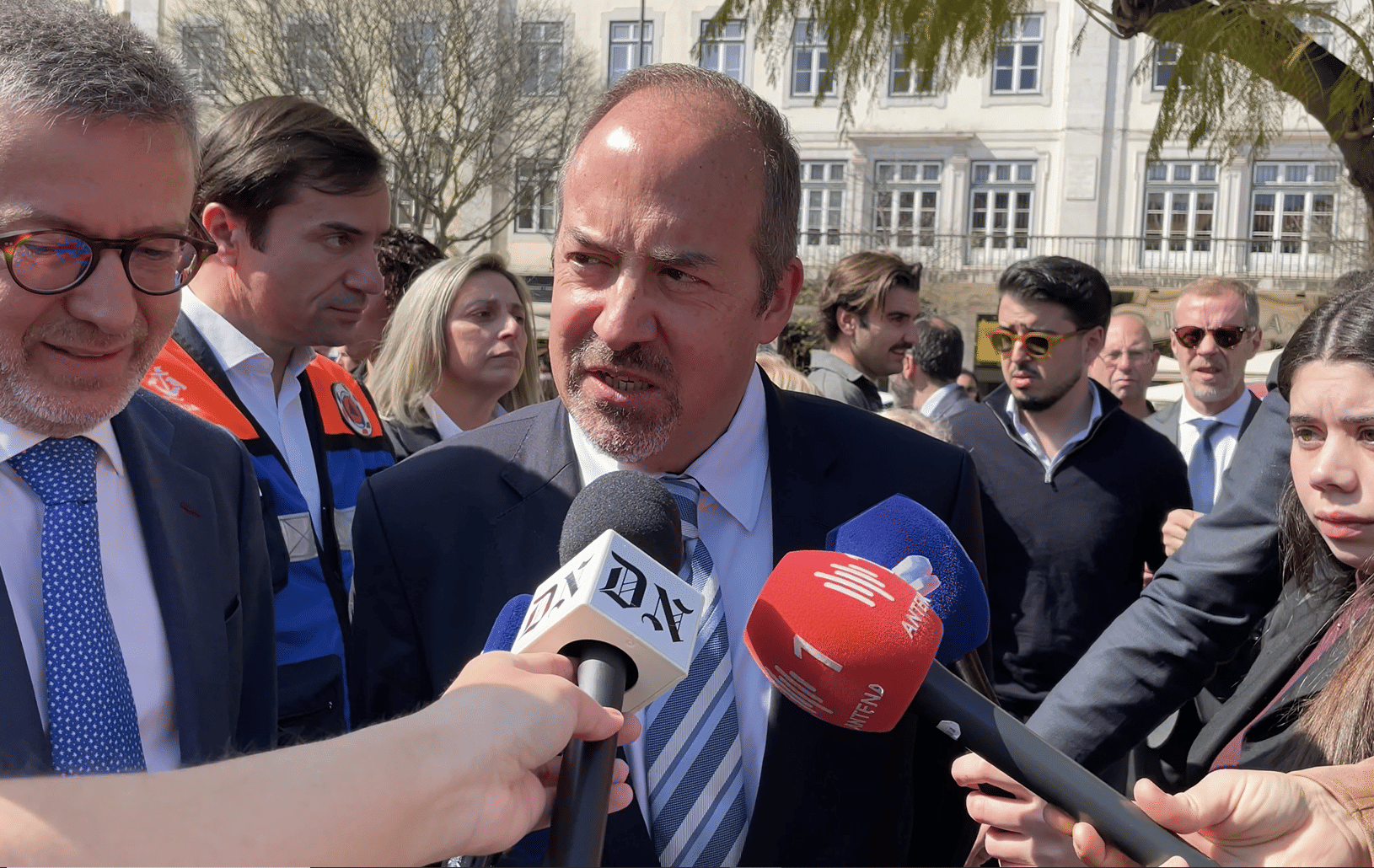
Retirement. The Bank of Portugal wants to cut costs on consultants

While participating in a demonstration against US attacks on Iran, the communist and Bloco leaders converged on what the reaction to the price hike crisis, resulting from the conflict in the Middle East, should be.

Centeno leaves the Banco de Portugal after 20 years and having reached an agreement on his departure. He is expected to dedicate himself to university teaching now.
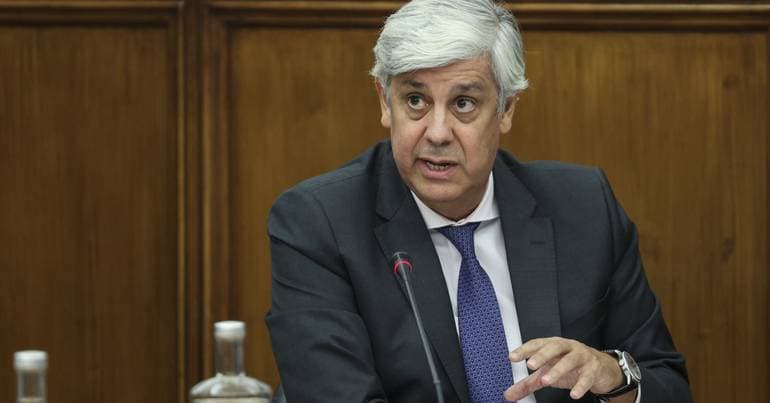
Mário Centeno's long career at the Bank of Portugal has come to an end. After more than two decades as a staff member of the institution – having served as Governor between 2020 and 2025 – he signed the agreement this week that allows him to retire, ceasing his work at the bank. As ECO has learned, Centeno has already...