

Brazil registers 918,876 voters abroad, 134,797 of whom are in Portugal
The number of Brazilian voters residing in Portugal has surged by 66.6% since 2022, with Lisbon emerging as the largest electoral district for expatriates globally.
publico.pt

Latest news and stories about brazilian community in Lisboa, Portugal for expats and residents.
The number of Brazilian voters residing in Portugal has surged by 66.6% since 2022, with Lisbon emerging as the largest electoral district for expatriates globally.
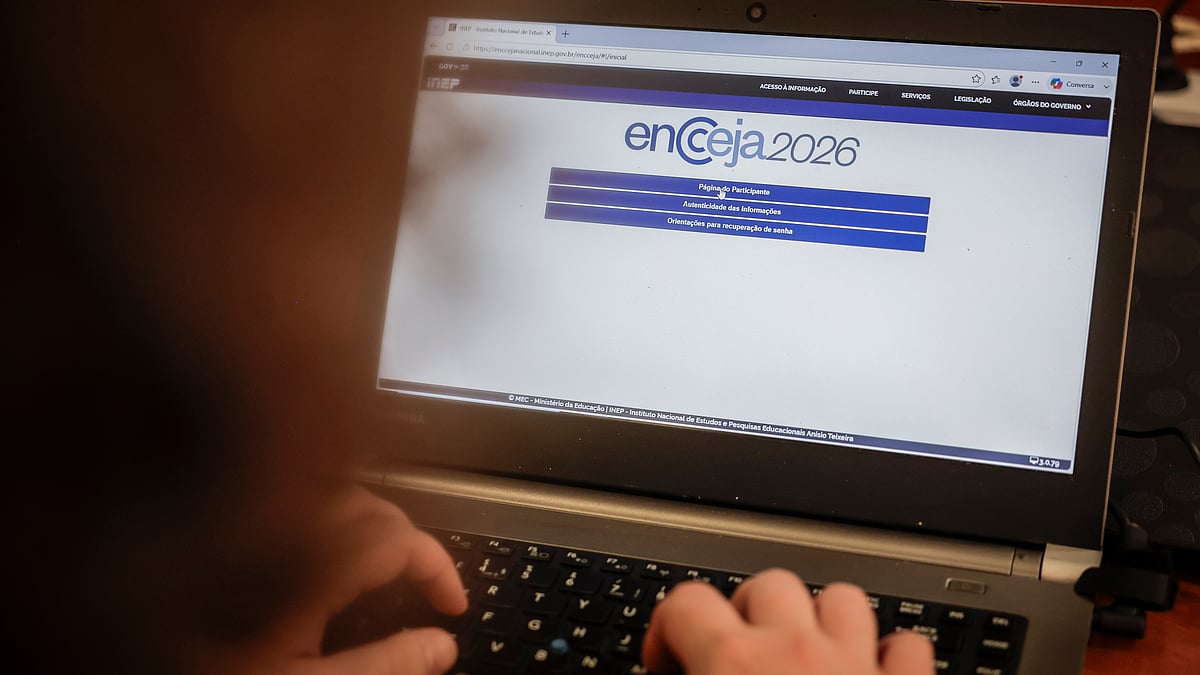
Brazilians living in Portugal who have not completed Primary or Secondary education can sit the Encceja Abroad exam—a Brazilian government certification of basic skills—and a free preparatory course in Lisbon now has registrations open to help candidates prepare. Organisers and participants, including Rejane Lima, stress that the qualification is a valuable asset in the job market and facilitates adaptation to life in Portugal. The initiative is being covered by Radar DN Brasil (a Diário de Notícias segment for the Brazilian community), which airs Fridays at 08:00 on YouTube and Spotify; the next edition airs on Friday 13 February.

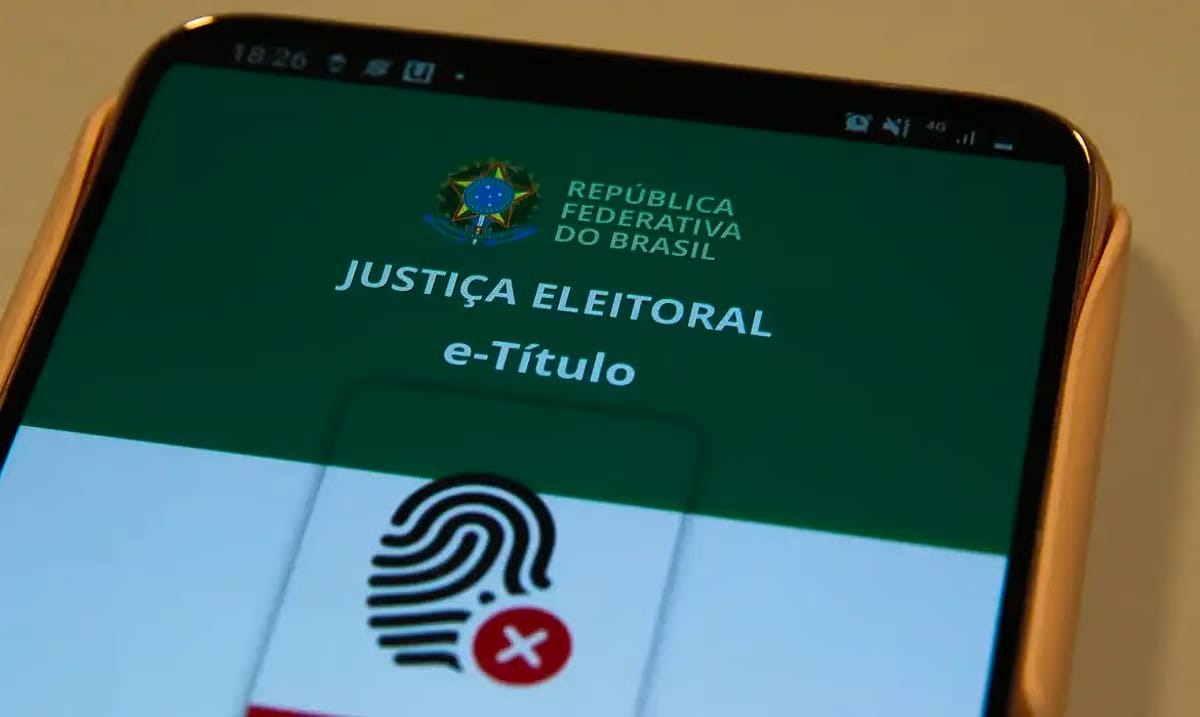
Less than 30% of the electorate registered in Portugal to vote in the Brazilian presidential elections have downloaded the E-Título app. Out of 134,797 voters, 38,234 have downloaded the application. The data was provided by the Superior Electoral Court (TSE) to DN Brasil. The E-Título is the official free app from the Brazilian Electoral Justice that provides information and services related to voter registration. The three Brazilian consulates in the country are encouraging citizens to install the app, which allows users to access a digital version of their voter ID, check electoral data, polling locations, and registration status. The app can be downloaded until October 3rd, as it is not available on election day, October 4th. For those voting in Portugal, the main benefit is easily locating their polling station, especially in cities like Lisbon where voting takes place across multiple buildings. The app can also serve as a form of identification at the polls if it includes a photo, otherwise, an official Brazilian photo ID is required. It is also a key tool for justifying an absence from voting. Portugal has the second-largest number of Brazilian voters abroad, after the United States, with polling stations in Lisbon, Porto, and Faro.

In a speech at the Brazilian Embassy in Lisbon, Ambassador Raimundo Carreiro highlighted the presence of the Brazilian community in Portugal, diplomacy, the union between the peoples, and the October elections.

With the 2026 elections approaching, the Superior Electoral Court (TSE) is strengthening security and oversight mechanisms for the electronic voting system. The court's IT secretary, Júlio Valente, explained that the voting and vote-counting process is decentralized and transparent, allowing for data verification at each polling station. Valente highlighted that there have been no proven cases of fraud since the system's implementation in 1996, contrasting it with the previous paper ballot system. He also noted that the system currently offers 40 distinct opportunities for oversight and auditing by political parties and institutions, and addressed the issue of disinformation regarding the security of the electronic ballot boxes.
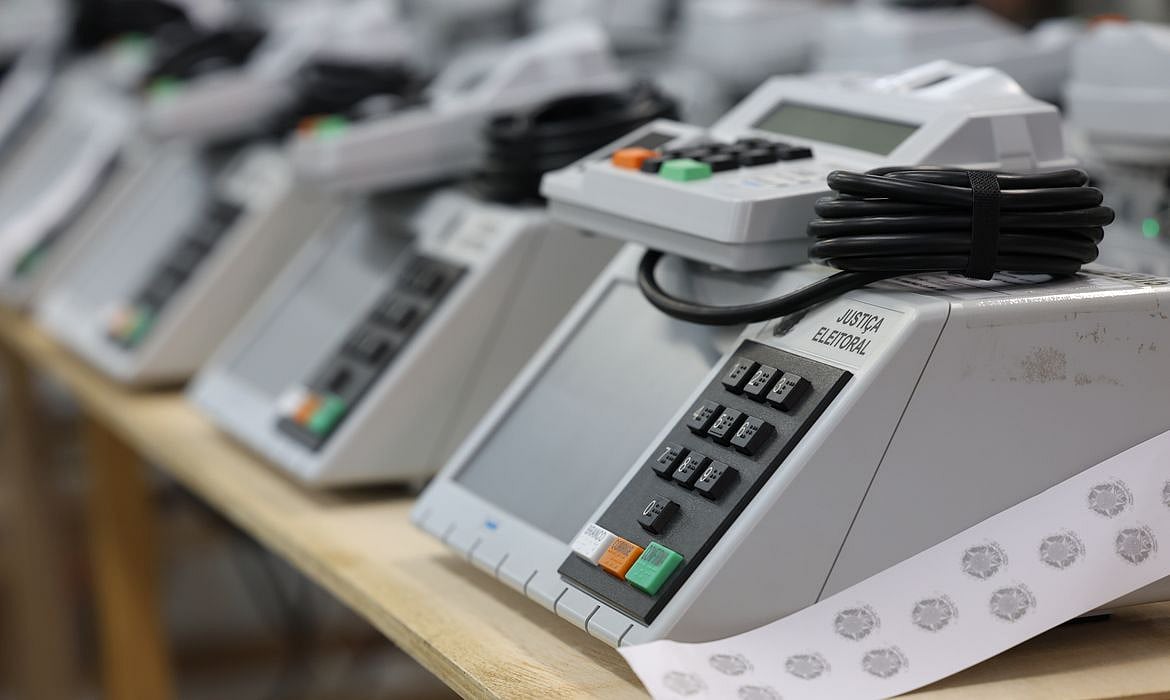
The Superior Electoral Court (TSE) concluded the National Electronic Voting System Week, aimed at clarifying the Brazilian electoral system and combating disinformation, with the first 'Race for Democracy' held at the Nelson Piquet International Circuit in Brasília. During the event, TSE president Kassio Nunes Marques reaffirmed the reliability of Brazil's electronic voting system and highlighted efforts to strengthen the democratic process. The week included public demonstrations, simulated voting, and a live presentation detailing the internal components and security features of the electronic ballot boxes. For the upcoming October elections, over 563,000 units will be used, including a record 100 units to be sent to Lisbon, which holds the largest Brazilian electorate abroad.

The Superior Electoral Court (TSE) has launched the National Week of the Electronic Voting System to clarify details about the Brazilian electoral system and combat misinformation. The first initiative involved a live demonstration where an electronic voting machine was dismantled to show its internal components and functionality. During the presentation, key security features were highlighted, such as the 'zerésima' report, which confirms that no votes were recorded before the start of the election, and the ballot box report, which displays the vote count for each candidate. For the October elections, 563,910 electronic voting machines will be used, including those sent to polling stations abroad. Lisbon, which has the largest electorate outside of Brazil, will receive a record 100 units. The source codes for the machines and electoral systems remain open for inspection until September 4, ahead of the digital signing and sealing ceremony for the 2026 elections.
A reference to the Brazilian news outlet operating within Portugal.
Registration is now open for this year's National Exam for the Certification of Competencies for Youth and Adults (Encceja) Abroad. Applications can be made via the website of the National Institute for Educational Studies and Research Anísio Teixeira (Inep) until 14 August. The exam will take place on 22 November in Lisbon and 16 other cities worldwide. The exam is free and provides Brazilians living abroad who did not complete their primary or secondary education at the appropriate age with the opportunity to obtain certification. In Lisbon, a free preparatory course is available at the Lusófona University campus, supported by the Brazilian Consulate-General.
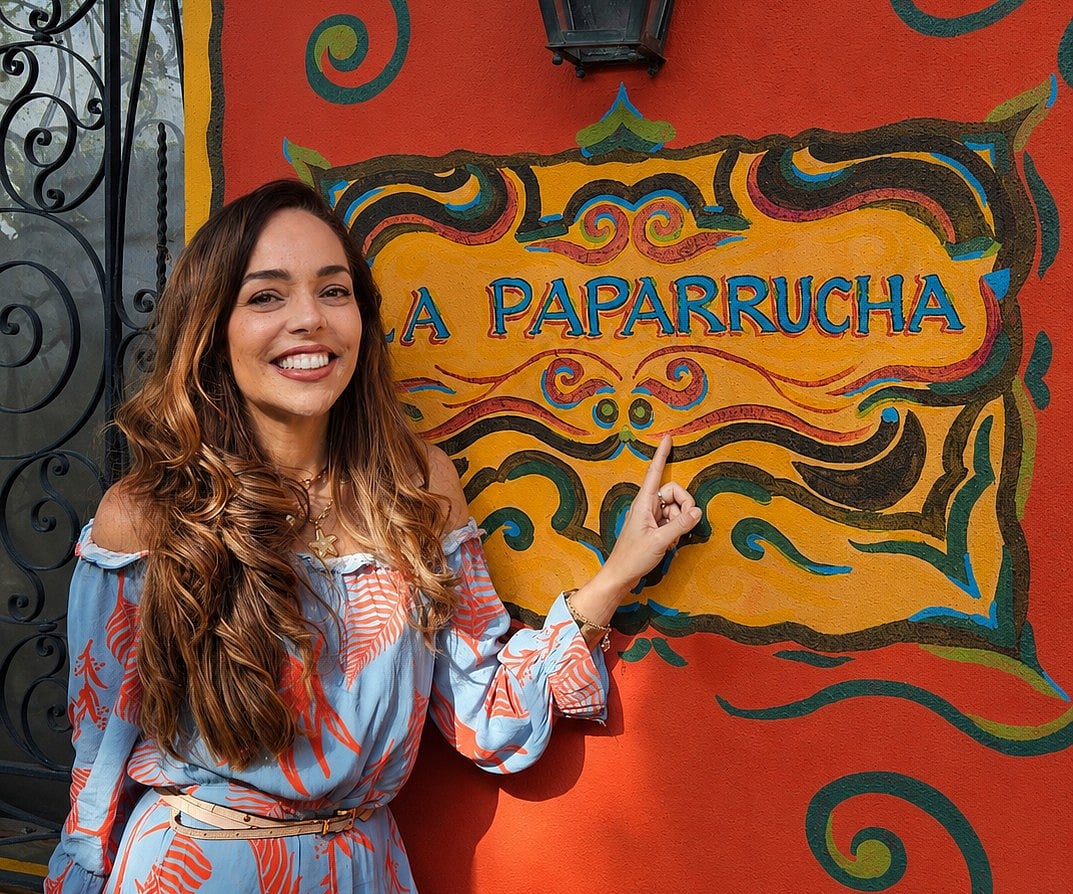
Brazilian actress and presenter Sara Galvão is launching 'Sara Vai Sessions' in Lisbon this Tuesday (4th), a project designed to give visibility to Brazilian artists residing in Portugal. The free event will take place from 6 pm to 10 pm on the rooftop of the La Paparrucha restaurant, featuring live music and networking opportunities for cultural professionals and the public. The initiative, an extension of Galvão's social media series, aims to build a permanent support network for artists building their careers abroad, with a diverse lineup ranging from jazz to forró.
Singer and samba icon, the godmother of the event's first edition speaks to PÚBLICO Brasil about faith, Afro-Brazilian ancestry, and the Brazilian community in Portugal.
The Superior Electoral Court has updated the number of Brazilians eligible to vote in October. In total, 158,745,463 people are qualified to participate in this year's elections, an increase of nearly 1.5% compared to 2022. Abroad, the total number of voters grew by more than 31%, with 918,876 Brazilians now eligible to vote outside the country. The United States leads the ranking, followed by Portugal with 134,797 voters. Although Portugal is in second place, Lisbon has become the largest Brazilian electoral college abroad, with 78,833 registered voters. In the Portuguese capital, voting traditionally takes place at the Faculty of Law of the University of Lisbon, but the increase in voters will lead to additional polling stations at the Faculty of Letters and the Rectory this year to avoid the delays seen in 2022. Lisbon will also set a record for electronic ballot boxes used, increasing from 58 in 2022 to 100 this year.
Those who have transferred their voter registration abroad and will be in Brazil during the election period have until August 20th to request absentee voting.
The singer gathered 30,000 people at her concert in Lisbon on Saturday. Anitta uses her experience as an immigrant to recommend that Brazilians living in Portugal do not give up on their goals.

The Oswaldo Cruz Foundation (Fiocruz) is strengthening its presence in Portugal with the opening of an official office in Lisbon this Wednesday, July 15. Located in the same building as ApexBrasil, Embratur, and Sebrae, the office aims to expand research, innovation, and professional training partnerships. Fiocruz president Mário Moreira stated that the expansion also seeks to support the Brazilian community in Portugal, addressing health as a broad right. The inauguration will be attended by Brazilian Health Minister Alexandre Padilha and Portuguese Health Minister Ana Paula Martins.

Forró music, bunting, traditional food, and plenty of excitement marked the 'Arraiá Julino do Boi Tabaco', held last Sunday (12) at the Jardins do Bombarda in Lisbon. The event brought together Brazilians from different states, Portuguese locals, and other residents of the capital for a day dedicated to the traditions of Northeastern June festivals. Check out the photos by DN photojournalist Leonardo Negrão. DN Brasil is a section of Diário de Notícias dedicated to the Brazilian community living in or planning to move to Portugal. The texts are written in Brazilian Portuguese. The July festival brings forró, traditional food, and Northeastern tradition to the Jardins do Bombarda in Lisbon. Portuguese summer festivals have the sound of Brazil.

The faculty reports that 13.54% of its students are from Brazil and there are 11 professors on the teaching staff. According to the institution, Brazilians add “competence, commitment, and friendliness to daily life”.
Applications to volunteer for the Brazilian presidential elections in Lisbon close on July 10. The consulate, which is organising the vote in the Portuguese capital, needs hundreds of people to assist with tasks such as queue management. Lisbon will be the largest Brazilian electoral district abroad, with approximately 69,000 voters. The first round of the election is scheduled for October 4.

Applications can be submitted until July 10. To apply, interested parties must be in good standing with the electoral justice system. Lisbon is the largest electoral district outside of Brazil, with nearly 69,000 voters.
Project created by Rio-born curator Luiza Baldan prioritises listening, experimentation, and creative processes in opposition to the logic of accelerated productivity. The exhibition runs from 6 June to 25 July.
The number of voters eligible to vote in October's presidential election, in which Lula da Silva seeks to renew his mandate, has risen to 68,979.

Figures released by the Itamaraty are still preliminary, but Lisbon is consolidating its position as the largest electoral district outside of Brazil. When looking at countries, Portugal is only behind the United States.

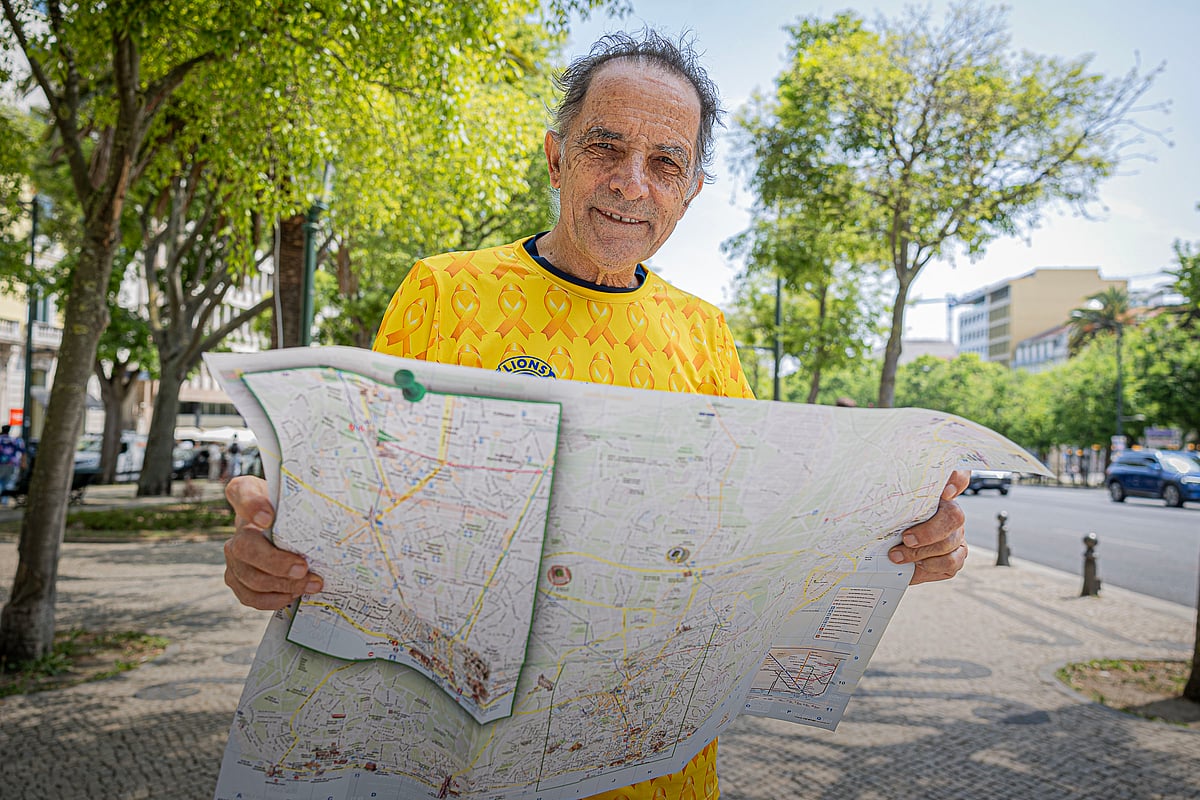
Brazilian activist Zé do Pedal is embarking on another global adventure on his bicycle. This time, he will travel from northern Norway to Portugal. The seven-month journey aims to raise funds for institutions that care for children with cancer. Watch the interview conducted in Lisbon. DN Brasil is a section of Diário de Notícias dedicated to the Brazilian community living in or planning to move to Portugal. The articles are written in Brazilian Portuguese. The Brazilian Consulate in Lisbon expects an increase in birth registrations following a change in nationality law. Brazil's first-round World Cup matches will be broadcast for free on YouTube in Portugal, with CazéTV set to stream the games.
The deadline for Brazilian voters in Portugal and abroad to regularise their electoral status is approaching. Until May 6th, voters can justify absences, request a transfer of their electoral domicile to an overseas zone, or apply for their first voter ID card. The process is entirely online. Voting in Brazil is mandatory for citizens aged 18 and over, and a regularised status is required for passport renewal. With presidential elections scheduled for October, Lisbon is preparing for a record number of voters, with additional polling stations at the University of Lisbon to prevent the long queues seen in 2022.
During his visit to Portugal, Brazilian President Lula da Silva was met with a show of support from demonstrators in Lisbon.

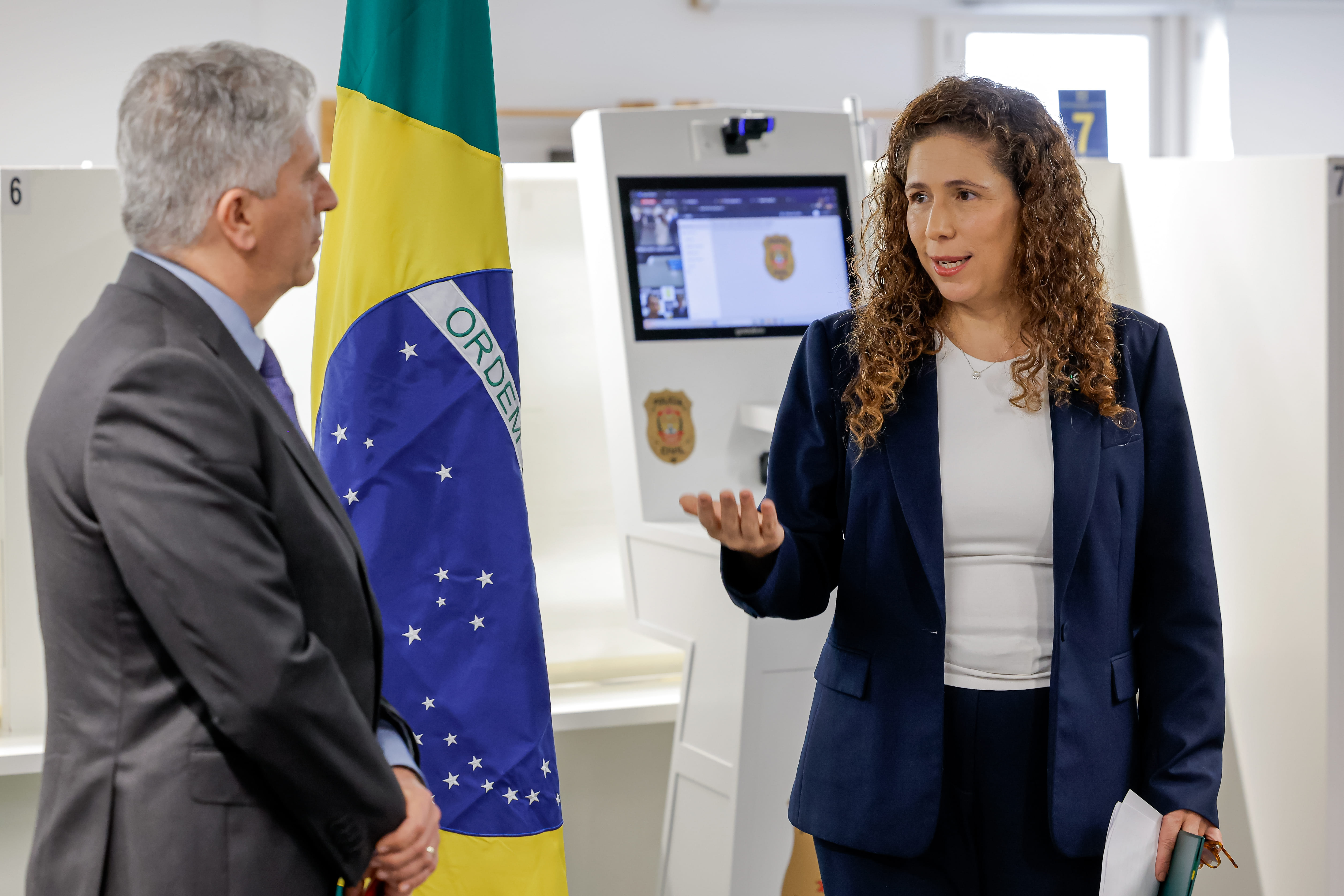
Brazilians living abroad can now obtain the new national identity card, with a pilot project launching in Portugal due to its large Brazilian population. The new card provides full access to gov.br services, including digital signatures and pension-related tasks. Old paper ID cards will be phased out by 2032, with a 2028 deadline for those receiving social benefits. The process involves scheduling via the E-Consular portal and using a specialized biometric kiosk operated remotely by civil police in Brasília. Costs are consistent with those in Brazil, and the service will soon expand to Porto, Faro, and eventually Paraguay.
In the country of the SUS (Unified Health System), fancy facial harmonization clinics coexist with makeshift backyard beauty salons and the famous 'laje' — the rooftop where women from Rio created tanning with electrical tape. In Brazil, aesthetics is not just #aesthetic, it is a cultural statement.

The Miúdos da Ponte group is very excited about the Friends of Brazil competition organised by the Consulate-General of Brazil in Lisbon! Open to students from 5th to 12th grade enrolled in Portuguese schools, it is an incredible opportunity to discuss friendship, respect, and interculturality between Brazil and Portugal, with great prizes. Entries must be group projects involving students of at least two different nationalities. Whether through drawings, texts, or videos, show how friendship builds bridges! DN Brasil is a section of the Diário de Notícias newspaper dedicated to the Brazilian community living in or planning to move to Portugal. The texts are written in Brazilian Portuguese. Miúdos da Ponte invite everyone to join the 'Friends of Brazil' campaign. The 'Friends of Brazil' school competition has been launched and is now open for entries.

Thursday has arrived, which means it is time for the DN Brasil cultural agenda for Lisbon and its surroundings. This weekend, we officially enter the 'Portugal Period'—spanning from April to the end of October—when this country becomes the best place in the world to be. With celebrations of freedom, popular festivals, the World Cup, and the European summer on the horizon, we focus for now on the cultural attractions of the first weekend of April, including forró, samba, and Brazilian parties. The weekly edition of 'What's good' is live! Highlights include the 'Dominguinho' project with João Gomes, Jota Pê, and Mestrinho, the 'Mesa Brasileira' samba circle at O Nelson, and the 'Te Amo, é Primavera' party at Musa Marvila.

The Libertas Reading Club, from the Luso-Brazilian Study Centre of the University of Lisbon Faculty of Law, will discuss the work Dom Casmurro on April 8th, starting at 6:30 PM.
