The Radar DN Brasil airs every Friday at 8 am on the DN Brasil YouTube and Spotify channels, featuring a weekly summary and everything of interest to Brazilians in Portugal. Click here to follow the DN Brasil channel on WhatsApp! DN Brasil is a section of Diário de Notícias dedicated to the Brazilian community living in or planning to move to Portugal. The texts are written in Brazilian Portuguese. The 'Friends of Brazil' contest will reward students and teachers in Portugal to combat xenophobia in schools. Watch this Friday's Radar DN Brasil, March 13th.
Once again, our characters are dealing with the stumbling blocks of the Portuguese language. Bibi learns in practice that starting over is just trying again. From 'bondinho' to 'elétrico', from a shy accent to the right word, the Kids from the Bridge celebrate every small victory of daily Luso-Brazilian life. Every immigrant knows this dance of words – and every success is a reason for pride. DN Brasil is a section of Diário de Notícias dedicated to the Brazilian community living in or planning to live in Portugal. The texts are written in Brazilian Portuguese. Kids from the Bridge - red card for racism. Kids from the Bridge - Letter to the sun.
Born in Engenheiro Beltrão (PR), Angélica Salvador has lived in Portugal for a long time. Arriving in 2005, she built a solid career in the hotel industry, working at establishments such as the Sheraton Algarve and the Tróia Design Hotel. Now, the chef makes history by becoming the first Brazilian immigrant to be awarded a Michelin star in Portugal. At a ceremony held at the Savoy Palace in Funchal, Madeira, the chef received what is considered the pinnacle of a gastronomic career for her work at the Indiferente restaurant in Porto.
Chef Angélica Salvador, from Paraná, made history this Tuesday (10) by becoming the first Brazilian immigrant to be awarded a Michelin star in Portugal. Recognized for her work at the restaurant InDiferente in Porto, she is also only the third woman to receive this distinction in the country. Salvador, who has lived in Portugal since 2005, blends her Brazilian roots with contemporary Portuguese cuisine.
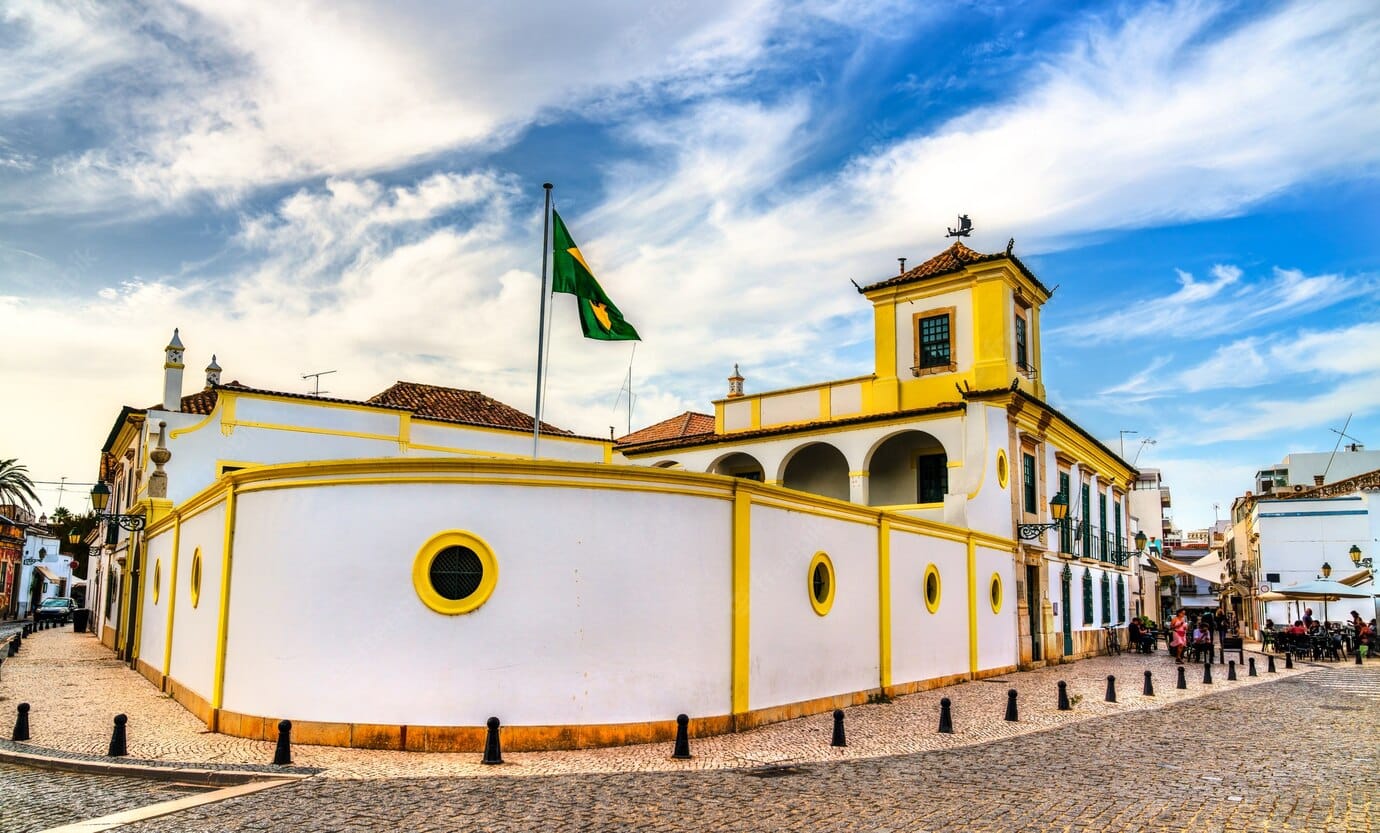
The Consulate-General of Brazil in Lisbon inaugurates the Literary Afternoons project this Wednesday (11), with an event dedicated to inclusion and the presentation of two books.
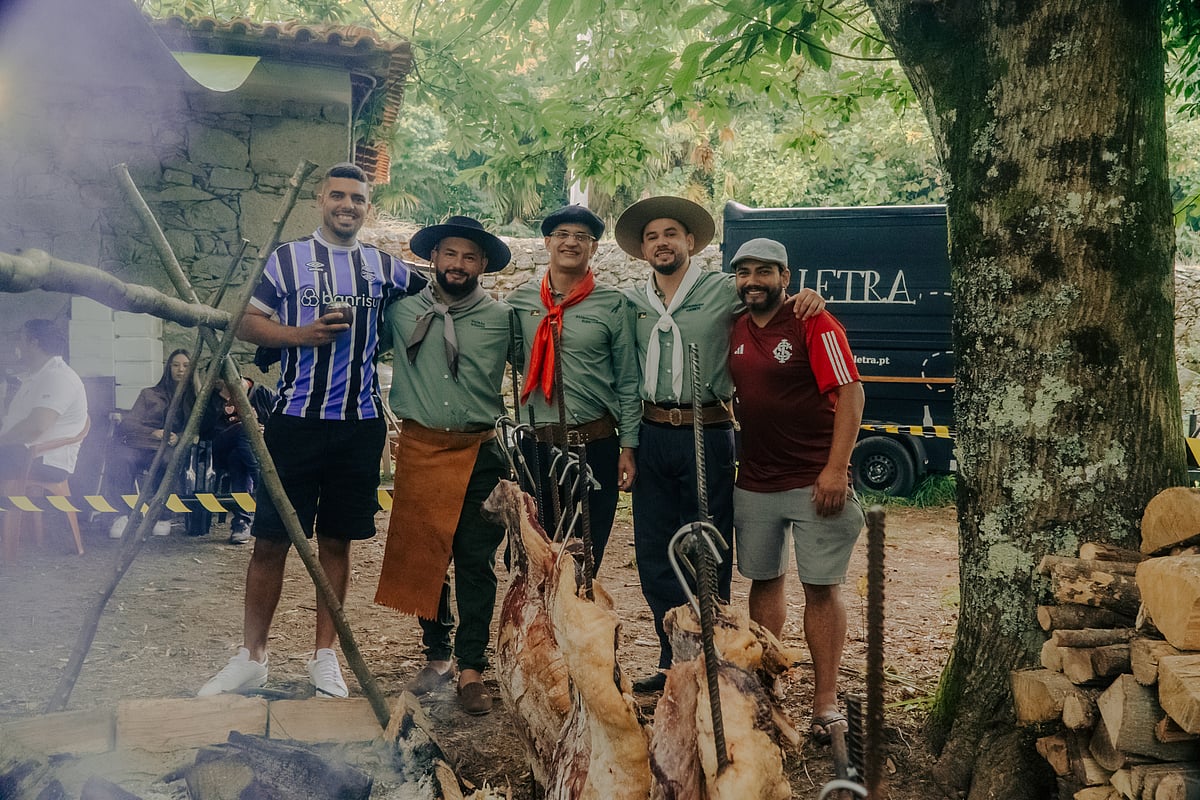
To ease their longing for Brazil, Brazilians who have moved to Portugal make a point of having common items from their former homes, such as a couscous steamer and a barbecue grill.
With a record number of votes, the winners of the Atlantic Star Award were announced on Sunday, March 1st. In this third edition, over 60,000 people voted online. The awards gala at the Sá Bandeira theatre in Porto was also fully booked. Created by entrepreneur Higor Cerqueira, the award has established itself as one of the main cultural and social events for the Brazilian community in Europe, celebrating the journeys of immigrants who have reinvented themselves and made their mark in various fields. “With the Atlantic Star, we show that the immigrant community is organized, relevant, and an active part of European society, contributing with work, culture, and innovation to the countries where they live. We are very happy with the success of another edition of the award,” said Cerqueira. Check out the winners in each category: - Excellence in Services: Tattooanjos - Taste and Gastronomy: Tempero de Mainha - Legal Support: Lawyer Thamyres Farias - Innovation and Entrepreneurship: Elaine Paiva Hair Beauty - Podcast and Information: Podcast História de Imigrante - Immigrant Family in Portugal: Ka em Portugal - Travel: Becca Pires - Education and Self-Development: Nicolly Dias - Lifestyle in Portugal: Talitta Suescun - Immigrant Family in Europe: Bora com Tudo Portugal - Tips across Europe: Mikaelly Albuquerque - Alvorada: Luciana em Portugal - Creative Communication: Kezzia Correa - Humor: Ray Melo - Tips Portugal: Arthur Zenaide
It's surprising how much we learn when we decide to listen and take an interest in what others have to share. I continue to meet women and their life stories during rides in app-based cars. Each trip is an opportunity to view the world from a different perspective, understanding the journey of someone who has also worked hard to be there, heading in that direction. In the last month, I met several Brazilian drivers. We laughed, shared memories, and future aspirations. Different accents carry memories, landscapes, and feelings; they awaken the imagination and curiosity. 'Are you well?' greeted the driver from Minas Gerais as she placed my suitcase in the back of the vehicle. I immediately recognized that warm way of speaking that seems to invite one for coffee with warm pão de queijo. The kind reception already indicated a lively conversation along the way. Whenever I hear that cadence, I remember the year I lived in Contagem (MG) for my postgraduate studies. It was a time of effort, adaptation, and good friendships. Living in Portugal for fifteen years, the driver that afternoon was a woman who forged her own path. She emigrated alone, worked as an elderly caregiver for ten years, and has been driving passengers to their destinations for four years. Despite her ever-present smile, she revealed that she has lost enthusiasm due to the lack of respect and disregard experienced in the Lusitanian lands. 'There’s always someone looking at you sideways. Hatred is more explicit. The media has favoured the exposure of feelings - for better or worse,' she reflected. Another day, I was pressed for time to reach a training session when I was welcomed by a driver from Rio de Janeiro who was born in Aveiro. At 65, she is retired from a long career in law but remains active. She is a professor of Constitutional and Administrative Law, also graduated in Anthropology, and has begun studying immigration. We exchanged views on the well-known attendant law, discussed politics, and how religious factors can mobilise emotions. With her anthropological knowledge, she warned: 'In Sociology, we study the SELF in relation to the OTHER, and when we put a face to that OTHER, it becomes easy to manipulate.' In a way, the carioca from Aveiro conducts a social experiment while interacting with clients, discovering each passenger's ideologies and behaviours in the world. On a trip to a meeting, I met a woman from Pernambuco who has lived in Lisbon for nine years. In Brazil, she worked in sales, and in Portugal, she drives for an app after resuming her career post-maternity. She commented on the differences in commissions offered in both markets - 'Insurance doesn’t pay here.' - and her plans to return to the real estate sector. She navigates life with daily experiences in finding better routes. 'A gentleman prayed over me, and God told me I would change countries,' shared another driver, originally from Goiânia, known as the land of pequi. A story that could be from magical realism but materialised twenty-six years ago, the time she has lived in Lisbon. She has tried to bring her daughter and mother to live together, but neither adapted to the cold climate. 'I don’t see myself there (in Brazil), I love it here,' she explained, recounting the critical situation of her three siblings living in Leiria after the Kristen depression: 'A chaos. You know when there’s a war and it ends? Everything is destroyed.' This Saturday, I met another Brazilian from Paraná, who has lived in Loures for twenty-four years. She emigrated to stay for just two years, tried to return after ten, but couldn’t. 'I found it strange, how can we not adapt to our own country?' she recalled when she briefly returned to Brazil. Now permanently living in Portugal, last year, she took her twelve-year-old son to connect a bit with his roots. 'He is proud to be Brazilian.' We said our goodbyes, and I pondered how it would be to return to Brazil for good. But for now, the only change planned is to a new home. Starting next week, I will begin a period of adaptation within the same land. DN Brasil is a section of Diário de Notícias dedicated to the Brazilian community living or intending to live in Portugal. The texts are written in Brazilian Portuguese.
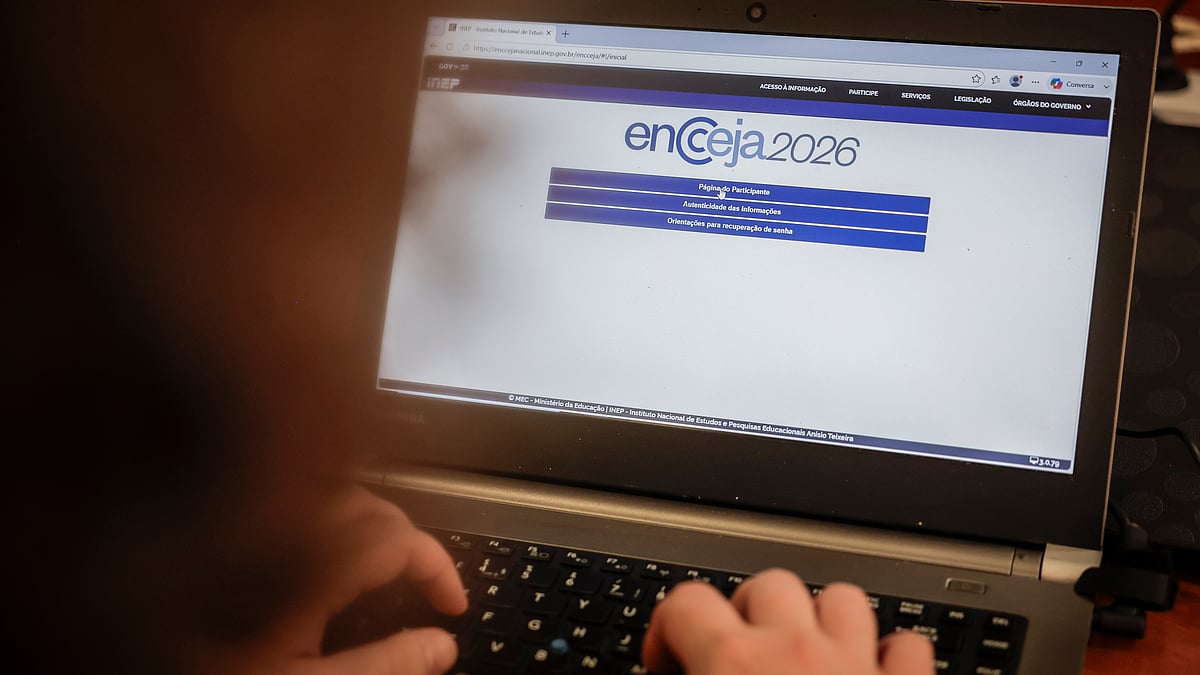
Brazilians living in Portugal who have not completed Primary or Secondary education can sit the Encceja Abroad exam—a Brazilian government certification of basic skills—and a free preparatory course in Lisbon now has registrations open to help candidates prepare. Organisers and participants, including Rejane Lima, stress that the qualification is a valuable asset in the job market and facilitates adaptation to life in Portugal. The initiative is being covered by Radar DN Brasil (a Diário de Notícias segment for the Brazilian community), which airs Fridays at 08:00 on YouTube and Spotify; the next edition airs on Friday 13 February.