Government dismisses Chega's motion of no confidence
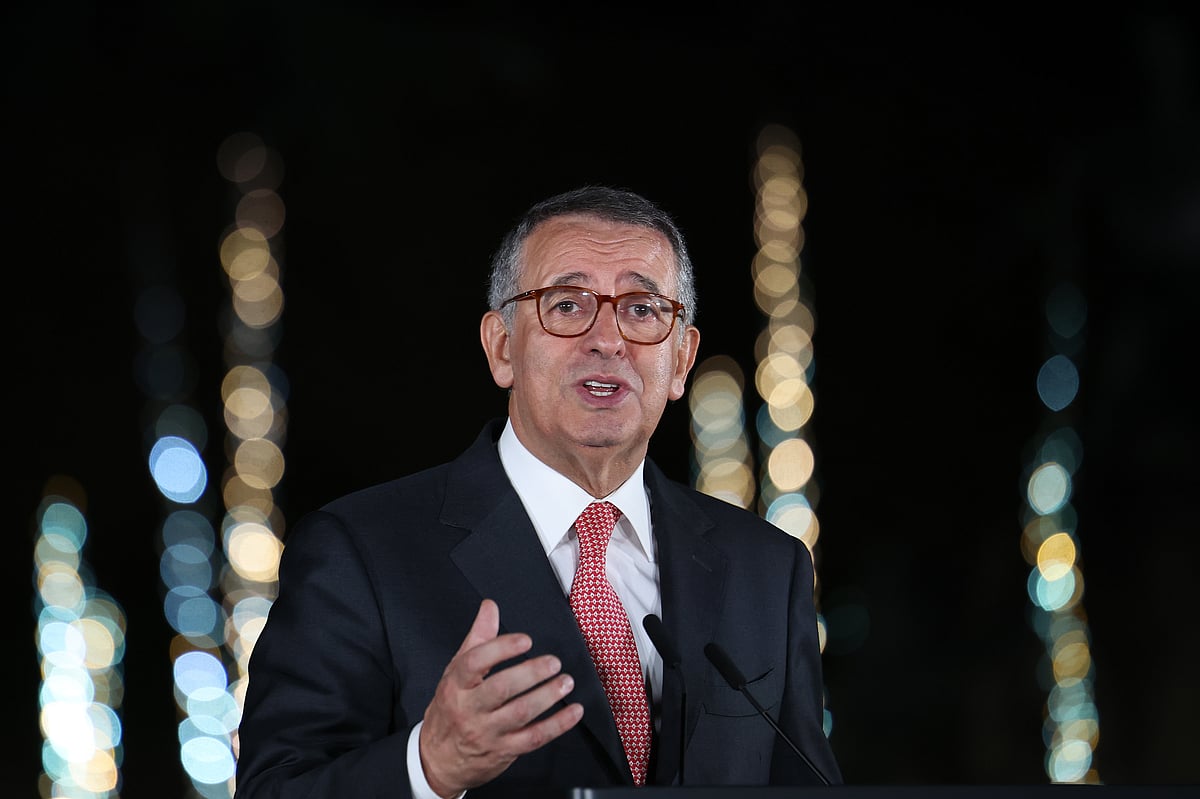
The government has labeled the motion of no confidence presented by the political party Chega as a 'choreography without consequences' that will not affect the executive's stability. Minister of the Presidency António Leitão Amaro maintained that the government does not have any preferred partners for legislative negotiations, despite the upcoming parliamentary debate on the motion.
António Leitão Amaro is Portugal's Minister of the Presidency (Ministro da Presidência) in the government led by Luís Montenegro. He is a key figure in the Social Democratic Party (Partido Social Democrata or PSD) and often is the government's spokesperson. Those following housing and rental policy should note his role in announcing the June 2024 measures regarding evictions and inheritances.

André Ventura, born January 15, 1983, is a lawyer, academic, and Portugal's most prominent far-right leader. He founded Chega ("Enough") in 2019 after his PSD mayoral campaign attacked the Romani community. Chega surged from 1.3% in 2019 to 22.8% in May 2025, becoming parliament's second-largest party and making Ventura Leader of the Opposition.
His platform emphasizes immigration restrictions, law-and-order policies, constitutional reform, and contains inflammatory anti-Romani rhetoric that has triggered multiple discrimination convictions and investigations. Politically classified as far-right by international media, Ventura cultivates alliances with European far-right figures including Marine Le Pen and Santiago Abascal.