Seguro in Madrid: "Portugal needs improvements to be an extraordinary country to work in" - RTP
Seguro discusses the necessary improvements for Portugal to become an exceptional place for employment during his visit to Madrid.
Latest news and stories about expat wellbeing in government in Portugal for expats and residents.
Seguro discusses the necessary improvements for Portugal to become an exceptional place for employment during his visit to Madrid.
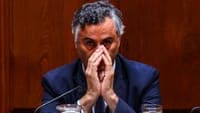
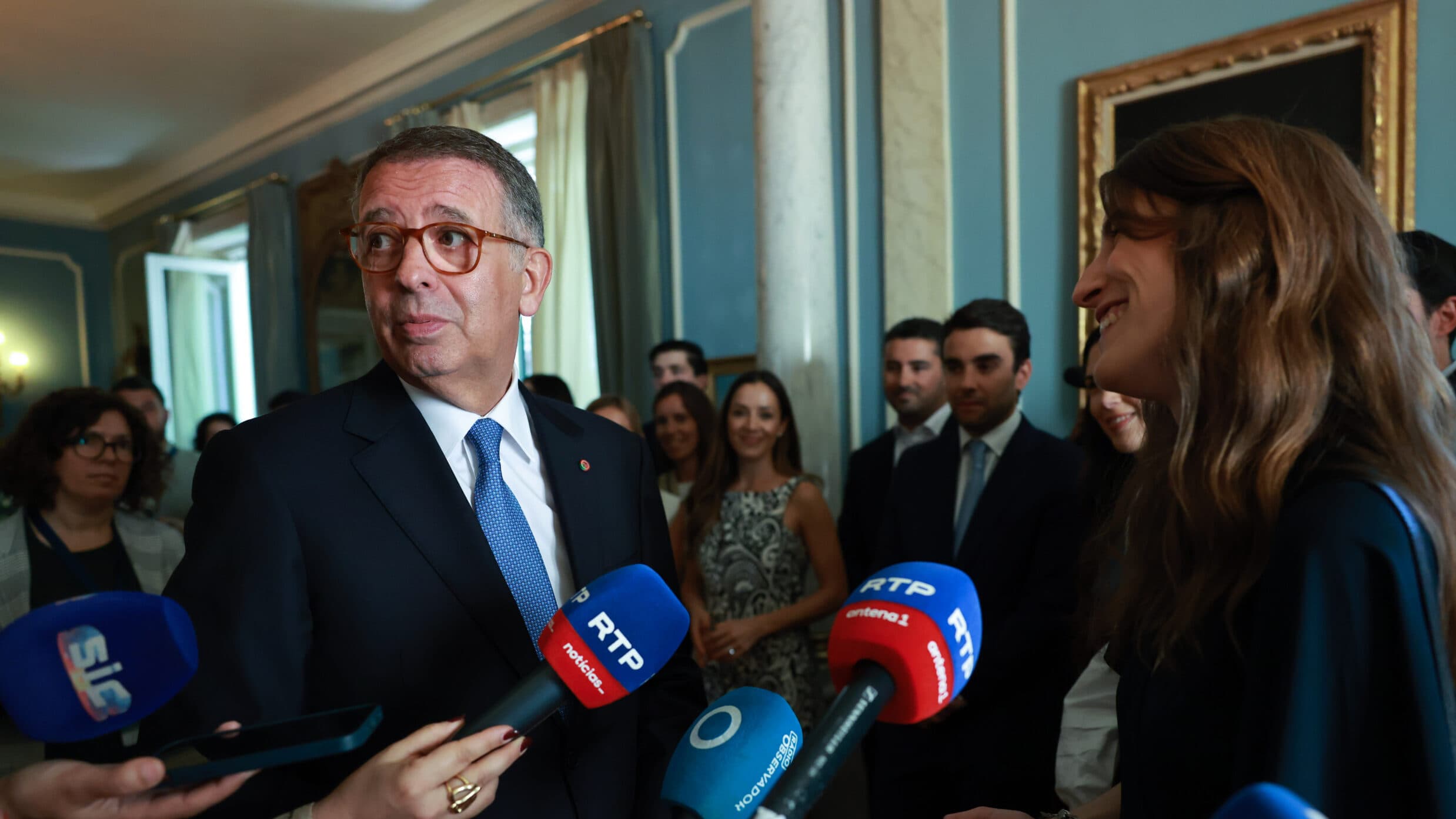
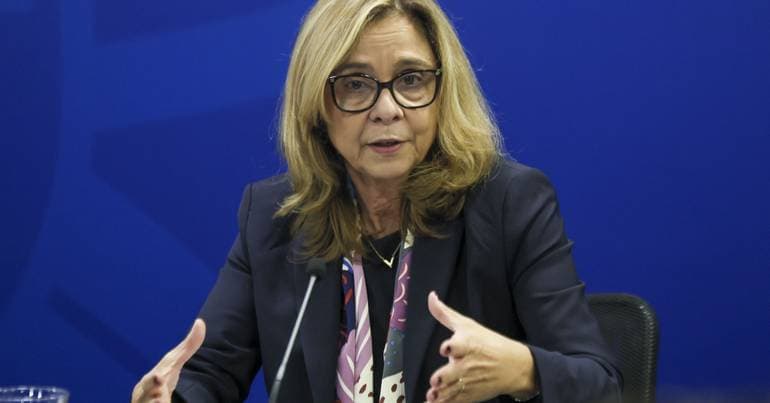
President of the Republic António José Seguro stated during his official visit to Madrid that Portugal must improve career progression and salary conditions to become an extraordinary country to work in. While acknowledging Portugal is an excellent place to live, he urged young expatriates to remain engaged with the country's economic development. He also signaled that the government needs to address these labour issues to retain young talent.

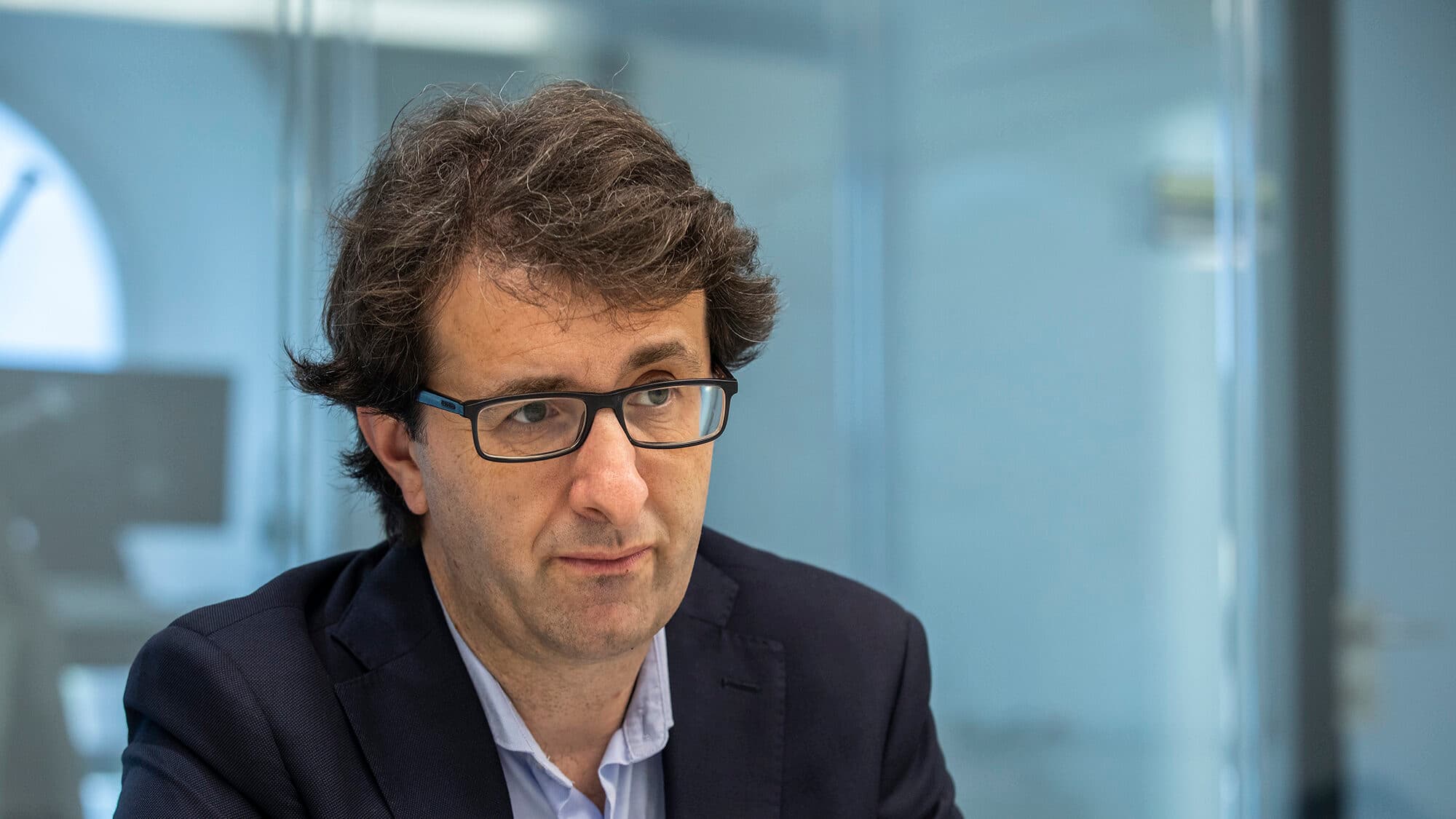
António José Martins Seguro (born March 11, 1962, in Penamacor) is a lawyer, political scientist, and the current President of the Portuguese Republic, inaugurated on March 9, 2026 after winning the two-round presidential election in January–February 2026.
Career: He led Socialist Youth (1990–1994), served as MEP (1999–2001), was Minister Adjunct to PM António Guterres (2001–2002), and led the PS parliamentary group (2004–2005). Elected PS Secretary-General in 2011 with 68%, he led the opposition during Portugal's bailout era. In 2014, António Costa defeated him in party primaries by a landslide, prompting Seguro's resignation and a decade-long retreat from politics. He returned in 2025, launching the movement UPortugal and announcing his presidential candidacy in June. He received official PS backing in October 2025 and won the presidency in February 2026.
Political philosophy: Seguro positions himself as representing a "modern and moderate" left, advocating financial responsibility while opposing austerity. As President, he has emphasized institutional trust, efficient governance, and a collaborative relationship with the government while maintaining rigorous constitutional oversight.

The government has submitted a proposal to the Assembly of the Republic (Assembleia da República) to ratify an agreement with Brazil that simplifies school equivalence for basic and secondary education. Currently, Brazilian students represent nearly half of all foreign pupils in Portuguese public schools. While the agreement addresses primary and secondary levels, it does not yet extend to higher education.

The Assembly of the Republic (Assembleia da República) is Portugal's unicameral parliament, located in the Palácio de São Bento in Lisbon. It consists of 230 deputies elected by proportional representation for four-year terms.
The Assembly's powers include making and amending laws, approving the state budget, ratifying international treaties, and overseeing the government through debates, hearings, and committees. It can also pass votes of no confidence to bring down a government, as happened in March 2025.
Following the May 2025 elections, the current parliamentary composition is led by the Democratic Alliance (AD) with the largest share of seats, followed by Chega, PS, and smaller parties including the Liberal Initiative, Left Bloc, Livre, and PCP.

Socialist Party leader José Luís Carneiro reported that Venezuelan authorities have shown willingness to address the situation of four Luso-Venezuelan political prisoners currently detained in the country. During a meeting in Caracas, José Luís Carneiro expressed the Portuguese government's concern regarding the detainees and the importance of their release. The Luso-Venezuelan community should note that this represents a potential diplomatic opening for families seeking the return of their relatives.

Socialist Party (PS)
Portugal's other traditional major party suffered a historic collapse in the 2025 election, dropping from 78 to 58 seats and falling to third place for the first time in democratic history. The party was led by Pedro Nuno Santos from January 2024 until his resignation following the May 2025 defeat. José Luís Carneiro, a 53-year-old former Minister of Internal Administration known for his moderate positioning within the party, was elected unopposed as the new Secretary-General with 95% of votes in June 2025. The Socialist Party governed Portugal from 2015 to 2024, including an absolute majority from 2022 to 2024 under António Costa, who resigned in November 2023 amid a corruption investigation. The PS previously led the innovative "Geringonça" (contraption) coalition government from 2015-2019, a minority government supported by the Left Bloc and Portuguese Communist Party that reversed austerity measures and presided over economic recovery.
Users who have no contact with the National Health Service (Serviço Nacional de Saúde or SNS) may lose their assigned family doctor (médico de família) starting in June. Separately, health officials are warning foreign mothers to prioritize prenatal care following a report on fetal mortality rates. The National Health Council (Conselho Nacional de Saúde or CNS) also warned that service cuts are already occurring across the country despite growing demand. SNS patients should be aware that regular contact with their health unit is necessary to maintain their registration.

The Central Administration of the Health System (Administração Central do Sistema de Saúde or ACSS) clarified that new registration rules for primary care will not result in patients losing access to the National Health Service (Serviço Nacional de Saúde or SNS). The update aims to clean up patient lists that do not reflect reality and ensure family doctors (médicos de família) can focus on those needing regular care. SNS patients should be aware that these administrative changes are intended to improve service efficiency rather than restrict care.
The Central Administration of the Health System (Administração Central do Sistema de Saúde or ACSS) is updating its records to ensure that public health resources are allocated to those who actually need them. This process involves removing inactive users from lists to better reflect the current population using the National Health Service (Serviço Nacional de Saúde or SNS). SNS patients should be aware that accurate registration is necessary to maintain access to primary care (cuidados de saúde primários).

A new index from the association Equalmed finds Portugal spends the least on pharmaceuticals per citizen among its reference countries and has the lowest equity in access to medicines; the report estimates about 1,577 potentially avoidable deaths annually if Portugal matched France’s access level. The coverage also notes Portuguese households pay a high share of medicine costs out of pocket and that barriers leave serious gaps in availability. The findings come from the Index of Equity in Access to Medication compiled by Equalmed and were reported across national outlets. Those with chronic conditions or who regularly buy prescriptions should check cost‑sharing rules and ask their GP about alternatives.
Equalmed is a Portuguese non-profit association that researches access to medicines, drug pricing and pharmaceutical spending. Its recent study found Portugal has the lowest pharmaceutical expenditure per citizen among reference countries and estimated 1,577 deaths from treatable conditions in one year linked to access gaps; its findings feed debates that can affect drug prices and prescription costs.
The Index of Equity in Access to Medication (Índice de Equidade no Acesso a Medicamentos) is a measure used in the Equalmed study to compare how fairly countries fund and price medicines. It uses indicators such as per‑capita drug spending, the share of the health budget on medicines and price‑setting practices to rank countries, which helps policymakers spot gaps that may affect availability and patient outcomes.
Power outages around Monte Redondo, in the Leiria district, are conditioning access to healthcare: a local clinic has reverted to handwritten prescriptions and services are operating with limits, RTP reports. The disruption follows recent electrical-network failures linked to bad weather and has forced some patients to change plans or seek alternative providers. Those in the area should call ahead to clinics or health posts and keep written prescriptions if a pharmacy visit is needed.

The President of the Republic, Marcelo Rebelo de Sousa, has promulgated a decree from the Assembly establishing an extraordinary process to clear pending cases at medical boards that assess incapacity, RTP and Correio da Manhã report. The move aims to reduce long delays for incapacity decisions and speed up benefit or employment-related outcomes for affected people. Those awaiting medical-board (juntas médicas) rulings should track notices from the health ministry and the boards handling their case.

Electoral Mandate and Democratic Consensus:
Marcelo Rebelo de Sousa was elected President of Portugal on January 24, 2016, winning 52.0% of the vote in the first round—a decisive victory in a fragmented field. He campaigned as an independent, positioning himself as a unifying figure after years of austerity from Portugal's 2011–14 bailout, promising to repair political divisions and restore national confidence. His campaign emphasized moderation and cross-party consensus, a departure from his decades-long association with the center-right Social Democratic Party (PSD). Upon taking office on March 9, 2016, he suspended his party membership for the duration of his presidency.
His 2021 re-election proved extraordinary: Rebelo de Sousa secured 60.7% of the vote—the third-highest margin in Portuguese presidential electoral history since the 1974 Carnation Revolution. Historically, he became the first candidate ever to win in all 308 municipalities and the vast majority of parishes, ranging from 51.3% in Beja District to 72.16% in Madeira. This unprecedented sweep reflected his broad appeal across social, geographic, and ideological divides.
Constitutional Role and Crisis Leadership:
Portugal operates as a semi-presidential system where the president, while largely ceremonial, exercises meaningful influence over national security, foreign policy, and military affairs as Supreme Commander of the Armed Forces. Rebelo de Sousa leveraged this authority during Portugal's response to the COVID-19 pandemic. In March 2020, he requested parliamentary authorization for a state of emergency—the first nationwide declaration in 46 years of democratic history—to contain the crisis. He voluntarily quarantined after potential COVID-19 exposure in March 2020, and later tested positive in January 2021 while remaining asymptomatic. His measured handling of the pandemic, balancing public health with institutional continuity, contributed to his landslide 2021 re-election.
Diplomatic Engagement and International Presence:
Rebelo de Sousa has conducted extensive state visits representing Portugal's interests across diverse regions: the Vatican, Spain, Mozambique, Morocco, Brazil, Switzerland, Cuba, the United Kingdom, Greece, the United States, and Angola. A notable diplomatic highlight occurred in 2019 when he joined President Emmanuel Macron at the Bastille Day military parade in Paris, representing European military cooperation and the European Intervention Initiative. These engagements positioned Portugal as an active participant in global affairs, particularly regarding colonial history and Atlantic security partnerships.
Colonial Legacy and Historical Accountability:
During his presidency, Rebelo de Sousa has publicly supported making restitution and acknowledging abuses committed during Portugal's colonial history and the country's role in the Atlantic slave trade. This position marked a significant policy shift, as Portugal historically avoided confronting its imperial past compared to other European powers. His stance reflected evolving attitudes within Portuguese society toward historical accountability.
Controversies and Public Criticism:
Rebelo de Sousa's presidency has not been without controversy. In 2023, allegations emerged that he had intervened to expedite treatment for Brazilian twins with Zolgensma, an expensive rare disease medication, raising questions about presidential influence and potential corruption. These claims implicated his son and generated criticism across Portuguese political and media sectors. Additionally, in April 2024, Rebelo de Sousa made controversial remarks comparing the speed of Prime Ministers António Costa and Luís Montenegro using orientalist language that drew public rebuke. In August 2025, he called U.S. President Donald Trump a "Russian asset" at a PSD event, demonstrating his willingness to make provocative foreign policy statements.
Constitutional Constraints and Legacy:
Under Portugal's constitution, Rebelo de Sousa is barred from running for a third consecutive term, meaning his presidency concludes with elections scheduled for January 18, 2026. His decade-long tenure has established him as one of Portugal's most popular recent heads of state, characterized by broad consensus-building and institutional stability. Whether future presidents can replicate his cross-party appeal remains an open question for Portuguese democracy as it enters a new era.
An junta médica (medical board) is a panel of doctors who produce formal reports to assess medical incapacity, disability, sick leave or fitness for procedures; those reports are used by Social Security and courts to decide benefits and legal outcomes. Backlogs in junta médica decisions can delay payments, access to treatment or surgery, so the president's recent decree to clear pending cases aims to speed up those assessments; residents awaiting decisions should check the status with Social Security (Segurança Social) or their treating doctor.
The President of the Republic (Presidente da República) is Portugal's head of state, elected by direct popular vote for a five-year term, renewable once. The role is largely ceremonial but carries significant reserve powers that become crucial during political crises.
Key presidential powers include: appointing the Prime Minister (based on election results and parliamentary consultations), dissolving the Assembly of the Republic and calling new elections, vetoing legislation (which parliament can override), referring laws to the Constitutional Court, and declaring states of emergency.
The President also represents Portugal internationally, serves as Commander-in-Chief of the armed forces, and plays a moderating role in political disputes. António José Seguro has served as President since March 2026, following the two-round presidential election in January 2026.

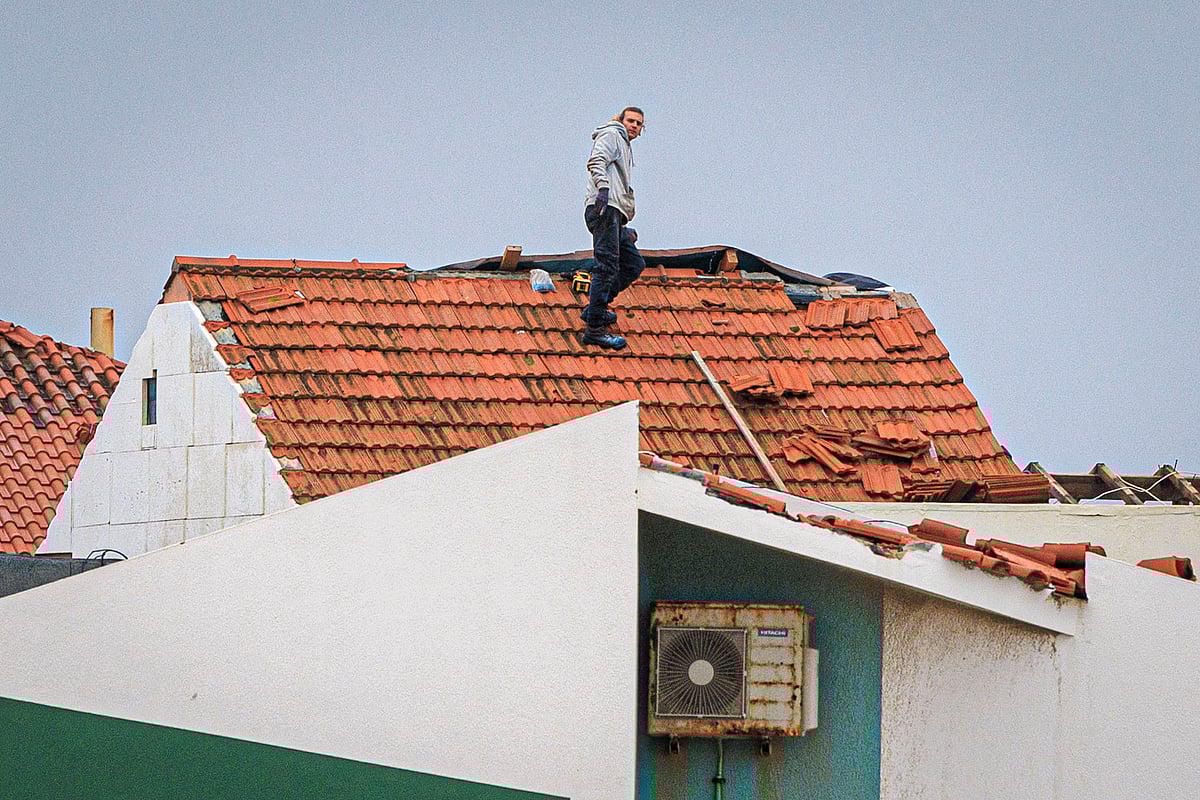
The government-appointed coordinator for the response to storm Kristin (tempestade Kristin) said the extreme weather affecting about 60 municipalities may be “the largest contemporary natural catastrophe” in the country and estimated losses could reach €6 billion. Paulo Fernandes, named to lead on-the-ground coordination, warned of substantial recovery needs and urged fast, organised support for displaced families and damaged infrastructure. Residents and property owners in affected areas should follow municipal notices and expect inspections, aid applications and potential temporary measures.
Update: How to request state disaster aid
A new guide published by national outlets explains eligibility and the application steps for state disaster assistance, setting out who can apply and what documentation is required. The coverage is practical: affected households and businesses are being told where to submit claims and which municipal or central-government services to contact as recovery programmes are set up.

Storm Kristin was a named Atlantic storm that struck Portugal in late 2024, bringing heavy rainfall, strong winds (gusts exceeding 100 km/h in some areas), and significant coastal wave action. The storm caused widespread flooding, roof collapses, fallen trees, and power outages across several districts.
IPMA issued orange and red warnings for affected regions, and ANEPC activated emergency response plans. The impact was particularly severe in flood-prone areas of the Lisbon metropolitan area and the Tagus and Mondego river basins, where drainage systems were overwhelmed.
Storm Kristin highlighted recurring vulnerabilities in Portugal's infrastructure during extreme weather events — including urban drainage capacity, riverbank management, and the need for updated emergency response coordination. Residents in storm-affected areas were advised to follow civil protection guidance, avoid coastal zones and riverbanks, and report damage through municipal services.
A state of calamity (situação de calamidade) is the highest level of civil emergency Portugal can declare under its Civil Protection framework, short of a constitutional state of emergency. It is typically declared by the government in response to severe natural disasters such as major wildfires, floods, or storms.
A calamity declaration activates the National Civil Protection Emergency Plan, mobilizes additional resources, and grants authorities expanded powers to restrict movement, requisition private property, and deploy military assets. It also unlocks emergency financial support for affected populations and municipalities.
Portugal uses a three-tier alert system: alerta (alert), contingência (contingency), and calamidade (calamity), each with escalating levels of coordination and authority. The state of calamity requires coordination between the national government, ANEPC, local authorities, and emergency services.

Correio da Manhã reports Almada set up a support office after severe weather and landslides forced 476 people from their homes. The municipality is coordinating temporary shelter and assistance for those affected while monitoring further slope stability risks. Residents in the area should follow municipal guidance and local emergency updates.

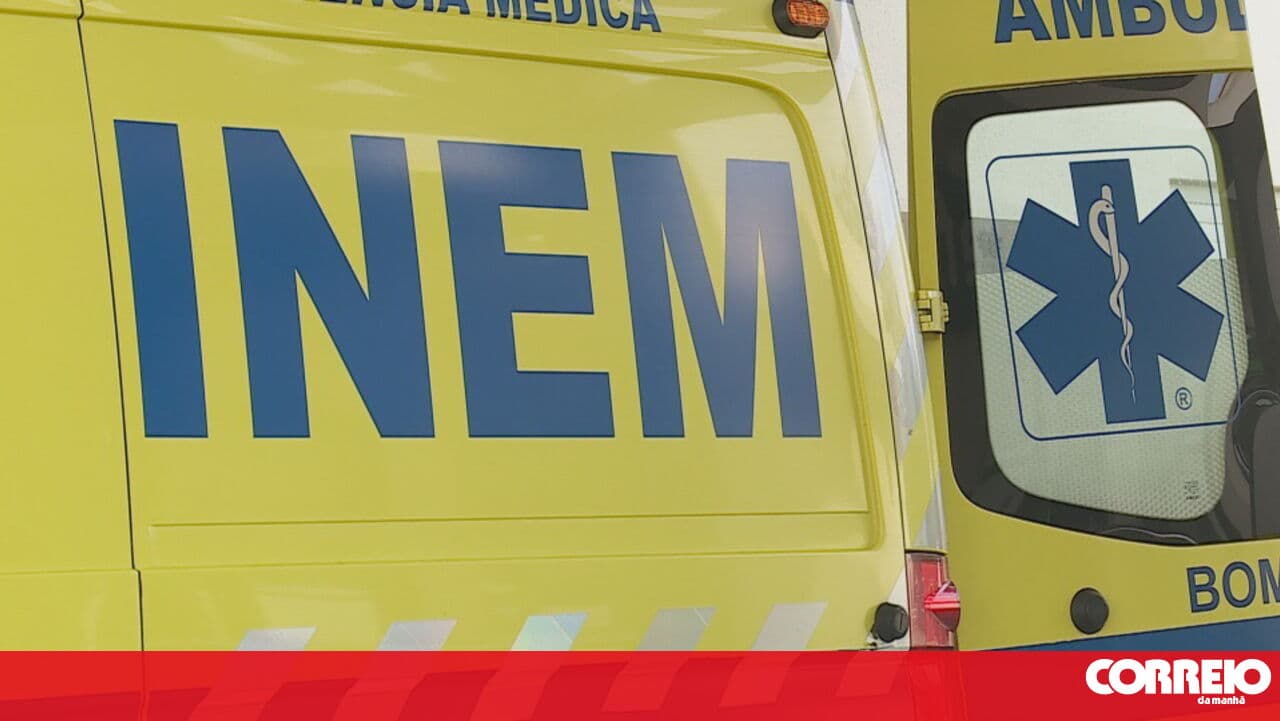
Correio da Manhã and Observador report the Firefighters' League said it received inadequate notice about how services would operate during a strike by INEM staff, raising concerns about emergency coverage. The dispute involves the National Institute of Medical Emergency (Instituto Nacional de Emergência Médica or INEM) and the Firefighters' League (Liga dos Bombeiros). Residents in affected areas should monitor local emergency-service announcements until the dispute is resolved.
Update: Firefighters say strike notice on services insufficient
Both Correio da Manhã and Observador quote the Liga dos Bombeiros saying the notice about how services would be organised during the INEM action was inadequate, heightening worries about gaps in emergency coverage.

INEM (Instituto Nacional de Emergência Médica) is Portugal's national emergency medical service, responsible for coordinating and providing pre-hospital emergency care. It operates the country's emergency medical dispatch system, activated through the European emergency number 112.
INEM deploys ambulances (including basic and advanced life support units), medical helicopters (VMER), and motorcycle response units across Portugal. It also manages the CODU (Centro de Orientação de Doentes Urgentes) — the emergency call centers that triage incoming 112 calls and dispatch the appropriate medical response.
INEM has faced persistent challenges including ambulance shortages, staffing gaps (particularly among emergency medical technicians), and long response times in rural areas. These issues have made INEM a frequent subject of political debate, with calls for better funding, improved working conditions, and expanded coverage. Residents should know that calling 112 connects to INEM's triage system, and knowing your exact location speeds up emergency response.
The Portuguese Firefighters' League (Liga dos Bombeiros Portugueses) is a national, non-governmental association that represents and coordinates many of Portugal’s fire brigades—particularly volunteer corps—and advocates for training, equipment and fire-safety policy. It frequently engages with government and the media on emergency-response standards and resource needs, so expats should know it can influence local fire services, public safety campaigns and how mutual aid is organised in their municipality.

E-Redes reports roughly 11,000 customers in the areas hit by storm 'Kristin' were still without electricity as of 08:00, with the company urging caution and providing local updates. The figure covers affected localities and may change as crews restore lines and inspect damage. If you live in the affected areas, check E-Redes outage maps, follow local safety guidance and prepare for possible short-term supply interruptions. Homeowners with damage should document it for insurers and contact their electricity supplier.
Update: Público confirms 11,000 without electricity
Público reports the same E-Redes snapshot, saying about 11,000 customers remained without power in affected localities as of 08:00; restoration crews continue inspections and repair work.

E-Redes (formerly EDP Distribuição) is the company that operates Portugal's low- and medium-voltage electricity distribution network, serving over 99% of mainland Portugal. It is a subsidiary of EDP (Energias de Portugal), the country's largest energy utility.
E-Redes is responsible for maintaining power lines, substations, and transformers; connecting new customers and solar panels to the grid; reading meters; and restoring power after outages. It operates under a concession granted by the Portuguese government and is regulated by ERSE (Entidade Reguladora dos Serviços Energéticos).
During storms and extreme weather, E-Redes coordinates emergency repair crews to restore electricity supply. Residents can report outages and check restoration timelines through the E-Redes website or app. The company is also central to Portugal's energy transition, managing the integration of growing rooftop solar and electric vehicle charging into the distribution grid.

Storm Kristin was a named Atlantic storm that struck Portugal in late 2024, bringing heavy rainfall, strong winds (gusts exceeding 100 km/h in some areas), and significant coastal wave action. The storm caused widespread flooding, roof collapses, fallen trees, and power outages across several districts.
IPMA issued orange and red warnings for affected regions, and ANEPC activated emergency response plans. The impact was particularly severe in flood-prone areas of the Lisbon metropolitan area and the Tagus and Mondego river basins, where drainage systems were overwhelmed.
Storm Kristin highlighted recurring vulnerabilities in Portugal's infrastructure during extreme weather events — including urban drainage capacity, riverbank management, and the need for updated emergency response coordination. Residents in storm-affected areas were advised to follow civil protection guidance, avoid coastal zones and riverbanks, and report damage through municipal services.

The Portuguese Insurance Association (APS) said more than 100,000 claims have been filed after the recent bad weather, with about half reported in the last week. APS added that roughly 75% of cases have already seen initial assessment, advance payments or partial/total settlements, while others await documentation. Policyholders seeking payouts should contact their insurer promptly and check what documentation is needed for fast processing.
Update: APS says half of claims filed in recent week
Dinheiro Vivo and Observador report APS data showing just over 100,000 claims were filed (with about 50% lodged in the most recent week) and that roughly 75% of cases have received some assessment, advance payment or settlement; outstanding files are mainly waiting for paperwork.
The Portuguese Insurance Association (Associação Portuguesa de Seguradores) is the industry trade body that represents insurers in Portugal, collects sector data and speaks with government and the media after major events. On 14 February 2026 it reported more than 100,000 claims from recent bad weather (about half reported in the previous week); policyholders should contact their insurer promptly and check their cover and claims process.