

PSD enables Chega proposal for video recording in TVDE vehicles
The PSD has approved a Chega proposal to mandate video recording in TVDE vehicles, while also allowing taxis to operate as TVDE and removing dynamic fare caps.
publico.pt

Latest news and stories about tvde in finance in Portugal for expats and residents.
The PSD has approved a Chega proposal to mandate video recording in TVDE vehicles, while also allowing taxis to operate as TVDE and removing dynamic fare caps.
The PSD parliamentary group has tabled a bill to amend TVDE rules so that taxis can operate under TVDE, caps on dynamic fares would be removed, vehicles such as tricycles and quadricycles could be used, and passengers could be subject to ratings. The proposal would further blur the regulatory distinction between traditional taxis and app-based ride-hailing, increase fare volatility through unconstrained dynamic pricing, and broaden the fleet types competing on platforms. Key implications include questions over safety, insurance and enforcement for non‑standard vehicles, the effects of passenger ratings on access and fairness, and the need for regulatory safeguards to protect drivers and consumers.

400 vouchers worth 25 euros will be awarded to TVDE drivers who complete more than 250 km in Bolt trips between this Monday and April 5th, as a support measure in response to rising fuel prices.
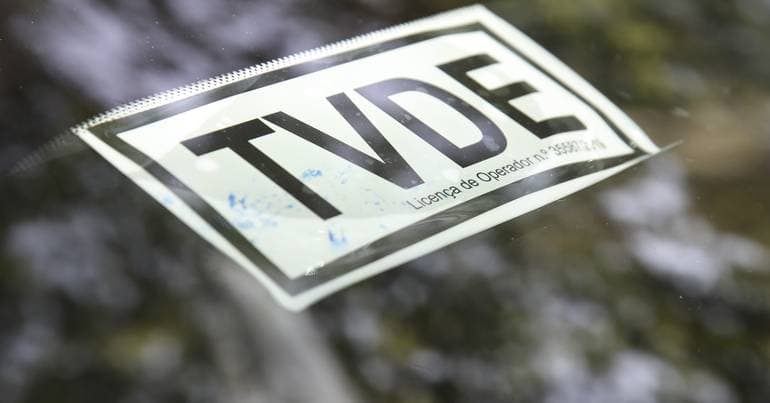
Bolt has announced an initiative to support TVDE drivers by distributing 400 fuel vouchers, each worth 25 euros, to those who meet specific activity criteria between March 30 and April 5. Drivers who complete over 250 km in trips during the campaign period will receive the vouchers automatically in the Bolt Driver app, with priority given to those with the highest number of trips. Beneficiaries must activate a promotional code in the Ryd partner app to access the balance, which is deducted at the pump. This measure is part of a broader partnership with Ryd offering additional discounts of up to 0.15 euros per litre. Mário de Morais, General Manager of Bolt Portugal, stated that the initiative aims to support drivers amid rising fuel costs. Additionally, Bolt highlighted that 43% of its fleet in Portugal is now electric, helping to reduce exposure to fuel price volatility. This announcement coincides with government measures to mitigate the impact of rising fuel prices, including tax discounts and subsidies for various sectors, effective from April 1 to June 30. Meanwhile, drivers have criticised Uber and Bolt for failing to adjust fares in response to the fuel price hikes.
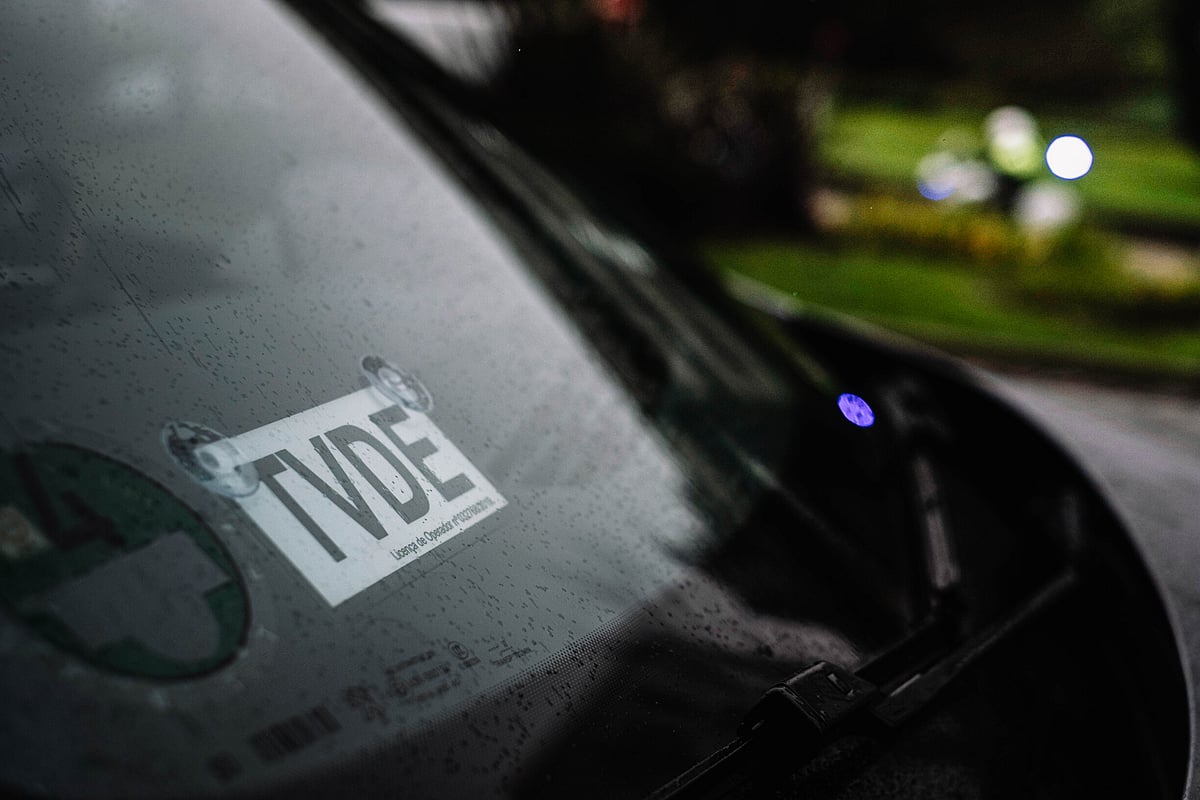
The TVDE drivers' association considers the platforms' stance on the fuel situation caused by the war in the Middle East to be “incomprehensible”.

The Portuguese Association of Unmarked Vehicle Transport Operators (APTAD) has accused Uber and Bolt of refusing to adjust fares despite an abrupt rise in fuel costs. APTAD president Ivo Miguel Fernandes stated that the recent 30-cent-per-litre increase in diesel prices is severely impacting drivers and operators. The association argues that the platforms' refusal to adjust prices shows a disconnect from economic reality and a lack of respect for workers. APTAD is calling for structural changes, including a minimum occupancy rate for platforms to prevent market saturation. Bolt has acknowledged the drivers' concerns and is evaluating measures to mitigate the impact, while Uber has yet to respond.