An analytical look at the financial pressures of childcare costs in the UK, prompting a family to weigh the trade-offs of a significant salary reduction in exchange for a better work-life balance in Portugal.
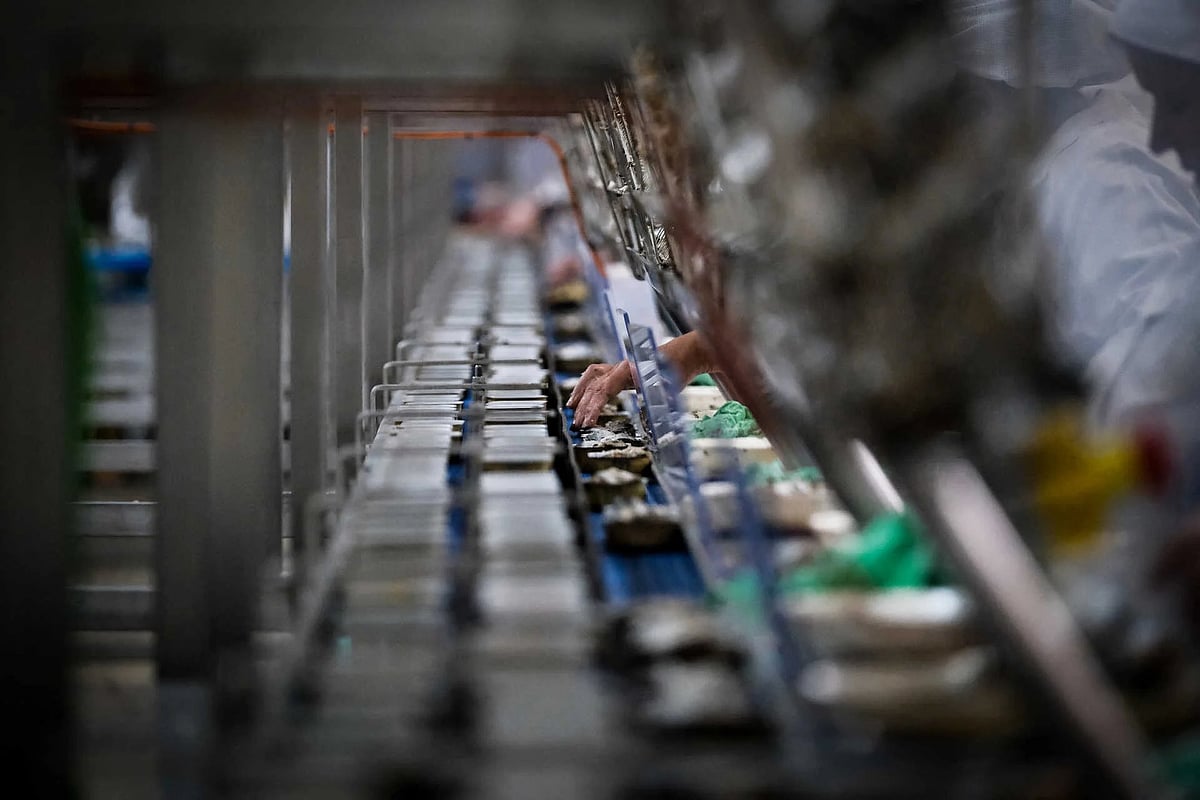
Portugal's tight labour market and historic employment levels are forcing companies to tap the over-55 workforce, particularly in food, manufacturing, hospitality, logistics and contact centres. Eurofirms reports increased demand for senior profiles, greater openness to flexible hours to improve work–life balance, and a mix of domestic and foreign hires (34% of 216 active outsourced employees are foreign, 63 are over 55). The shift is seen as essential for business growth amid sectoral shortages; Eurofirms recorded a 13% revenue increase to €619 million in the last fiscal year.
Every year, the media is filled with advice on how to survive 'post-vacation syndrome' and boost productivity upon returning to work. This article argues that this is not a clinical condition but a common malaise that reveals deeper truths about our lives. By medicalizing this discomfort, we treat it as a malfunction to be fixed rather than a message to be heard. Drawing on Freudian and Winnicottian psychoanalysis, the text explores how work often serves as a defense mechanism against reality and how vacations, by removing that defense, force us to confront aspects of our lives we usually ignore. Ultimately, the author suggests that instead of just looking for ways to return 'better,' we should listen to what this discomfort says about the lives we lead.
A reflection on the fragility of health in leadership, prompted by a friend's sudden health crisis. The author argues that leaders often neglect their own well-being, mistakenly believing they are indispensable, and suggests that a leader's health should be treated as a strategic asset and a key indicator of organizational sustainability.
We live in a society that has never produced so many tools to optimise time, accelerate processes, and increase productivity. However, there is a silent, growing feeling that thinking has become more difficult. Not necessarily due to a lack of intellectual capacity, but because of the progressive erosion of the mental availability needed to sustain attention, depth, and cognitive clarity. The new...
The same technology that keeps us tied to the office can be used to protect our rest. Learn how to configure your mobile phone and watch to keep holiday stress at bay.
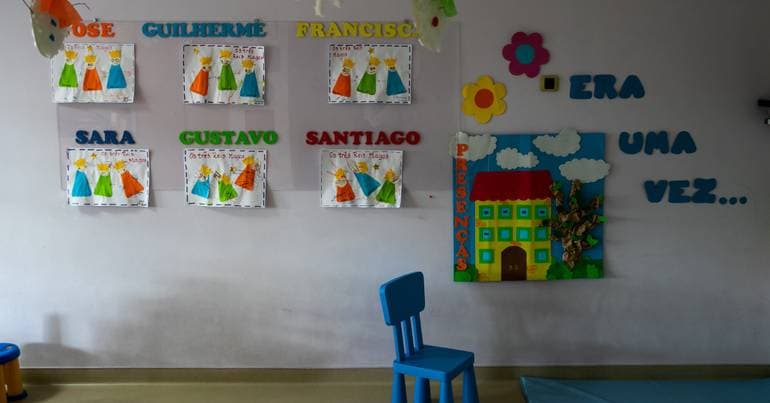
For children, holidays represent rest, freedom, and discovery. For many parents, they bring a very concrete dilemma: where will my child stay while I am at work?
With 58% of children up to 3 years old in formal education — compared to 40.5% in the EU —, the ACPEEP guarantees that daycare centres open for more than 11 hours serve families working in healthcare, transport, and catering.
Balancing professional and personal life remains more challenging for working women who are mothers (or grandmothers) than for working men who are fathers (or grandfathers). According to data released this Tuesday by the National Statistics Institute, about one in four of the...
There is a scene almost everyone recognises: being at home with our children while simultaneously being elsewhere, our attention divided by emails and messages. This constant availability, driven by the demands of modern work, is eroding the small, seemingly insignificant moments that build deep connections with our children. Research links this 'incomplete presence' to lower family cohesion and increased depressive symptoms in adolescents, yet the deeper, long-term cost is the regret parents feel when they realise they were present for everything except what truly mattered. While the pressure to be always-on is a systemic issue rather than an individual failing, acknowledging what is being lost is the first step toward becoming more attentive.
Being present has increasingly become a luxury and a privilege. While years ago the luxury was having more time, today the challenge is dedicating full attention to a task for an extended period. Our capacity for focus is becoming extinct, as we are constantly bombarded by digital stimuli that train us to be distracted. This shift affects both personal life and the workplace, where the pressure for immediate availability and constant responsiveness hinders deep thinking, analysis, and reflection. Organizations must now prioritize protecting their teams' attention by reducing unnecessary meetings, encouraging asynchronous work, and creating distraction-free environments to improve both productivity and employee well-being.
Many professionals are rethinking the role of work in their lives. Not everyone takes the leap, but the ability to 'change one's life' can bring gains for both the employee and the employer.
Over the last 50 years, Portugal has dropped from being the country with the second-highest proportion of children in the EU to the fourth-lowest. Data released by the Francisco Manuel dos Santos Foundation via Pordata highlights a historic shift linked to economic factors and changing family structures. Currently, children under 10 make up only 9.8% of the population, down from 22% in 1975. The report also notes that Portuguese children spend significantly more time in schools and daycare facilities than the European average, reflecting the high weekly working hours of their parents.
The study 'Fatherhood in Portugal 2026' shows how men have changed in relation to their children: four out of five reject the idea that childcare is solely the mother's responsibility, but there is still much to change. In their careers, mothers are still the most penalised.
Our brain, in its enormous complexity, is often the stage for dramatic characters, fascinating casts, and perfect settings for the unfolding of a true soap opera. In the professional world, the screenwriters are, much more often than we imagine, our hormones – and not our rational decisions. Let us start with dopamine, responsible for motivation, for...
For years I tried to rigidly separate work and personal life. The concept of work-life integration changed the way I rest, work, and live. A column by Helena Martins
Pedro Lourenço, president of the BH supermarket chain in Brazil, has successfully implemented Sunday closures for his stores in Espírito Santo, reporting increased employee satisfaction and reduced staff turnover. The article contrasts this with the situation in Portugal, where political parties have rejected proposals to close large retail spaces on Sundays and public holidays, despite successful examples of such policies in countries like Austria, Germany, and the UK. The author argues that Portugal should reconsider its stance to better support work-life balance, suggesting that looking to Brazil for progressive labour practices could be a valuable lesson.
Maysa Guimarães Leite, Bianca Bastos, and Patrícia Lemos celebrate Mother's Day in Brazil this Sunday (10/05) with more time for their children after launching their own businesses.
Hybrid work is well accepted in Portugal, but what is valued most – above salary itself – is the possibility of balancing work with personal life, according to a JLL report.
An analysis of the Portuguese work culture, which often prioritizes long hours over productivity. The author argues that by calculating our hourly wage, we can better evaluate the true cost of sacrificing personal time, health, and family life for the sake of staying late at the office.
Carlsberg, a brand integrated into the Super Bock Group portfolio in Portugal, invites its consumers to “Leave the Danish way”, that is, to adopt a more balanced lifestyle inspired by Danish culture — where well-being and work-life balance are a priority. “Leaving the Danish way: can life...
For a long time, the debate on the hybrid model was conducted primarily from the companies' perspective: productivity, control, and results. In recent years, the conversation has shifted, and for the better. Today, talking about hybrid work means talking about balance, well-being, and quality of life. But proving that this model works requires going beyond...
A listener feels exhausted by an obsessive relationship with work. They wake up in the early hours reviewing tasks and feel that this is sabotaging their family life.
Messages, emails, and phones available 24/7 contribute to a widespread belief that everything is urgent. Our brains are becoming exhausted, our bodies are getting sicker, yet the praise for fatigue seems to persist. Last year, the STADA Health Report, based on surveys in 23 European countries, revealed that over half of Portuguese people (61%) feel exhausted or at risk of burnout. More than a third (36%) face mental health issues, but only 3% seek therapy. These alarming figures have been on the rise, with women (71%) more prone to burnout than men (60%). There is also a significant generational gap: 75% of Europeans under 34 report feelings of exhaustion, compared to 71% of those aged 35 to 54 and only 53% of those 55 and older. Warnings from the World Health Organization and national professionals have multiplied. We live in constant stimulation, with little time to rest amidst everything vying for our attention. Our cities are always lit and noisy; we have artificial lights at home, screens on our phones, computers, and televisions filled with notifications; we sleep little—36% of Portuguese people sleep 6 hours or less per night, ranking among the lowest in Europe. The costs to our physical and mental health are enormous: stress, anxiety, and burnout lead to cardiovascular diseases, making each person experiencing these symptoms a ticking time bomb. We are more irritable at home, at work, and with friends. We take medication to manage anxiety, to sleep, to wake up. Yet, the trend is to applaud constant fatigue, constant productivity, and long working hours. Doing nothing has become synonymous with laziness in a society heavily influenced by the American business style, which suggests that 80-hour work weeks are the path to happiness. We are surprised that more young people suffer heart attacks and strokes, yet we fail to connect our constant stress with these outcomes. It is urgent to prioritise rest periods. We must normalise not responding to every message, email, and phone call as they come in. We need to learn to put down our phones when we get home and enjoy being with people without simultaneously looking at the outside world. We must normalise the need to stop, breathe, and be free from stimuli so that body and soul can recover and be healthy again. We need to normalise peace and quiet, knowing that they are as essential for success—whatever that may be—as work and intense stimulation.
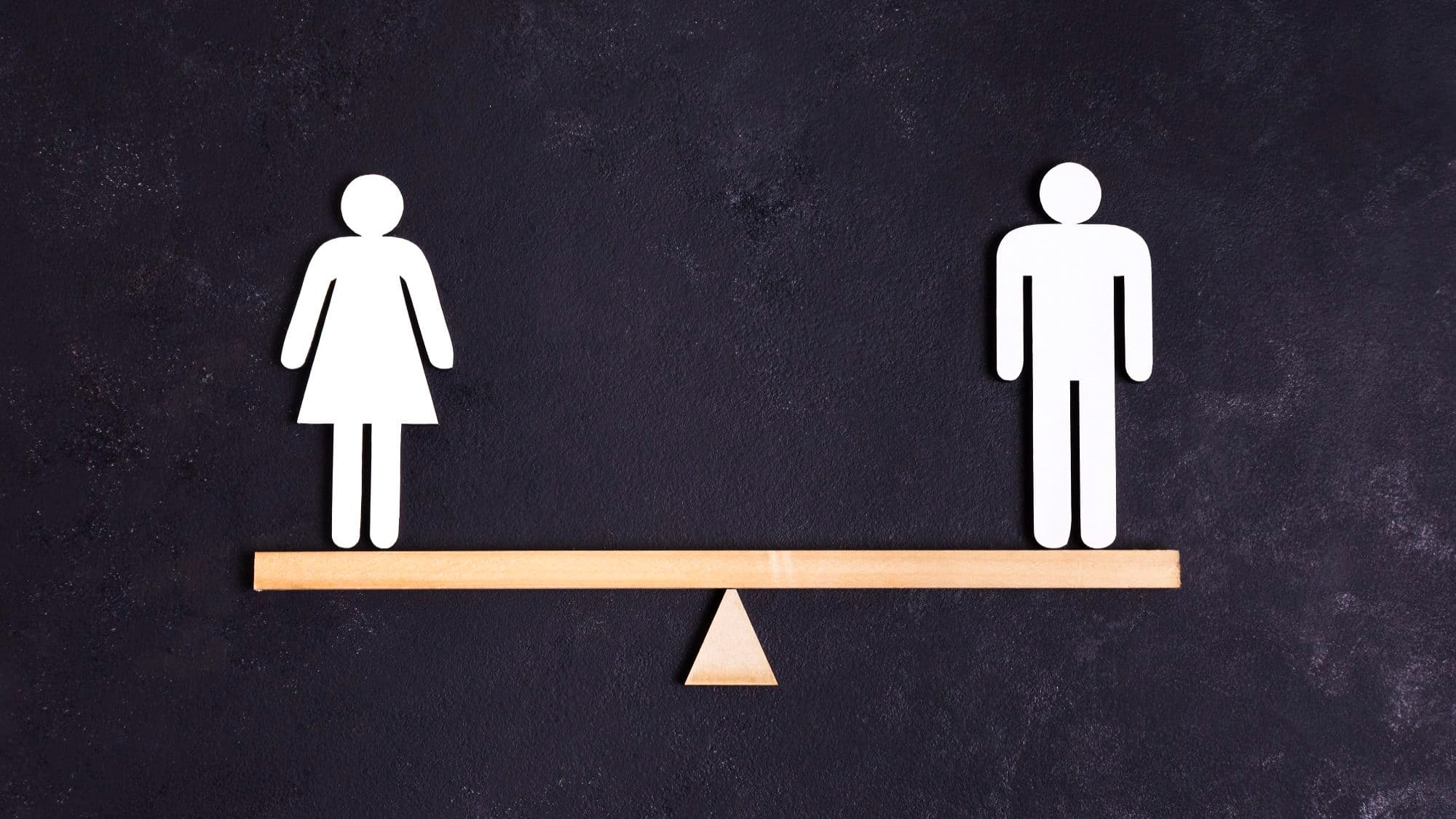
Times have changed, gender equality has gained a place on the agenda and the statistics even show progress, but women continue to be penalised in how time is divided. They still spend more time than men on unpaid domestic work and devote less time to paid work, thus harming their ...