For a long time, the debate on the hybrid model was conducted primarily from the companies' perspective: productivity, control, and results. In recent years, the conversation has shifted, and for the better. Today, talking about hybrid work means talking about balance, well-being, and quality of life. But proving that this model works requires going beyond...
A listener feels exhausted by an obsessive relationship with work. They wake up in the early hours reviewing tasks and feel that this is sabotaging their family life.
Messages, emails, and phones available 24/7 contribute to a widespread belief that everything is urgent. Our brains are becoming exhausted, our bodies are getting sicker, yet the praise for fatigue seems to persist. Last year, the STADA Health Report, based on surveys in 23 European countries, revealed that over half of Portuguese people (61%) feel exhausted or at risk of burnout. More than a third (36%) face mental health issues, but only 3% seek therapy. These alarming figures have been on the rise, with women (71%) more prone to burnout than men (60%). There is also a significant generational gap: 75% of Europeans under 34 report feelings of exhaustion, compared to 71% of those aged 35 to 54 and only 53% of those 55 and older. Warnings from the World Health Organization and national professionals have multiplied. We live in constant stimulation, with little time to rest amidst everything vying for our attention. Our cities are always lit and noisy; we have artificial lights at home, screens on our phones, computers, and televisions filled with notifications; we sleep little—36% of Portuguese people sleep 6 hours or less per night, ranking among the lowest in Europe. The costs to our physical and mental health are enormous: stress, anxiety, and burnout lead to cardiovascular diseases, making each person experiencing these symptoms a ticking time bomb. We are more irritable at home, at work, and with friends. We take medication to manage anxiety, to sleep, to wake up. Yet, the trend is to applaud constant fatigue, constant productivity, and long working hours. Doing nothing has become synonymous with laziness in a society heavily influenced by the American business style, which suggests that 80-hour work weeks are the path to happiness. We are surprised that more young people suffer heart attacks and strokes, yet we fail to connect our constant stress with these outcomes. It is urgent to prioritise rest periods. We must normalise not responding to every message, email, and phone call as they come in. We need to learn to put down our phones when we get home and enjoy being with people without simultaneously looking at the outside world. We must normalise the need to stop, breathe, and be free from stimuli so that body and soul can recover and be healthy again. We need to normalise peace and quiet, knowing that they are as essential for success—whatever that may be—as work and intense stimulation.
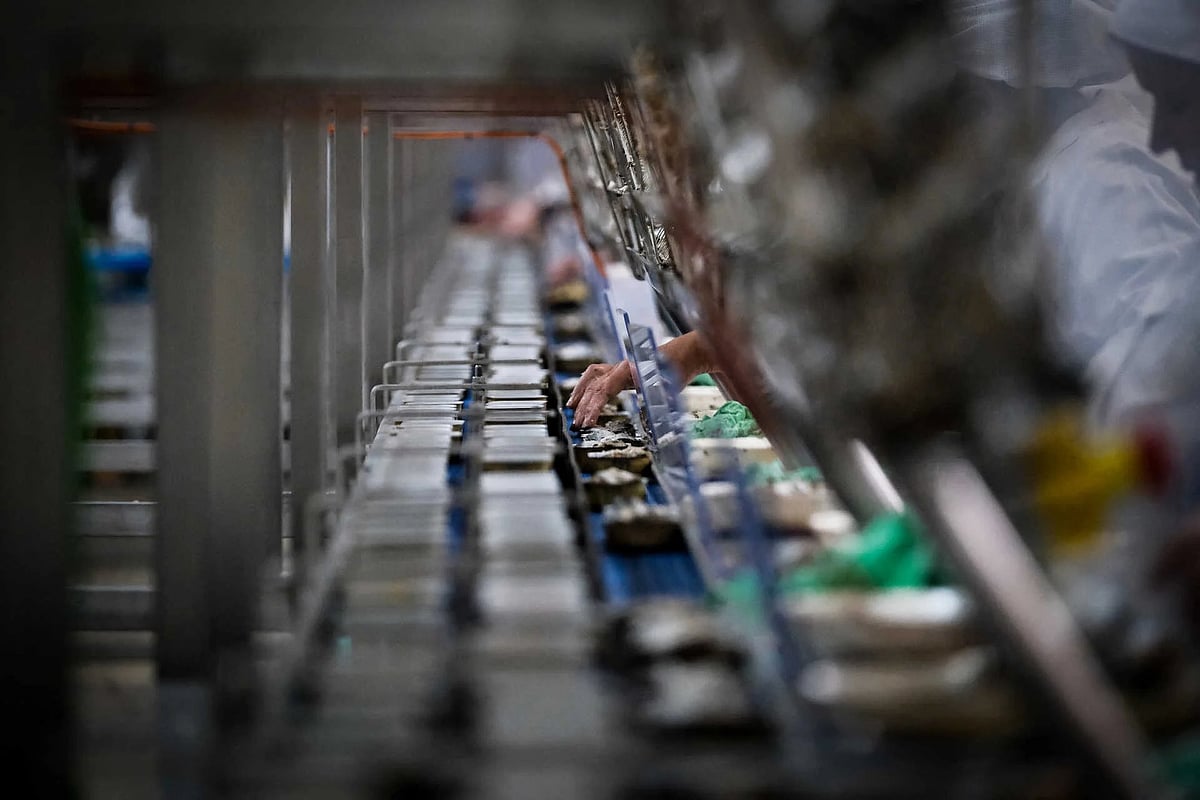
Portugal's tight labour market and historic employment levels are forcing companies to tap the over-55 workforce, particularly in food, manufacturing, hospitality, logistics and contact centres. Eurofirms reports increased demand for senior profiles, greater openness to flexible hours to improve work–life balance, and a mix of domestic and foreign hires (34% of 216 active outsourced employees are foreign, 63 are over 55). The shift is seen as essential for business growth amid sectoral shortages; Eurofirms recorded a 13% revenue increase to €619 million in the last fiscal year.
Times have changed, gender equality has gained a place on the agenda and the statistics even show progress, but women continue to be penalised in how time is divided. They still spend more time than men on unpaid domestic work and devote less time to paid work, thus harming their ...
The 2x playback speed on WhatsApp, the speed with which we demand immediate responses and the constant Wi‑Fi connection leave us increasingly anxious. We need time not to reply and to switch off.
Between the urgency of the news and a mother’s perspective, Sara Pinto emphasises that motherhood has changed the way she sees journalism and the world. A conversation about time and the emotion that transforms those who report the news.
The pilot project involves 13 public administration services over six months and aims to assess the impact of reduced working hours on the productivity and well-being of teams and employees.
The Government of the Azores today launched a pilot project for a four-day working week in the public administration, which will involve 400 workers from 13 services and examine the consequences of reducing weekly working hours to 32. “This pilot project, in terms of labour flexibility in the regional public administration of the Azores, which we call a four-day ...”
Whether in a fine-dining restaurant or a local tavern, sous chefs play a fundamental role in life in the kitchen. Speaking to Observador, they disclose the responsibilities they take on and their desire for a calmer life.