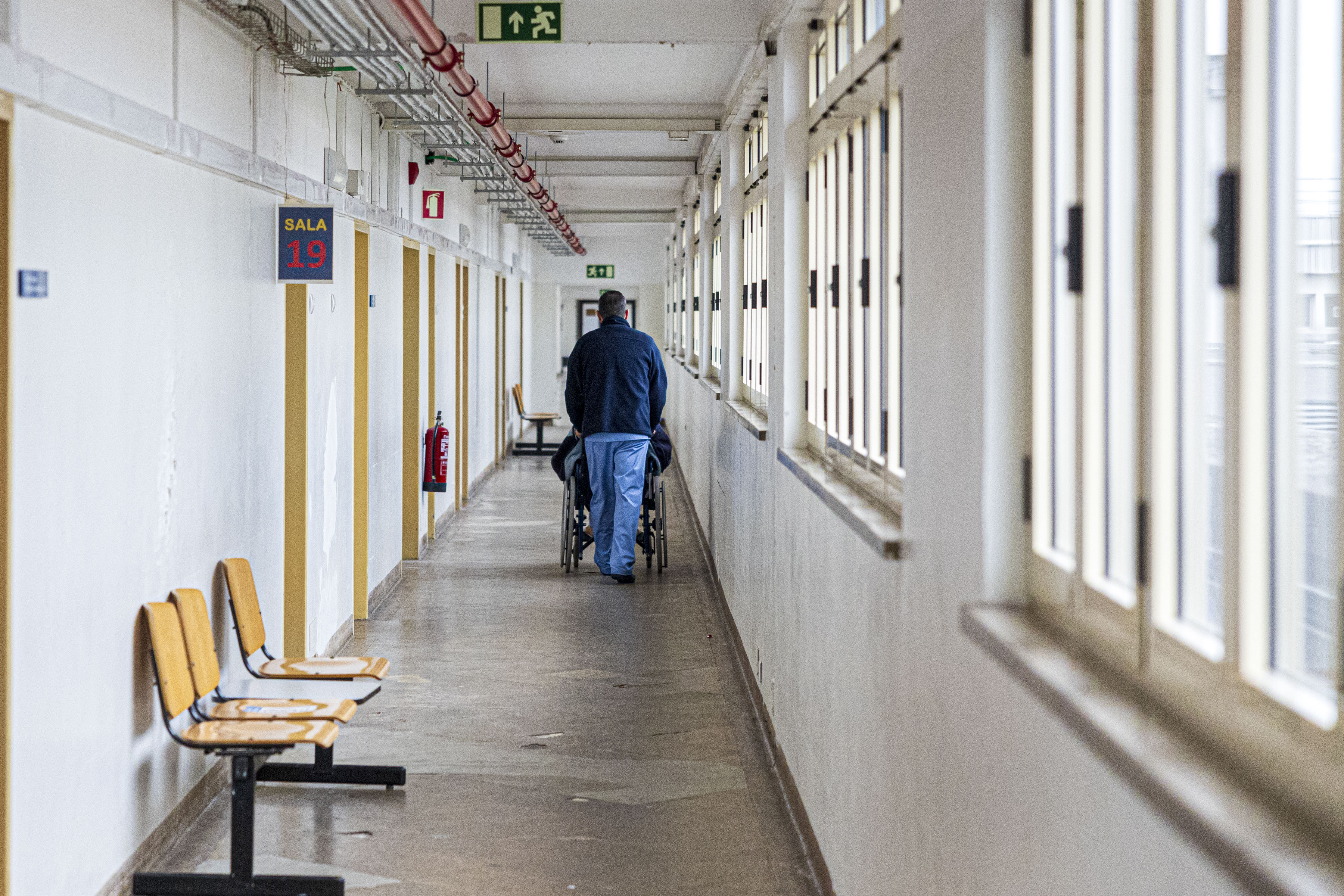
Messages, emails, and phones available 24/7 contribute to a widespread belief that everything is urgent. Our brains are becoming exhausted, our bodies are getting sicker, yet the praise for fatigue seems to persist. Last year, the STADA Health Report, based on surveys in 23 European countries, revealed that over half of Portuguese people (61%) feel exhausted or at risk of burnout. More than a third (36%) face mental health issues, but only 3% seek therapy. These alarming figures have been on the rise, with women (71%) more prone to burnout than men (60%). There is also a significant generational gap: 75% of Europeans under 34 report feelings of exhaustion, compared to 71% of those aged 35 to 54 and only 53% of those 55 and older. Warnings from the World Health Organization and national professionals have multiplied. We live in constant stimulation, with little time to rest amidst everything vying for our attention. Our cities are always lit and noisy; we have artificial lights at home, screens on our phones, computers, and televisions filled with notifications; we sleep little—36% of Portuguese people sleep 6 hours or less per night, ranking among the lowest in Europe. The costs to our physical and mental health are enormous: stress, anxiety, and burnout lead to cardiovascular diseases, making each person experiencing these symptoms a ticking time bomb. We are more irritable at home, at work, and with friends. We take medication to manage anxiety, to sleep, to wake up. Yet, the trend is to applaud constant fatigue, constant productivity, and long working hours. Doing nothing has become synonymous with laziness in a society heavily influenced by the American business style, which suggests that 80-hour work weeks are the path to happiness. We are surprised that more young people suffer heart attacks and strokes, yet we fail to connect our constant stress with these outcomes. It is urgent to prioritise rest periods. We must normalise not responding to every message, email, and phone call as they come in. We need to learn to put down our phones when we get home and enjoy being with people without simultaneously looking at the outside world. We must normalise the need to stop, breathe, and be free from stimuli so that body and soul can recover and be healthy again. We need to normalise peace and quiet, knowing that they are as essential for success—whatever that may be—as work and intense stimulation.