Confession, confiscation and coercion: the new criminal paradigm
An analytical examination of how modern penal reforms are shifting criminal proceedings away from legal guarantees toward a system defined by arbitrary coercion and confession.

Latest news and stories about human rights in daily life in Portugal for expats and residents.
An analytical examination of how modern penal reforms are shifting criminal proceedings away from legal guarantees toward a system defined by arbitrary coercion and confession.

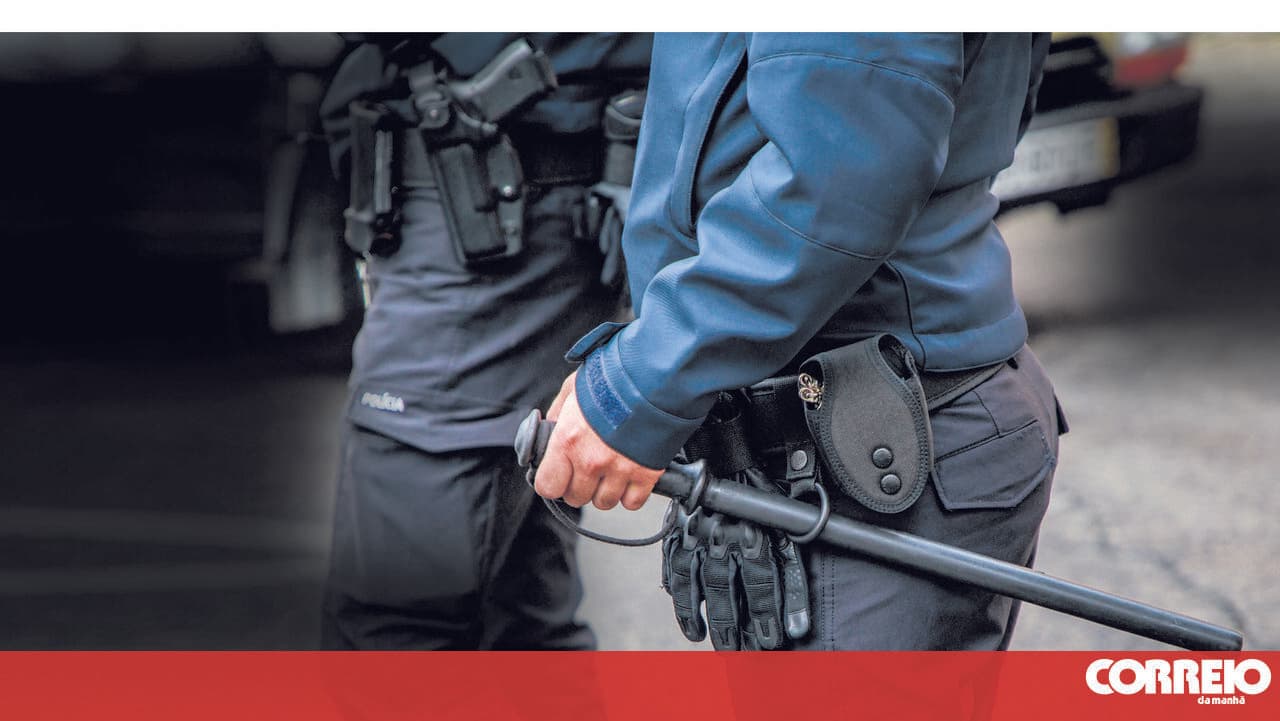
The Public Prosecutor's Office alleges that more than ten officers assaulted detainees at two Lisbon police stations and that images of alleged torture were shared among over 70 police officers. Two people have been formally identified as suspects in the alleged torture inquiry, and the prosecution's file describes ten particularly violent assaults. The allegations raise serious criminal and human-rights concerns and the investigation is ongoing.

An analysis of how economic and social rights have been sidelined in Europe, arguing that true democracy requires more than just civil and political liberties. The article explores the historical division of human rights treaties, the impact of neoliberal policies on the welfare state, and the urgent need to reclaim the right to a dignified life as a fundamental human right rather than a political preference.

A new guide designed to combat hate speech is being released in Portugal today.
91% of Portuguese people recognise frequent discrimination against people with disabilities. Experts warn: the problem is structural and begins long before explicit insults.

True justice begins with the delicacy of concrete care and the courage to build a city where everyone, without exception, has the right to a face. Opinion by João Emanuel Diogo

I do not accept that ageing in Portugal has to be a choice between loneliness at home, or depersonalisation in a hospital corridor or a room in a residential care home.

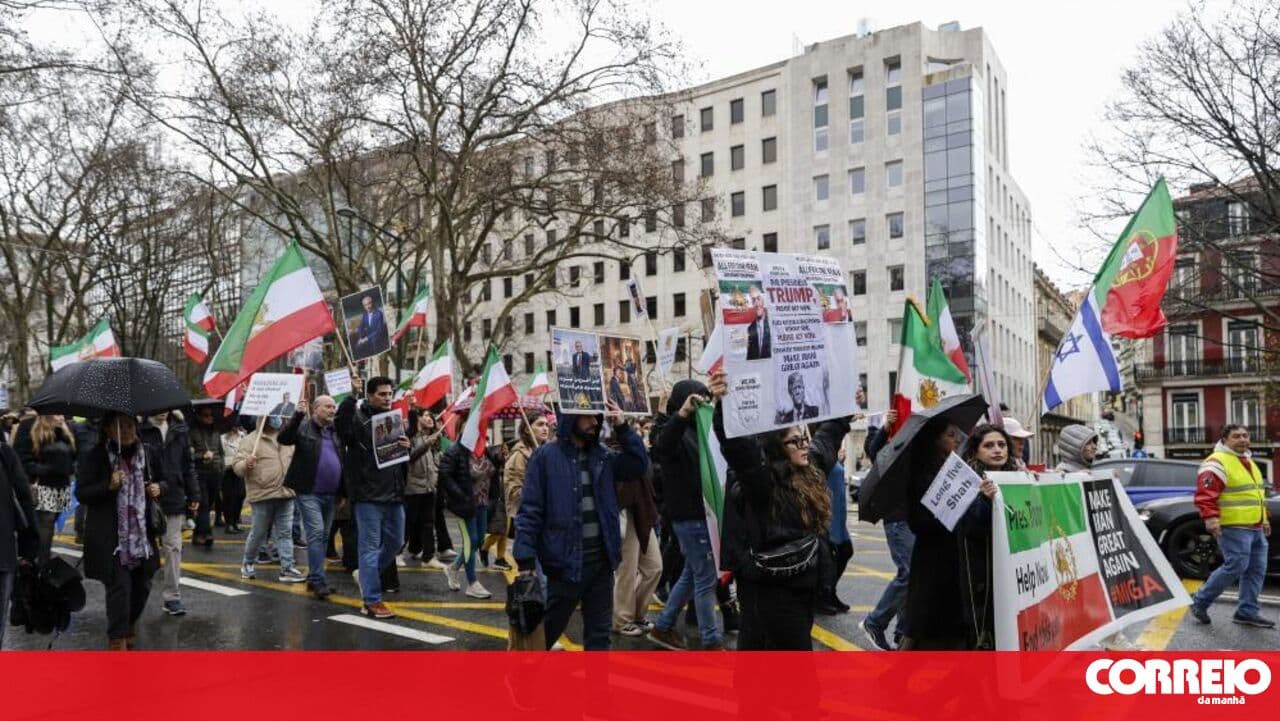
More than 200 people also called on the international community to intervene to halt the 'Iranian holocaust'.
The repression of the protests in Iran has already caused thousands of deaths.

Recognition of Crown Prince Reza Pahlavi as an interlocutor for a democratic transition is one of the demonstrators' demands.
The leadership of the PSP says it will be even more committed in response to allegations of torture, adding that the alarm bells have sounded louder.

Guns held to victims' heads, beatings, hair forcibly cut. It was the PSP itself that, when it received a complaint about one of the cases, referred it to the Public Prosecutor's Office.

This article describes alleged crimes committed by PSP officers against several people, including homeless individuals. Two police officers have been charged, aged 22 and 26 — they face 36 offences and were remanded in custody. The Public Prosecutor's Office suspects the involvement of more officers and the existence of further cases beyond those already identified. The officers shared images of the crimes in WhatsApp groups; one group had 69 participants. WARNING: THIS ARTICLE CONTAINS EXPLICIT DESCRIPTIONS AND LANGUAGE

News this week that two young PSP police agents are in preventive custody charged with a range of hideous offences against vulnerable people (the homeless/ drug addicts and immigrants) may The post PSP ‘torture duo’ may just be tip of ugly iceberg appeared first on Portugal Resident.

The Public Prosecutor's Office accused two PSP officers of torture and rape, allegedly targeting mainly drug users, homeless people and foreigners.

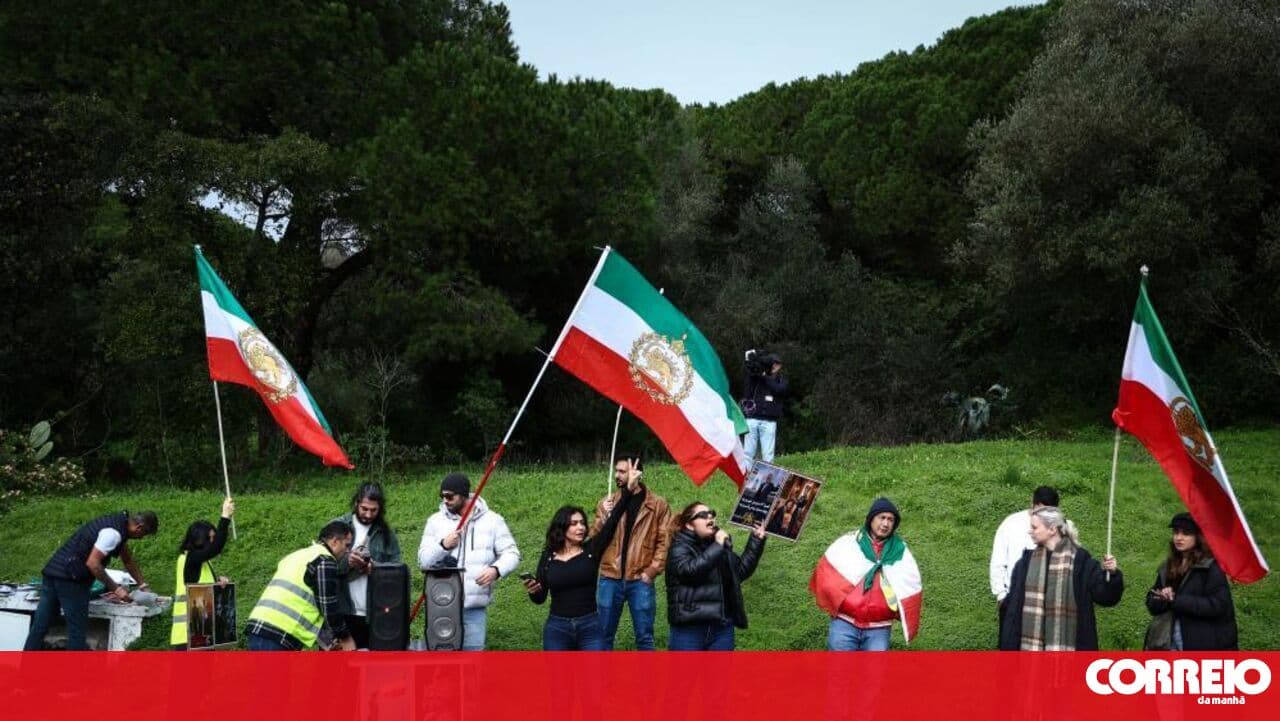
A protest outside the Iranian embassy in Lisbon demanded freedom for the Iranian people and the end of the Islamic Republic. About two hundred people gathered on Sunday, including at least a hundred Iranians living in Portugal. Those present say the country and their compatriots in Iran are held hostage by the regime and called for international support — from the Portuguese, but also from the United States and Israel — to end the religious dictatorship in place for 47 years. Alongside calls for freedom, some Iranians made a point of burning photographs of Ayatollah Ali Khamenei, while other protesters exchanged kisses — a gesture that would be forbidden if they were in the Islamic Republic of Iran.

The Luso-Iranian organiser behind Sunday's demonstration appeals for a “global partnership” to halt what he says is a human-rights issue.