How the electoral process works up to the second round
When ballot papers will be issued, when the campaign begins, when early voting and voting abroad will take place, and how much the candidates will receive. For the second time, there will be presidential elections that proceed to a second round.
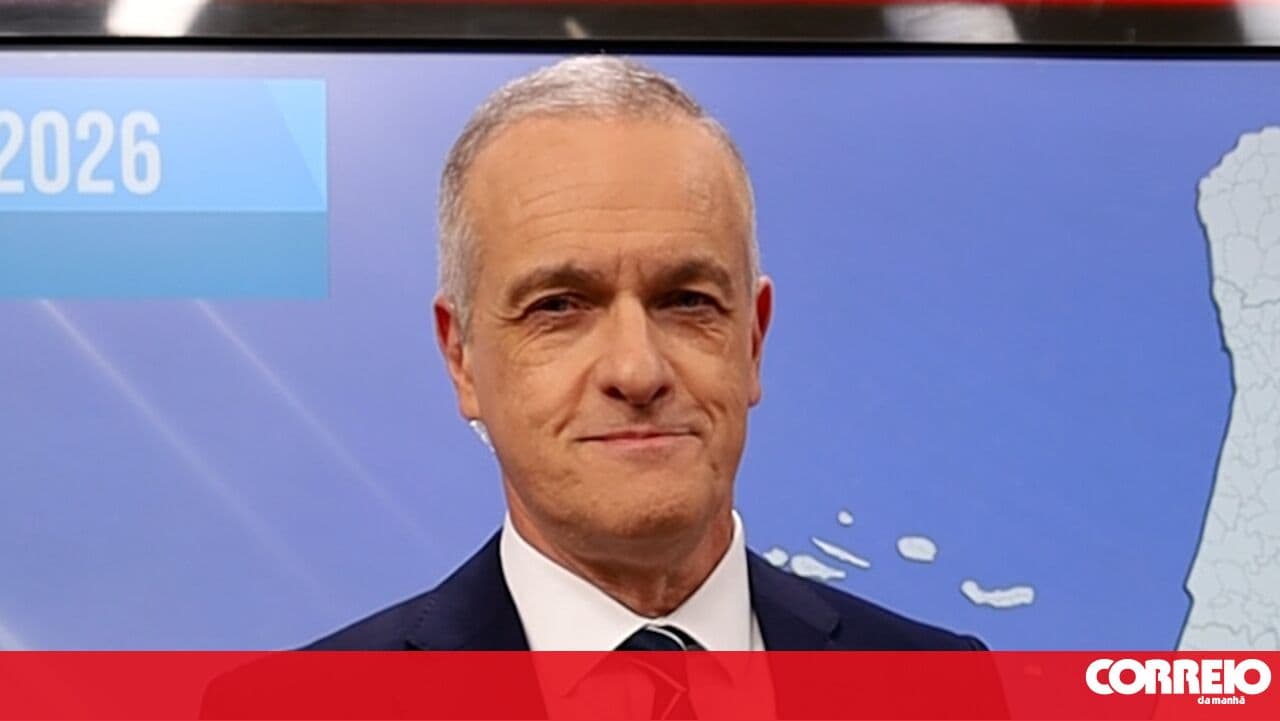
Second-by-second election results with Francisco Penim
Journalist Francisco Penim is following the election-night results in real time. In these presidential elections, the main new element in CMTV's interpretative framework is the results from Portuguese consular posts around the world.
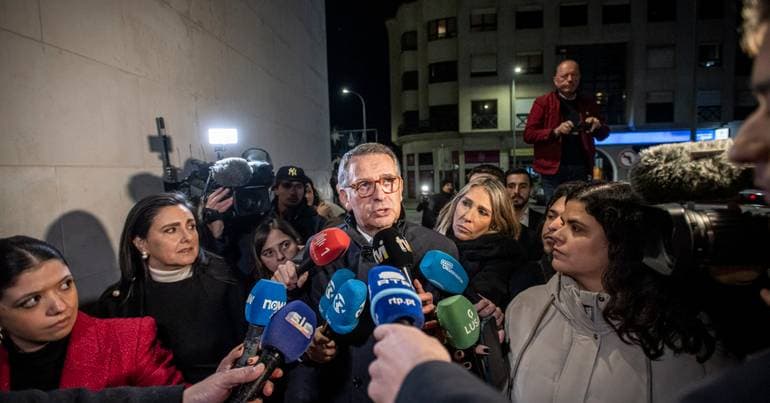
Portuguese brave long journeys to vote in London
Several Portuguese travelled about two hours to vote in the presidential election at the Consulate-General in London this morning, where there was a notably large turnout.

"Come and vote, it's important to vote": Carlos Moedas thanks volunteers at polling stations
The Mayor of Lisbon urged people to vote on Sunday after he himself cast his vote in Lisbon.

'Democracy wins when we participate': André Ventura casts his vote and urges people to go to the polls
Presidential candidate backed by Chega exercised his right to vote at the Parque das Nações Primary School. 'There is a historic mobilisation at consulates and embassies around the world,' he added.

"Voting is very important": Portuguese expatriates in Paris began choosing the next President of the Republic on Saturday
Those living outside Portugal began voting on Saturday. There is a large turnout at polling stations in Paris, France.

Which polling table do I vote at? What if I make a mistake? Can I bring my child? We answer your questions for presidential election day
🏛️ Government#expat-rights+3 more
A concise, analytical guide to voting in Sunday’s presidential election: who is eligible to vote, when polling stations are open, what you need to bring, whether you can use your own pen, what to do if you make a mistake on your ballot, and rules about bringing children or carers into the polling station. Also covers guidance for expat voters and common FAQs to help you vote confidently and correctly on election day.
Polling day sees unusually high midday turnout
Público summarises practical voting information for the presidential ballot: polling stations are open from 08:00 to 19:00 across Portugal and voters must bring a photo ID such as the national ID card (cartão de cidadão), citizen card/identity document (BI), passport or driving licence. Voters can confirm their polling location via the electoral register (recenseamento.pt), by sending SMS to 3838 or contacting the official helpline. Residents who are unsure where to vote should check recenseamento.pt before heading to the polls.
Update: By 16:00 official figures cited by CNN Portugal put turnout at about 45.51% — the fastest participation rate at that hour since 2006 — and multiple outlets note more than 11 million voters were called to the polls today with 11 candidates on the ballot. Polling stations opened at 08:00 in mainland Portugal and Madeira, with the Azores starting an hour later; candidates and party leaders repeatedly urged citizens to vote. Voters and volunteers should expect extended coverage and local queuing at busy sections.
The Cartão de Cidadão (Citizen Card) is Portugal’s national identity card, introduced in 2007, used for in‑person ID and many online public services; it contains your civil identity data and supports digital authentication and signatures. It is issued to Portuguese citizens—foreign residents use a residence permit for ID—so non‑citizen expats should keep their passport and residence card for official matters.
recenseamento.pt is the official Portuguese website for checking and updating voter registration and finding your assigned polling station ahead of elections; it lets voters confirm their registration status and address on the electoral roll. Voters planning to vote in Portugal (or Portuguese citizens abroad who register via consulates) should check the site before election deadlines to avoid problems like being turned away or casting a null vote.
The electoral register (Portuguese: recenseamento eleitoral) is the official list of people eligible to vote in Portugal; the final update showed 11,039,672 registered voters for the 18 January election, 174,662 more than in the 2021 presidential election. That number matters because it determines turnout percentages, seat calculations and whether campaigns target domestic versus overseas voters — expats need to check their registration status if they plan to vote from abroad.

Rui Valério sees world leaders as unsettled and rejects criticism of immigration
The Patriarch of Lisbon says the rise in the number of foreigners in Portugal does not call into question the Christian identity of Portuguese society. He also accuses several world leaders of being unsettled individuals who only want war.
PSP leadership and allegations of torture: 'We will be even more committed. The alarm bells sounded louder'
The leadership of the PSP says it will be even more committed in response to allegations of torture, adding that the alarm bells have sounded louder.


More candidates on the ballot for a possible second round: Everything you need to know about the presidential election
An overview of why additional candidates may appear on the ballot if a second round is required, how the run-off process works, who can stand, key dates and what voters should know.

Files complaint against operator over nearly €600 charge for SMS to Haiti
A man filed a complaint with the Judicial Police in Lisbon, saying he lost €592.20.

Portuguese in the United States criticise in-person voting: "For those who live in Los Angeles, it means a seven-and-a-half-hour drive to the consulate in San Francisco. Or else you have to fly."
Long-distance travel to in-person polling stations is the main difficulty reported.

AIMA among the entities with the most complaints
Home News AIMA among the entities with the most complaints AIMA among the entities with the most complaints According to O Jornal Económico, AIMA is among the public service entities that received the most complaints in 2025.

Diplomacy secured the release of two Portuguese brothers
Diplomatic and consular intervention secured the release of two young Portuguese brothers who had been detained abroad. The family only revealed the case after Nicolás Maduro’s arrest and still fear reprisals, underscoring the critical role of consular assistance, the fragility of expat safety in politically fraught contexts, and the wider implications for Portugal–Venezuela relations and human-rights protections for detainees overseas.

PSP: In silence, no one is innocent
There are people within the PSP who are comfortable with racism and xenophobia. They are certainly not all members of the force; they may even be a small number among the police's 20,000 officers, but those who exist are one too many. Editorial by David Pontes

Bloco de Esquerda seeks urgent hearing with the Minister of Internal Administration over police violence at the Rato police station
Bloco de Esquerda today requested an urgent parliamentary hearing with the Minister of Internal Administration regarding the case of police violence at the Rato police station in Lisbon.

Presidential election: where do I vote? Who are the candidates? What time do the polls open? A guide to election day
Portugal returns to the polls this Sunday, the 18th, to choose its new President of the Republic. Here is a guide to election day.

Casa do Brasil in Braga is the new association to support the city's immigrant community
Casa do Brasil de Braga has been launched as a new association to provide support and services to immigrants in Braga, aiming to facilitate integration and address community needs. The initiative represents a coordinated local response to immigrant challenges by offering a dedicated organisational structure for assistance, outreach and advocacy. Monitoring its service offerings, partnerships and uptake will be important to assess its effectiveness in strengthening social inclusion and community cohesion in Braga.

Attention, voters: registrations for early voting in the presidential election end today
Registrations for early voting in the presidential election on 18 January close this Thursday. Voters registered in the national territory who opt for early voting will cast their ballots on 11 January; registrations can be completed online at www.votoantecipado.pt or by sending a letter to the General Secretariat. The deadline is final, so eligible voters — including citizens abroad who qualify under the rules — should register now to ensure their participation. The short deadline raises potential administrative and turnout implications for campaign planning and electoral logistics.

5am presidential update: You can now apply to vote early
Applications for advance (early) voting in the presidential election are now open. Allowing voters to request advance voting is likely to improve accessibility and convenience—potentially raising turnout among busy voters and expatriates—but also places new demands on election administration. Clear communications on eligibility, registration deadlines and verification procedures, plus monitoring of uptake and administrative capacity, will be important to assess the policy’s effectiveness and integrity.

Government says suspension of Mobility Allowance will be resolved within a few days
CTT said the suspension of the reimbursement service for the Mobility Allowance for residents in the Azores and Madeira is due to 'reasons beyond the company's control'.
Family providing foster care for two children loses parental allowance. "It's an injustice"
A family providing foster care for two children has been ordered by Social Security to repay more than €5,500 after losing their parental allowance. The parents call the demand an injustice and cite contradictory information and a lack of support from official services. The case highlights administrative confusion around parental-benefit eligibility, potential gaps in guidance for foster and expat families, and wider questions about transparency and appeals in welfare policy.

Related videos

29m
Portugal Resident •
Natasha Donn's News Review – The Resident Podcast – Ep.2 – 28-11-25
29m
Portugal Resident •