Home care in Portugal: the void that no one wants to see
An analysis of the gaps and lack of oversight in the home care sector for the elderly and vulnerable in Portugal.
Público

Latest news and stories about elderly care in daily life in Portugal for expats and residents.
An analysis of the gaps and lack of oversight in the home care sector for the elderly and vulnerable in Portugal.
Pedro Candeias explores the fragility of the elderly support ecosystem, highlighting how society often overlooks the challenges of aging until personally affected.
Since 27 July, the Public Security Police (PSP) has identified 284 elderly people, 182 of whom were in situations of social risk, as part of the 'Solidarity Has No Age' operation, which only ends on 25 September.

According to the PSP, the objective of the operation is to intensify direct contact and dialogue with the elderly population (aged 65+), aiming for the earliest possible detection of cases of social vulnerability.
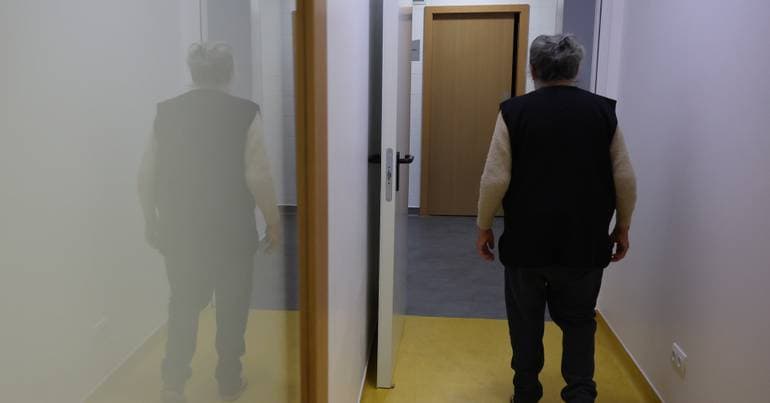
“The first signs of dementia appear about 10 years before diagnosis,” says Filipa Dias, an ageing consultant and dementia specialist: “love is not enough, and caregiving changes the caregiver.”

There is neither space nor time for the Portuguese elderly. Society turns its back on them, and they live well aware of the burden they represent for the younger generations. Opinion piece by Rui Esperança

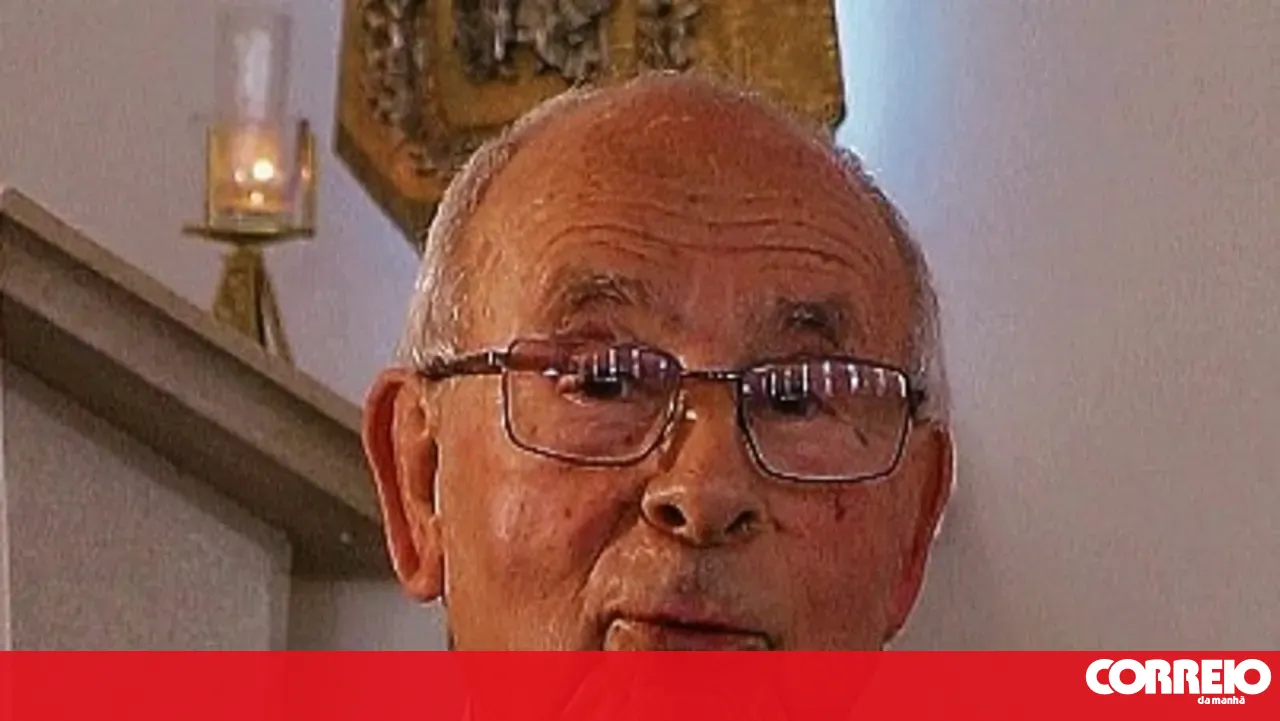
The project took 11 years to complete. “Today, the village includes 26 houses, a medical and nursing centre, physiotherapy, a laundry, an auditorium, a function room, a bar, central services and spaces dedicated to physical exercise,” says Father Domingos Costa.
The Estou CãoTigo project started in Mortágua and now covers three municipalities. It includes home visits and visits to social institutions, and the benefits for the senior population are visible.
Home News GNR and Portuguese community support around a hundred elderly people with telecare services GNR and Portuguese community support around a hundred elderly people with telecare services One hundred elderly individuals facing risks, isolation, or social vulnerability across seven municipal

The 'Solidarity Has No Age' operation begins today. In 2025, 559 people were identified, 391 of whom were in at-risk situations.

Portugal has 2.6 million elderly people. About 100,000 live in institutions, mostly in the Lisbon area. 90% of residents pay up to two thousand euros per month.
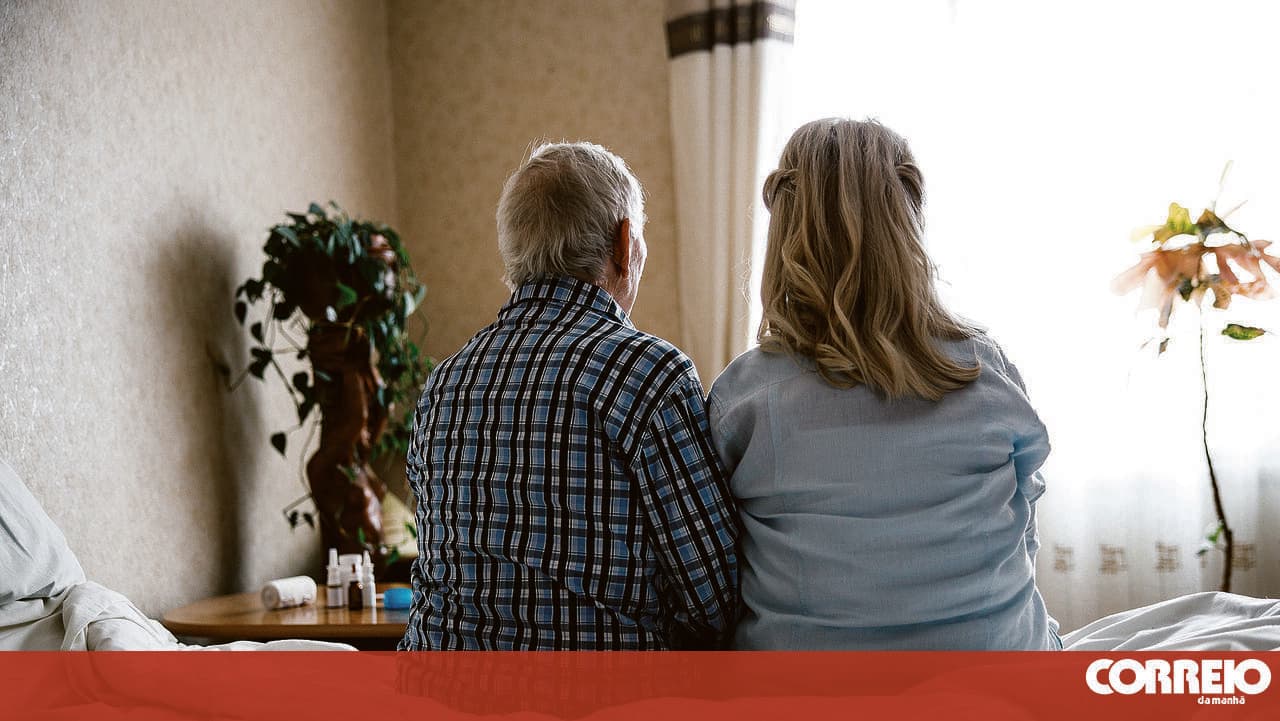
The president of the FITI organisation highlights the urgent need to address the growing issue of social isolation affecting older people in Portugal.
José Carlos Batalha comments on the challenges of an ageing population in Portugal, stating that current efforts are insufficient to address the issue.
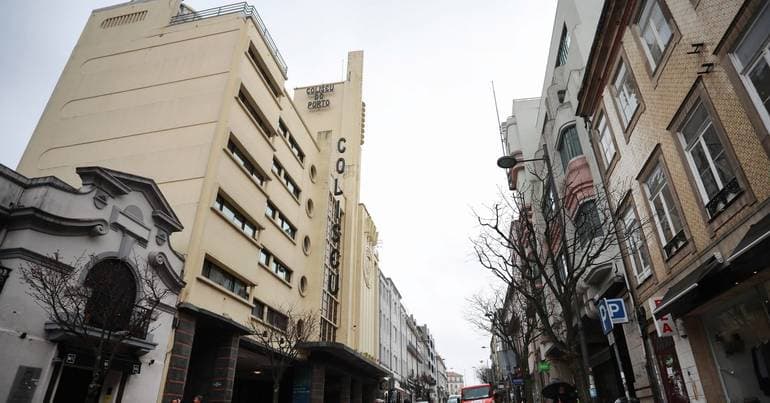
With 360 participants, the free project from the Coliseu do Porto brought those living in isolation into cultural and social life — and is now studying ways not to “leave them stranded” at the end of the two-year period.
Home News Dogs help elderly people in Portugal combat isolation and grief Dogs help elderly people in Portugal combat isolation and grief More than a hundred elderly people in Penacova, in the Coimbra district, are supported by the “Estou CãoTigo” project, which uses dog-assisted interventions to

Falls are one of the leading causes of injury and loss of independence in the elderly. Many occur at home and can be prevented with simple measures and attention to risk factors.

Home Algarve The care company helping people age with dignity in the Algarve The care company helping people age with dignity in the Algarve Five years after launching in Portugal, SAAR Homecare has grown into a team of around 150 people, providing live-in and person-centred care for the country'

In the case of mental illnesses, the three liars are: 1) the illness; 2) the patient; 3) family members, neighbours, and friends.

A conversation with nurse and PÚBLICO columnist Carmen Garcia about ageing and how society treats the elderly: “In Portugal, entering a care home is synonymous with exiting society”.
Coimbra records a decrease in the number of homeless people, while cases of elderly people living alone or being mistreated are soaring.

Today, being elderly in Portugal, especially without full autonomy, is far from an easy task.

At the 'Jardim das Borboletas' care home in Famões, there is an activity that has been promoting creativity and happiness among the residents.

The president of the Union of Misericórdias guarantees an increase in beds for social admissions in May. Manuel de Lemos says that the network of care homes in Portugal is deficient and that the public network would take 20 years to catch up.

Geriatrician Sofia Duque explains the importance of Covid-19 vaccination for the senior population, the impact of age on the risk of severe disease, and how to ensure better protection at this stage of life.

A report from SIC Notícias highlights the rising costs and limited availability in Portuguese nursing homes, ranking the country third in the EU for the lowest number of beds per user.
Portugal is the fastest-ageing country in Europe and there is a shortage of places in care homes, with waiting lists that can reach up to three years. On Expresso da Manhã, Paulo Baldaia speaks with Society editor Rita Ferreira.

Home Health Living Well at Home: The Growing Value of Live-In Care in Portugal Living Well at Home: The Growing Value of Live-In Care in Portugal As Portugal continues to attract expats from around the world, many are choosing not only to build their lives here, but also to grow older here.
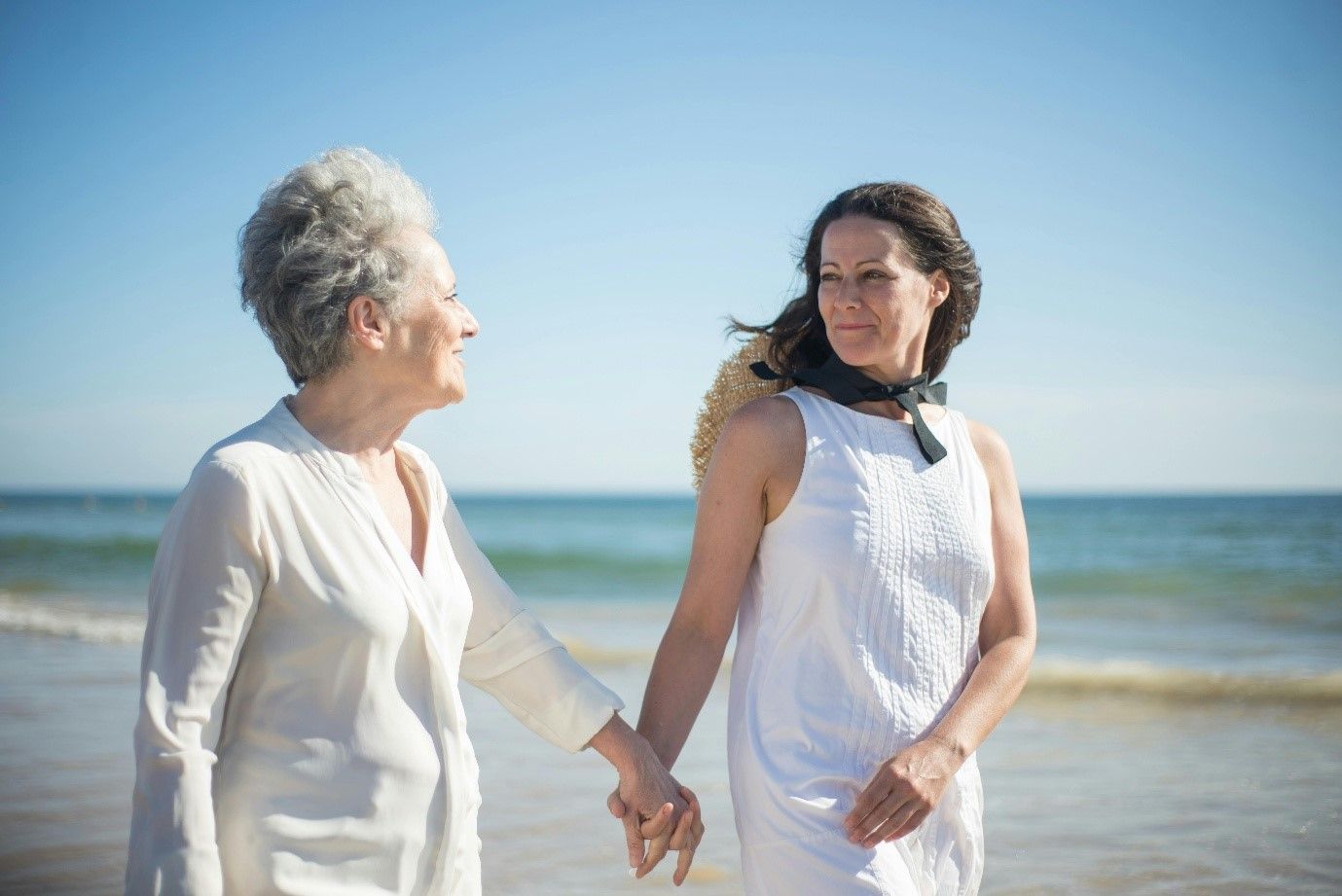
About 40% of people aged 65 or over in the European Union considered their health to be very good or good two years ago.
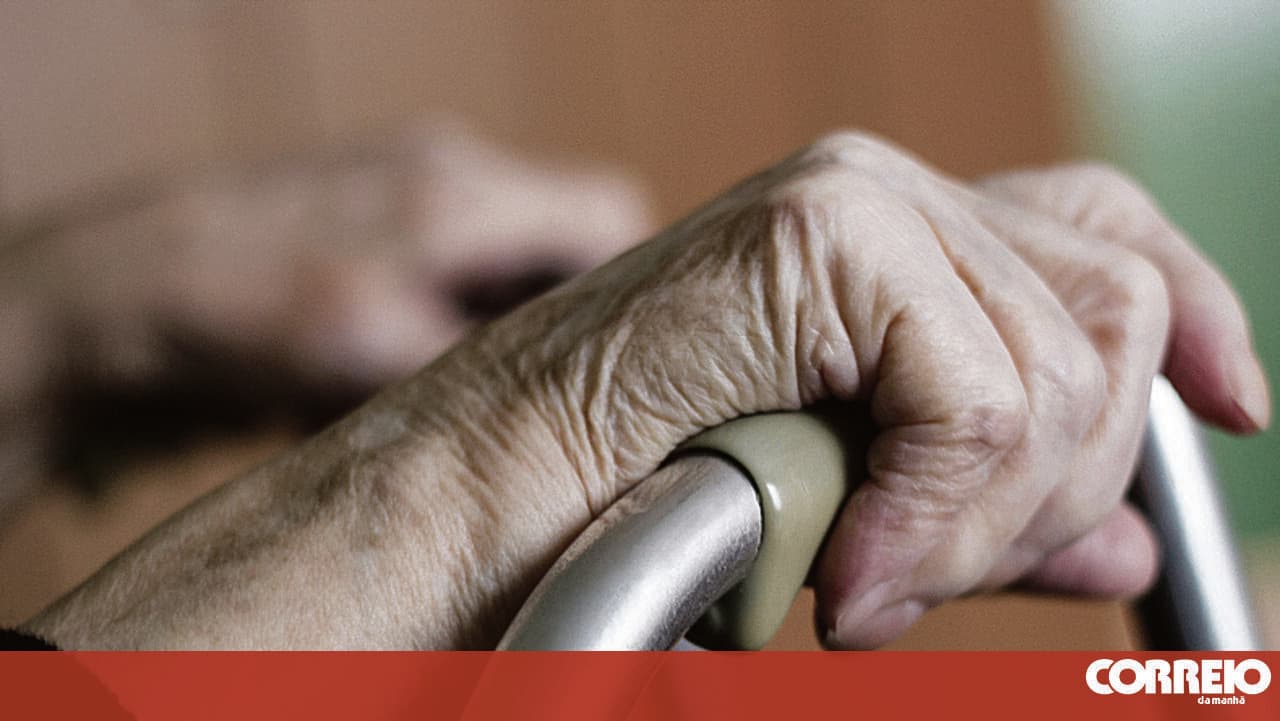
The elderly individuals were locked inside a room, living in very precarious conditions of hygiene and sanitation.

I do not accept that ageing in Portugal has to be a choice between loneliness at home, or depersonalisation in a hospital corridor or a room in a residential care home.