

Four Portuguese companies sign agreements with Saudi Arabia
Four Portuguese companies, including a Porto-based AI firm and an aesthetic clinic, have signed agreements to expand their operations into Riyadh, Saudi Arabia.
ECO

Latest news and stories about business in Portugal for expats and residents.
Four Portuguese companies, including a Porto-based AI firm and an aesthetic clinic, have signed agreements to expand their operations into Riyadh, Saudi Arabia.
President António José Seguro is attending the Cape Verde-Portugal economic forum in Praia to explore and identify new bilateral business and investment opportunities.
With only six months remaining, 74% of the Labour Compensation Fund remains uncollected, prompting employer confederations to consider requesting an extension from the government due to administrative difficulties.

An analysis of the Portuguese restaurant sector, highlighting concerns about its long-term economic stability and market saturation.

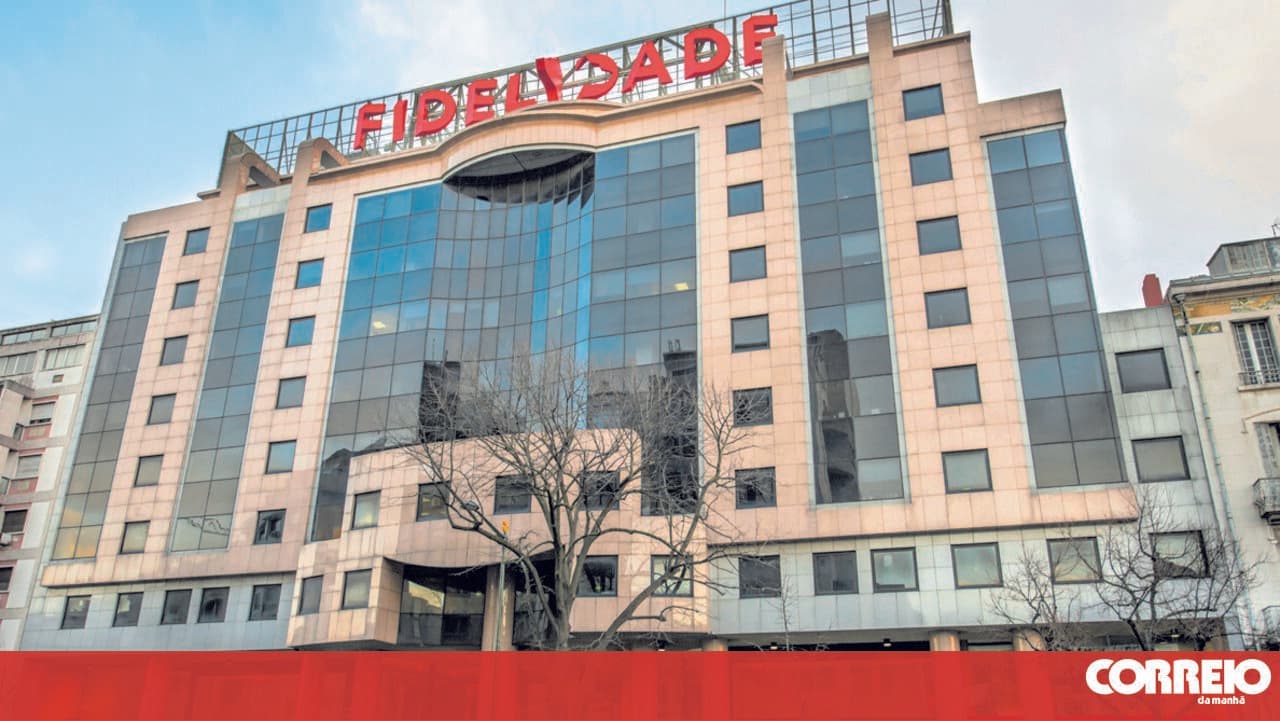
Fosun Group's investment in the Portuguese insurer Fidelidade, acquired in 2014 for one billion euros, is projected to be valued at 4.9 billion euros, highlighting the significant financial success of Chinese businesses in Portugal.
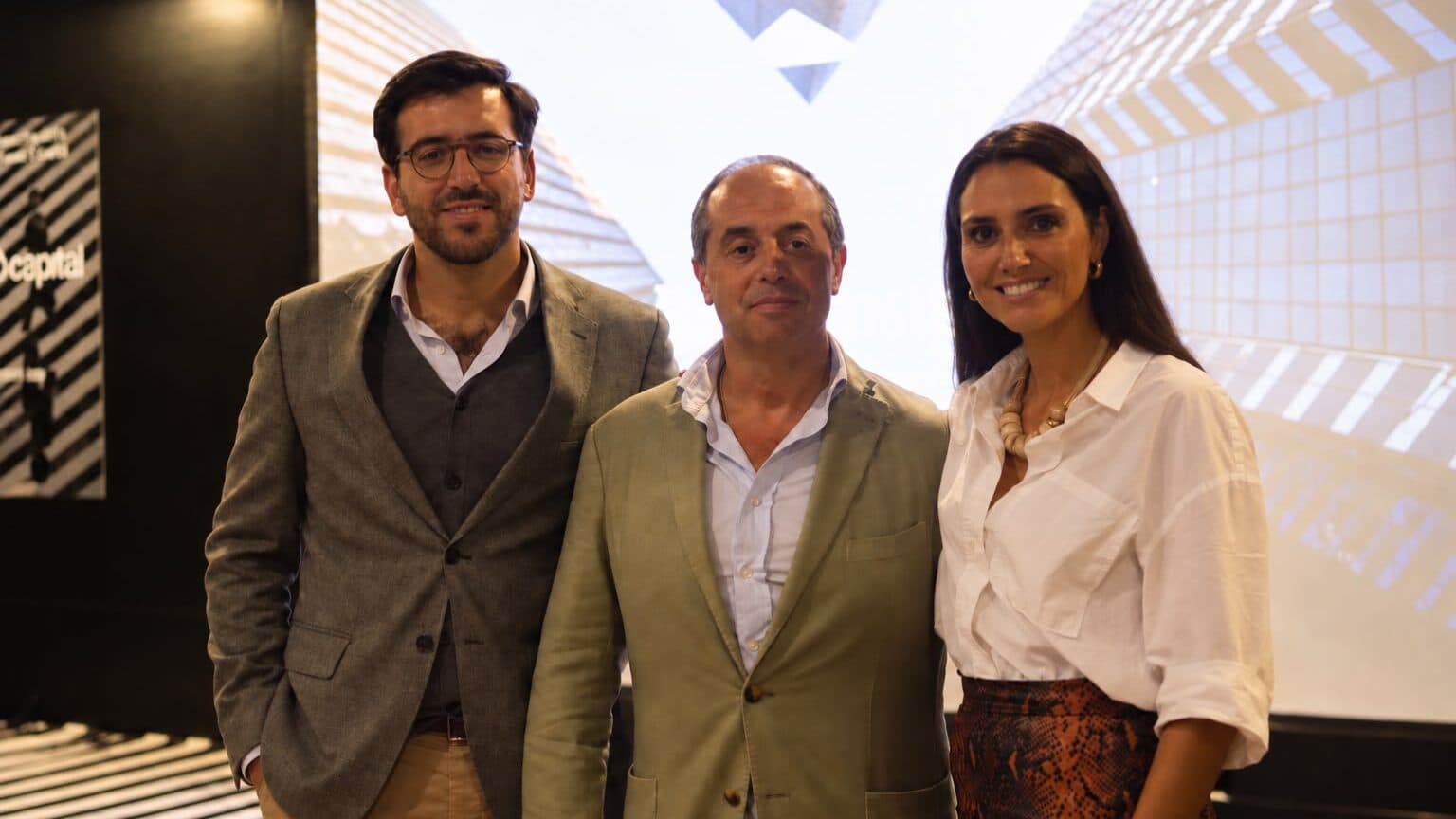
The Pinto Basto group, the family office Ó Capital, and the brokerage firm Sabseg have established Pinto Basto Insurance, a new insurance broker owned in equal parts by the three shareholders. The project combines the Pinto Basto group's 250-year connection to the Portuguese business fabric with Ó Capital's experience in the creation and development...



Portugal serves as a strategic entry point to Europe for entrepreneurs and investors. By using the country as a logistics hub, businesses can access the entire European Union market of 452 million consumers. Key advantages include the free movement of goods, which allows products imported into Portugal to be sold across the EU without additional customs bureaucracy, and the VAT deferral scheme, which significantly improves cash flow by allowing companies to avoid upfront tax payments upon importation. Furthermore, the shared language with Brazil simplifies documentation and labelling processes, making Portugal an ideal base for international trade.

A Rio de Janeiro-based brand, which already has nearly 50 locations in Brazil, arrives in Lisbon with delivery and takeaway services and is already planning expansion into Odivelas, in the metropolitan area, and Braga, a stronghold for Brazilians.
With Amancio Ortega's daughter at the helm, the group has closed more than 2,000 stores across various brands. The effect on the accounts was positive: profits increased, reaching 2.98 billion euros in 2023.
With 100 employees, the consulting firm, which focuses on sustainability, has already secured €8.5 million in projects this year.

The city of Lisbon and the national tourism board have introduced a free training programme aimed at local business owners and traders.

The beauty brand O Boticário marks four decades of operations within the Portuguese market.

Deloitte has launched the application process for the fourth edition of its Technology Fast 50 programme in Portugal.
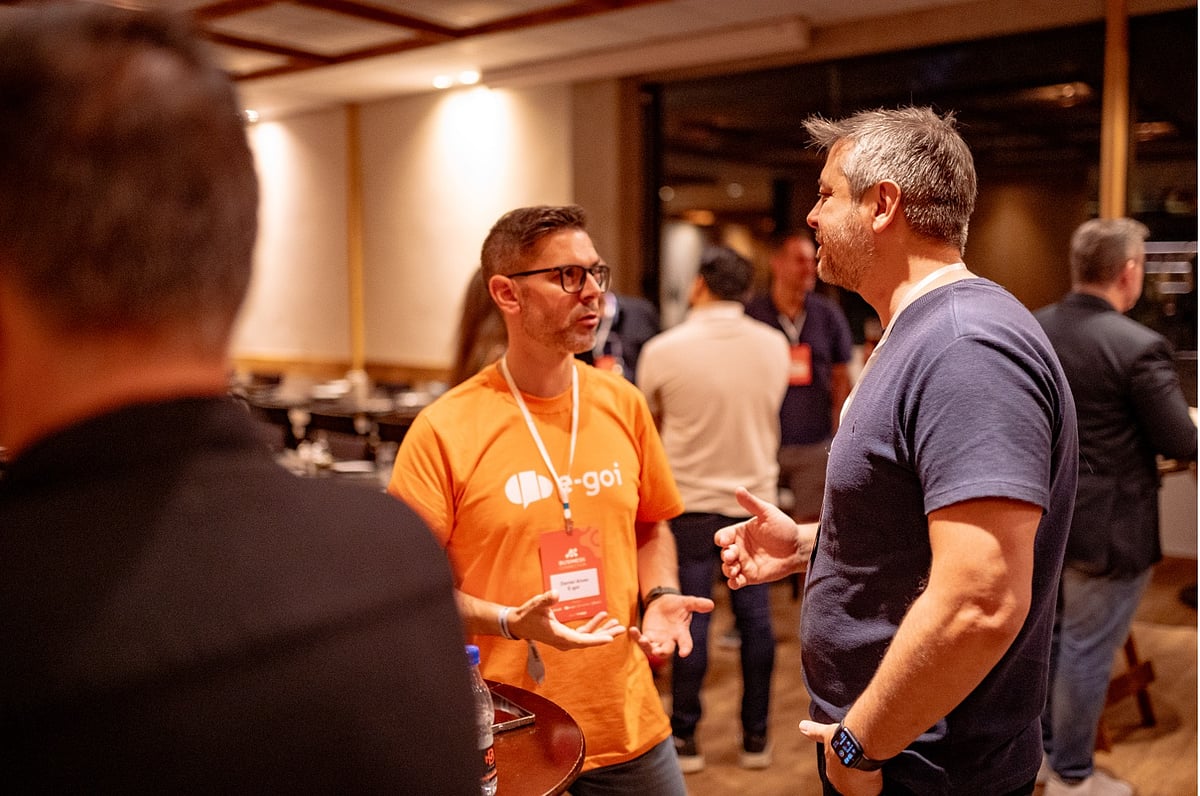
From Matosinhos to São Paulo, the Business Connection initiative is gaining international scale. Created by E-goi, the event returned to Brazil, gathering 64 professionals from over 30 companies to discuss business relationships and the challenges transforming e-commerce. Held at NB Steak in São Paulo, the event focused on fostering closer connections between decision-makers and partners, covering topics such as AI, automation, and data-driven personalisation. The edition featured collaboration from companies including Agência Almah, Nuvemshop Next, Eitri, and TPL Logística, reinforcing E-goi's commitment to understanding local market needs while expanding its global footprint.
The British private equity firm Cinven announced this Tuesday that it has completed the fundraising for a strategic investment fund, totaling approximately 2.3 billion euros, and has identified Portugal as a priority target for acquisitions. The capital raised exceeded the initial target by 50% and is intended for investment in medium-sized European companies.

Deloitte is organising the fourth edition of the Technology Fast 50 programme in Portugal.
Artificial intelligence and new technologies in medicine and healthcare are the beginning of a journey towards the internationalisation of Portuguese companies.