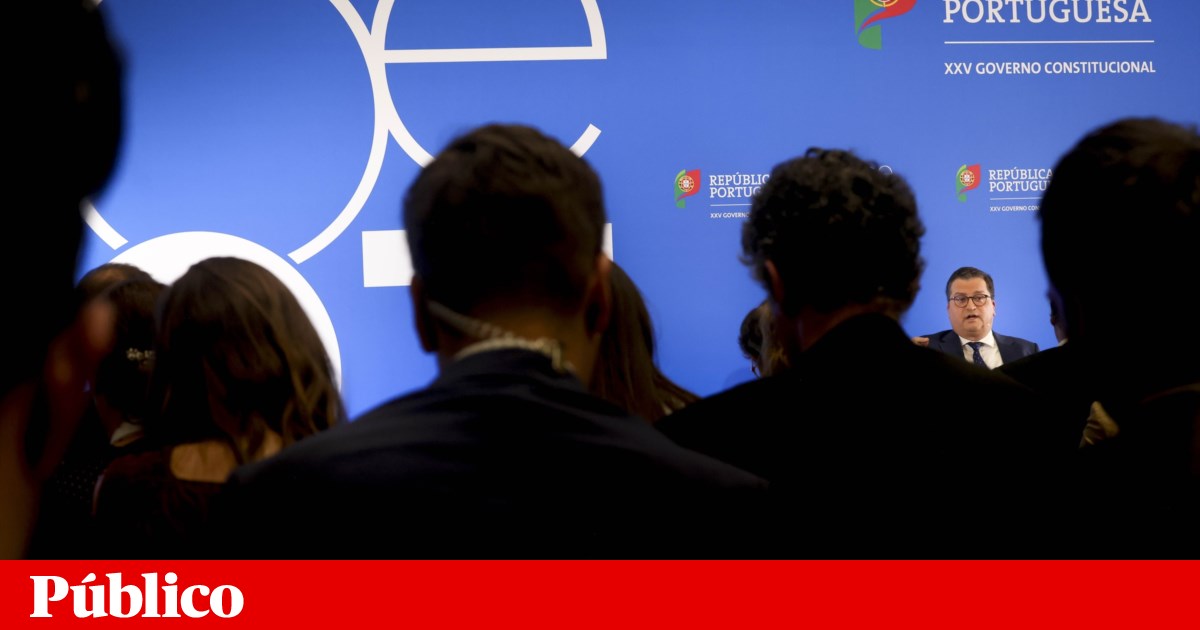
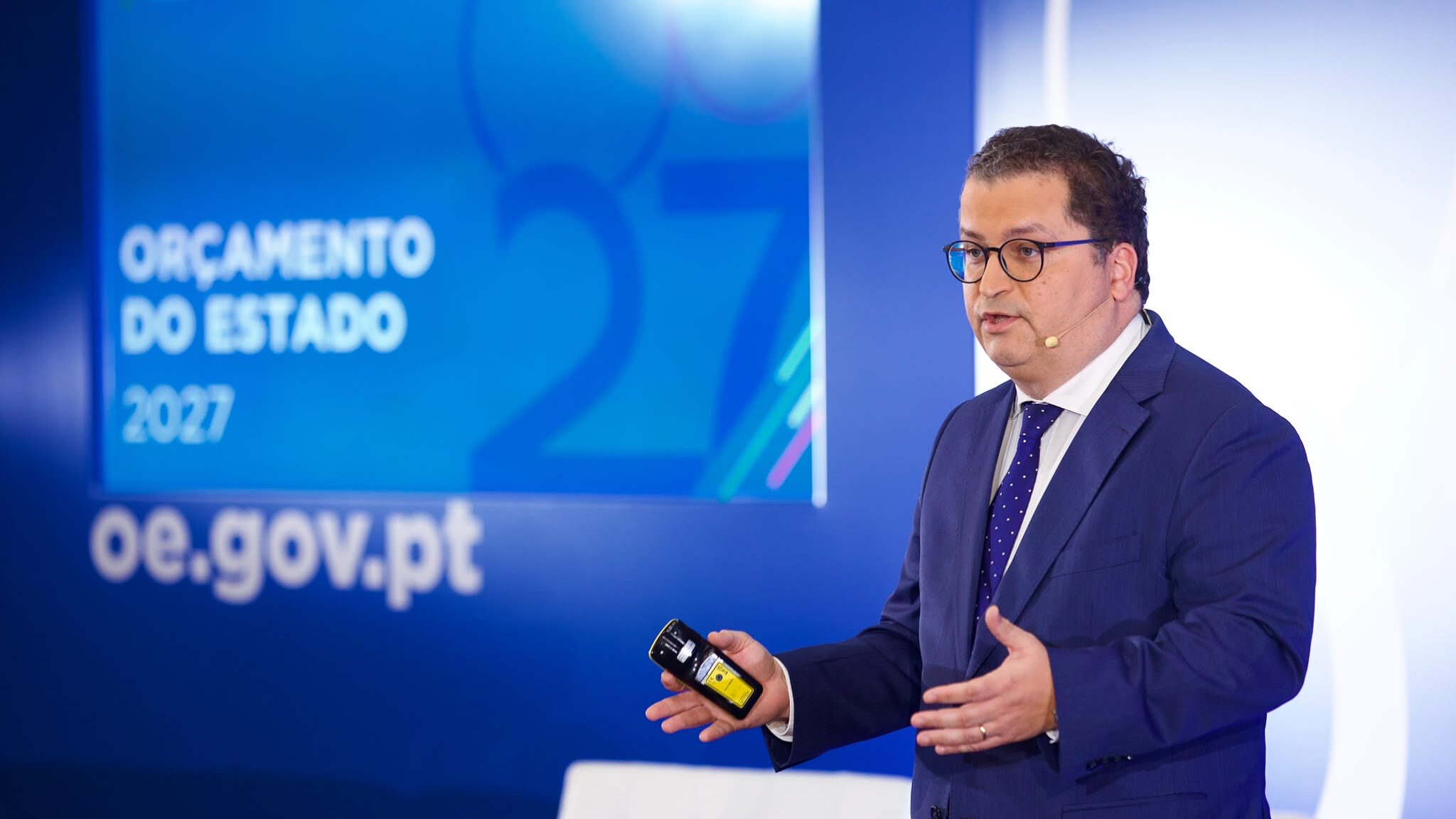
The European Commission confirmed that Portugal's 2027 budget plan complies with European fiscal rules, noting that a projected 0.2% deficit remains close to balance. The government's balance shifted from a forecast surplus of €275 million to a €525 million deficit after parliament approved roughly €800 million in opposition amendments. Prime Minister Luís Montenegro stated that the executive will manage accounts strictly to avoid returning to regular deficits.
Brussels Clears Portuguese Budget Despite Projected 0.2% Deficit
Tuesday, 24 November 2026AI summary
Context & Explainers

- Prime Minister, Portugal: 2024 - Present
- Party: Social Democratic Party (PSD)
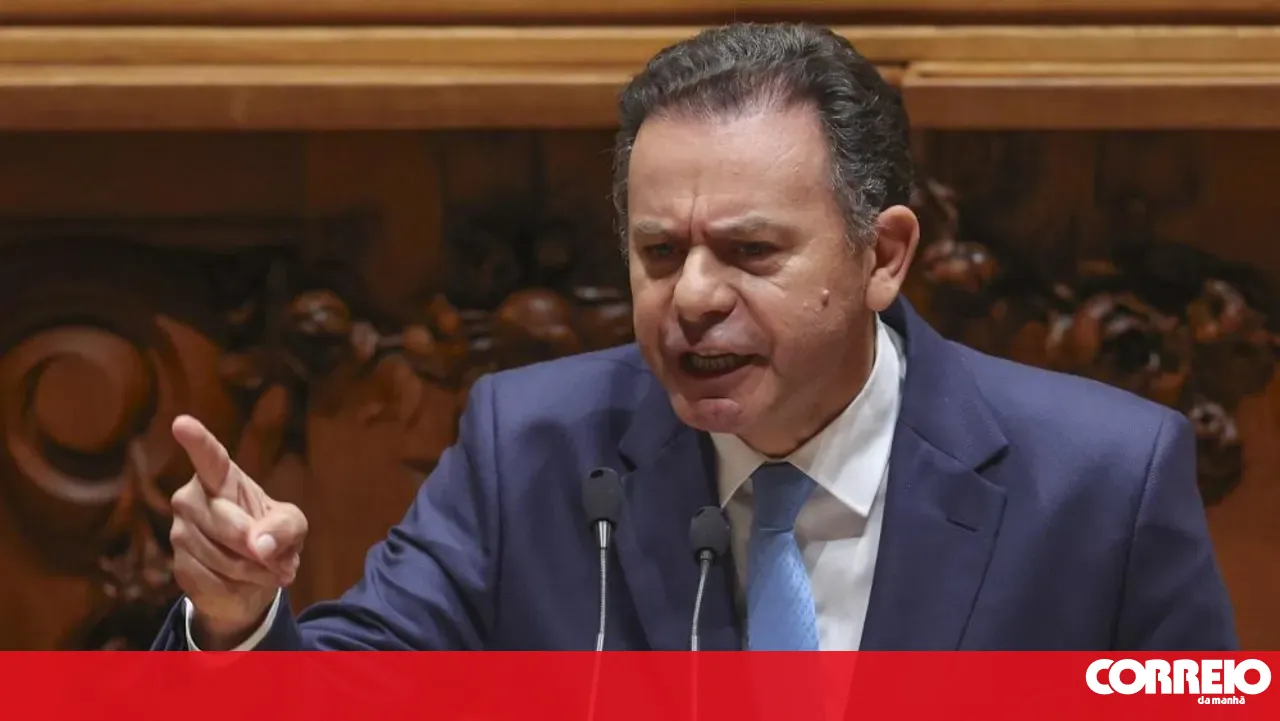
Luís Filipe Montenegro Cardoso de Morais Esteves (born February 16, 1973, in Porto) is a Portuguese lawyer and center‑right politician who has served as Prime Minister of Portugal since April 2, 2024. A long‑time member of the Social Democratic Party (PSD), he is the leading figure of the post‑Troika generation of Portuguese conservatives. Montenegro was elected to the Assembly of the Republic in 2002 for the Aveiro district and remained an MP for 16 years, becoming PSD parliamentary leader from 2011 to 2017 during the bailout and austerity period under Prime Minister Pedro Passos Coelho. He was a prominent defender of strict austerity measures, arguing in 2014 that “the life of the people is no better, but the life of the country is a lot better,” a phrase that has followed his public image since. After an unsuccessful leadership bid against Rui Rio in 2020, Montenegro won the PSD leadership in 2022. He then forged the centre‑right Democratic Alliance (PSD–CDS‑PP and allies), which won a plurality of seats in the 2024 legislative election. Refusing to partner with the far‑right Chega, which he has called “often xenophobic, racist, populist and excessively demagogic,” he formed a minority government as head of the XXIV Constitutional Government on April 2, 2024. His first government fell in March 2025 after a no‑confidence vote linked to a conflict‑of‑interest affair, but fresh elections saw the Democratic Alliance increase its seat share, allowing Montenegro to return as prime minister leading the XXV Constitutional Government. His importance to Portugal lies in attempting to re‑center the traditional centre‑right after the crisis years, defending liberal‑conservative economics and EU alignment while drawing a sharp line against formal cooperation with the radical right, thus shaping how Portuguese democracy manages its new multi‑party era.
8 sources
- European Commission calls for budgetary prudence in the European Semesterexpresso.pt ·
- Government says opposition pushed Portugal into a 525 million deficitJornal de Notícias ·
- Brussels: 0.2% deficit is still "close to balance"observador.pt ·
- Brussels says a 0.2% deficit is still a 'budgetary position close to balance'cnnportugal.iol.pt ·
- 2027 State Budget: Brussels says 0.2% deficit is still a 'budgetary position close to balance'dinheirovivo.dn.pt ·
- 0.2% deficit. Brussels reacts to the new deficit forecast by the Governmentrtp.pt ·
- Government exceeds expenditure limit, but near-zero balance avoids Brussels warningpublico.pt ·
- "We will continue to govern" and preserve the balance of public accounts, says Montenegrocmjornal.pt ·