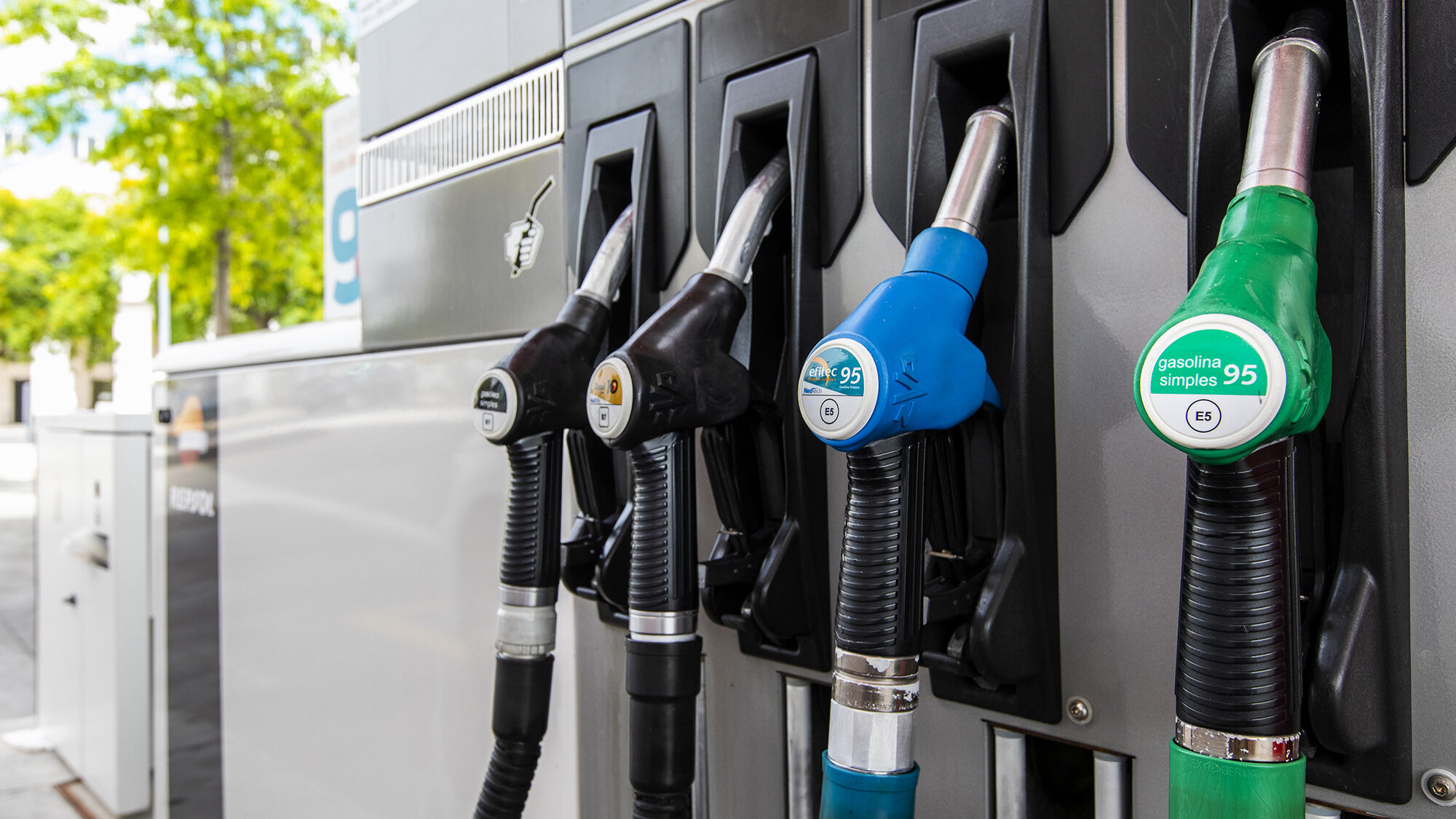
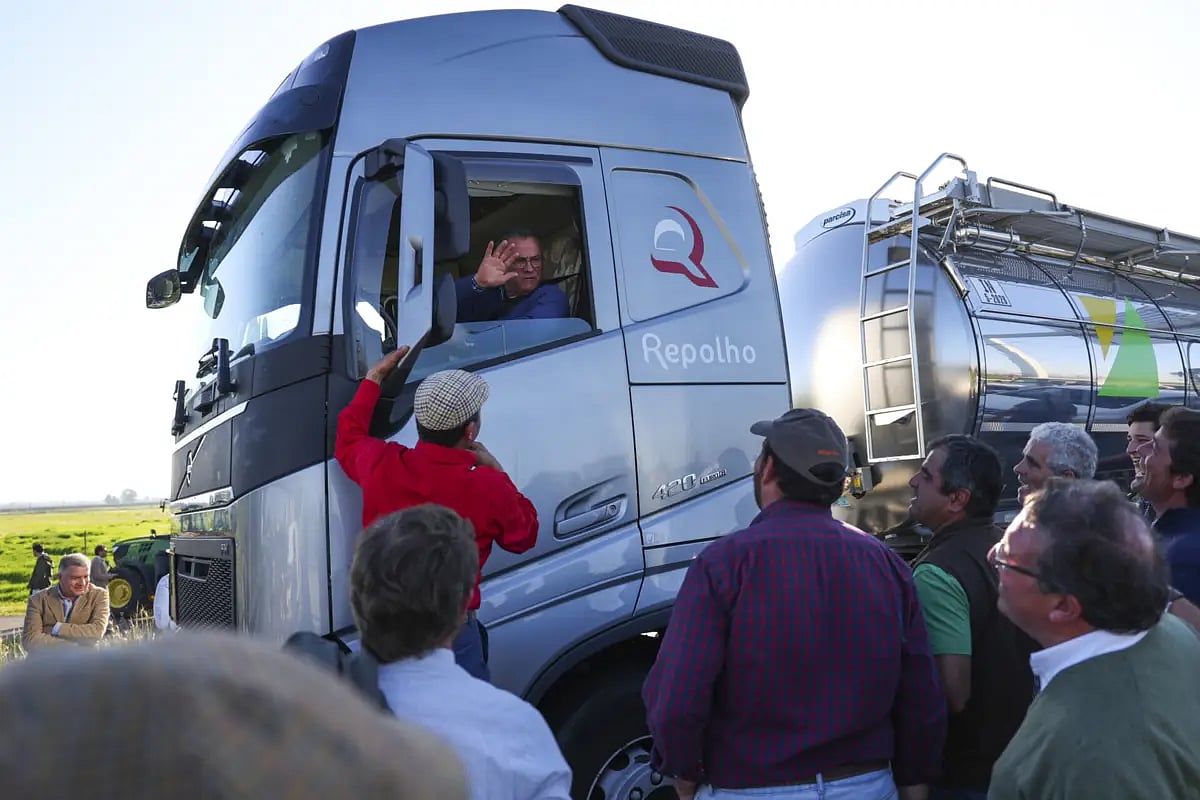
The National Association of Public Road Freight Carriers (ANTRAM) has called a meeting of its members for 1 April to assess the Government's “insufficient response” to limiting the impact of rising fuel prices. The association stated that, given the inadequate measures taken to address the price hikes exacerbated by the war in Iran, they will gather in Coimbra to consult with sector companies and determine future actions to protect their members' interests. The Government recently approved an extraordinary support measure of 10 cents per litre for professional diesel, following a previous similar discount, as diesel prices in Portugal have risen by approximately 30% since the start of the conflict in the Middle East.
ANTRAM to meet on 1 April to evaluate Government's "insufficient response"
Monday, 30 March 2026RSS
Context & Explainers
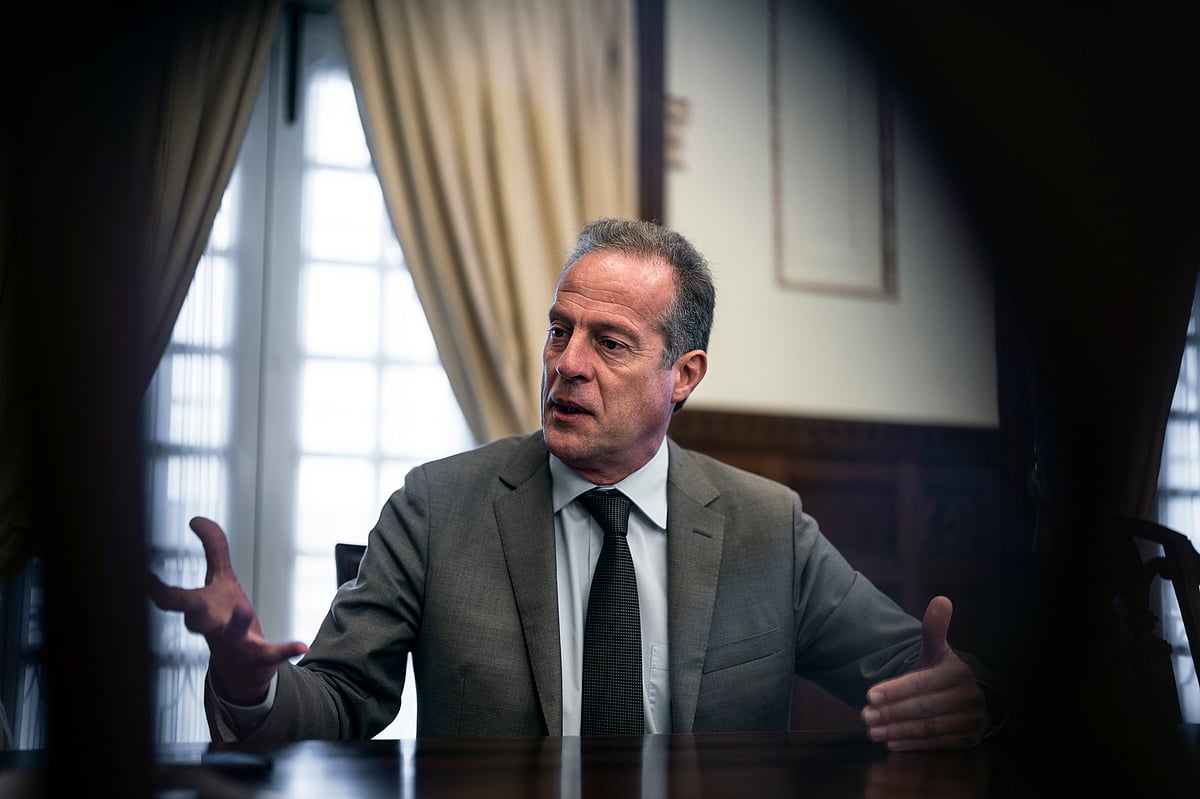
- Governor of Banco de Portugal (2020–present)
- Former: Minister of Finance (2015–2020), President of the Eurogroup (2018–2020)
- Party: Independent (PS-affiliated)
- Background: Economist (PhD, Harvard)
Mário José Gomes de Freitas Centeno (born 1966) is Portugal's central bank governor and one of the country's most internationally recognized economic figures. As Finance Minister under António Costa's first PS government, he became known as "Cristiano Ronaldo of European finance" for turning Portugal's deficit into a surplus while reversing austerity.
He was elected president of the Eurogroup (the informal body of euro area finance ministers) in 2018 — the first Portuguese to hold the role. Since becoming Governor of Banco de Portugal in 2020, he sits on the ECB's Governing Council and oversees Portuguese banking supervision and financial stability.
Confagri is the national confederation that represents agricultural cooperatives in Portugal, acting as a trade association and lobby for producers in policy, investment and trade discussions. Its caution about the EU–Mercosur agreement matters because Confagri speaks for cooperatives that produce food and export goods—its calls for more investment or safeguards can influence government responses, funding priorities and market rules that affect prices and rural jobs.
AI Summary AvailableDiesel prices surge 30 percent following Middle East conflictRead the synthesized summary with context and explainers
View full article on dn.pt