

Storms: AdP estimates recovery works at 40 million
The Águas de Portugal Group has announced a 40 million euro recovery plan to repair basic sanitation infrastructure damaged by recent severe storms across the country.
Observador

Latest news and stories about sanitation in Portugal for expats and residents.
The Águas de Portugal Group has announced a 40 million euro recovery plan to repair basic sanitation infrastructure damaged by recent severe storms across the country.
The project procedure is divided into seven lots and aims to contribute to reaching a coverage rate of at least 50% of the municipality's homes, with an investment of 5,505,990.35 euros.
As I have previously highlighted, the improvement in living conditions in Portugal, brought about by major public sanitation works (water supply, sewage networks, and waste management) carried out after joining the EEC in 1986, was immense. The profile of infectious diseases changed forever. Cholera outbreaks would not return, and the hepatitis A virus would cease to circulate among residents. In 1987, I was once again confronted with a cholera epidemic that broke out in Guinea-Bissau. The Guinean Minister of Health, Nunes Correia, competently led the control operations through both rapid action and transparent communication. At the time, it was realised that traditional funeral ceremonies posed risks of propagation, as new outbreaks coincided with the routes of funeral processions. It was necessary to intervene without delay or hesitation. Awareness campaigns were organised with the support of local community leaders to ensure that all direct contact with bodies was avoided before burial. International and bilateral aid agencies were essential in controlling the crisis, including a special TAP flight carrying medication and intravenous rehydration solutions. The US Centers for Disease Control (CDC) also sent an expert who successfully trialled a new rapid diagnostic test for acute diarrhoea. The European Union funded a Médecins Sans Frontières team for logistics and management. The epidemic ended a few weeks later. Recently, the WHO confirmed that cholera epidemics persist in West and Central Africa, with over 61,000 cases in the first five months of 2026, urging the reinforcement of preventive measures, risk communication, and safe burials. For travellers to risk zones, the WHO recommends oral cholera vaccines, which do not replace the need for rigorous hygiene, especially regarding water and raw food consumption.

Águas do Alto Alentejo indicates that these applications to the Portugal 2030 Programme aim to serve the water supply and sanitation systems managed by the company.

First part of 'Investigação CM', from August 3, 2026.
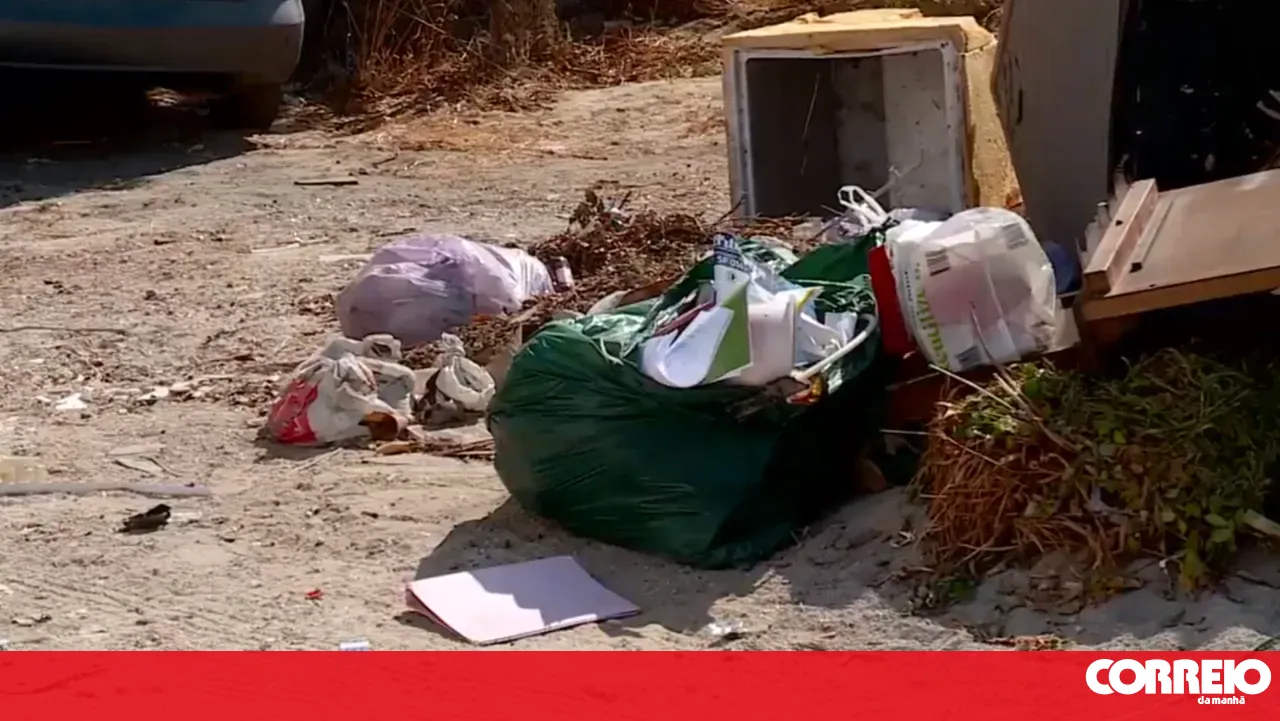
Third part of the 'Investigação CM' from 7 July 2026.
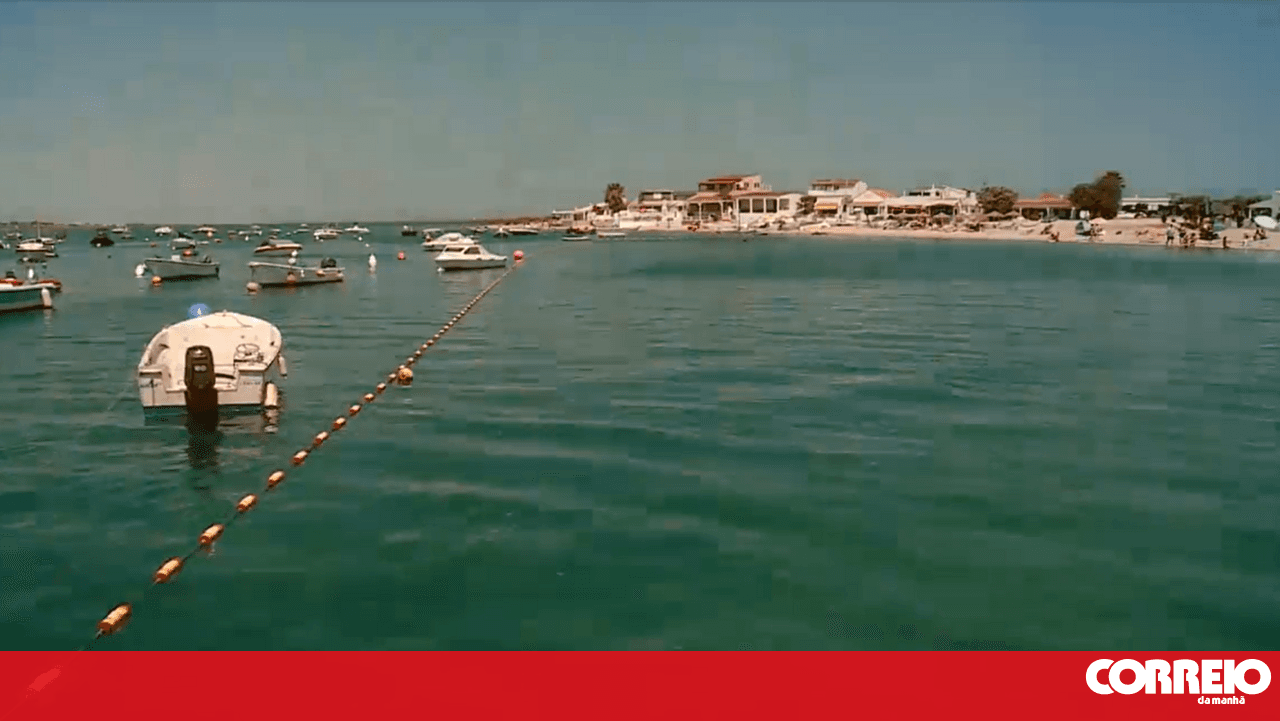
Second part of the 'Investigação CM' from July 7, 2026.
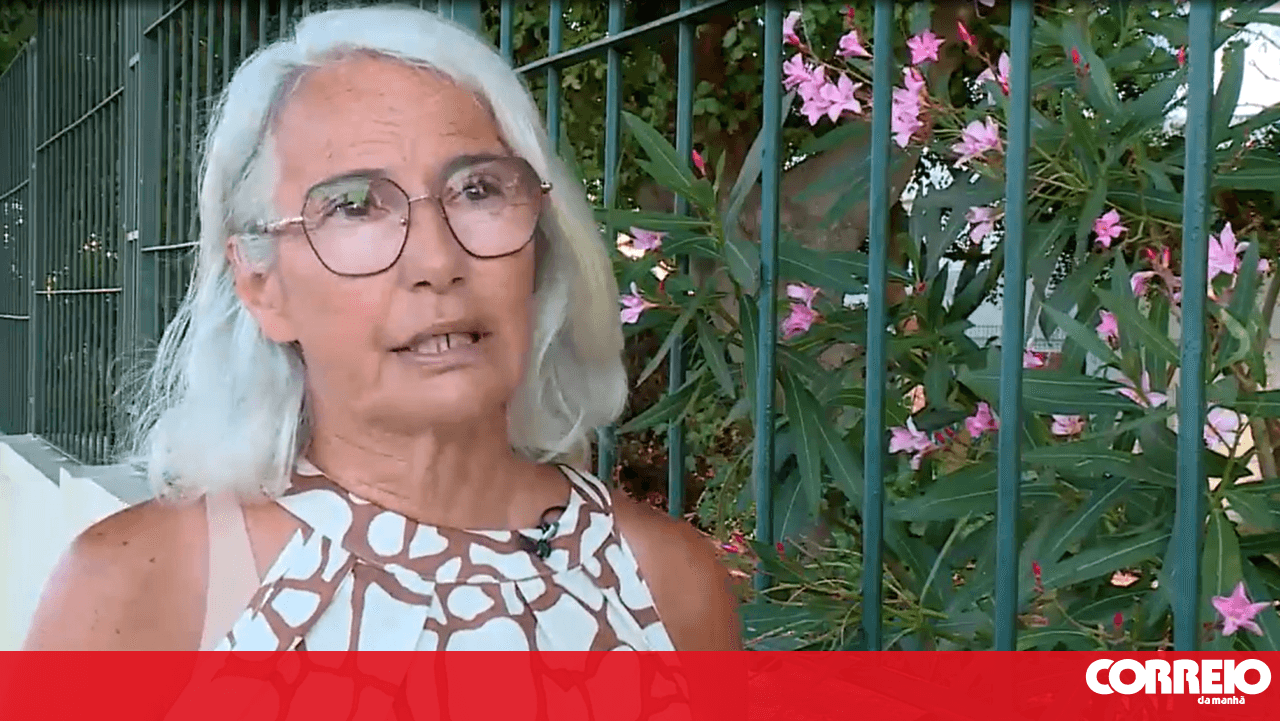
First part of the 'Investigação CM' from July 7, 2026.
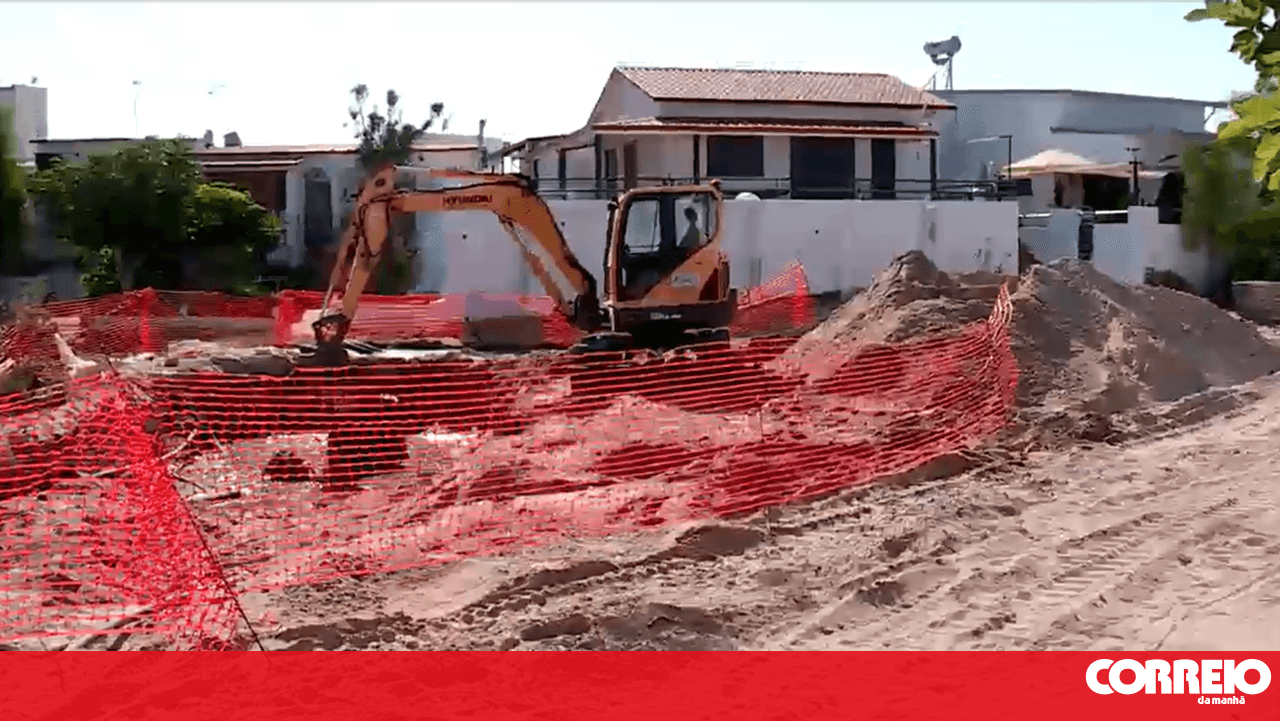
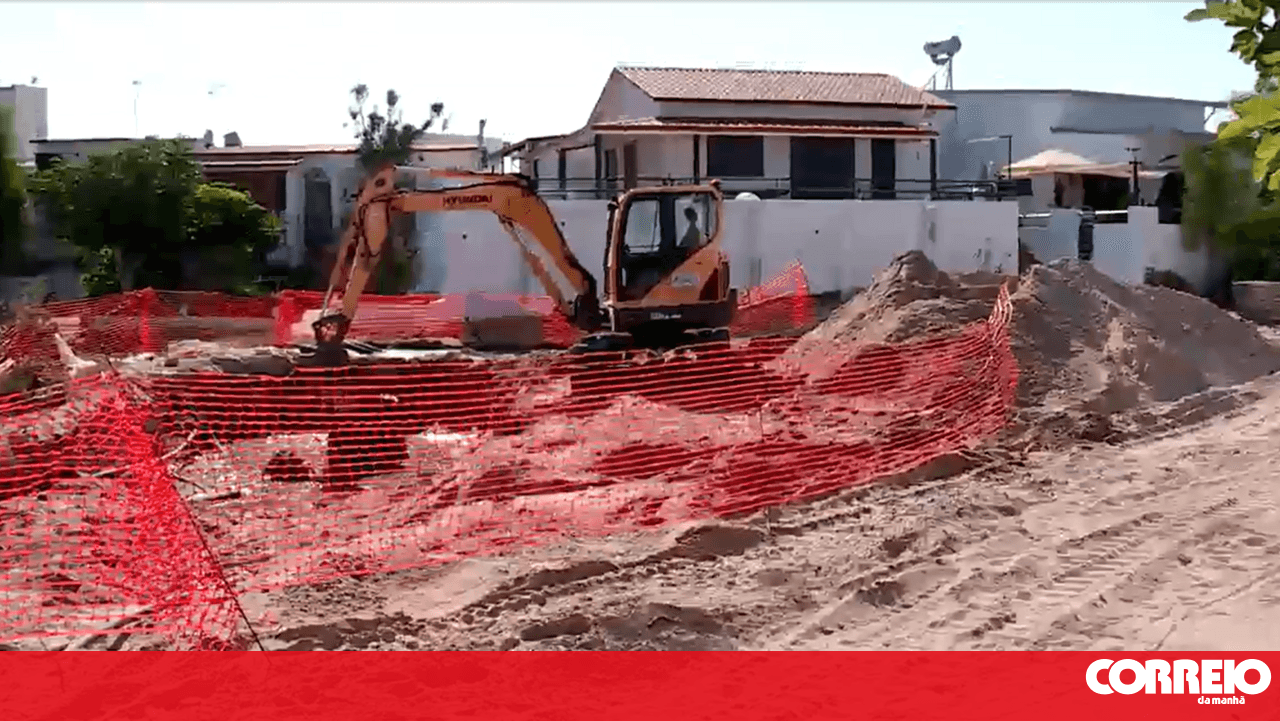
'Investigação CM' confronted the entities involved and gained access to documents that help explain how the structure was authorised.
Home News Portugal city among the best to find public toilets Portugal city among the best to find public toilets When “nature calls” while away from home, access to basic sanitation and hygiene infrastructure in public spaces is critical.

The lack of basic sanitation in the localities of Vale Carvão and Bonflorido led to the submission of a petition with 300 signatures to the Municipal Assembly of Torres Novas requesting a resolution to the problem.
The Águas de Portugal group estimates that the recovery of infrastructure to restore the operating conditions of basic sanitation systems, following recent storms, will cost around 40 million euros, it was announced today.
Recent storms have tested the country's water supply and sanitation systems. The rehabilitation programme includes inspection of critical assets and stabilisation of structures.

In the summer of 2025, the sewage system suffered ruptures that led to the closure of Nazaré beach for swimming on three separate occasions.

The Directorate‑General for Health (DGS) warns of risks to the safety of water and food after Storm Kristin and associated power outages, recommending precautions regarding consumption, food handling and sanitation to protect public health. The DGS issued a set of recommendations on Thursday night following the storm that affected ...

Regarding sanitation, the authority recommends that, whenever possible, you should continue to use the toilet, but avoid pouring away/disposing of used water if the sewage network is out of service.
