Euribor rates begin to rise in initial reactions to the war in the Middle East
Oil prices have risen and continue to climb, which brings a potential inflationary crisis onto the horizon

Latest news and stories about mortgages in property in Portugal for expats and residents.
Oil prices have risen and continue to climb, which brings a potential inflationary crisis onto the horizon

Buying a house in Portugal seems impossible? We discuss 100% mortgages, the housing crisis, banks, and mistakes to avoid with João Zoio.

Euribor rates, which serve as the benchmark for variable-rate mortgage loans, rose this Tuesday across all maturities. With these changes, the three-month rate, which climbed to 2.029%, remains below the six-month (2.161%) and 12-month (2.225%) rates. The six-month Euribor rate, which in January ...

Repayments on a €150,000 loan, due for review in February, will move to between €634 and €652.

Households with mortgages tied to the six-month Euribor — the most commonly used term — will see their monthly instalments increase in February. The change raises borrowing costs and is likely to squeeze household budgets as loan repayments climb.

The Euribor rate rose today for the three- and six-month terms and fell for the 12-month term compared with Thursday, and ends January with averages declining across all three maturities.
CNN Portugal's executive editor, Vítor Costa, predicts that the instalments paid to banks may rise or fall following a drop in Euribor rates in January.

Borrowers whose mortgage is up for review next month will only see a reduction in their repayment if their contract is indexed to the 6‑month or 12‑month Euribor. Holders of loans indexed to the 6‑month Euribor will see a slight increase in their repayment. Despite these fluctuations, Euribor rates fell in January across all maturities for the first time in five months. Check your situation.

The total stock of loans to individuals increased by 9% year‑on‑year, reaching €145 billion at the end of 2025.

Stabilised interest rates, steady demand and greater financial literacy are shaping the credit sector. Rui Lopes, CEO of Simplefy, explains why 2026 could repeat the positive performance of 2025 and what challenges the market faces.

Rui Lopes, chief executive of Simplefy, says recent lengthening of mortgage repayment terms may be a temporary market response rather than a permanent shift. He argues 100% financing is a pragmatic solution to the widespread shortfall in household savings for deposits, while noting longer terms can mismatch actual housing tenure since borrowers typically do not stay in their first home for the full 30–40 years implied by those mortgages. The remarks highlight trade-offs between short-term access to property and longer-term affordability and risk.

Bankinter reports it has utilised approximately 30% of the public guarantee allocated for housing and intends to utilise the full quota, aiming to reach 100%.

Bankinter has already used 30% of its €60 million allocation from the State guarantee scheme for mortgages for young people, launched a year ago, but it wants more and intends to ask the Government for an increase. “Our objective is to use 100% of the guarantee. If there is the option to request more, we will also ...”

Economist João Rodrigues de Santos warns that a public guarantee scheme is encouraging young people to take on mortgages with high repayments and minimal financial headroom, just as Portugal faces major international uncertainty. With wages among the third‑worst in the EU, the end of pandemic-era supports and the prospect of rising interest rates, many borrowers — including first-time buyers and expats — are exposed to rapid financial distress. The combination of weak income growth, a heated property market and policy incentives to lend underestimates downside risks; the commentator argues for tighter underwriting, better safety nets and targeted borrower support to reduce systemic vulnerability.
Update: The economist reiterated in a CNN Portugal piece that the public guarantee is actively pushing young buyers into mortgages with high repayments and little buffer amid heightened international uncertainty. He highlighted that the withdrawal of pandemic-era supports and the prospect of rising interest rates mean many borrowers — notably first-time buyers and expatriates — could rapidly fall into financial distress, strengthening his call for stricter underwriting standards and targeted safety nets to contain systemic risk.

The Euribor rate rose this Monday, 12 January, for three- and six-month terms and fell for the 12-month term compared with Friday. With the changes, the three-month rate, which rose to 2.020%, remained below the six-month (2.130%) and 12-month (2.249%) rates. The six-month Euribor rate, which moved to ...

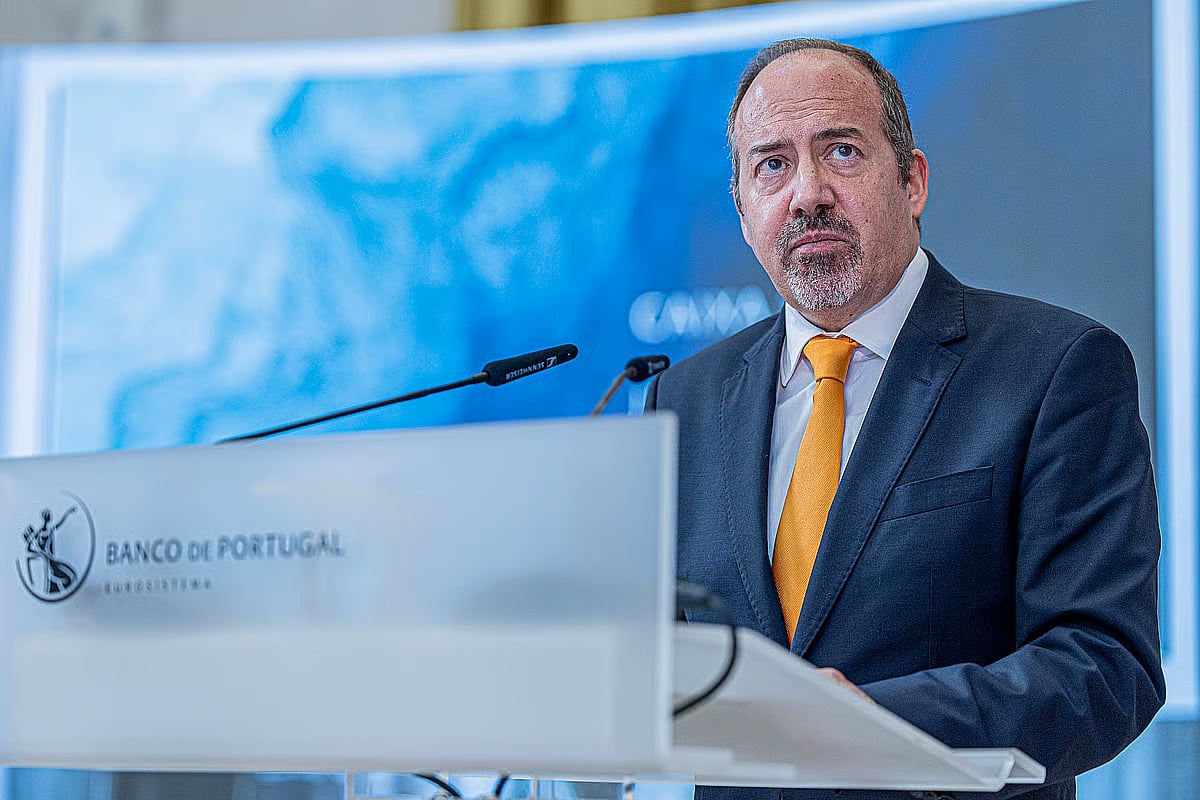
Statements by the governor of the Bank of Portugal indicate some “pressures” to soften macroprudential recommendations on credit. The Ministry of Finance may change the rules.

Mortgage renegotiations fell in November to €414 million, marking the first month-on-month decline since June, according to data published today by the Bank of Portugal (BdP).
Home Business Euribor rate falls for three months Euribor rate falls for three months The Euribor rate fell for three months, remained unchanged for six months, and rose for 12 months compared to Monday, 5 January.

Borrowers with variable-rate mortgages linked to the 3- and 6-month Euribor will see their monthly repayments increase.

Repayments on loans with shorter‑term rates have recorded slight increases, but are heading towards stabilisation.

The value of housing loans increased 9.8% in November year-on-year compared with November 2024, marking the 23rd consecutive month of growth, with the stock of credit totalling €110.1 billion, the Bank of Portugal said today.