ECB raises interest rates to 2.50 percent
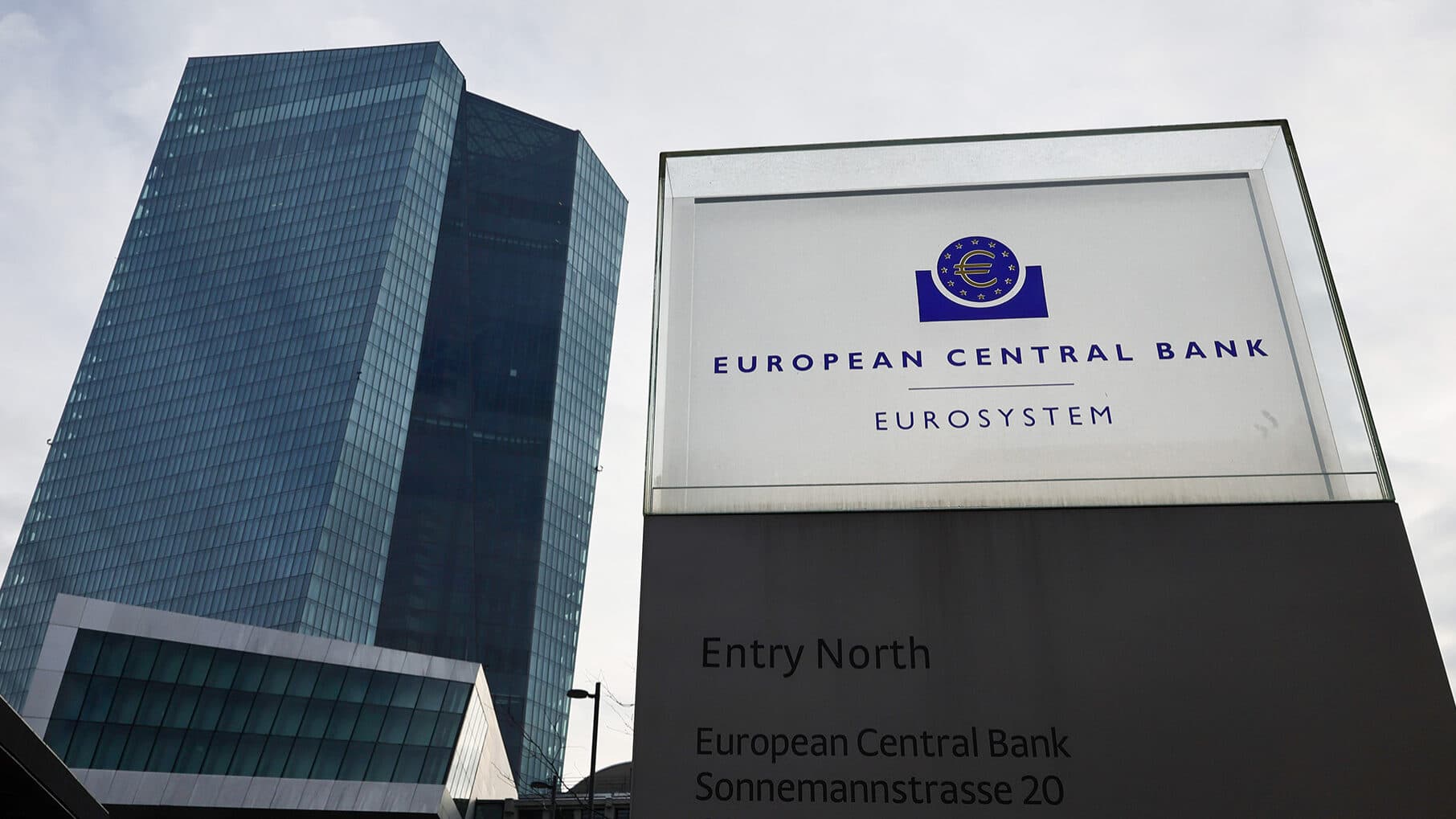
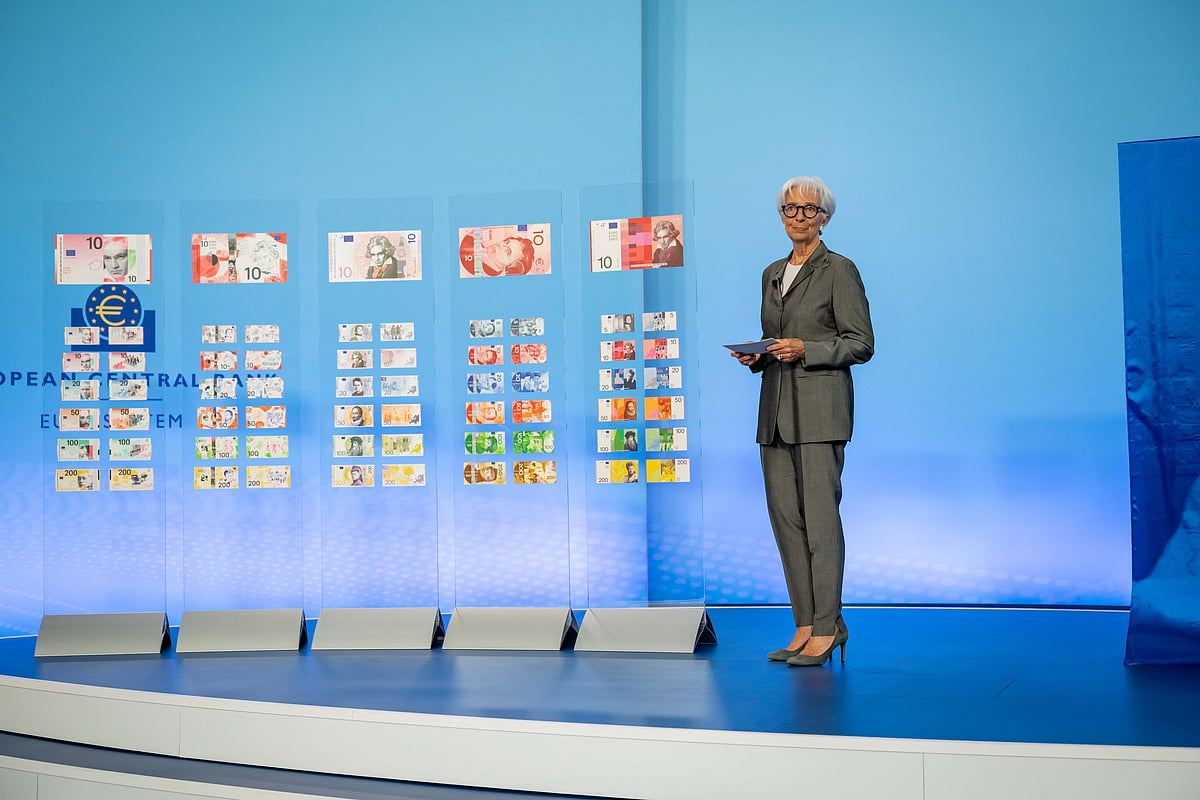
The European Central Bank (ECB) increased interest rates by 0.25 percentage points to 2.50% this Thursday, citing persistent inflation linked to energy costs and Middle East instability. ECB President Christine Lagarde declined to signal future moves, while opposition parties like the Left Bloc (BE) criticized the government's recent tax relief measures as insufficient to offset the impact of rising rates on household budgets.
The European Central Bank (ECB) is the central bank for the euro area responsible for setting interest rates, maintaining price stability and overseeing banking supervision across euro‑zone countries. The vice‑president is a senior policymaker at the ECB, so a nomination from Portugal would increase Portuguese influence on decisions that affect mortgages, savings and inflation across the euro area.

- Leader: Currently vacant (Mariana Mortágua resigned October 2025)
- Ideology: Democratic socialism, eco-socialism, feminism
- Founded: 1999
The Left Bloc (Bloco de Esquerda, BE) is a Portuguese left-wing party founded in 1999 as a coalition of far-left movements (UDP, PSR, and Política XXI). It positioned itself as a modern, progressive alternative to the traditional left, attracting younger urban voters with campaigns on social justice, LGBTQ+ rights, drug policy reform, housing, and labor protections.
The party's peak influence came during the 2015–2019 Geringonça ("contraption") government, when it supported António Costa's PS minority administration alongside the PCP. This arrangement reversed austerity measures and presided over economic recovery, giving BE significant policy leverage.
Since then, the party has suffered a sharp electoral decline — from 19 seats in 2015 to just 1 seat in the May 2025 election, its worst result in history. Leader Mariana Mortágua resigned in October 2025 after failing to reverse the slide. The party is currently undergoing a leadership contest and internal debate about its future direction, squeezed between the PS on one side and Livre on the other.