Euribor rates, which serve as the benchmark for variable-rate mortgage loans, rose this Tuesday across all maturities. With these changes, the three-month rate, which climbed to 2.029%, remains below the six-month (2.161%) and 12-month (2.225%) rates. The six-month Euribor rate, which in January ...
Euribor rates rise across all maturities
Tuesday, 3 February 2026RSS
Context & Explainers
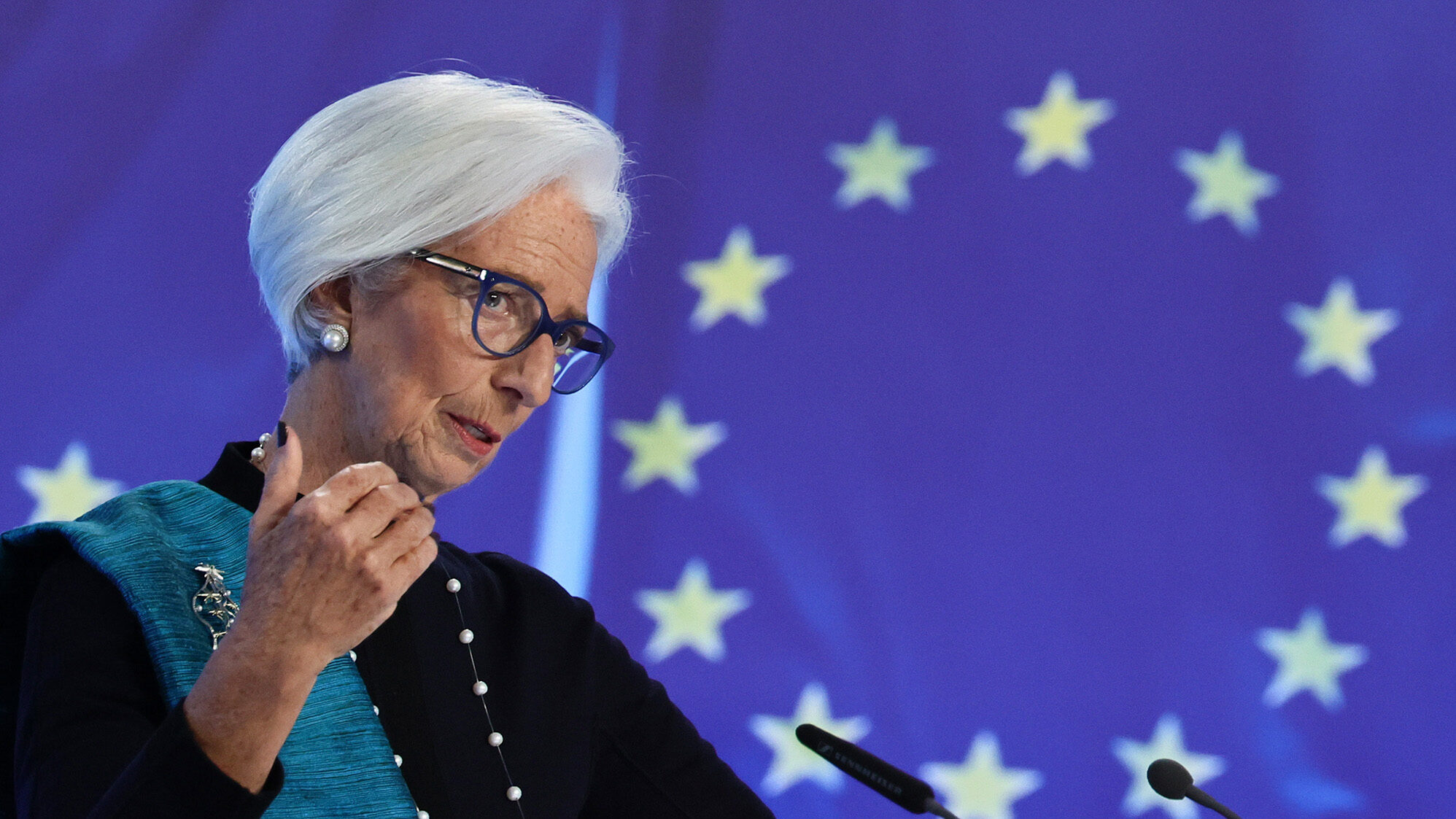
Euribor (Euro Interbank Offered Rate) is the benchmark interest rate at which major European banks lend to each other. It directly affects most variable-rate mortgages in Portugal, where the vast majority of home loans are indexed to 3-month, 6-month, or 12-month Euribor rates.
When Euribor rises, monthly mortgage payments increase at the next review date; when it falls, payments decrease. The European Central Bank's (ECB) monetary policy decisions are the primary driver of Euribor movements — rate hikes push Euribor up, while cuts bring it down.
Euribor peaked above 4% in late 2023 after aggressive ECB tightening, then gradually declined through 2024–2025 as the ECB began cutting rates. Portuguese homeowners with variable-rate mortgages should track Euribor trends and their mortgage review dates to anticipate payment changes.