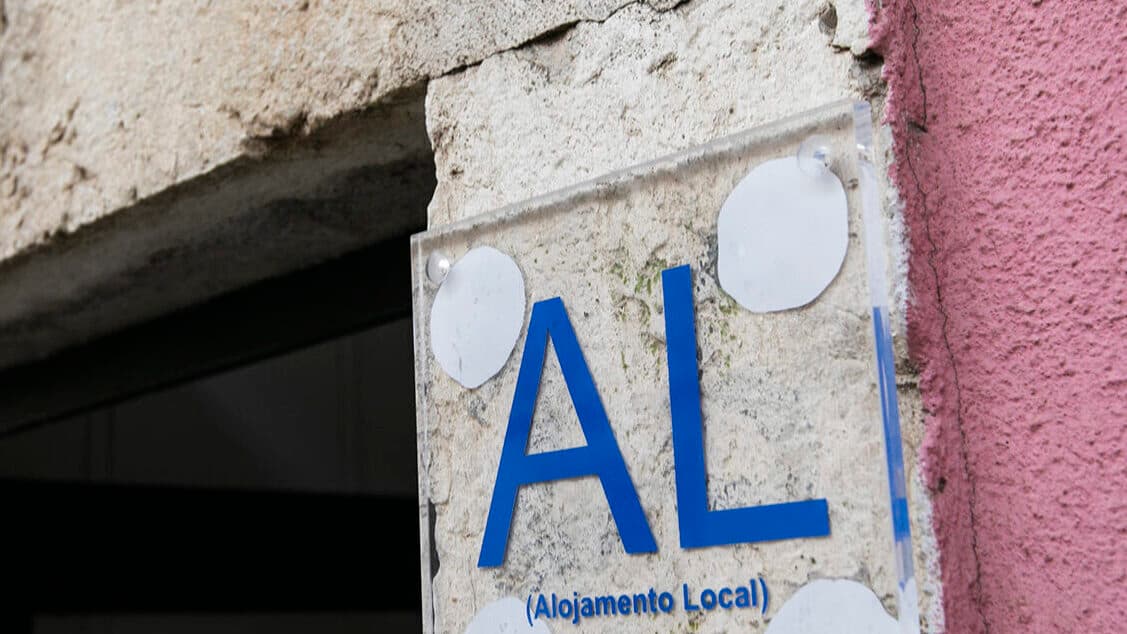
Latest news and stories about local accommodation in property in Portugal for expats and residents.
Patrícia Barão, the new head of the largest association of estate agents, praises the Government's measures but says they were “poorly communicated”. She calls for changes to the law to give landlords more “confidence”.

The Grant-holder Statute prevents grant-holders from being paid to teach at their host institution. Changing a single clause would allow the institution to top up the grant. Opinion piece by Federico Herrera

Orlando Ramalho recalls the prime minister's promise that 'no one was going to be left without a home'. It has yet to be fulfilled.

Rising rental costs are forcing many households to take in unrelated people or share accommodation with strangers to afford housing, creating overcrowding, reduced privacy and added financial stress. Reports highlight families and single parents accepting lodgers or merging households as a survival strategy amid tight supply and high rents. Tenants and those searching for rental housing should factor in increased competition and consider contract safeguards before taking on housemates.
Update: Público republishes Lusa interviews with personal testimonies that detail crowded living arrangements and financial stress, including accounts of mothers sharing rooms with daughters and of households foregoing appliances, reinforcing earlier reporting on worsening overcrowding and basic-living pressures caused by high rents.
In Lisbon, Vitória lives with her boyfriend and her daughter in a three-bedroom flat shared with another family — a mother who has two daughters. In Porto, Gabriela sleeps in the same room as her two 16-year-old daughters. There are increasing cases of families sharing homes.

Faced with high housing prices, these teachers turned to the housing programme run by Oeiras City Council, which has supported 78 teachers since 2019. They describe what it's like to live in a residence.

The Douro region has secured €20 million of approved investment, but further projects are stalled or cannot go ahead because of insufficient financing.

This scenario repeats every year. A seafront restaurant is at imminent risk of collapse.

Inflation has hit the hospitality sector, but for neighbourhood cafés and many restaurants the main threat is pressure from the property market. With every patisserie that closes, the neighbourhood crumbles.

Algarve luxury resort Vale do Lobo has been awarded the “ESG Engaged” seal, granted by national tourism authority Turismo de Portugal in December 2025, which recognises the resort’s commitment to The post Vale do Lobo awarded ‘ESG Engaged’ seal of success appeared first on Portugal Resident.

So far, CCDR Centro has made payments to 57 applications (35 in the municipalities of Albergaria-a-Velha and Aveiro) to support the construction, reconstruction or renovation of homes.

As the government opts to pay Brussels handsomely (€8.4 million) in order NOT to receive 420 asylum seekers, PSP police have delivered their 2025 report on efforts to get to The post Immigration: around 900 immigrants registered to 56 ‘illegal residences’ in Porto appeared first on Portugal Resident.

Several presidential candidates attended the demonstration between Largo de Camões and the parliament. Also, Leiria City Council provided almost €410,000 in rental support over the past year.

PS unveils a package of urgent measures to tackle the housing shortage in Lisbon

The party calls for the transfer of land to the municipality in private urban development projects to enable the development of public housing.

Housing prices have risen to levels that many describe as obscene, driven by a mix of constrained local supply, strong demand, low borrowing costs and investor activity. The resulting price inflation has undermined affordability, altered living choices and intensified regional disparities in property markets. Policy responses and planning changes will be central to cool inflation and expand accommodation options in affected areas.

The Socialist Party (PS) will submit a bill titled “Coming Home” to Parliament proposing the creation of transitional residences aimed at reducing social institutionalisation. The policy seeks to shift care from large institutions to local, secure accommodation that supports reintegration, bridging healthcare and housing needs. Analytically, the measure could advance deinstitutionalisation and community-based care, but its success will depend on funding, local delivery capacity, regulatory safeguards and clear pathways to permanent housing.

Nuno Leal, co‑CEO of Doutor Finanças, says the tax measures in the government’s housing plan — due to be debated in Parliament on Friday — should help increase supply in the market. He concedes the package tends to favour property owners and landlords but considers it “relatively balanced”, noting the measures are centred on those who hold property while aiming to ease supply constraints. The assessment focuses on likely effects on rental supply and owner incentives rather than specific legislative detail.

The Government's housing plan, due for debate and a vote on Friday, is expected to pass after Chega signals it will abstain. Although Chega's final voting decision is not yet locked in, the party led by André Ventura intends to abstain so it can later table and negotiate amendments during the committee stage. The abstention effectively allows the bill to advance despite the Government lacking a clear majority, with potential implications for property costs, local housing policy and market regulation as the measure moves to detailed scrutiny.

Benfica members approved the “Benfica District” project at an extraordinary General Assembly, with 59.24% voting in favour. The development — a campaign pledge of re-elected president Rui Costa — aims to transform the area around the Estádio da Luz, increase stadium capacity and will have material implications for the club's revenue streams, the local property market and urban infrastructure planning.


Portugal Resident •

Portugal Resident •