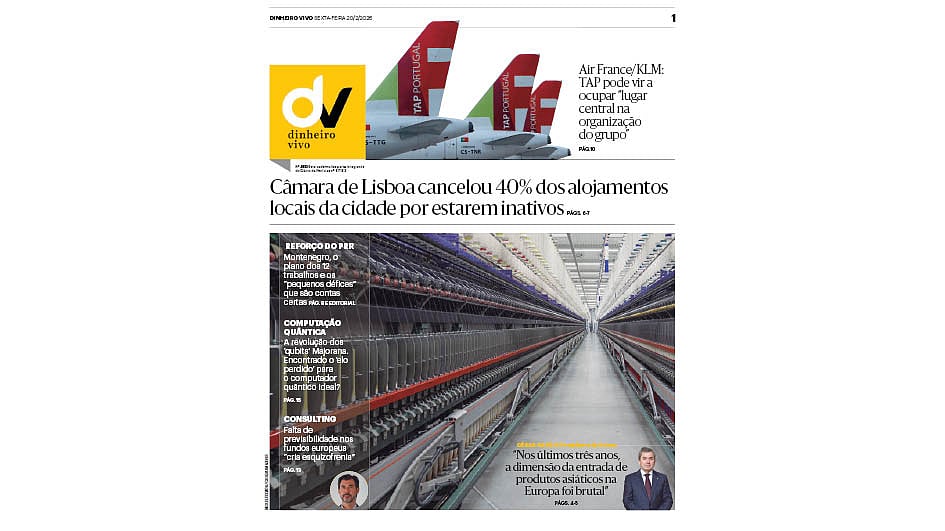
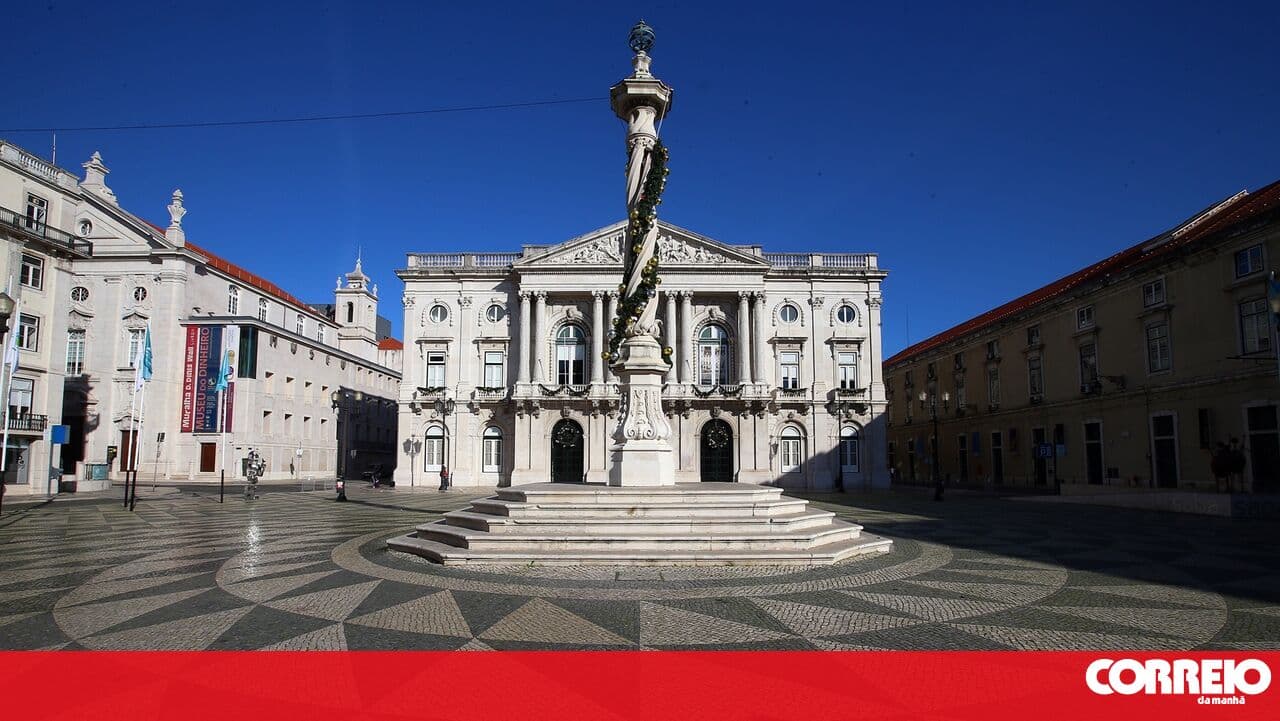
The Lisbon City Council has cancelled 40% of local accommodations due to inactivity, marking a significant move in the city's management of 'ghost' AL licenses. This week's highlights also include insights from César Araújo on the influx of Asian products into Europe, discussions on the PRR, and advancements in Quantum Computing. Other topics cover the unpredictability of European funds and TAP's potential role within the Air France/KLM group.
Benfica members approved the “Benfica District” project at an extraordinary General Assembly, with 59.24% voting in favour. The development — a campaign pledge of re-elected president Rui Costa — aims to transform the area around the Estádio da Luz, increase stadium capacity and will have material implications for the club's revenue streams, the local property market and urban infrastructure planning.
Brussels further argues that limiting local accommodation, on its own, does not solve the housing shortage, and that measures to increase supply are necessary, namely through construction and rehabilitation.
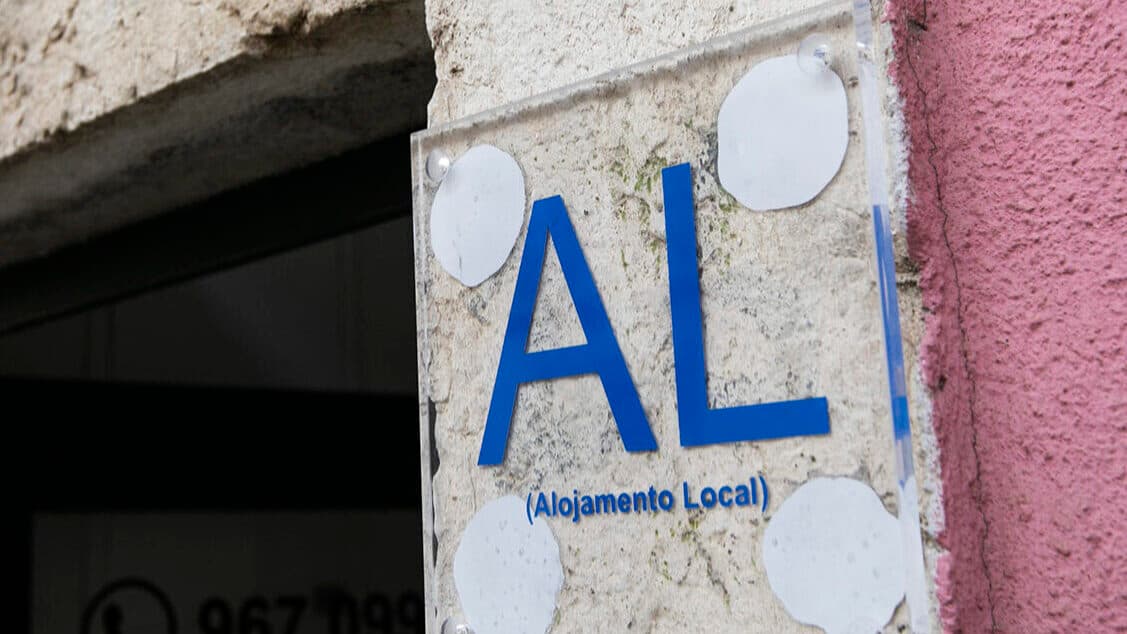
Portuguese local authorities have already cancelled 10,324 local accommodation (AL) registrations as part of a review of establishments deemed inactive, a process that has been ongoing since the end of last year, reports Diário de Notícias. Lisbon City Council was the first to act, ordering the cancellation of 6,765 of the approximately 19,000 units.
The cancellation of thousands of Local Accommodation registrations in Lisbon has led to adjustments in containment measures in the capital. Discover this and other highlighted news in the national press this Monday. The 'cleaning' of Local Accommodation registrations led to a change in containment rules in Lisbon. The cancellation of thousands of Local Accommodation registrations...
In February, the European Commission chose Lisbon to present its plan to address the housing crisis, a problem driven by a lack of affordable properties and soaring costs for both purchase and rent. While Brussels aims to boost construction and regulate short-term rentals, these goals face significant hurdles, including labour shortages in an anti-immigration political climate and pressure from the tourism industry. Meanwhile, the financial burden on citizens is intensifying: Euribor rates are rising, and 2025 data shows a record 17.6% increase in housing prices, with transaction values reaching 41.2 billion euros. Despite these costs, demand remains high, particularly in Greater Lisbon. European Commissioner Dan Jorgensen has declared that having a home is a human right, yet without decisive political action, there is a growing risk that homeownership will become a privilege reserved for the few.
Increasing housing supply and facilitating access through direct support or tax incentives were the goals set by the AD government when it presented its 'Construir Portugal' strategy in May 2024. Nearly two years later, the measures have not been able to stem the continuous rise in house prices, which climbed nearly 18% in the third quarter of 2025 year-on-year. The average price per square metre nationwide reached 3,000 euros, rising to 4,500 euros in Lisbon, which is a major source of dissatisfaction for the Portuguese people. Repeatedly breaking records, real estate inflation has been the combined effect of a deficit in new construction and available properties, a very rapid and constant increase in demand—driven by tourism, immigration, digital nomads, and golden visas—and a lack of units on the market at controlled prices. To address the supply shortage, the government aims to accelerate the Recovery and Resilience Plan (PRR) to build 25,000 homes and finally release public buildings for affordable housing. Another change involves revising the Land Law to allow rustic land to be used for sustainable housing, such as affordable rentals or controlled-cost housing. More disruptive measures include support for young people and the middle class to buy homes, such as IMT and Stamp Duty exemptions for those under 35 buying their first home up to 316,000 euros, alongside a public guarantee for 100% bank financing. Regarding foreign investment, the government introduced 'cooling measures' by increasing IMT to 7.5% for non-residents to curb speculative demand, while offering exemptions for those who become tax residents and commit to moderate-rent leases. In the rental sector, the government led by Luís Montenegro revoked forced leasing of vacant homes, reduced construction VAT to 6%, and lowered the IRS tax rate on rental income to 10% for landlords offering moderate rents. However, the 'moderate rent' cap was set at 2,300 euros per month, a figure considered high for the middle class. Additionally, restrictions on local accommodation licensing were revoked, and new measures were announced to facilitate the market entry of properties in undivided inheritance processes.
The Chega party member was dismissed from her position as a board member for social services at the Lisbon City Council after it was revealed she was allegedly renting out clandestine housing to immigrants.
The Chega party member was dismissed from her position as a board member for social services at the Lisbon City Council after it was revealed she was allegedly renting out clandestine housing to immigrants.
The Chega MP wants consequences to be taken following the report aired by RTP regarding the case of Mafalda Livermore, the girlfriend of the Chega councillor, who was dismissed from the municipal Social Services for allegedly renting out clandestine housing to immigrants.
Jaime Quintas lived for 50 years in the Padre Cruz neighbourhood of Lisbon, until in November 2025, he was forced to leave his home by members of Gebalis.
The dispute centres on the Government's decision to exchange the former headquarters of the Ministry of Education for two buildings of the Open University in the Príncipe Real area.
The PS government announced that the former Ministry of Education building on Avenida 5 de Outubro would be converted into a new student residence, but the City Council opted for a different solution.
The Mayor of Lisbon calls for the creation of a specific plan to resolve the housing crisis, warning that municipal councils will be left without financial capacity after the programme ends.
Carlos Moedas justified the proposal, emphasising that “many councils, after June, are left with either national support or their own capital, but they do not have the capacity for such large amounts”.
The president of Lisbon City Council today called for a Recovery and Resilience Plan (PRR) dedicated solely to housing, emphasising that the programme in force until June 2026 is not sufficient to resolve the current crisis.
Three public higher education institutions submitted a proposal to create student accommodation in the former headquarters of the Ministry of Education on Avenida 5 de Outubro. They were willing to pay for the refurbishment in full, but never received a response.
Tiago Eiró is the CEO of Eastbank, which operates in the real estate sector and aims to transform the Príncipe Real area of Lisbon. Tiago Eiró has worked on and developed projects in dozens of countries.
The Government, through the Ministry of Infrastructure and Housing and the Ministry of the Environment and Energy, signed protocols this Thursday with several municipalities for the allocation of a total of €10 million, intended to improve the acoustic insulation of homes exposed to noise generated by Humberto Delgado Airport in Lisbon. Protocols were signed this ...
The opposition accuses the municipal council of facilitating the construction of new hotels in the city instead of properly addressing the housing crisis. The council refuses to alter policies without concrete data.
Antas da Cunha Ecija advised Lisbon Real Estate Limited on the sale of the entire share capital of Projeto Rua de Santiago — the company owning and operating the Hotel Santiago de Alfama, located in the historic centre of Lisbon — to Frozen Memory. With this transaction, the hotel's management will now be provided by a ...