The Lisbon City Council has cancelled 40% of local accommodations due to inactivity, marking a significant move in the city's management of 'ghost' AL licenses. This week's highlights also include insights from César Araújo on the influx of Asian products into Europe, discussions on the PRR, and advancements in Quantum Computing. Other topics cover the unpredictability of European funds and TAP's potential role within the Air France/KLM group.
By 20:00 mainland Portugal had recorded 713 incidents linked to severe weather, concentrated in the North region and Lisbon and the Tagus Valley. A landslide in Porto Salvo put a home at risk and prompted authorities to rehouse one family in Oeiras; emergency services managed widespread calls and localised interventions. The figures underline pressure on local emergency capacity and highlight continued public-safety and accommodation challenges as adverse conditions persist.
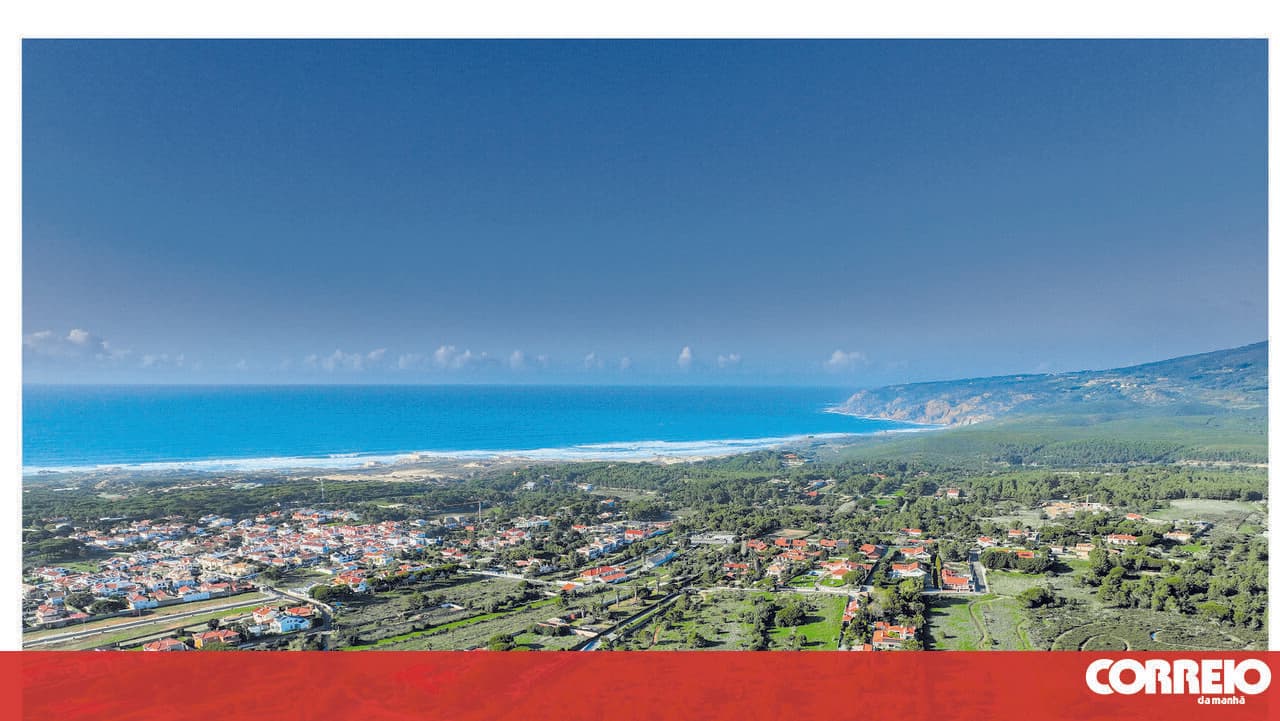
Cascais City Council has exercised its right of first refusal to buy 32 plots near Quinta da Marinha for €30 million, blocking a sale the owner had negotiated with two private firms. The council approved a loan to finance the acquisition, raising issues about use of public funds to secure strategic, high-value land in one of the municipality’s most expensive areas and the implications for local planning and market dynamics.
Benfica members approved the “Benfica District” project at an extraordinary General Assembly, with 59.24% voting in favour. The development — a campaign pledge of re-elected president Rui Costa — aims to transform the area around the Estádio da Luz, increase stadium capacity and will have material implications for the club's revenue streams, the local property market and urban infrastructure planning.
Brussels further argues that limiting local accommodation, on its own, does not solve the housing shortage, and that measures to increase supply are necessary, namely through construction and rehabilitation.
The company claimed it had not received any notification regarding the cancellation of its local accommodation license and was 'surprised' three weeks ago by the municipal action.
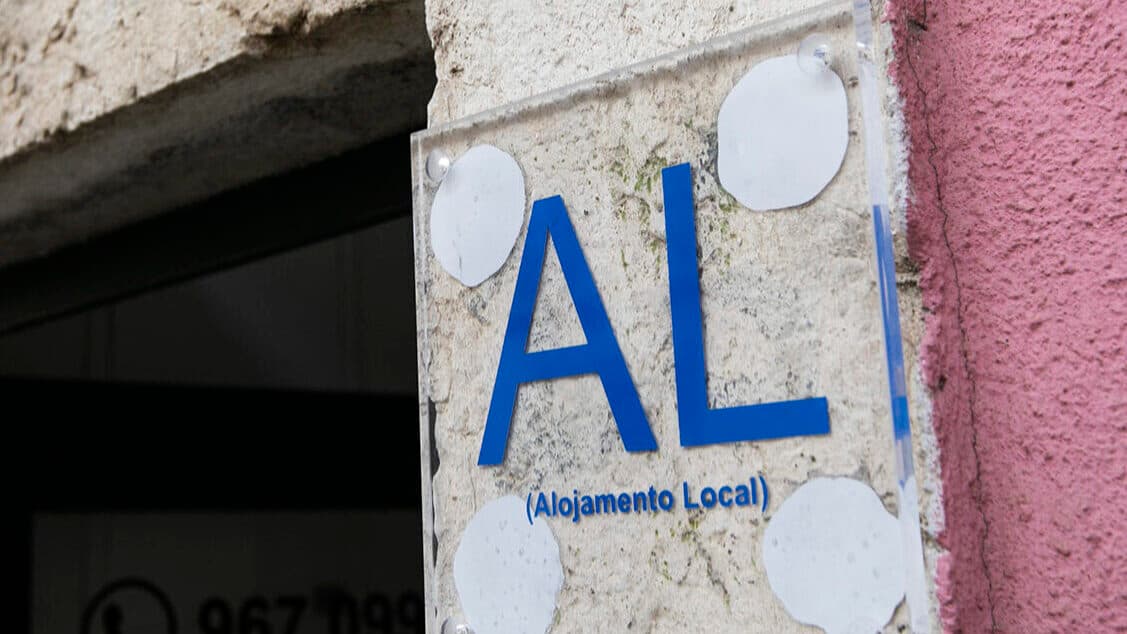
Portuguese local authorities have already cancelled 10,324 local accommodation (AL) registrations as part of a review of establishments deemed inactive, a process that has been ongoing since the end of last year, reports Diário de Notícias. Lisbon City Council was the first to act, ordering the cancellation of 6,765 of the approximately 19,000 units.
The cancellation of thousands of Local Accommodation registrations in Lisbon has led to adjustments in containment measures in the capital. Discover this and other highlighted news in the national press this Monday. The 'cleaning' of Local Accommodation registrations led to a change in containment rules in Lisbon. The cancellation of thousands of Local Accommodation registrations...
In February, the European Commission chose Lisbon to present its plan to address the housing crisis, a problem driven by a lack of affordable properties and soaring costs for both purchase and rent. While Brussels aims to boost construction and regulate short-term rentals, these goals face significant hurdles, including labour shortages in an anti-immigration political climate and pressure from the tourism industry. Meanwhile, the financial burden on citizens is intensifying: Euribor rates are rising, and 2025 data shows a record 17.6% increase in housing prices, with transaction values reaching 41.2 billion euros. Despite these costs, demand remains high, particularly in Greater Lisbon. European Commissioner Dan Jorgensen has declared that having a home is a human right, yet without decisive political action, there is a growing risk that homeownership will become a privilege reserved for the few.
The boyfriend of the former member of the Lisbon City Council social services board says the mayor is the one who must explain the appointment and dismissal. The councillor dismisses Rita Matias's appeal for him to resign from his position.
Increasing housing supply and facilitating access through direct support or tax incentives were the goals set by the AD government when it presented its 'Construir Portugal' strategy in May 2024. Nearly two years later, the measures have not been able to stem the continuous rise in house prices, which climbed nearly 18% in the third quarter of 2025 year-on-year. The average price per square metre nationwide reached 3,000 euros, rising to 4,500 euros in Lisbon, which is a major source of dissatisfaction for the Portuguese people. Repeatedly breaking records, real estate inflation has been the combined effect of a deficit in new construction and available properties, a very rapid and constant increase in demand—driven by tourism, immigration, digital nomads, and golden visas—and a lack of units on the market at controlled prices. To address the supply shortage, the government aims to accelerate the Recovery and Resilience Plan (PRR) to build 25,000 homes and finally release public buildings for affordable housing. Another change involves revising the Land Law to allow rustic land to be used for sustainable housing, such as affordable rentals or controlled-cost housing. More disruptive measures include support for young people and the middle class to buy homes, such as IMT and Stamp Duty exemptions for those under 35 buying their first home up to 316,000 euros, alongside a public guarantee for 100% bank financing. Regarding foreign investment, the government introduced 'cooling measures' by increasing IMT to 7.5% for non-residents to curb speculative demand, while offering exemptions for those who become tax residents and commit to moderate-rent leases. In the rental sector, the government led by Luís Montenegro revoked forced leasing of vacant homes, reduced construction VAT to 6%, and lowered the IRS tax rate on rental income to 10% for landlords offering moderate rents. However, the 'moderate rent' cap was set at 2,300 euros per month, a figure considered high for the middle class. Additionally, restrictions on local accommodation licensing were revoked, and new measures were announced to facilitate the market entry of properties in undivided inheritance processes.
The Chega party member was dismissed from her position as a board member for social services at the Lisbon City Council after it was revealed she was allegedly renting out clandestine housing to immigrants.
The Chega party member was dismissed from her position as a board member for social services at the Lisbon City Council after it was revealed she was allegedly renting out clandestine housing to immigrants.
The Chega councillor, whose girlfriend is involved in a controversy regarding houses rented to immigrants, also states that Rita Matias is following bad advice.
Almost a century after debuting in service to the community with the Children's Seaside Colony in Estoril, the current foundation has a new project that combines tourism with solidarity.
The Chega MP wants consequences to be taken following the report aired by RTP regarding the case of Mafalda Livermore, the girlfriend of the Chega councillor, who was dismissed from the municipal Social Services for allegedly renting out clandestine housing to immigrants.
The €1.5 million tourism project is located on a farm donated to the Foundation in 2022 and benefited from 'green financing' from BPI for adhering to sustainability principles.
Appointed by Moedas to the City Hall's Social Services, she rents out houses in disgraceful conditions to illegal immigrants. She is the girlfriend of the Chega councillor.
Appointed by Moedas to the City Hall's Social Services, she rents out houses in disgraceful conditions to illegal immigrants. She is the girlfriend of the Chega councillor.
The article highlights recent notable events in Portugal, including the emotional farewell of António Lobo Antunes, a renowned Portuguese author, marked by moments of laughter, tears, and Benfica football club references. It also reports the death of Nuno Morais Sarmento, a former minister, at age 65. Politically, a member of the Chega party was dismissed from the Lisbon City Hall after renting out substandard housing. Additionally, the article mentions the detention of seven police officers involved in torture at the Rato police station, who are now under preventive detention. These updates reflect significant cultural, political, and social developments in Portugal.
The Ohai Peniche, a hotel that will occupy the site of the former municipal campsite, is already under construction, replicating the concept of Ohai Nazaré. This is part of Spanish group ILanga Capital's investment in two Portuguese locations linked to surfing and the sea. The Ohai brand was established as part of investments by Spanish millionaire Pelayo Cortina ...
Jaime Quintas lived for 50 years in the Padre Cruz neighbourhood of Lisbon, until in November 2025, he was forced to leave his home by members of Gebalis.
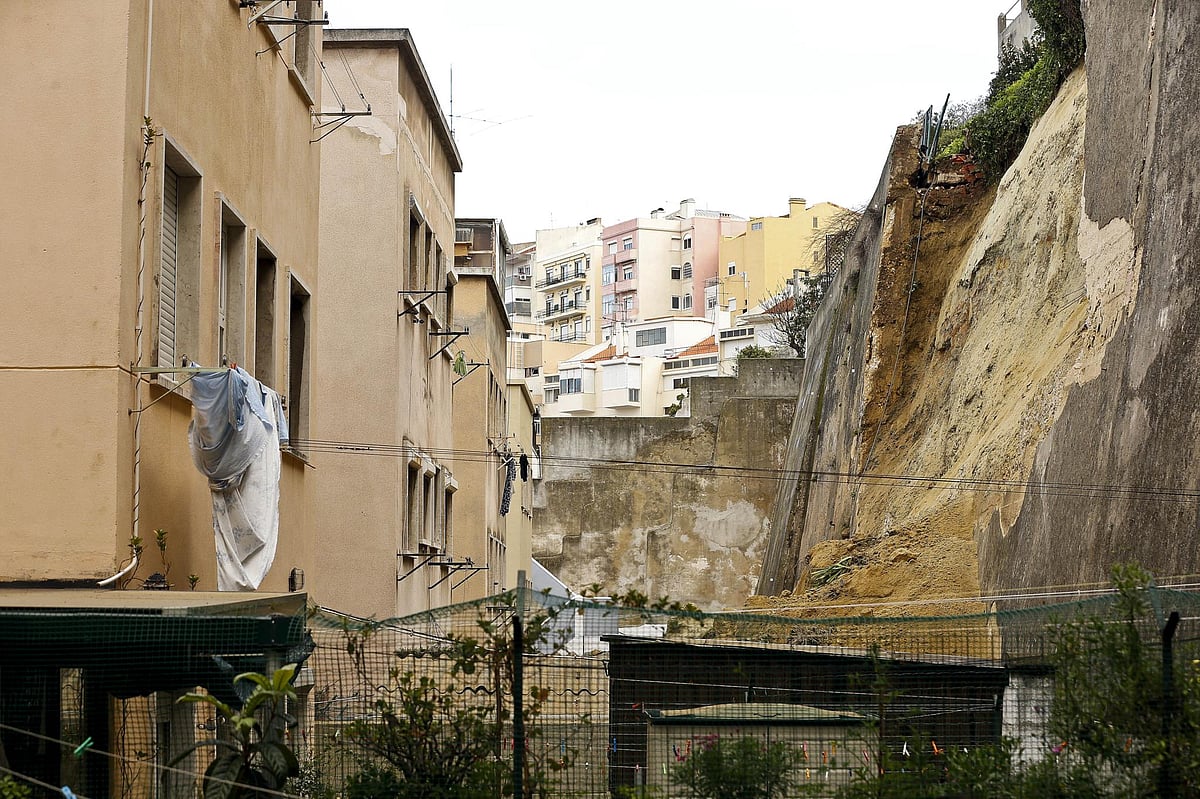
The Lisbon City Council is currently undertaking work to stabilize the slope in the Graça area after a landslide caused by bad weather, which continues to necessitate the relocation of residents, revealed the councillor for Works. Joana Baptista stated that they are already on site conducting topographic surveys and geological tests, and moving forward with a design/construction procedure for slope stabilization and water drainage. The councillor spoke during a meeting of the Lisbon Municipal Assembly, addressing questions from PEV and BE deputies regarding the landslide and the preventive evacuation of buildings. On February 10, a landslide was recorded in the Graça parish, leading to the evacuation of seven people from three buildings on Rua Damasceno Monteiro as a precautionary measure. According to Joana Baptista, the slope in question is between Rua Damasceno Monteiro and Travessa Terras do Monte, which has a significant area and has previously been addressed by the Lisbon City Council in 2010 and 2017 for consolidation and stabilization. Due to recent adverse weather conditions, another landslide occurred in an area that had not yet been intervened. All residents have been duly informed, and those who were relocated will have to remain so, as the houses still do not meet safety conditions. The outdoor areas of Rua Damasceno Monteiro will also remain closed for now. A major project is underway for the coming months. In this context, BE presented a recommendation for the council to take immediate measures for slope stabilization and containment, which was approved with votes against from IL and CDS-PP. Regarding the impacts of bad weather in the city, Lisbon Mayor Carlos Moedas stated that damage assessments are still being conducted but expects to present this information on Thursday, estimating damages in the millions of euros and emphasizing that the central government must respond. Moedas noted that recent storms caused over 2,000 incidents in the city, highlighting the need to intervene in over 200 streets to fill potholes and emphasizing the General Plan of Lisbon to minimize flood risks. The PS inquired about urban hygiene reforms, as the council plans to extend inter-administrative contracts until December 31, 2026, despite Moedas' management considering the delegation of powers to parish councils as the source of problems. The PSD mayor responded that a transition period is necessary, stating that from 2025, waste collection around eco-islands will be ensured by the City Council. The municipal group of IL questioned the Lisbon Without Wires programme, aimed at removing dead cables from facades and poles, with Urbanism councillor Vasco Moreira Rato revealing that 330 buildings have been intervened and about 37 kilometres of cables removed, with work continuing in the Baixa area and other neighbourhoods throughout the year.