

Over a thousand personnel fighting fires
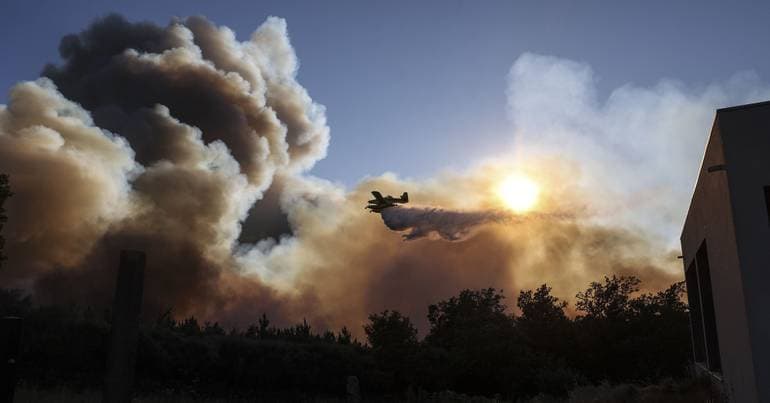
A fire in Oeiras has mobilised 43 personnel as the region remains under high alert, while other major fires in Vouzela are now contained but monitored for potential reignition.
observador.pt
Latest news and stories about severe weather in Lisboa, Portugal for expats and residents.

A fire in Oeiras has mobilised 43 personnel as the region remains under high alert, while other major fires in Vouzela are now contained but monitored for potential reignition.
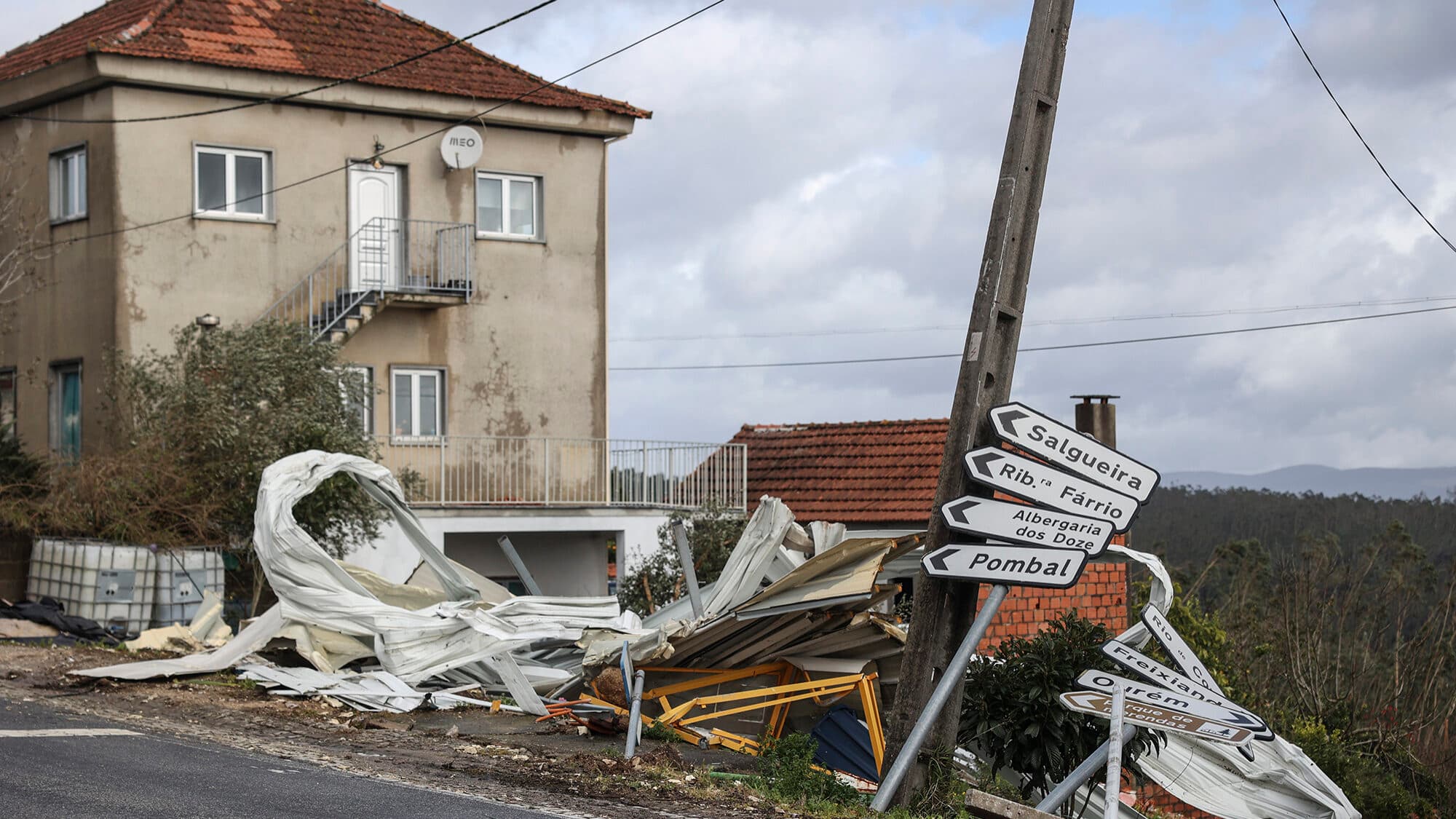
Recent severe storms in Portugal have caused extensive damage, prompting many families to seek insurance coverage, though policy limitations often leave them without the expected financial protection.
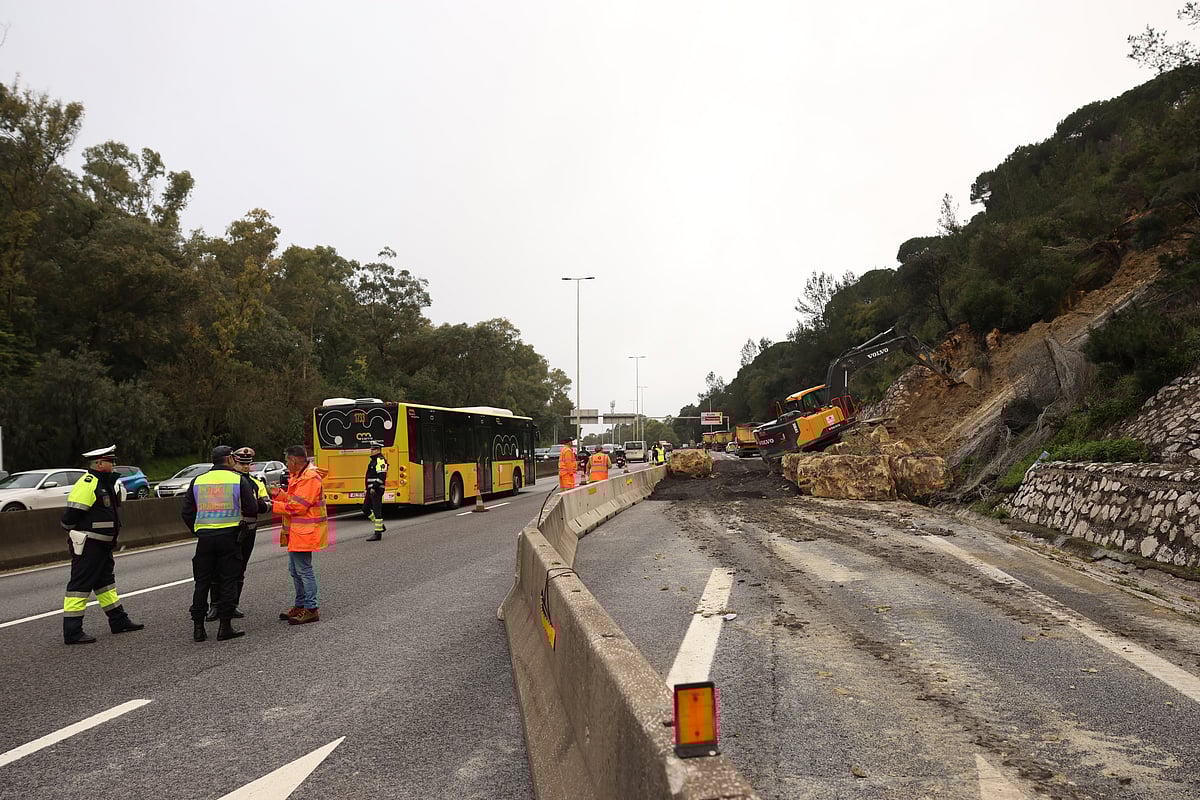
Brisa has reported that the landslide on the A5 motorway was caused by an abnormal volume of water due to recent storms, leading to soil instability and debris on the road. A technical analysis to determine a solution is expected to be completed next week. The president of Brisa announced that the company will not seek compensation from the Portuguese state for the landslide on the A1 near Coimbra, despite estimated losses exceeding three million euros. The storms have caused significant damage across the country, including fatalities and destruction of infrastructure.
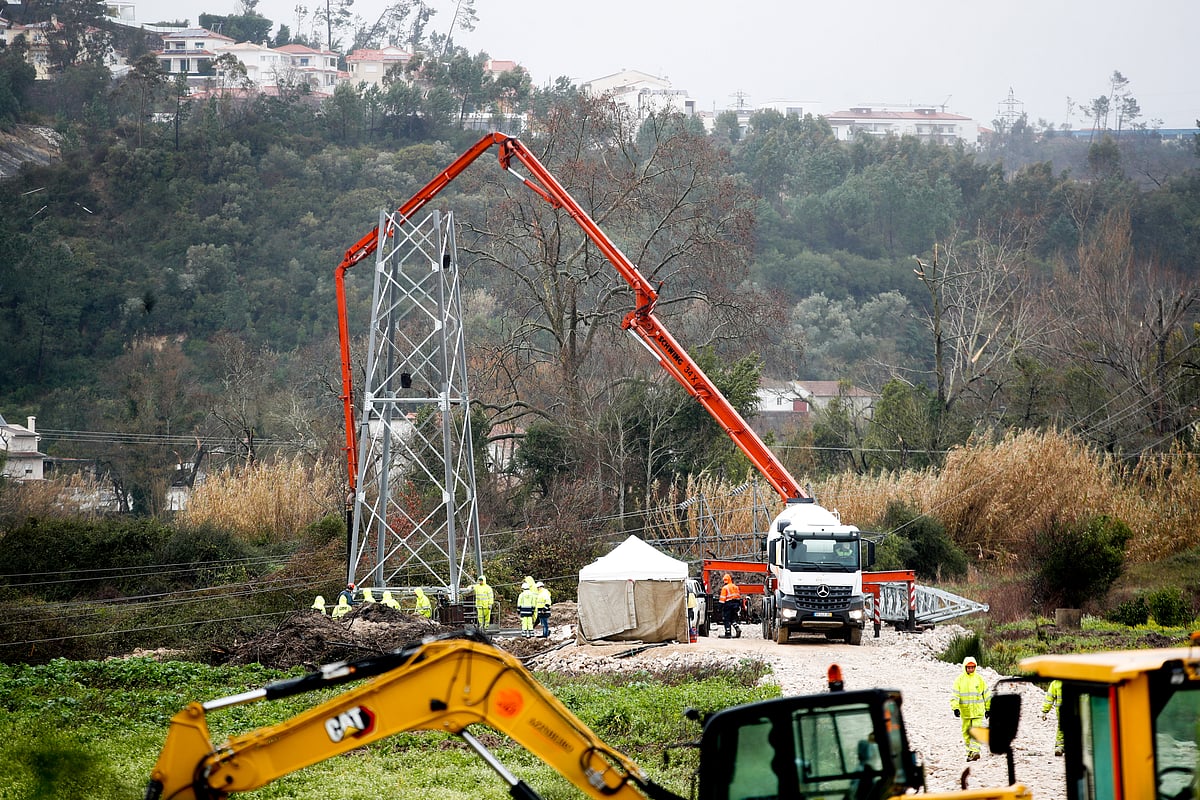
Approximately 1,800 customers of E-Redes in areas affected by storm Kristin remained without electricity as of 5:00 PM on February 22. The EDP group company stated it is focused on restoring electricity supply. Earlier, 4,500 customers were reported without power. The storms have caused significant damage, resulting in 18 fatalities and affecting 90,000 students due to school closures. The Central, Lisbon and Tagus Valley, and Alentejo regions were the most impacted, with estimated damages in Seixal around 15 million euros.
The Mission Structure for the Recovery of Affected Areas reports 34,000 applications — including over 25,000 pre‑registrations — for the €10,000 reconstruction support aimed at homes in the Centre and Lisbon and Tagus Valley, with roughly 9,000 formal submissions handled through the two CCDRs. Authorities also note 66,000 insurance activations (around 8,000 for companies), while the Intermunicipal Council of CIM Leiria met to assess the local calamity response. Transport disruptions persist: the A16 has reopened after a short closure caused by a fallen advertising sign, but Infraestruturas de Portugal reports restricted railway circulation on parts of the national network due to recent bad weather. The IPMA forecasts easing rain and improving conditions through the weekend, which may reduce further transport and recovery impediments. The situation highlights strong demand for reconstruction aid, large insurance mobilisation and ongoing infrastructure vulnerability to extreme weather.
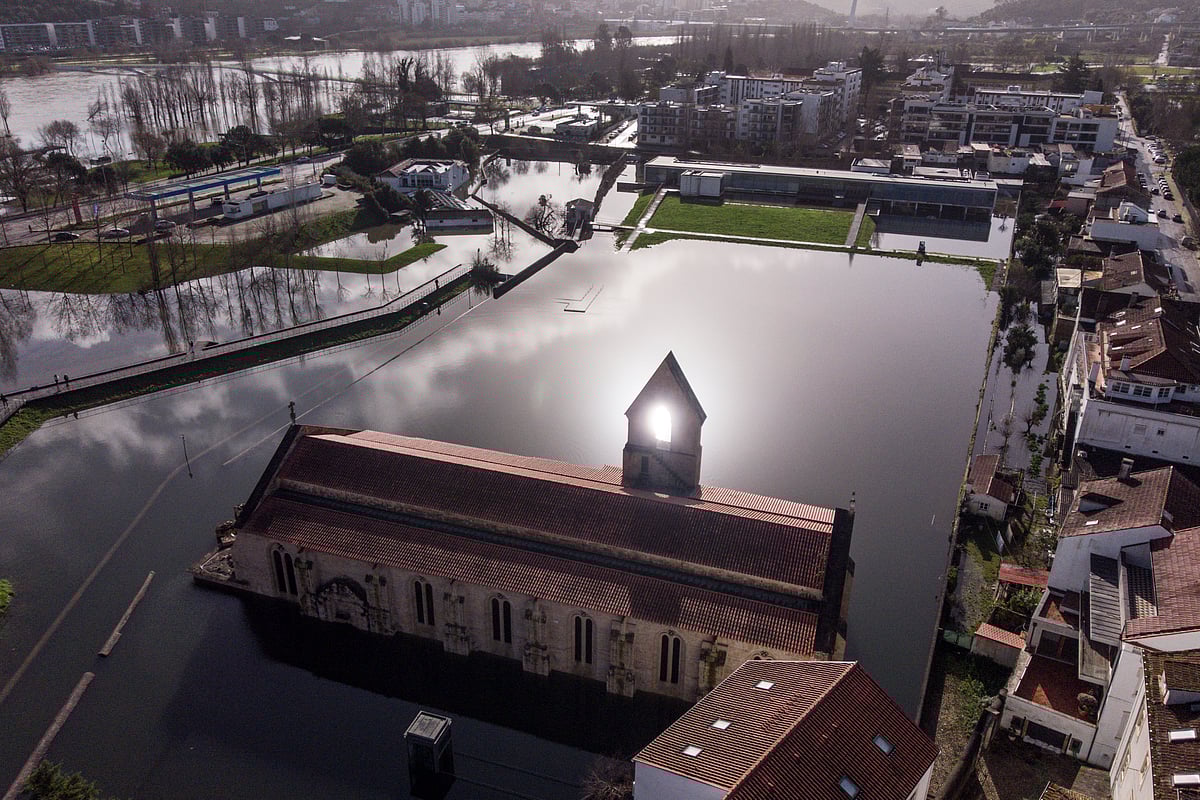
Satellite images reveal the severe flooding in the Tagus River basin in Portugal, caused by intense rainfall from three winter storms, as reported by the European Space Agency.

Around 1,200 individuals have been displaced in mainland Portugal due to severe flooding, particularly in the Central region. The evacuations were carried out as a preventive measure, affecting areas such as Beira Baixa, Coimbra, Leiria, and the Lisbon area.
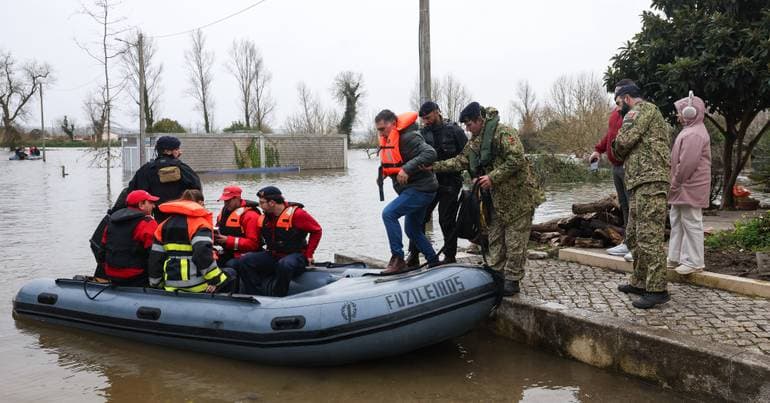
The arrival of Depression Marta is expected to bring heavy rain to Lisbon and Setúbal, with the most concerning period being between morning and early afternoon. Areas already facing complications may experience the worst impacts as this is the third depression to hit the region in a short span of time.
Train services on the North Line between Castanheira do Ribatejo and Alverca have been suspended since 6am due to flooding on the railway. The local council is also restricting access to the Tagus River at Terreiro do Paço as a safety measure.
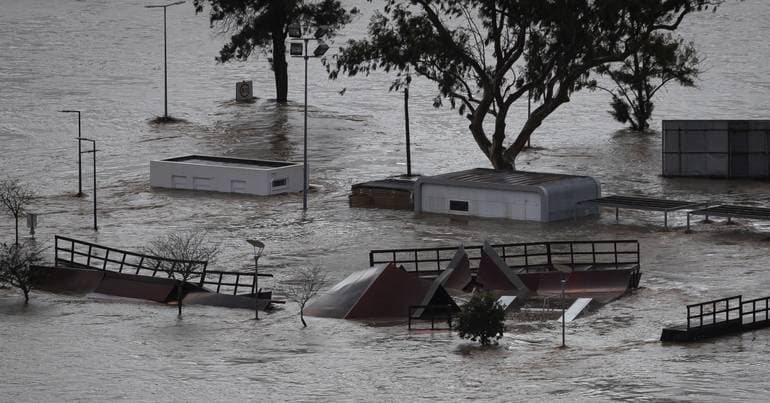
Rail services on the Linha do Norte between Castanheira do Ribatejo and Alverca (Vila Franca de Xira, Lisbon) were suspended at about 06:00 due to flooding of the track, CP – Comboios de Portugal confirmed. The suspension affects local commuter links on this section and comes as the declared state of calamity for the area has been extended until 8 February; authorities and the operator are monitoring conditions and assessing restoration timelines.
The population is advised to avoid outdoor exertion, and vulnerable individuals are encouraged to stay indoors whenever possible.

A brush fire in the parish of Agualva and Mira-Sintra (Sintra municipality) has mobilised 152 firefighters and one aerial unit. The flames are not currently near any homes.
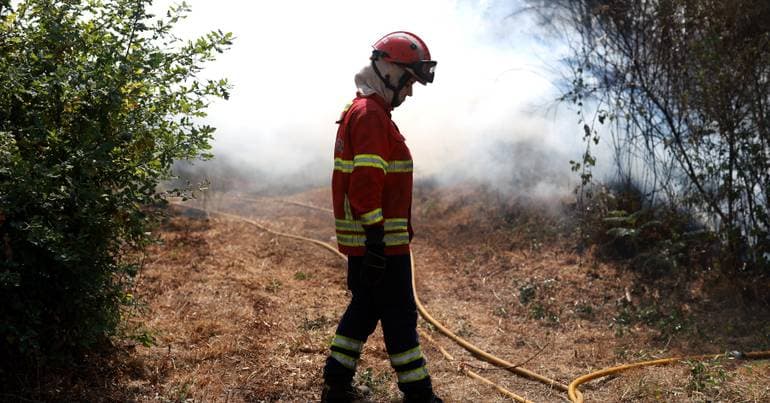
More than a hundred personnel were mobilised to the scene.

Évora, Lisbon, Setúbal and nine other districts will be under a yellow warning due to high maximum temperatures. The north of the country joins from Sunday.

There is no sign of rain or cold in the weather models for the next ten days, but there are indications of extreme heat for Sunday and Monday, with Lisbon, for example, reaching 37ºC.

A fire broke out this Monday afternoon in a scrubland area near National Road 3 and the Azambuja industrial zone.
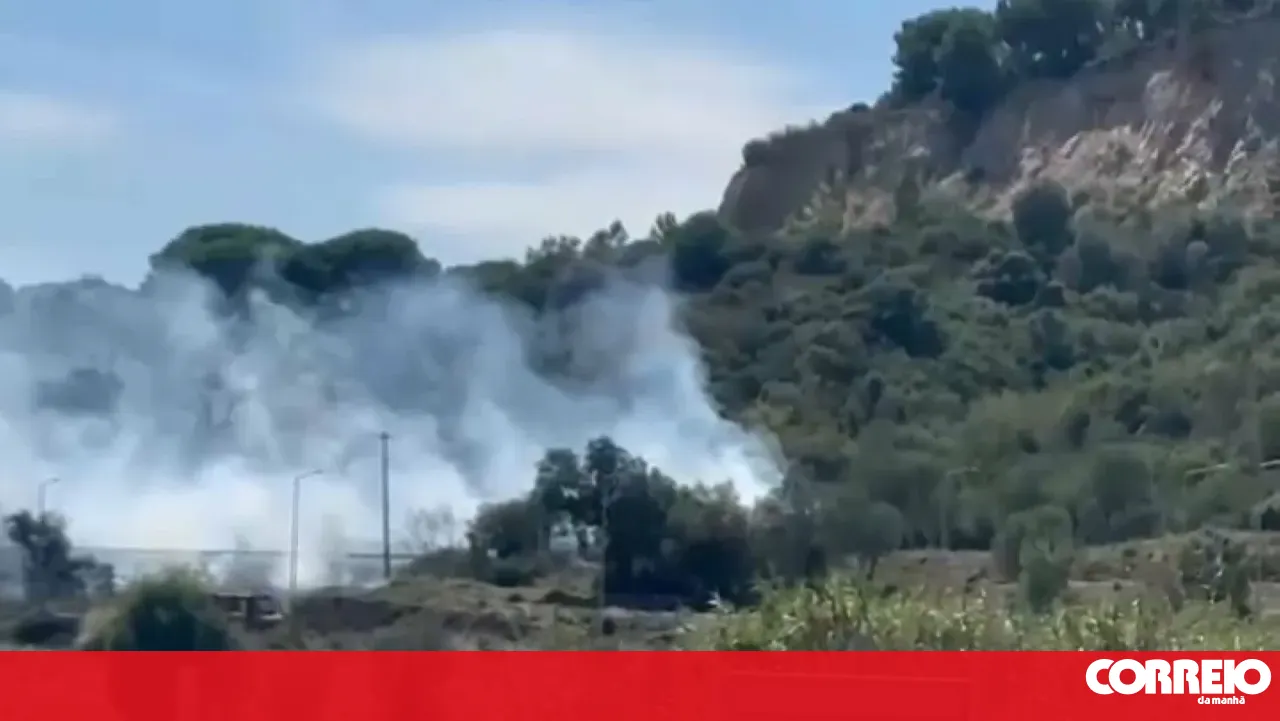
Authorities received the alert at 14:35.
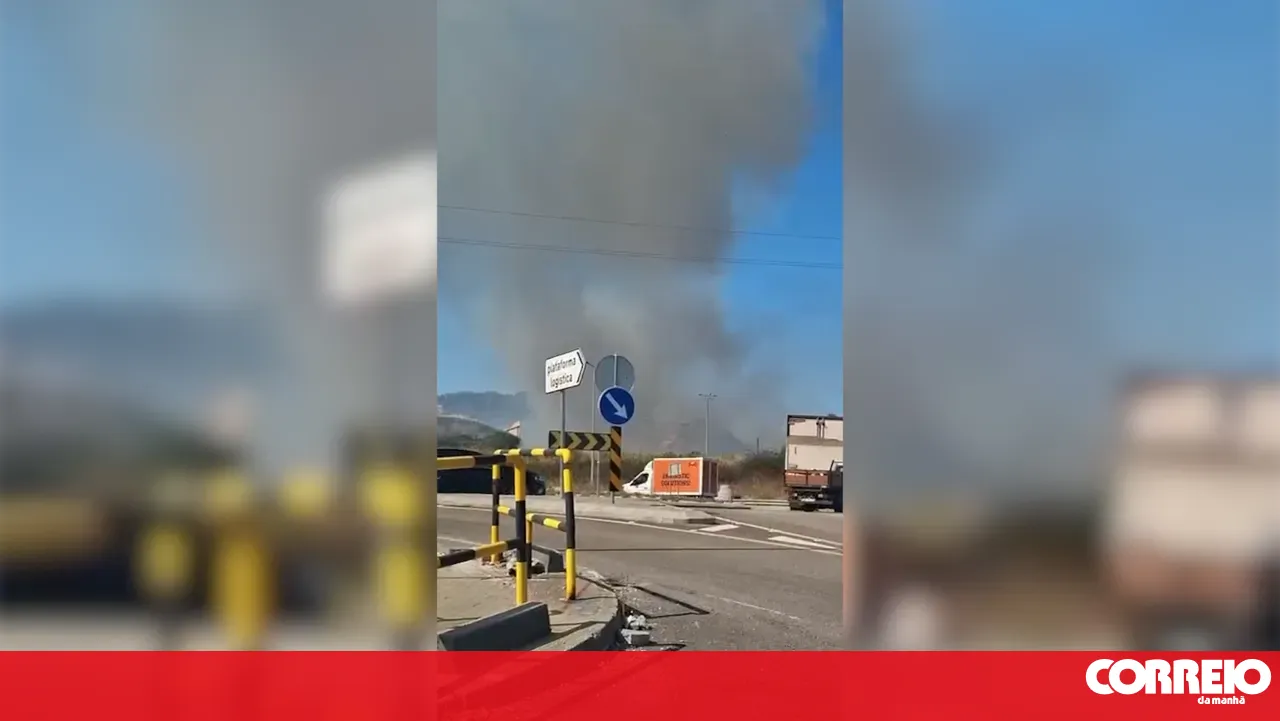
The Portuguese Institute for Sea and Atmosphere (IPMA) has issued a hot weather warning for seven districts in mainland Portugal, effective until 21:00 this Monday. Beja, Castelo Branco, Évora, Faro, Lisbon, Setúbal, and Portalegre are the districts flagged by the IPMA in a statement due to high maximum temperature values. The yellow warning is the...

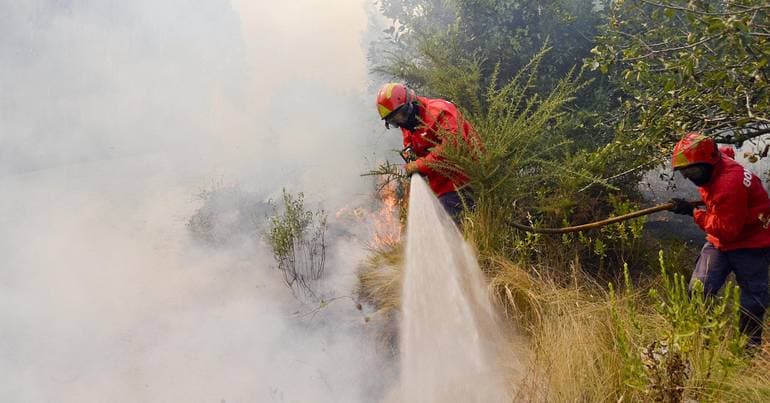
Firefighters are being supported by 47 vehicles from various corporations in the region

The fire, which was brought under control at 16:45 this Thursday, is affecting an area of forest and brush. There are 47 vehicles from various regional fire departments on site.

Civil Protection has alerted the population to the risk of flooding due to the low-pressure system affecting mainland Portugal. Preventive measures include exercising extra caution while driving.

The next few hours will see “intense rain”, especially in the north of the country. In Lisbon, precipitation may also be intense, but the thunderstorms expected are the main highlight. This is according to Mário Marques, a climatology expert, who also predicts a “substantial” improvement in the weather starting from Friday.

IPMA rules out that it was a tornado, as the funnel that formed did not reach the ground.
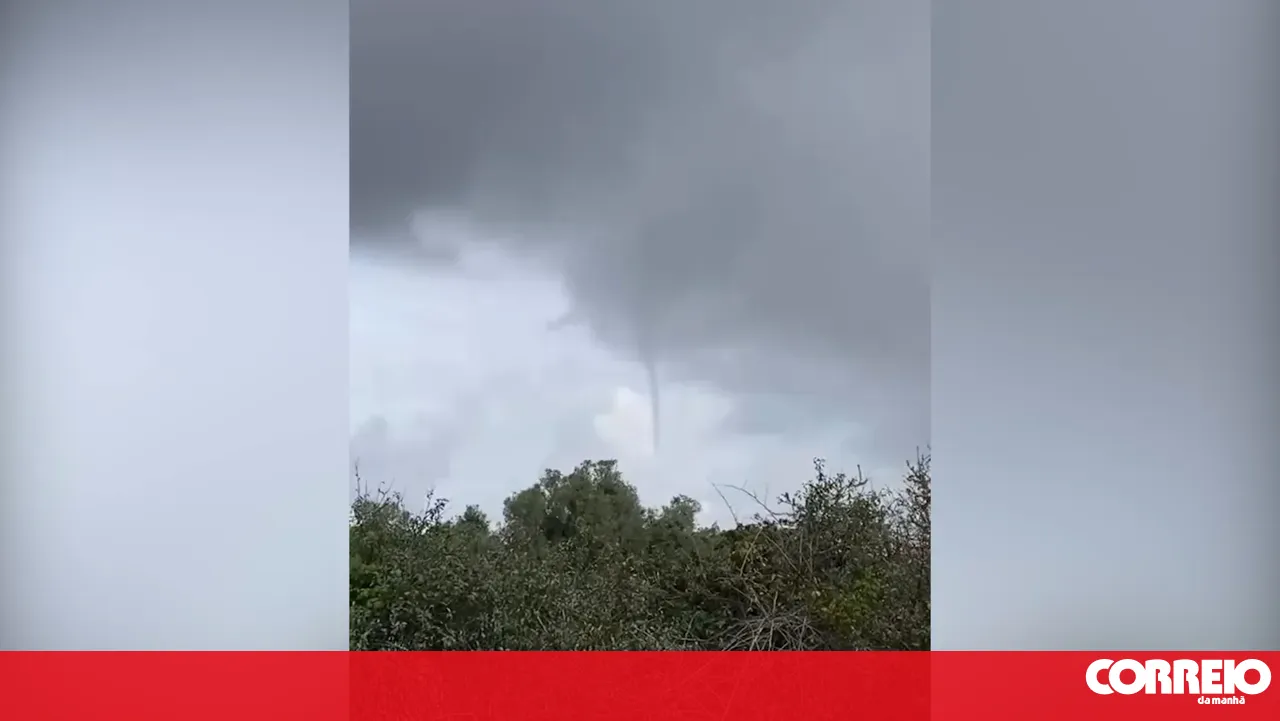
IPMA rules out that it was a tornado, as the funnel that formed did not reach the ground.
In Lisbon, 24-hour rainfall exceeded the monthly average by three times. A new low-pressure system will arrive on the 26th and 27th, mainly affecting the North and Centre regions of the country.

Rain caused the ceiling of the Oeiras Parque shopping centre to collapse. The roof fell in an area used by customers, but there were no injuries. Bad weather is set to continue for the rest of the week.

A low-pressure system, unusual for the month of August, is causing adverse weather conditions across Portugal, leading authorities to issue yellow weather alerts for 14 districts.

Part of the interior ceiling of Oeiras Parque collapsed this Sunday following a leak caused by the heavy rain that hit the region. The incident occurred in a walkway area next to some shops, which were closed as a precaution, with no injuries reported.

The unseasonal bad weather is already causing damage. In Oeiras, water leaks led to the collapse of part of a shopping centre ceiling. Several shops had to be closed.