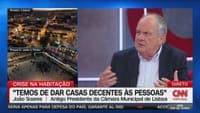
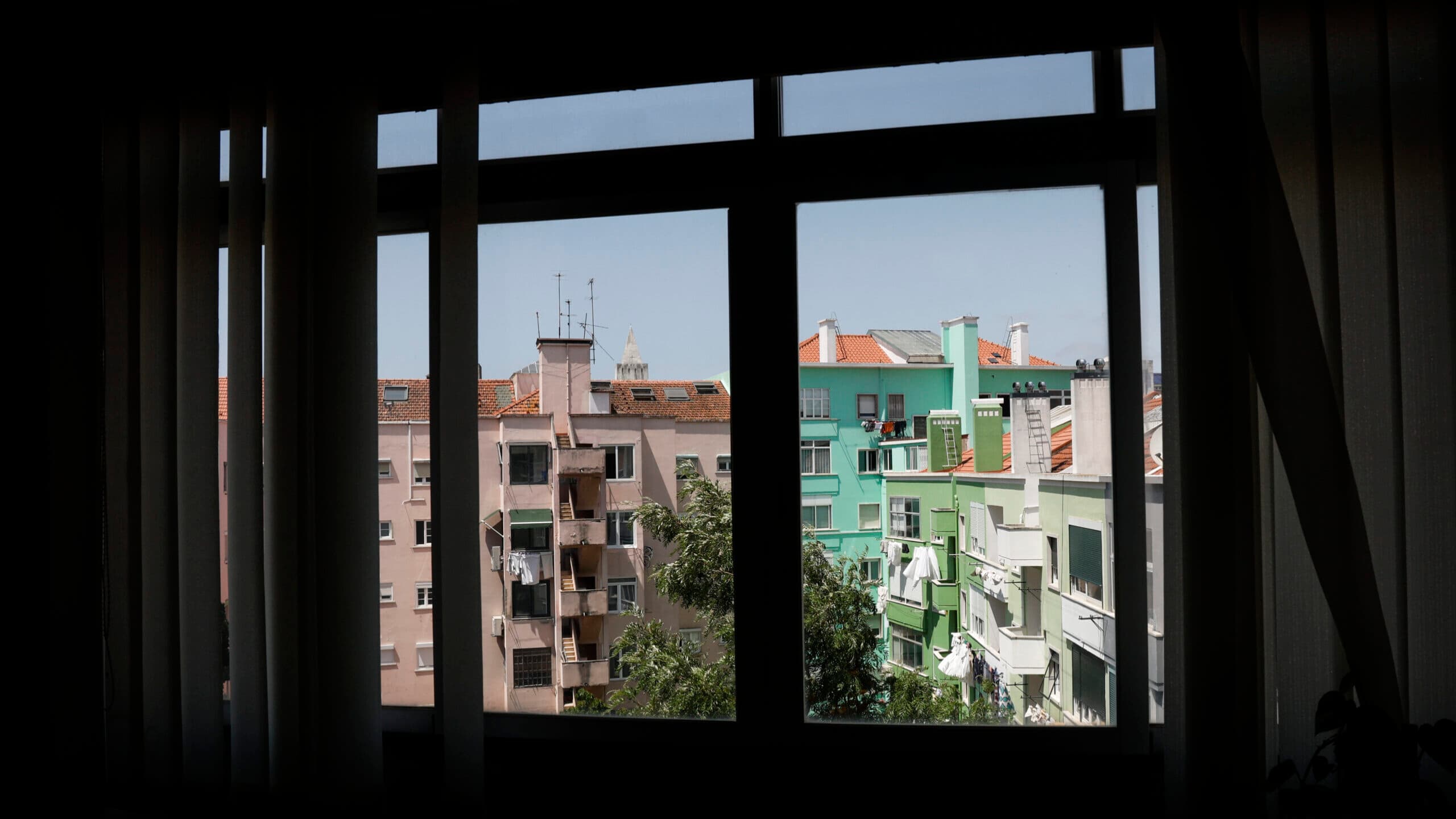
Former Lisbon Mayor João Soares highlights the severe housing crisis in Portugal, where declining construction since 2011, shifting demographics, and past austerity have created an acute supply deficit. Experts and commentators debate solutions ranging from a national home-building strategy to mobilising vacant properties amid rising political friction.
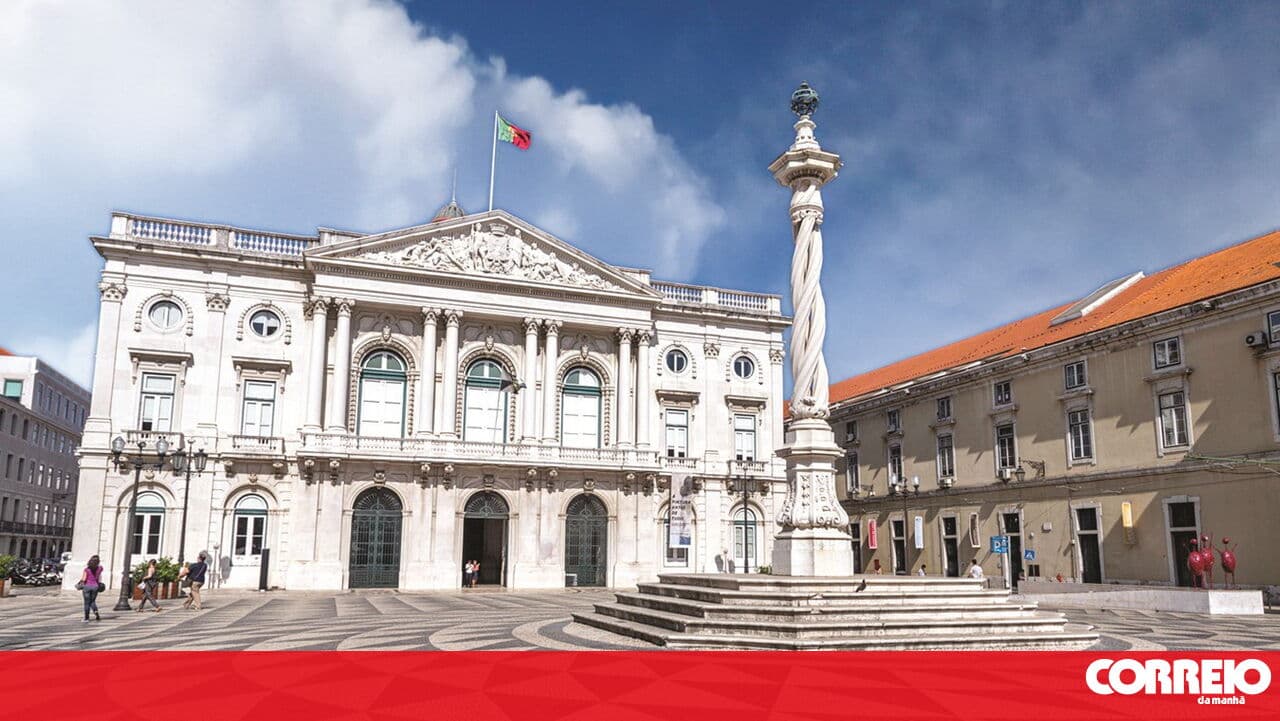
During the state of the city debate, Lisbon Mayor Carlos Moedas challenged the Socialist Party's record on housing, questioning how 885 million euros from real estate and land sales between 2008 and 2021 was spent, while noting that only 36% of the roughly 3,500 homes delivered during his tenure were newly constructed by the municipality.
Opposition councillors in Cascais have raised concerns over potential conflicts of interest regarding Minister Miguel Pinto Luz's changes to urban planning legislation. While critics argue the shortened deadlines to challenge urban plans could benefit decisions made during his tenure as municipal vice-president, the minister maintains the law was not tailored to his personal interests.
The European Commission has introduced the Affordable Housing Act, a framework designed to provide member states with legal tools and flexibility to address housing shortages, short-term rentals, and vacant properties without mandating specific national policies.
The book '108 voices for housing', launched at the Lisbon Book Fair, features diverse perspectives aimed at elevating the national discourse on housing policy and market challenges.
The matter has been dragging on for over a decade, especially regarding the 96 housing units in the former Outeiro and Vale de Judeus neighbourhoods, which housed prison guards from the Alcoentre and Vale de Judeus prisons.
The president of the CDS-PP and Minister of Defence, Nuno Melo, rejected this Thursday that the government is strained by the protests over housing and called on the opposition to use the specialised committee process to amend the urban leasing law. 'There is a leasing law being discussed in the Assembly of the Republic...'
PAN was the second party with parliamentary representation to be received this Thursday by the President of the Republic in a series of hearings on social cohesion, which includes the topic of housing.
The European Investment Bank (EIB) will provide an extra €300 million in funding to Portugal this year to support the renovation of dilapidated buildings and the construction of affordable housing, specifically targeting private sector projects. EIB President Nadia Calviño announced the funding during the institution's 50th-anniversary celebration in Portugal. Furthermore, a €750 million package was announced to aid reconstruction efforts in areas affected by extreme weather events, alongside a commitment to continue funding major infrastructure, innovation, and social housing programs, with over €3 billion pledged for housing between 2025 and 2026.
One year ago, the people of Cascais entrusted me with the presidency of the Cascais City Council. During this first year, we began laying the foundations for the next ten. We have a vision for our municipality: Cascais for a lifetime. We want our residents to be able to grow, study, work, and raise a family with the quality of life they deserve. Consequently, one of our priorities is housing, with the goal of providing 3,600 housing solutions by 2029. In this first year, we have already allocated, on average, one home per day to our residents, and new municipal housing projects are currently in the preliminary study phase. At the same time, we are paving the way for new rental housing solutions through the 'Build to Rent' model and the development of cooperative projects. We also did what only we can do: acquire strategic land to combat real estate speculation. While a city council cannot solve the housing problems of the Portuguese people alone, it can and must set an example for all political decision-makers in the country. We still want more. Quality of life means having good healthcare services nearby, being able to go to a park close to home, enrolling our children in a good school, using free public transport, and feeling safe at all times. In Health, we opened SNS (National Health Service) counters in Carcavelos, Parede, and São Domingos de Rana, and the 'Bata Branca' project provides general and family medicine consultations to adults without a family doctor. In Education, we added 10 million euros to the budget and inaugurated the new Cascais Secondary School, an investment exceeding 32 million euros. We have already supported more than three thousand students with higher education scholarships, and we will transform the Pereira Coutinho School into a technical-vocational school. Regarding mobility, buses remain free, and we have created two new school bus lines and a connection between São Domingos de Rana and the Cascais Hospital. In the environment, we purchased almost 50 hectares of land for the municipality's largest urban park, which will be five to six times larger than the Marechal Carmona Park. In terms of safety, we have reorganized and strengthened the Municipal Police, inaugurated the Trajouce police station, and opened a Mental Health Office for the security forces. In the economy, we lowered the municipal share of income tax (IRS) to 4.5% and reduced the municipal property tax (IMI) by 15% for all primary and permanent residences. I have written that democracy begins in local life and ends in the quality of life of citizens. In the year that Cascais is also the European Capital of Democracy, we launched our largest Participatory Budget ever, with 12 million euros. Just as a house needs foundations, the future of Cascais needs pillars upon which we will build the next decade. This was only the first year of a project that is for a lifetime.
The tents set up in Praça D. João I in Porto and Rossio in Lisbon brought the debate on renting from the Assembly of the Republic to the streets. The encampments for the right to housing were, on Sunday, in their tenth day in Porto and their third in Lisbon, and protesters called for the scheduling of a...
A camp in defence of housing policies titled “Can't take it anymore? Then set up your tent!” is scheduled for this Saturday afternoon at Rossio in Lisbon. There are several other protests taking place across the country [with photo gallery].
Lisbon restarted its 'Back to the Neighbourhood' Affordable Rent Programme this Monday, with 25 properties available for young people up to the age of 35, following a suspension due to an audit that identified 'vulnerabilities' in the platform. The raffle for the 39th edition of the Affordable Rent Programme took place this Monday as part of the initiative.
A week after distancing itself from residents' associations, the Lisbon City Council backtracked. The opposition calls it an 'enormous' political defeat for mayor Carlos Moedas.
Carlos Moedas has reversed his decision to remove residents' representatives from the Municipal Housing Council in Lisbon. Following significant criticism from opposition parties and local associations, the mayor has proposed a new motion to reintegrate several groups that were previously excluded in favor of real estate developers and property owners. Opposition parties, including the Left Bloc (BE), Livre, and the PCP, have criticized the move as a forced U-turn, while continuing to push for broader representation of civic movements and housing rights organizations.
During the handover of the former Presidency of the Council of Ministers building to the Lisbon City Council, the Prime Minister defended the concept of moderate rent up to 2,300 euros and criticised his predecessors for lacking the 'courage' to implement long-term measures.
Last week, the Lisbon City Council had already announced that it estimated building around 90 homes in this building, with an investment exceeding 20 million euros, aimed primarily at public servants such as teachers, police officers, or health technicians.
The PCP refuses to vote on a motion of condolence for the Ukrainian leader, sparking controversy. Also highlighted are Carlos Moedas' harsh criticisms of the Government, the utopia of the food basket, and the new housing solution.
Lisbon City Council guarantees there is no deadline for the six people living in the former Afonso Domingues School in Marvila to leave, and assures that they have been presented with a housing solution which they may accept or refuse. The Iminente Festival organisation also denies that the event depends on the building being vacated.
“It is very important to elevate the housing debate,” welcomed Patrícia Gonçalves Costa, who is also the author of one of the 108 texts, highlighting the “plural” and “informed” thinking of the book.