Why I requested the annulment of the USF Lumiar tender
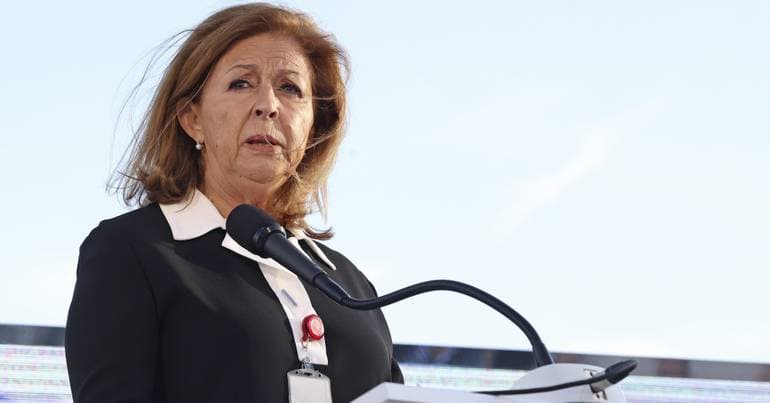
The Santa Maria Local Health Unit is expected to launch a revised tender for the USF Lumiar project, aiming to address the needs of 8,000 patients currently lacking a family doctor.

Latest news and stories about medical services in technology in Lisbon, Lisboa, Portugal for expats and residents.
The Santa Maria Local Health Unit is expected to launch a revised tender for the USF Lumiar project, aiming to address the needs of 8,000 patients currently lacking a family doctor.

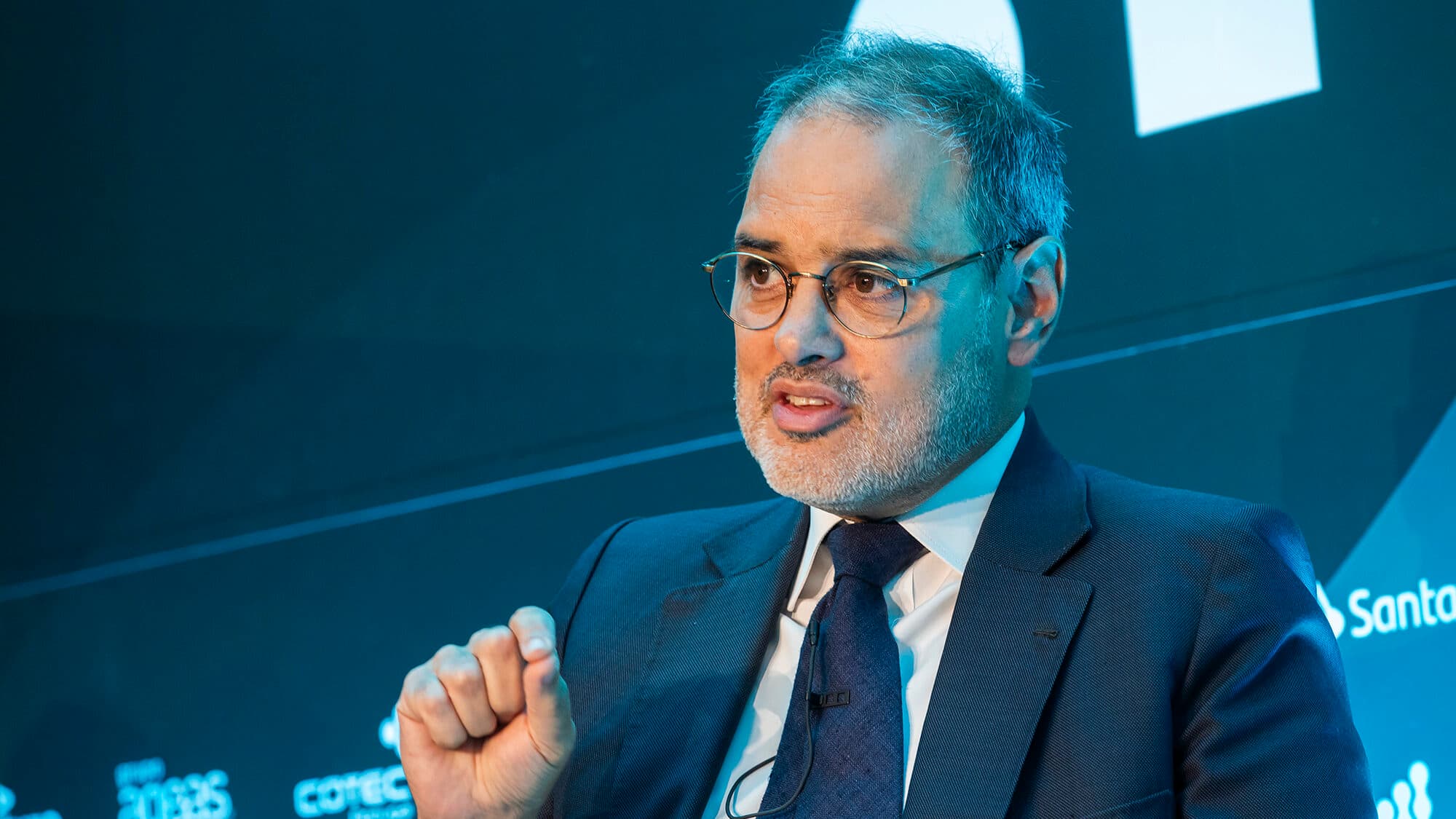
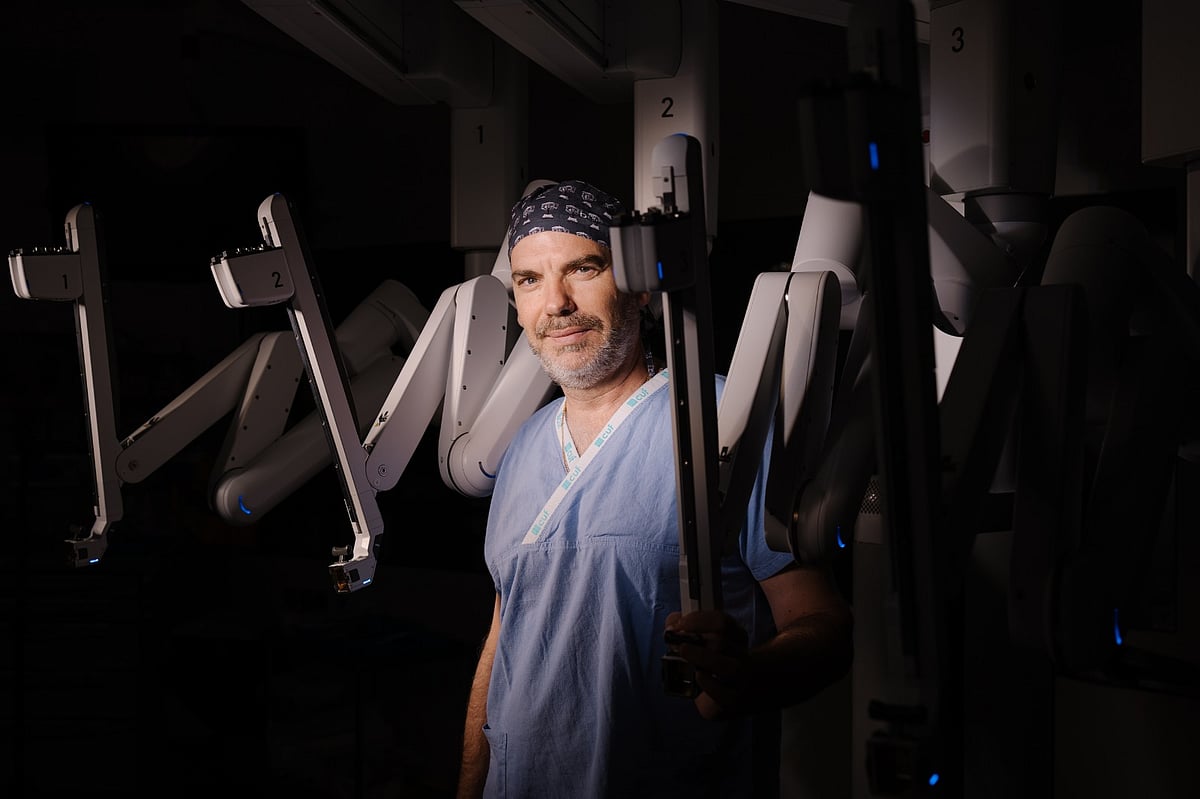
CUF CEO Rui Diniz announced that the healthcare group has successfully integrated over 20 artificial intelligence applications, significantly enhancing clinical operations and service delivery.

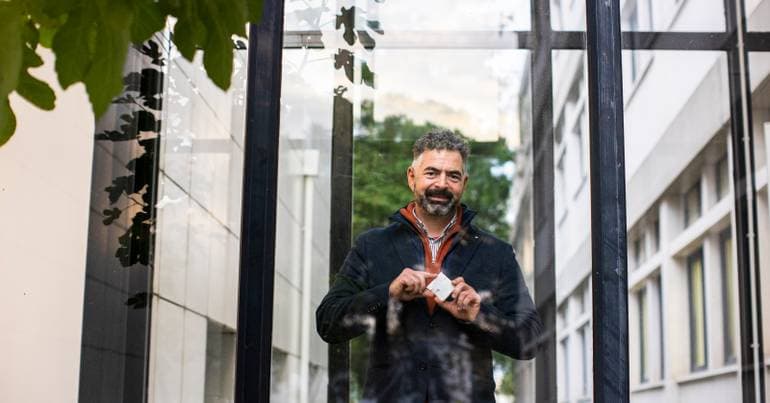
A research team led by Paula Videira at NOVA University Lisbon has developed a breakthrough antibody that precisely differentiates cancer cells from healthy tissue, earning the scientist a nomination for the European Inventor Award.

The external paediatric surgery emergency department at Dona Estefânia Hospital will remain closed until Sunday.

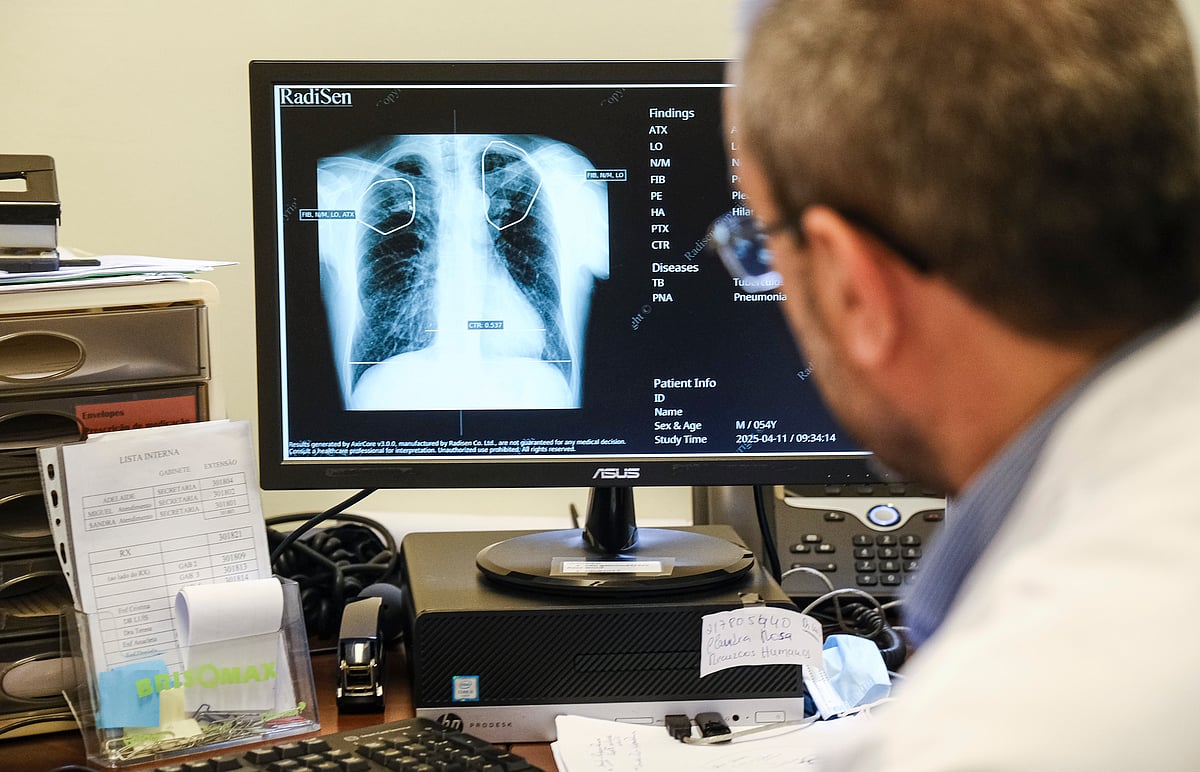
Artificial intelligence is revolutionising tuberculosis diagnosis by enabling rapid identification via chest X-rays, helping to combat the disease's stigma and improve early intervention for respiratory conditions.
START Lisbon, at Santa Maria Hospital, has already hosted 12 clinical trials since December 2024. In an interview with Observador, clinical director André Mansinho explains how the process works.

There is a decisive scientific discovery for those facing the most aggressive form of skin cancer: melanoma. It is an experimental vaccine that is personalised for each person's tumour. Three of the patients in this international clinical trial are being monitored at the IPO in Lisbon.

This is another technological advancement in healthcare. The Lisbon IPO performed the first lung cancer diagnostic exam using a robot. It allows for earlier diagnosis, greater precision, less patient suffering, and better treatment prospects.

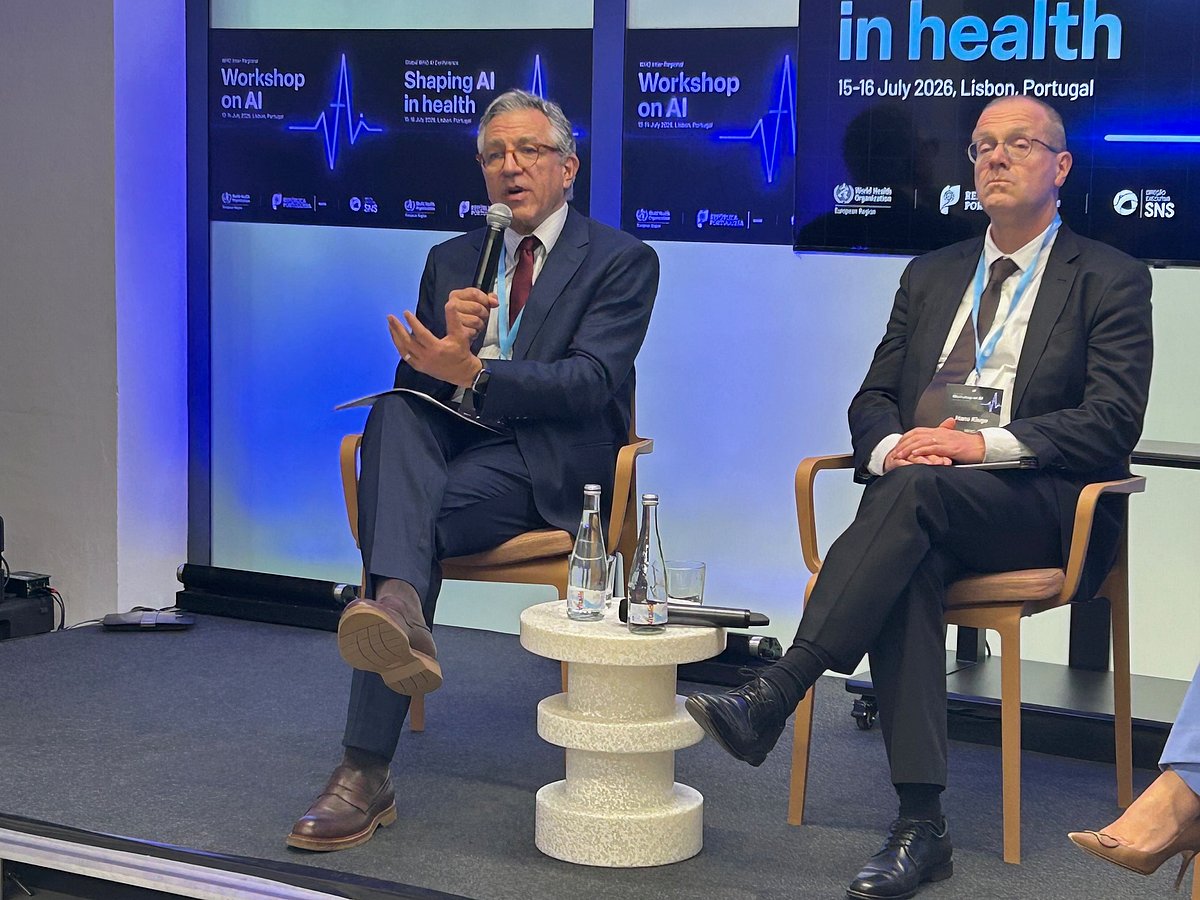
Health Minister Alexandre Padilha states that current tensions between the US administration and the Brazilian government will not affect health projects with American companies. During a visit to Lisbon for an international conference on AI in health, Padilha emphasized Brazil's commitment to a multipolar strategy, highlighting ongoing collaborations within the BRICS group and the CPLP, while also noting the historical ties between the Brazilian SUS and the Portuguese SNS.


The “Shaping AI in Health” conference, organised by the WHO and Portugal, brings together ministers and government representatives this Wednesday and Thursday.

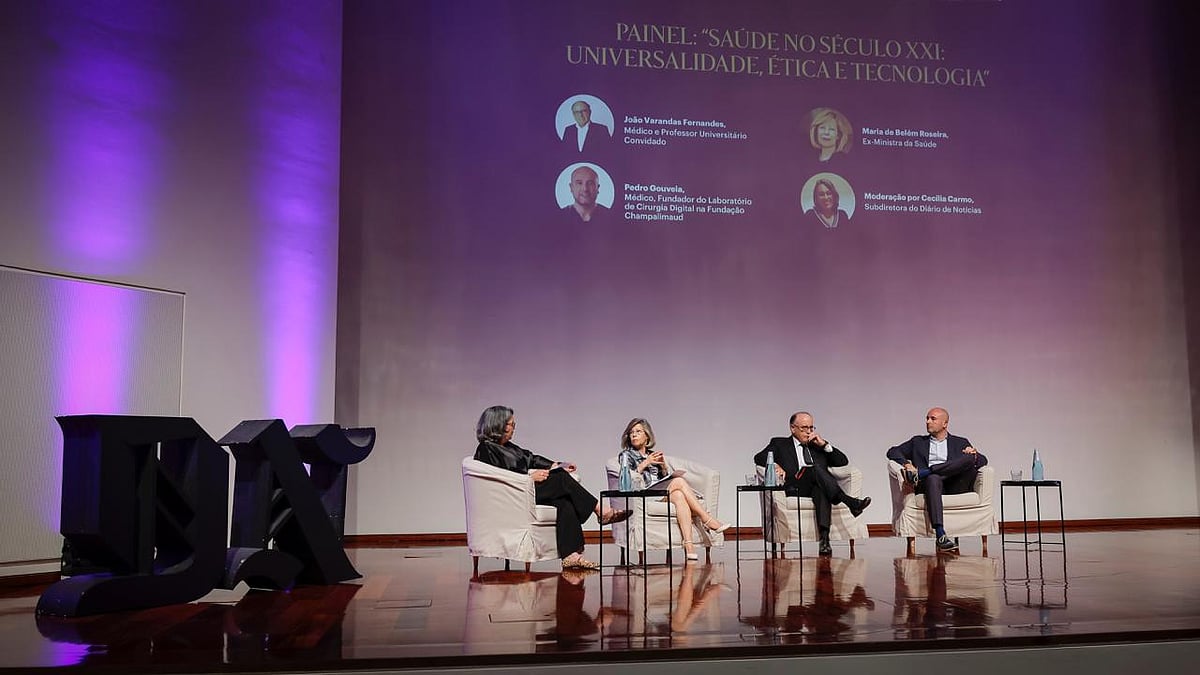
Empathy, ethics, the integration of public, social, and private systems, and the benefits of using artificial intelligence in healthcare were the main topics at the DN Grand Conference. Experts discussed how digital transition is vital, yet AI cannot replace the 'human doctor' or the essential role of empathy in patient care. The panel also addressed the need for better health literacy, the importance of investment in increasingly expensive medical technologies, and the necessity for interoperable data systems across hospitals.

Between a hospital corridor and a laboratory, where science and curiosity can change the fate of cancer patients. On National Scientists' Day, this is my portrait of what it is like to do science in Portugal.
A new, innovative facility has opened in Portugal that uses technology resembling video games to provide treatment for neurological conditions.
The Champalimaud Foundation launches the DNTx Centre, a new facility dedicated to digital neurotherapies.

The DNTx Centre will monitor patients with depression, obsessive-compulsive disorder, Parkinson's, chronic pain or stroke sequelae. The focus is on non-pharmacological therapies, some already in use and others under development.

Signed in Rome, the agreement between the two foundations aims to develop advanced non-profit cell therapies for cancer and autoimmune diseases.


Over the last three years, Infarmed has authorised 591 new clinical trials, one-third of which are in the field of cancer.

Lisbon hosted the URONEXT forum, where surgeons demonstrated the Renal Sutureless Device (RSD) technique. By using a 3D-printed, biocompatible haemostatic mould instead of traditional internal stitches, the procedure reduces trauma to healthy kidney tissue, improves recovery times, and protects long-term cardiovascular health.

At the Laboratory of Instrumentation and Experimental Particle Physics in Lisbon, Pedro Assis’s team is developing a system capable of delivering radiotherapy more effectively.