

Invasive species news in Portugal
Latest news and stories about invasive species in Portugal for expats and residents.
Latest news and stories about invasive species in Portugal for expats and residents.
An invasive plant species is spreading across Portugal, leading to a longer duration of allergy symptoms for the population.
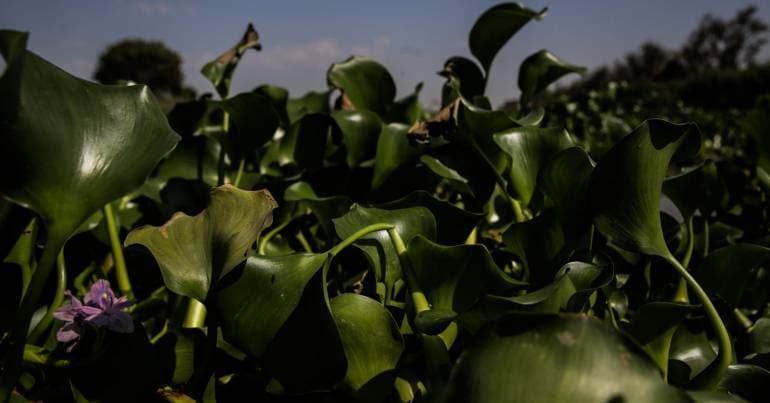
An intervention to stop the spread of water hyacinth in the Ave River began on Tuesday. The operation to combat the invasive species is part of an inter-municipal strategy in partnership with the APA.

Hélia Marchante, a researcher at the Polytechnic University of Coimbra, warns about the lack of control over this invasive plant. The ICNF action plan continues to remain unpublished.

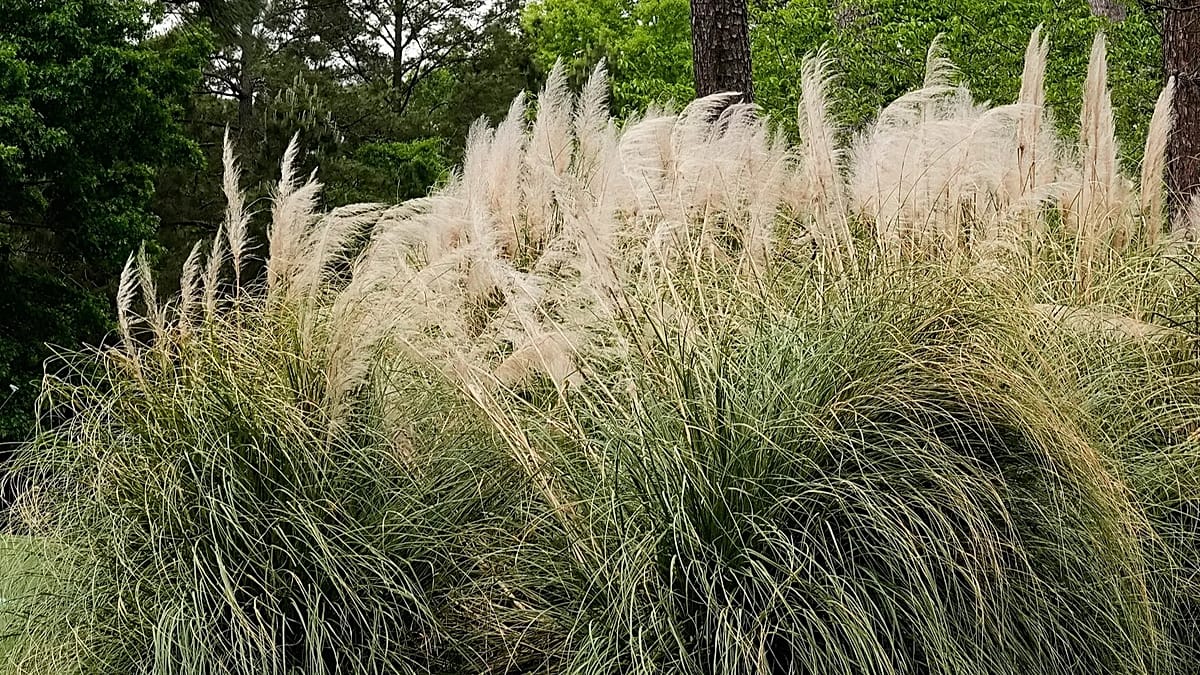
Seen along roadsides, in gardens and public spaces, the cortaderia has already spread to more than 200 Portuguese municipalities. Experts warn of the environmental risks and the allergenic potential of the species, criticising the delay in implementing control measures.


Viana do Castelo ranks seventh among Portuguese districts for the number of Asian hornet nests successfully eradicated.
The spider species Loxosceles laeta, originating from South America, has been identified in the city of Porto. Scientists state that although its venom is potent, the risk to the population is low.

Public participation is requested to help track and manage the spread of a highly invasive plant species across the country.

Invasive fish expert Filipe Ribeiro explains why it is unrealistic to eradicate the Silurus glanis species from Portuguese waters. “We will have to learn to live with the wels catfish.”

An operation to remove the invasive species in Mação resulted in the removal of triple the expected amount of wels catfish. “These invasive species are here to stay and we will have to manage them forever,” warns researcher Filipe Ribeiro.

The invasive species is multiplying at an average rate of 500,000 individuals per square metre. The Andalusia region and the western Algarve are the most affected areas, but it has already reached Sweden.

In total, 44,123 mosquitoes from 22 species and 48,503 eggs of invasive species were identified.

Project seeks to prevent high-risk areas and combat the formation of nests.

The presence of the Asian hornet, known as Vespa velutina, has recently been confirmed in the Algarve, prompting a public alert from the municipal council of Portimão. “At this time The post Asian hornet nests detected in Algarve appeared first on Portugal Resident.

Since 2015, more than 216,000 nests have been recorded, with 95% eliminated. The invasive species has reached the Baixo Alentejo and Algarve regions, but it remains most common in the north.

The Japanese carpet-shell clam is an invasive non-native species, and its possession and sale require a control plan to be in place.

The measures are intended to protect the resource and consumers.
