TVDE drivers to protest next week and anticipate disruptions to Uber and Bolt
TVDE drivers will turn off the Uber and Bolt apps alternately during next week’s morning peak hours in a protest organised by the Somos TVDE Civic Movement against the lack of regulation in the sector. “Drivers will still be able to work during this action; they will simply switch off one of the platforms”, ...

10:00. Galp and Moeve: Government says it is monitoring the situation
It is an agreement that could lead the Sines refinery to join a joint venture. Also in this bulletin: the campaign for the presidential election and Donald Trump's threats to Iran.

Government is monitoring developments in negotiations between Galp and Moeve
The Government is monitoring developments in the negotiations between Galp and the Spanish firm Moeve over the combining of part of their assets and the creation of two new business platforms, since “strategic assets for national energy sovereignty are at stake”, the Ministry of the Economy stressed on Wednesday, after the Minister of the Environment had said to ...

Government monitoring negotiations between Galp and Moeve
With strategic assets at stake, the Government says it is monitoring negotiations between Galp and Moeve, which will bring together industrial assets and petrol stations across the Iberian Peninsula.

Digi calls for auction of licences that expire in 2027
Digi on Tuesday called for a new auction for the spectrum usage rights that expire in 2027. The Romanian telecommunications operator, which took part in the 5G auction in 2021 (and subsequently inherited Nowo's frequencies), is interested in increasing the amount it holds over the coming years ...
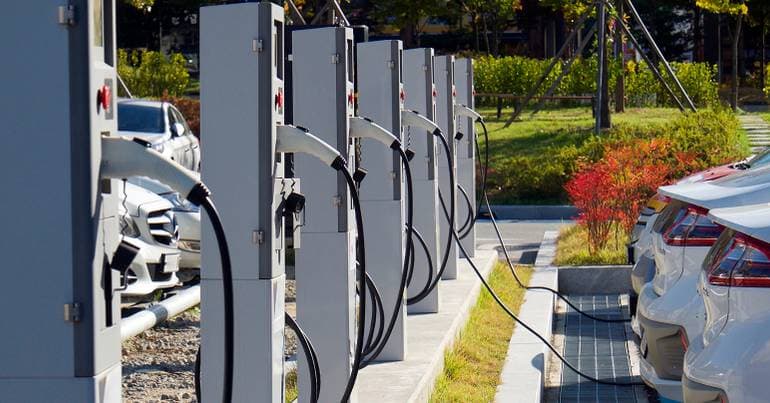
Government sets rules to simplify access to the electric mobility market
The legislation provides for prior-notification and deemed-approval regimes, aimed at 'making operators accountable to speed up the start of operations'.

Government simplifies access to the electric mobility market
Operators must use appropriate IT platforms and ensure technical compatibility with the public electricity service network (RESP), guaranteed by duly qualified technicians.
Galp must agree payment plans for 'astronomical' bills — and may compensate
Galp energy customers were faced with large bills after months without invoicing — disruptions have been occurring since September and some bills exceed €500, according to Jornal de Negócios. The Energy Services Regulatory Authority (Entidade Reguladora dos Serviços Energéticos, ERSE) reports receiving 80 complaints on the matter and stresses that the company is obliged to agree payment plans with affected customers and may have to provide compensation.
Government halts construction near new airport
The Council of Ministers has taken measures to prevent urban planning interventions that could undermine the airport project.

New agreement on Brazilian driving licences still without practical effect in Portugal
A recently announced agreement concerning the recognition/exchange of Brazilian CNH (national driving licences) has not yet been implemented in Portugal. Brazilian drivers in Portugal continue to face the same rules and requirements while administrative and legal steps for putting the deal into effect remain outstanding.

Galp prepares to change, but the process will be lengthy and will put Brussels' new approach to the test
Galp and Moeve have entered detailed talks to combine their refining operations and filling-station networks, a complex transaction that is likely to be lengthy and closely scrutinised. The Portuguese Communist Party has already criticised the proposed deal and the government will have a role in the approval process, raising political as well as regulatory stakes. The transaction will test Brussels’ evolving approach to competition and regulation in the energy sector, with implications for pricing, investment and market structure in Portugal.

2026, the year of action for sustainable fuels
It is essential to adopt a legal and operational model that prioritises the genuine decarbonisation of fuels, that is, the effective reduction of greenhouse gas emissions.

PRR – Between Modernisation and Mediocratisation
The implementation of the PRR has become a financial accounting exercise, poor at deploying funds, more complex to manage and disconnected from the structural transformation it was meant to promote.

New licences for express services at the Sete Rios terminal suspended
The issuance of new licences for express services operating at the Sete Rios terminal has been suspended.

New express coach licences at Sete Rios suspended
The IMT justifies the decision by pointing to Rede Expressos' contradiction: it denies Flixbus access to the Sete Rios terminal, claiming it is full, while applying for new coach licences.
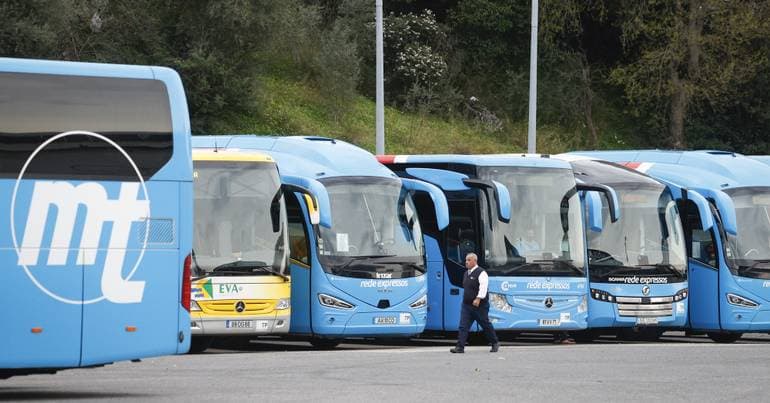
Transport Authority says many bus and coach terminals fail to comply with regulations
One of the infringed rules concerns access to infrastructure.

New licences for express services at the Sete Rios terminal suspended
Rede Expressos has appealed against this decision by the AMT.

Ban on train drivers operating under the influence of alcohol comes into force within a month
The law prohibiting train drivers from operating while under the influence of alcohol, narcotics or psychotropic substances, and strengthening penalties for non-compliance, comes into force in one month. It was approved by the Assembly of the Republic on 19 December 2025 and promulgated by the President of the Republic, Marcelo Rebelo de Sousa, on ...
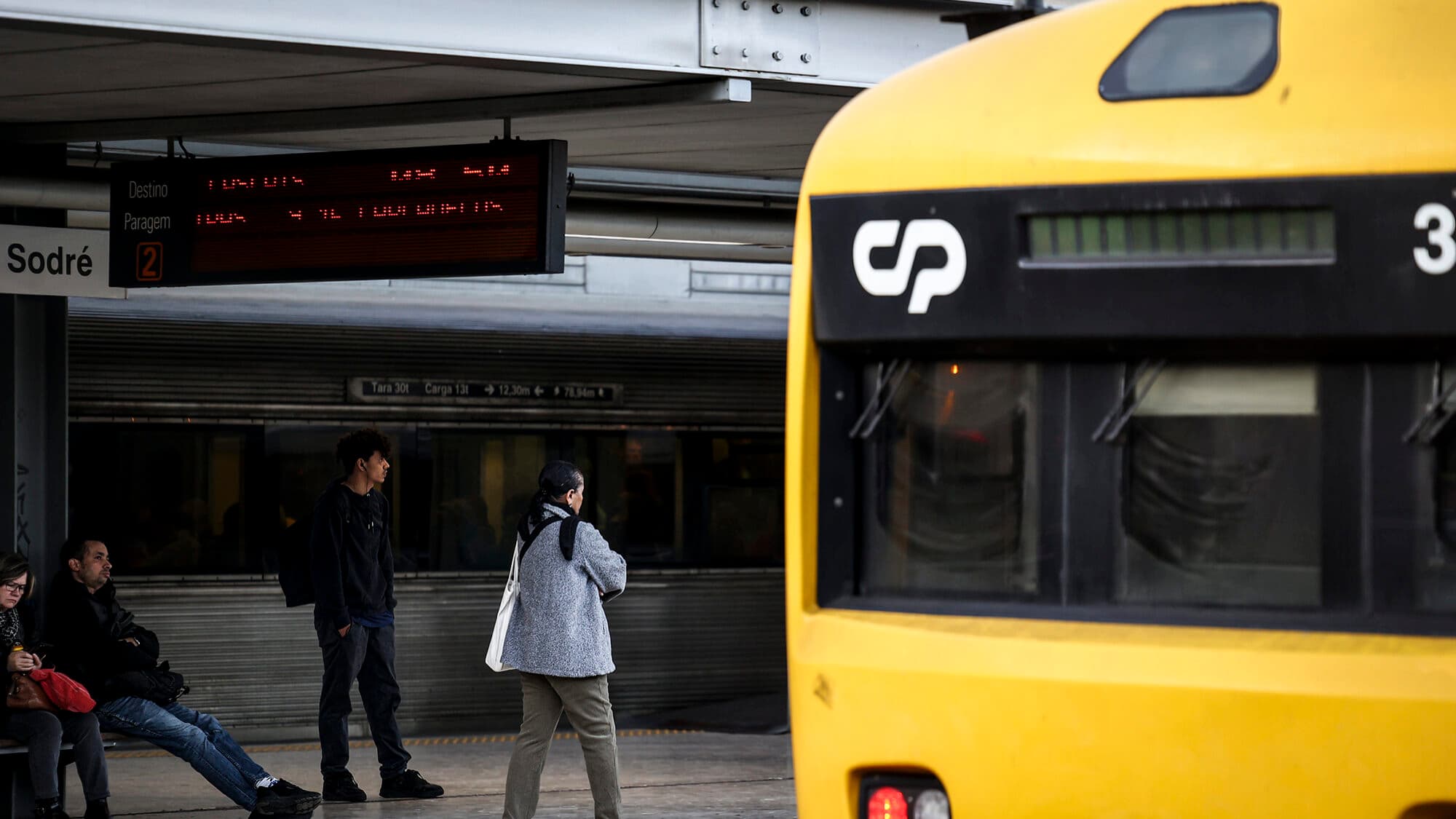
Regulator estimates 68% of bus terminals are non-compliant and recommends changing the law
Ana Paula Vitorino, president of the Mobility and Transport Authority (AMT), told Parliament that the majority of passenger road terminals do not comply with the law. She also called for a mandatory separation between transport companies and the terminal operator. “There are 163 terminals registered in the IMT database; only 32% are ...”
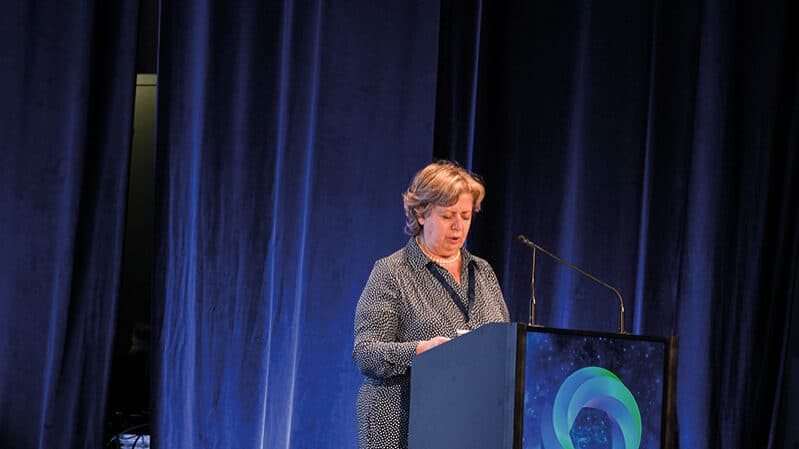
Ban on train drivers operating under the influence of alcohol to come into force within a month
A new ban preventing train drivers from working while under the influence of alcohol will come into force within a month.

Ban on train drivers operating under the influence of alcohol to come into force within a month
Train drivers will be prohibited from operating under the influence of alcohol, narcotics or psychotropic substances.
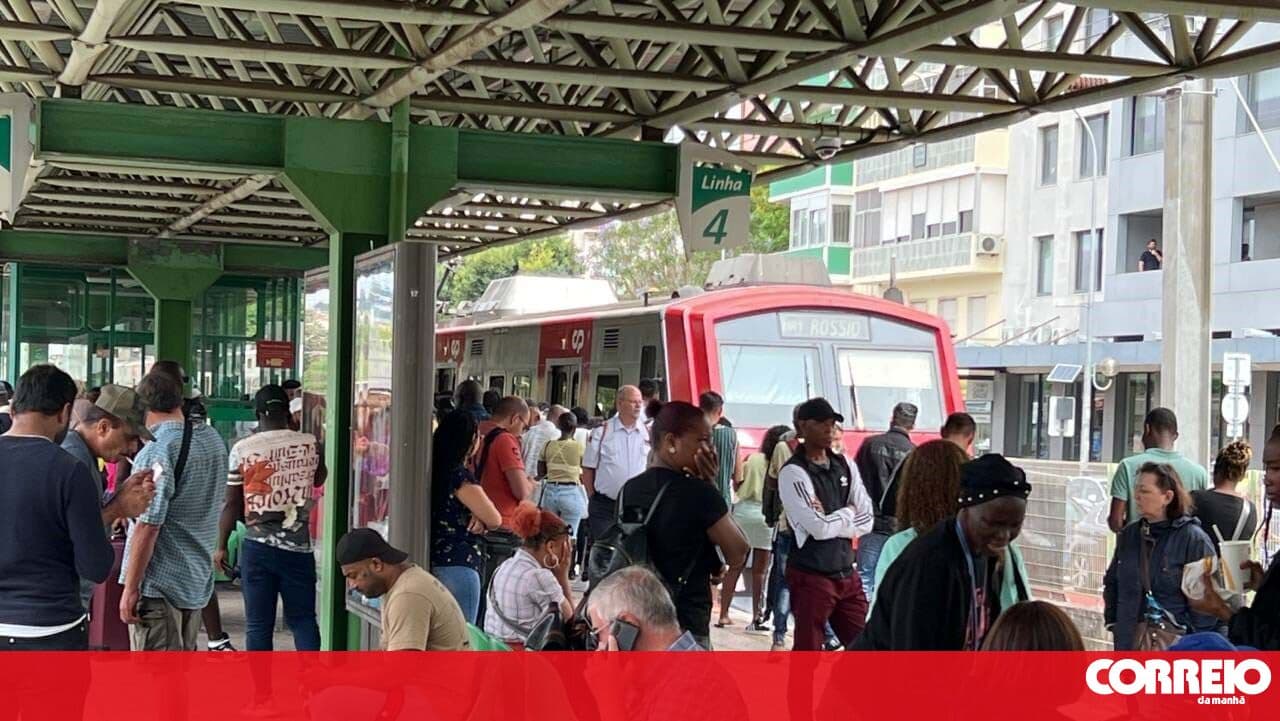
Socialist Party proposes changes to electric mobility regime to allow old and new systems to coexist
The Socialist Party (PS) parliamentary group will table an amendment this Wednesday to allow the previous and new electric mobility regimes — the latter published in August — to operate in parallel. Socialist deputy Pedro (quoted) says the proposal lets 'whoever wants to remain with the previous model stay' and those who prefer the new framework move to it, effectively offering regulated choice rather than a forced transition. Analytically, the move aims to protect operators and consumers from disruptive change and preserve investment and service continuity, but it also risks prolonging regulatory complexity and creating uncertainty for long-term EV policy and market signalling.
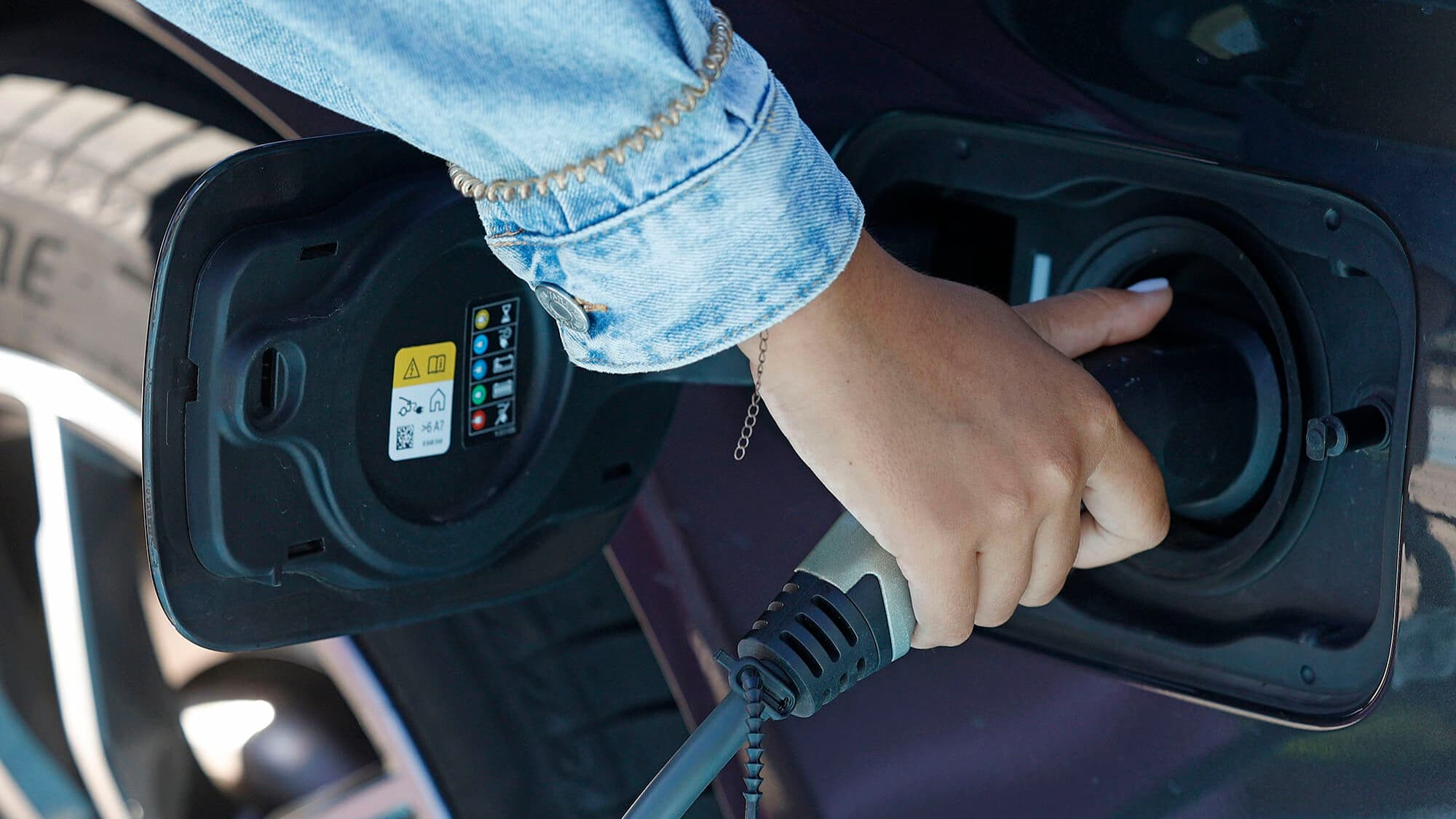
Banning of train drink driving to enter in force
Home News Banning of train drink driving to enter in force Banning of train drink driving to enter in force The law prohibiting train drivers from driving under the influence of alcohol, narcotics, or psychotropic substances and reinforcing penalties for non-compliance will come into effect in on

New cars will be better equipped from 2026… and more expensive
From 2026, new cars will be fitted with additional safety equipment mandated by regulators to reduce road accidents. The measures should lower collisions and casualties and could bring long‑term savings in insurance and healthcare, but they will increase manufacturers’ costs and are likely to push up new‑car prices. Policymakers will need to balance public‑safety benefits against affordability, using tools such as subsidies, tax incentives, phased implementation or targeted support to lessen the impact on lower‑income buyers.

Related videos

9m
9m