Climate makes wildfires more likely in Spain
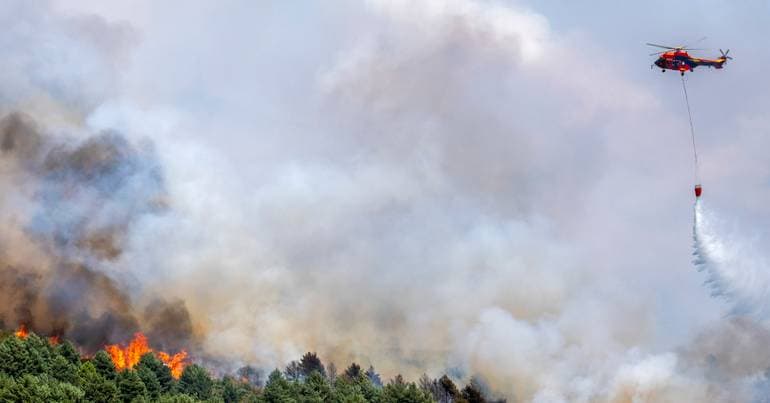
Recent analyses confirm that human-induced climate change has increased the likelihood of major wildfires in Spain by twentyfold, resulting in significant displacement and destruction.
observador.pt
Latest news and stories about climate change in infrastructure in Portugal for expats and residents.
Recent analyses confirm that human-induced climate change has increased the likelihood of major wildfires in Spain by twentyfold, resulting in significant displacement and destruction.
An analysis of how the El Niño climate phenomenon impacts various sectors in Portugal, including business, infrastructure, and forestry.

Portugal and Spain are forging an alliance to address climate change and enhance economic cooperation. At a recent summit, they focused on eliminating barriers for cross-border businesses while prioritizing sustainability initiatives.


The United Nations Executive Secretary for Climate Change noted that the upcoming energy crisis follows a summer he described as “hellish,” marked by extreme heat due to climate change.

A study on the impact of global warming on critical infrastructure concluded that the lifespan of such infrastructure could be reduced by 18 to 25 years by the year 2100.
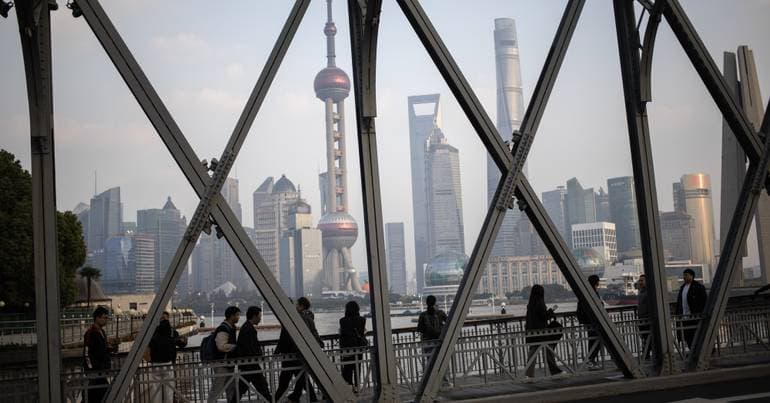

The atmospheric configurations that generate these phenomena have not necessarily changed, but rather the climatic context in which they occur, researchers note.

As climate change intensifies storms and other extreme weather events, rewilding projects are emerging as a solution, leveraging the capabilities of animals to create more resilient landscapes. However, experts warn that these efforts must be carried out with caution.

Twelve cities — from Shanghai to Dar es Salaam, from Phoenix to Copenhagen — are testing solutions against extreme heat, such as sponge roofs, shade maps, and regional cooling networks.
The current state of water reserves in the Mondego basin is among the most problematic nationwide, comparable to that observed in the Lima River basin.

If this summer sees a repeat of major wildfires on the inland slopes, we risk a perverse cycle: fire that exposes the soil, rain that washes it away, leading to flooding and downstream siltation, worsening what we already experienced in February.
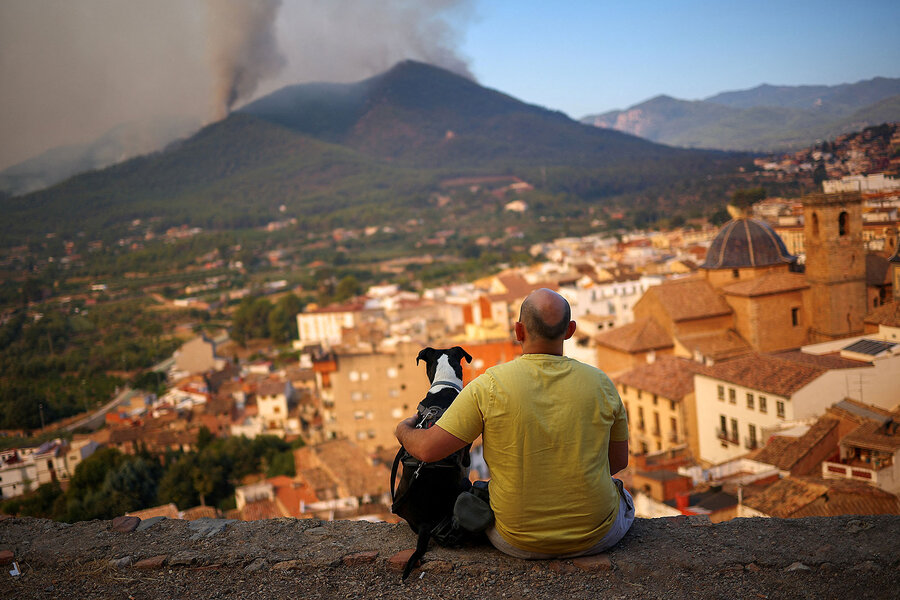
Climate change is altering the weather, but also the foundations upon which much of Portuguese engineering was built. Opinion by Elói Figueiredo
Reflecting on the impact of extreme heat on civilization, the author discusses the theories of Carmen Garcia and Arnold Toynbee regarding climate and societal development. The piece contrasts the lack of air conditioning in Northern Europe with traditional architectural solutions in warmer regions, ultimately suggesting that global warming will force a change in how Northern European societies adapt their infrastructure to survive rising temperatures.

Carlos Moedas' executive says a “network of climate shelters” already exists, but opposition parties accuse him of “inaction” and leaving proposals “in the drawer”. PS-Lisbon will bring the topic to the City Council meeting. The Climate Action Plan has been waiting four years to go to the Municipal Assembly.
A report identifies three major reasons why Portugal has been one of the European countries with the most burnt area in recent decades: climatic conditions, landscape organisation, and insufficient forest management.
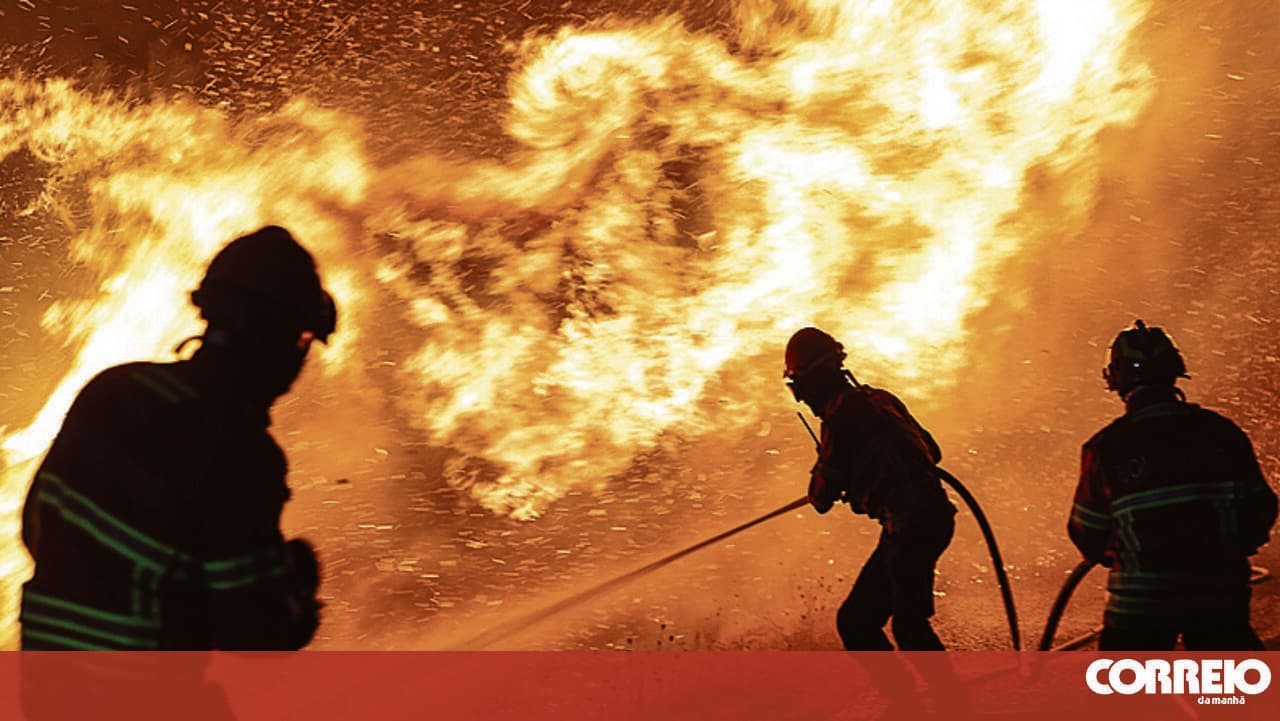
In an interview, Jorge Miguel Miranda explains how the lack of maintenance of forests and infrastructure is one of the structural failures in Portugal regarding climate change: with more rain and more heat.
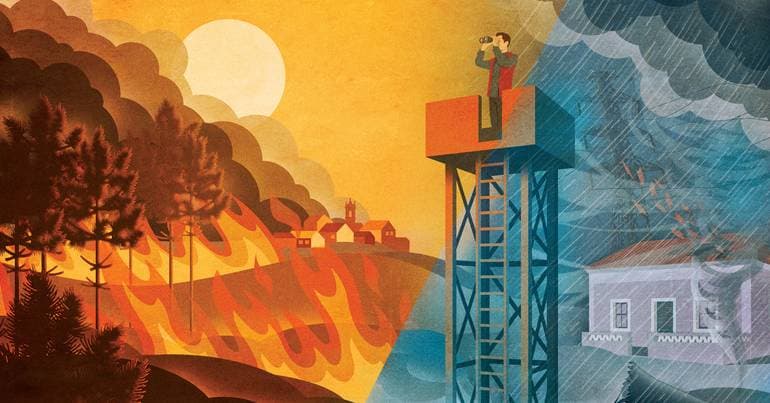
With heatwaves and heavy rain at various times of the year, some European cities are investing in very creative urban solutions!

Home News Portuguese tourism authority creates network of thermal shelters Portuguese tourism authority creates network of thermal shelters The national tourism system now has a clear way to help with the effects of global warming.
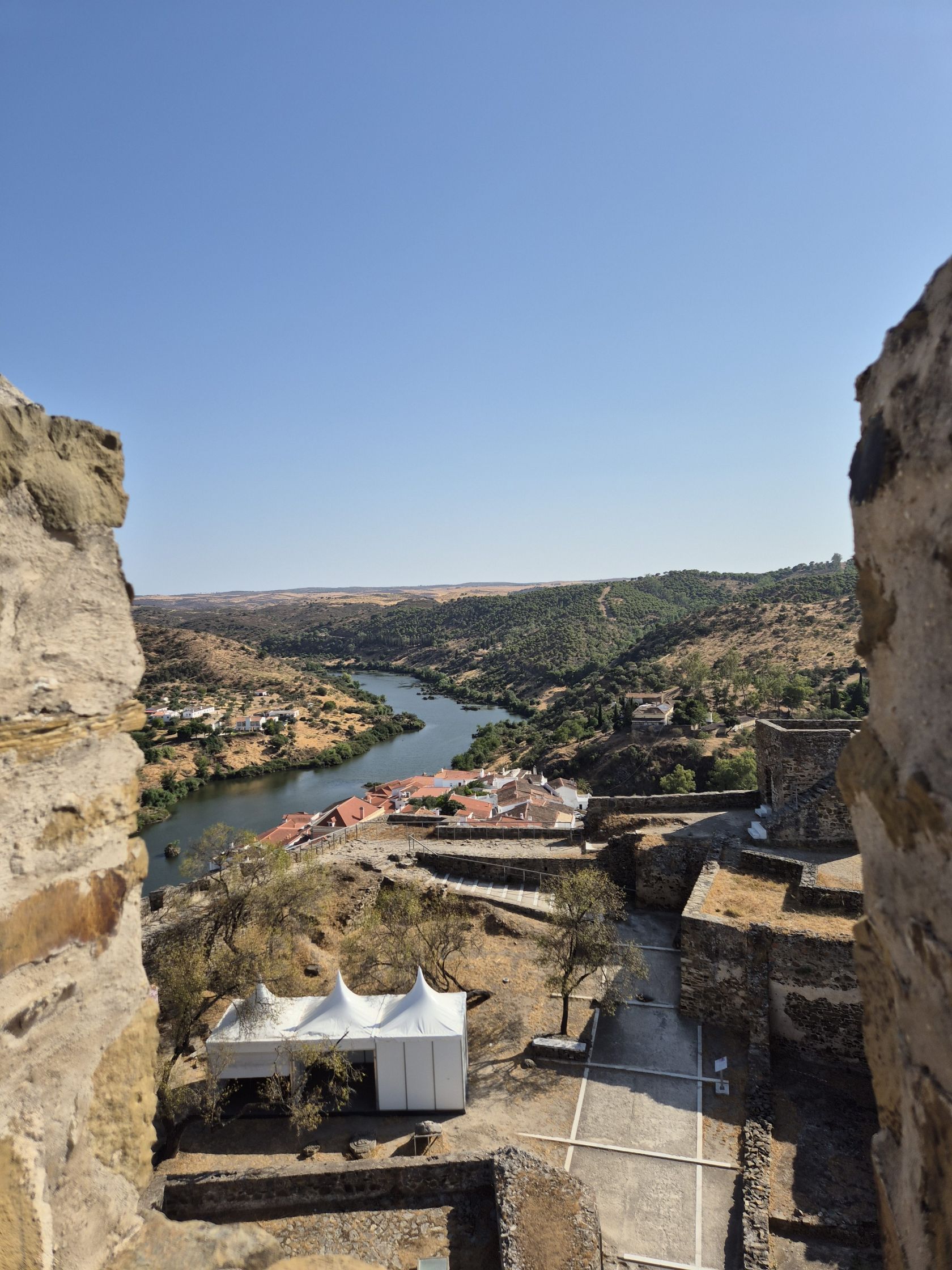
Rising sea levels are accelerating, with Portugal identified as one of the regions facing a significantly increased risk.
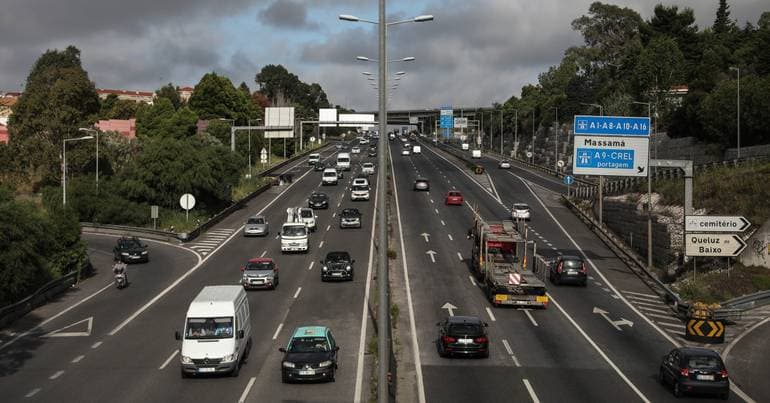
Portugal is among the European countries with the lowest greenhouse gas emissions per capita and one of the highest producers of renewable energy, but car dependency has increased.
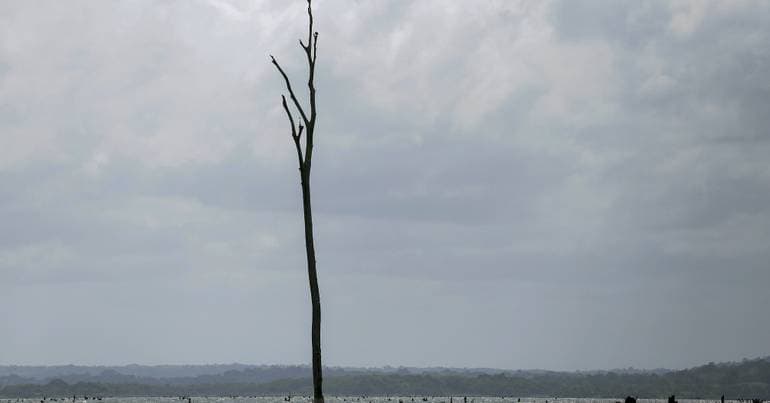
Following the 2023 El Niño, which contributed to record temperatures in 2024, the World Meteorological Organization warns that the phenomenon could repeat or worsen this scenario globally in 2026.
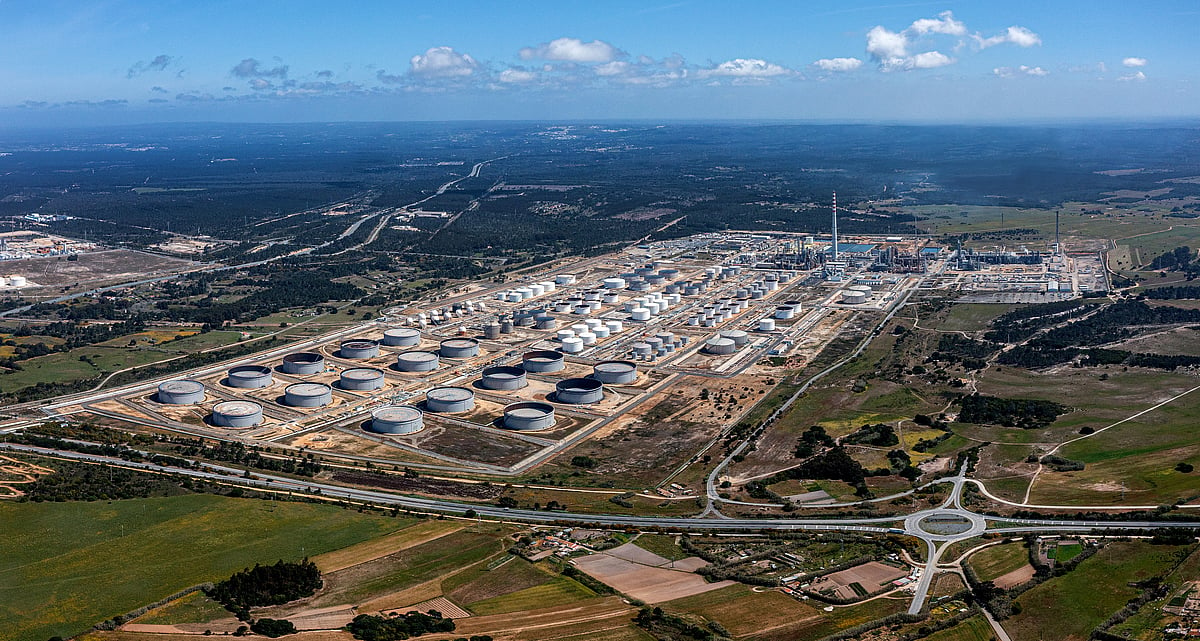
Petrogal's Sines refinery and TAP were the most polluting facilities in Portugal in 2025, a year also marked by an increase in emissions from power plants. According to a report by the environmental association Zero, the top 10 most polluting facilities in the country recorded a 7% overall increase in greenhouse gas emissions compared to 2024, totaling 8.9 million tonnes of CO2. While the Sines refinery remains the top polluter for the sixth consecutive year, it achieved a 16% reduction in emissions. Conversely, natural gas-fired power plants saw a significant rise in emissions due to increased electricity consumption and lower imports, with the EDP Ribatejo plant recording the largest increase at 326%. Zero highlights the continued reliance on fossil fuels and calls for greater investment in renewable energy and a just transition for industrial units.
Ocean warming is identified as the main cause of the acceleration in sea level rise. Scientists warn that these worrying trends are likely to continue over the coming decades.