Ritz: when luxury arrives in Lisbon
It opened its doors in 1959, becoming a symbol of a country that wanted to open itself to tourism and modernise. The architectural project is by Pardal Monteiro, but it was joined by great names from the arts.

Latest news and stories about historical places in Portugal for expats and residents.
It opened its doors in 1959, becoming a symbol of a country that wanted to open itself to tourism and modernise. The architectural project is by Pardal Monteiro, but it was joined by great names from the arts.

The oldest hotel in operation in Porto opened in 1877. The Grande Hotel Paris has modernised, expanded (nearly doubling in size), is now under the Stay Hotels brand, and along the way, dropped the 'de' from its name.

The corridors of the five-star hotel are filled with secrets from the famous guests who have passed through. Their guardian is José Diogo, the 007, who has worked here for 62 years.

It is a hospitality institution with nearly 135 years of history, which has hosted various celebrities. For example, Winston Churchill wrote his memoirs at Reid’s Palace and had one of the suites named after him.

A travel recommendation highlighting a unique location situated half an hour away from Porto, noted for its historical significance.

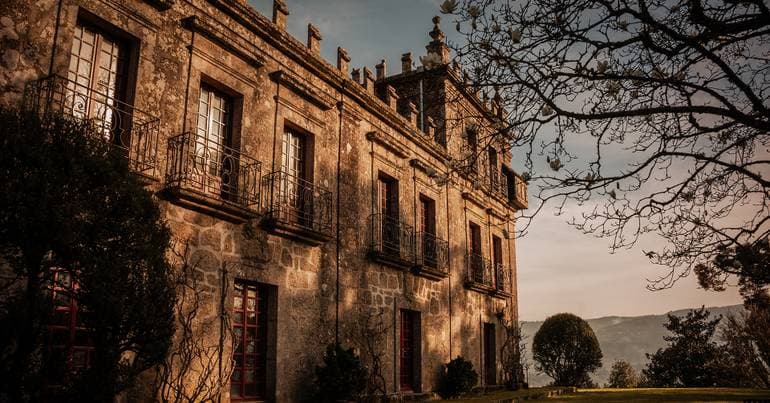
This discusses documents over a thousand years old, the campaigns of Almanzor who arrived in Santiago de Compostela from Morocco, and the origins of the palatial castle of Penedono.

A look at events or features related to the historic Pena Palace in Portugal.

The First Lady of New York travels to Arcos de Valdevez for a “journey through the history of Islam in Portugal”. The experience takes place at the Paço da Glória, where grief retreats are also organised.

An exploration of unfinished architectural projects and the Duke's Palace in Portugal.

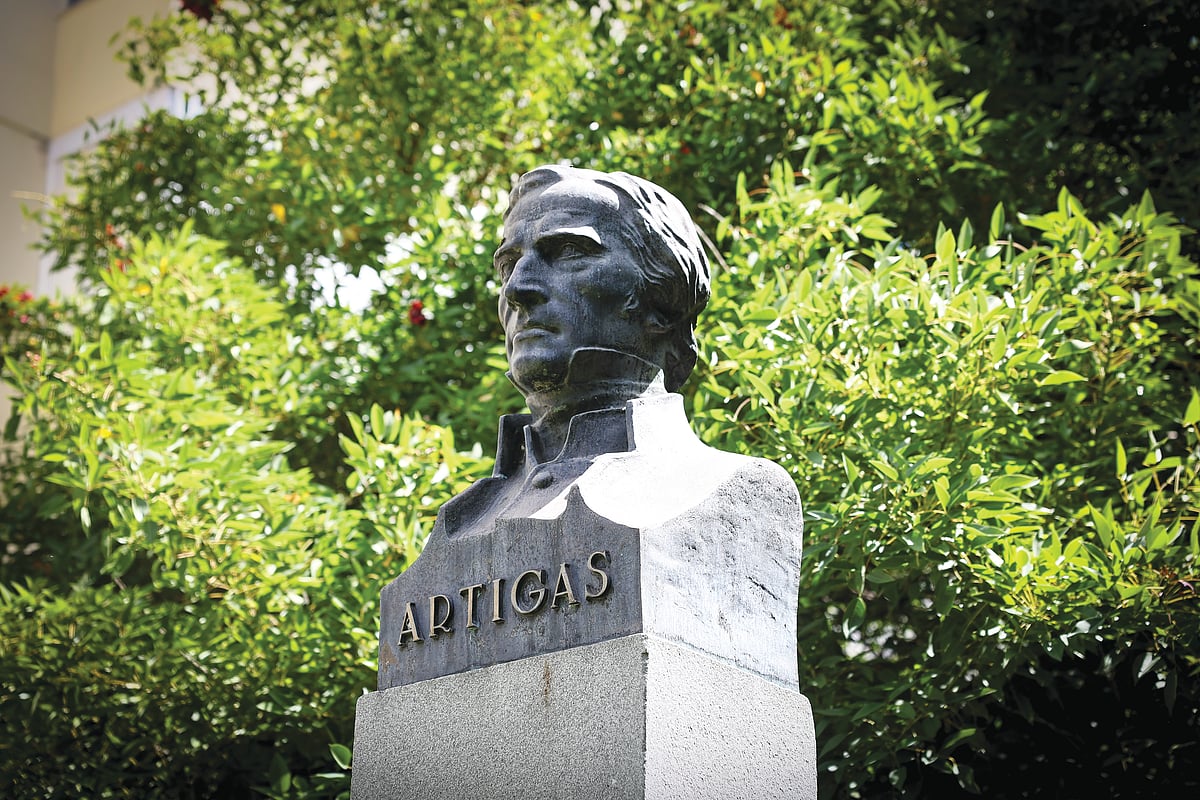
An exploration of Uruguay's historical ties to Portugal, its unique political trajectory, and its current status as a leading democracy in Latin America. The article reflects on the colonial history of Colonia del Sacramento, the country's democratic resilience, and the role of political satire, featuring insights from cartoonist Hogue on the Uruguayan political landscape.

The article discusses the historical birthplaces of early Portuguese monarchs, noting that many were born in locations that would be considered inappropriate or inadequate by modern standards.
The Empress was the first illustrious guest of the hotel, which has since hosted figures from politics and the arts, such as Churchill and George Bernard Shaw. Opened in 1891, Reid’s is synonymous with luxury and history.

A description of the Senhor da Pedra Chapel, highlighting its unique location and architectural significance as one of the most distinctive religious sites in Portugal.

The pendulum clock and the photograph taken of it around 1901, when self-taught scientists and naturalists from all over the world were already flocking to the Azores, tell us about a man and islands waiting to be discovered.

A look at military batteries and the seminary in Felgueiras as part of the Phenomenal Portugal series.

Last winter's storms opened huge cracks in the poet's house in São Pedro de Moel. A team of experts is trying to figure out what can be done to save it.

Senhor dos Passos, Ecce Homo, Dead Christ or Crucified Christ: from the 18th century onwards, the same body was used for different representations, with only the head being changed. Few such examples remain, but there is one in Linhares da Beira.

An exploration of a historic palace that predates the formation of the Portuguese nation.

A symbol of fascist Italy is also one of the great European works of the 20th century. Inside, it holds a secret used for horrific purposes during the Second World War.

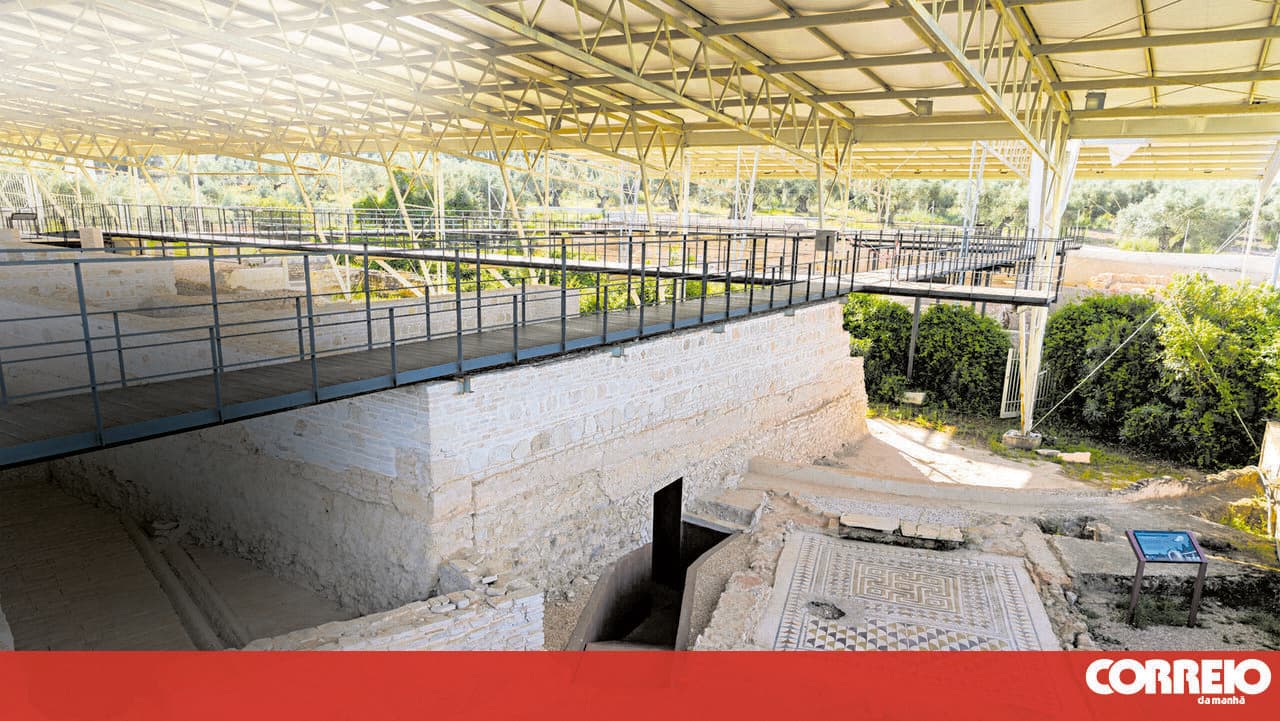
A room in the Roman villa of Fuente Álamo, in Córdoba, is believed to be the westernmost library of the entire Roman Empire. Until now, it was considered a sanctuary dedicated to the deity Mithras.

A major fire nearly 50 years ago at the former Hotel Central revealed an inscription referring to the old Chapel of S. Domingos, which was rebuilt in the 18th century.

A journey back to the historical region of the County of Portugal, the birthplace of the nation.

The Royal Garden of Xabregas was created by a German doctor who lived in Lisbon during the 17th century. Correspondence he exchanged with the Royal Society attests to the importance of his work, says historian.

This discusses the collection work of 103 pillories in Beira Alta (districts of Viseu, Coimbra, and Guarda), based on the work of Mário Guedes Real in the magazine Beira Alta.

The barbarian “invasions” were merely migrations of certain peoples: Suebi, Vandals, Alans, and Visigoths. Only the Suebi and later the Visigoths remained. There have been Christian dioceses in Viseu and Lamego since the 6th century.

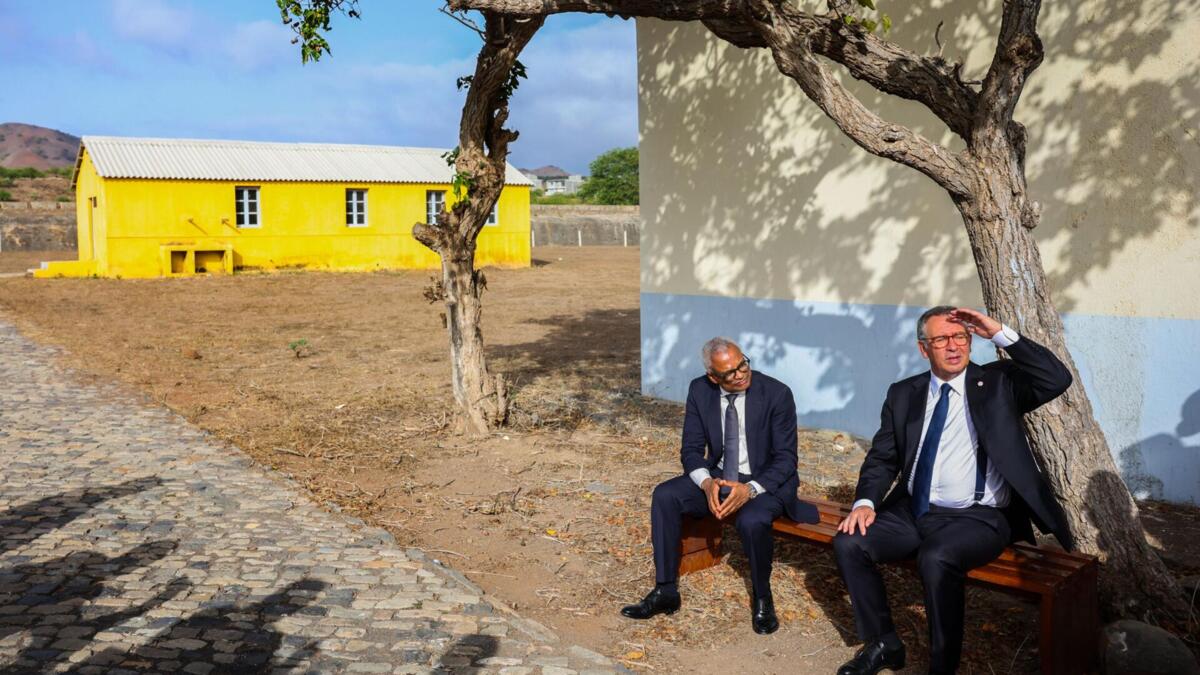
The heads of state of Cape Verde and Portugal met in Tarrafal to commemorate the struggle for freedom and democracy.

The President of the Republic of Portugal wanted to “pay tribute to those who fought” for what exists today: “freedom, an essential good.”