Europe sees decline in ecstasy consumption alongside increases in cocaine and ketamine
MDMA residues found in wastewater decreased between 2024 and 2025 in cities that reported data.

Latest news and stories about public health in health in Portugal for expats and residents.
MDMA residues found in wastewater decreased between 2024 and 2025 in cities that reported data.

For Miguel Oliveira da Silva, “family planning is not just for women”. Affection, education, and universal access to contraceptives should be a priority for young people and immigrants.

The list includes the Local Health Units of the Setúbal Peninsula, Amadora-Sintra, and the Algarve. The project is being implemented in areas with the greatest shortage of family doctors.

Twelve Local Health Units (ULS) are joining a project for low-risk pregnancy monitoring conducted by Specialist Nurses in Maternal and Obstetric Health Nursing (EEESMO), according to an order published this Monday, March 16. The project aims to ensure care for pregnant women without a family doctor in areas with low coverage of General and Family Medicine. The initiative also establishes a monitoring committee and mandates that if a General Practitioner is unavailable, these specialist nurses must provide the necessary consultations to ensure timely care during pregnancy and the postpartum period.

Data released by the European health authority refers to the last 40 days.

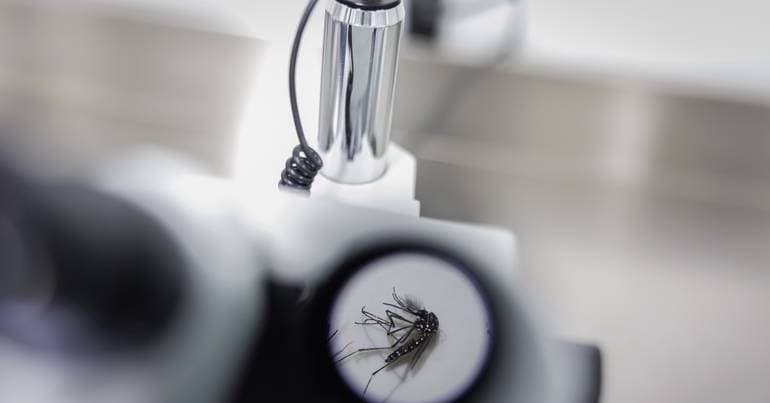
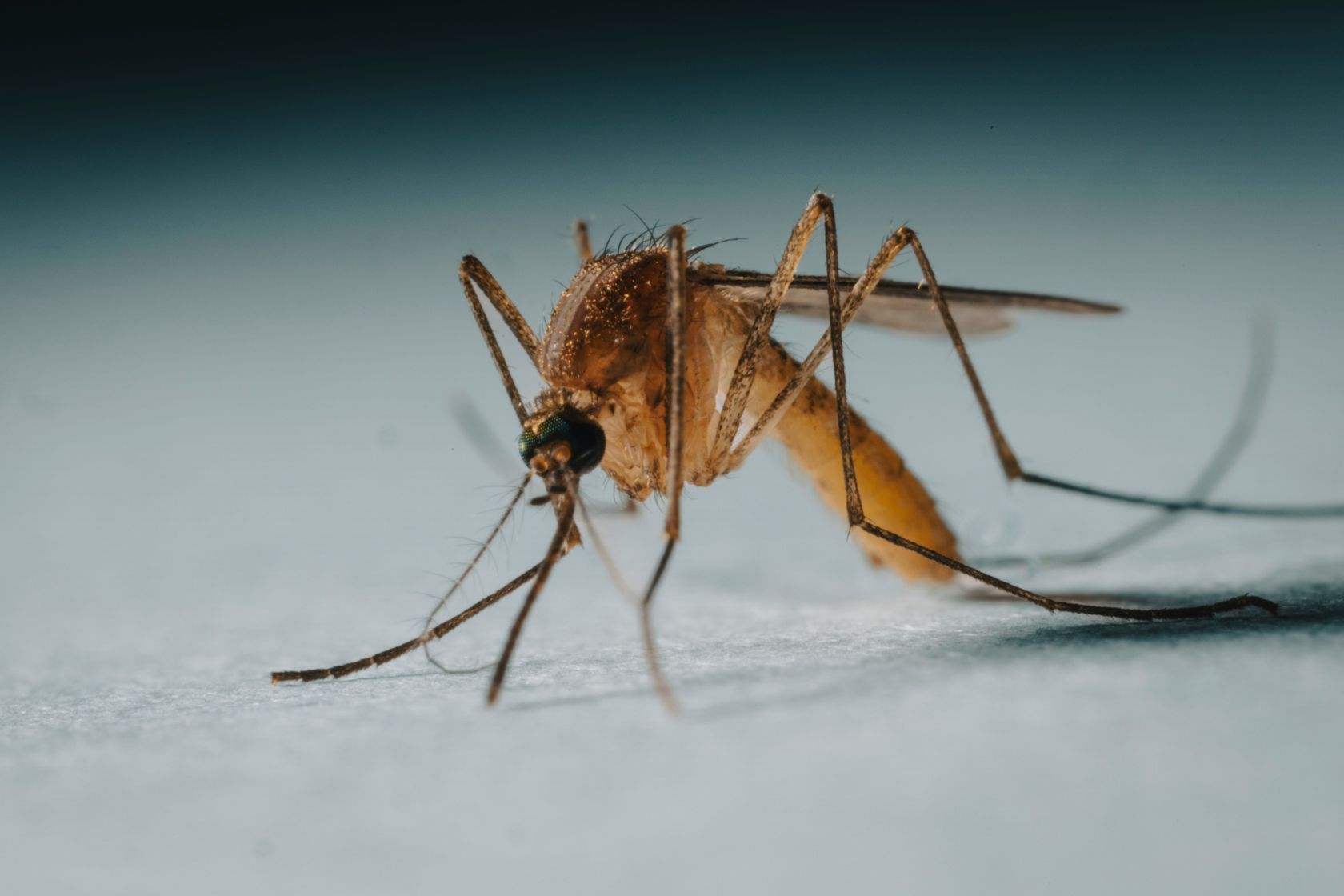
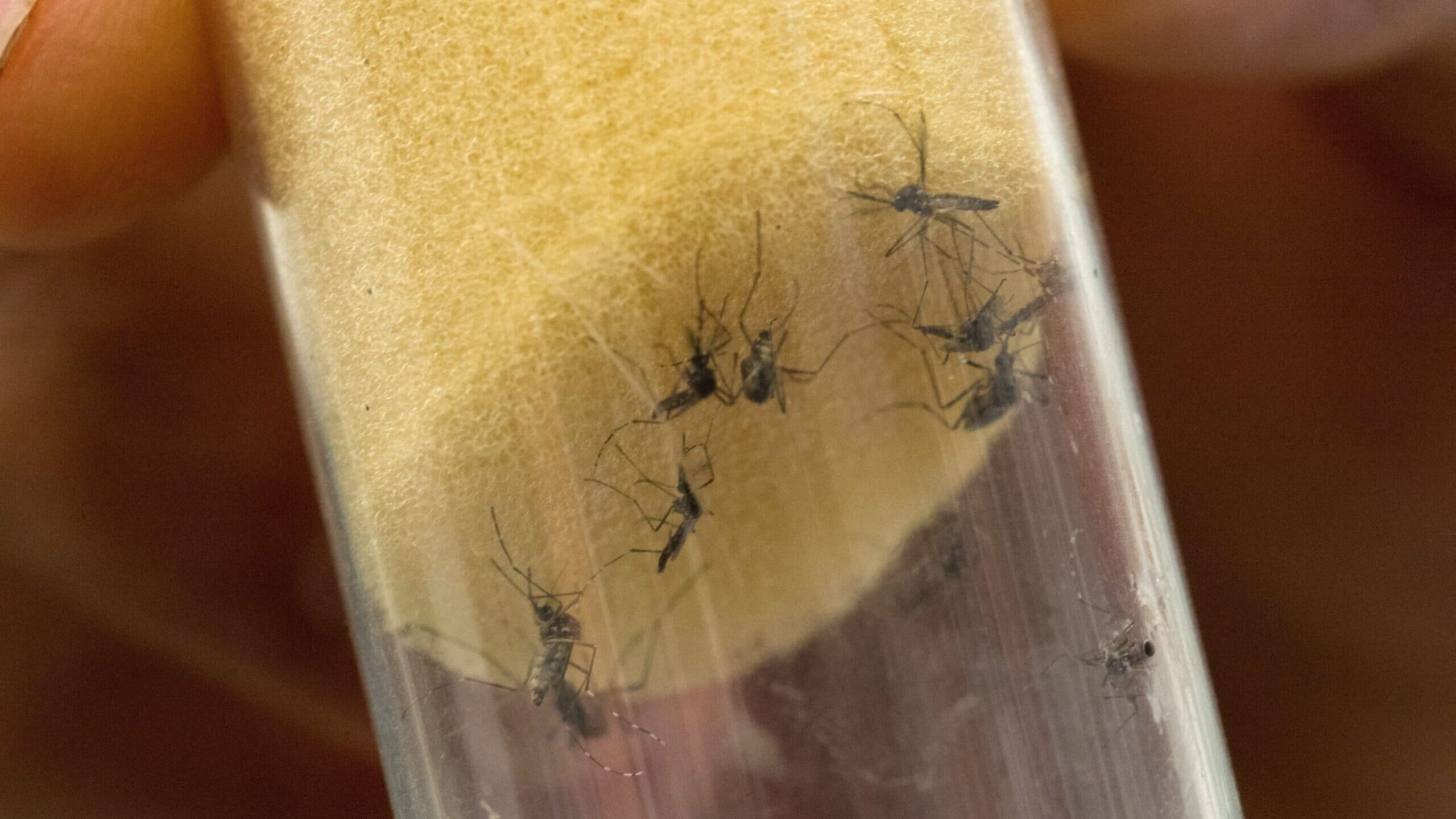
António José Seguro replaces Marcelo Rebelo de Sousa, who held the position of President of the Portuguese Republic for the last ten years. The socialist is considered a moderate. It is not yet known if the new president will have as close a relationship with Brazil as his predecessor, who made nine official trips to the country, but he is expected to maintain the fraternal relationship between the two nations. Watch the full commentary in the video. Radar DN Brasil airs every Friday at 8 am on the DN Brasil YouTube and Spotify channels, with a weekly summary and everything that interests Brazilians in Portugal. Click here and follow the DN Brasil channel on WhatsApp! DN Brasil is a section of Diário de Notícias dedicated to the Brazilian community living or planning to live in Portugal. The texts are written in Brazilian Portuguese. Watch this Friday's, March 13th, Radar DN Brasil. A Fiocruz researcher explains the alert regarding the risk of chikungunya outbreaks in Portugal and southern Europe.
In February there were 10,094 deaths, 3,543 fewer than in the previous month and 100 fewer than in February 2025.

The Portuguese League Against Cancer, in an initiative developed by Nervo — a Wygroup agency —, reveals “The World's Most Shared Secret”. In a campaign aiming to break the silence surrounding the Human Papillomavirus (HPV), the focus is placed on WhatsApp chats. According to data cited in a statement, eight...

Catarina Guerreiro, executive editor of CNN Portugal, explains what changes from now on for people in five Local Health Units (ULS) in Lisbon and Tagus Valley regarding obstetrics emergency services.

Spain (84 years), Sweden (83.8), and Italy (83.7) are the countries with the highest life expectancy, in contrast to Bulgaria (75.8), Latvia (76.4), and Romania (76.5), where people live for fewer years on average.

A new gynaecology and obstetrics referral network is being implemented in Portugal, centralising patient flow to Loures while highlighting critical staffing shortages across multiple regional hospitals.

According to the DGS, Portugal recorded increases in 2024 in deaths of fetuses over 22 weeks of gestation and in deaths of live-born children who died under the age of one.

A DGS report covering 2020-2024 reveals a clear pattern: the later the pregnancy, the higher the risk. Circulatory diseases dominate the indirect causes of death.

A new report from the Directorate-General of Health (Direção-Geral da Saúde or DGS) shows an increase in fetal and infant mortality rates across Portugal in 2024. The fetal mortality rate rose to 4.1 per 1,000 births, while infant mortality reached 3.0 per 1,000 live births. Parents and expectant families should note that the DGS is calling for strengthened prevention strategies to address these complex social and health trends.
Update: Maternal age linked to increased risk in new report
New data from the DGS reveals that more than half of maternal deaths recorded between 2020 and 2024 occurred in women aged 35 or older. The report confirms that 61.8% of these deaths involved pregnancies considered to be at higher risk due to age. Expectant mothers over 35 should be aware that health authorities are emphasizing the need for closer monitoring during and after pregnancy.
The Directorate-General for Health (Direção-Geral da Saúde) is Portugal’s national public health authority that issues guidance on disease control, health alerts and safety of food and water. After Storm Kristin it advised boiling or using bottled water if contamination is suspected, discarding food exposed to floodwater and keeping good hygiene when cleaning affected areas, guidance that residents and recovery workers should follow.

The infant mortality rate was 2.8 deaths per 1,000 live births in the 2022-2024 triennium. During the same period, there were 55 maternal deaths. According to data released this Wednesday, March 11, by the Directorate-General of Health (DGS) in the 2022-2024 Fetal and Infant Mortality Report, fetal mortality stood at 4.0 deaths per 1,000 births. A DGS statement indicates a slight upward trend in fetal mortality in 2024. That year, infant mortality from preventable causes rose to 2.3 deaths per 1,000 live births, mainly due to perinatal conditions, congenital circulatory system anomalies, and pneumonia. The DGS notes that Portugal's rate of 2.8 deaths per 1,000 live births outperforms the EU average of 3.3. The maternal mortality ratio was 13.1 deaths per 100,000 live births. 61.8% of these deaths occurred in women aged 35 or older, highlighting age-related risks. The DGS emphasizes the need for integrated prevention strategies and anticipates improvements in 2025.

Throughout this morning, the latest edition of the event, organised by Sanofi and featuring Expresso as a media partner, brought together doctors, politicians, and health experts to discuss influenza and vaccination in Portugal.

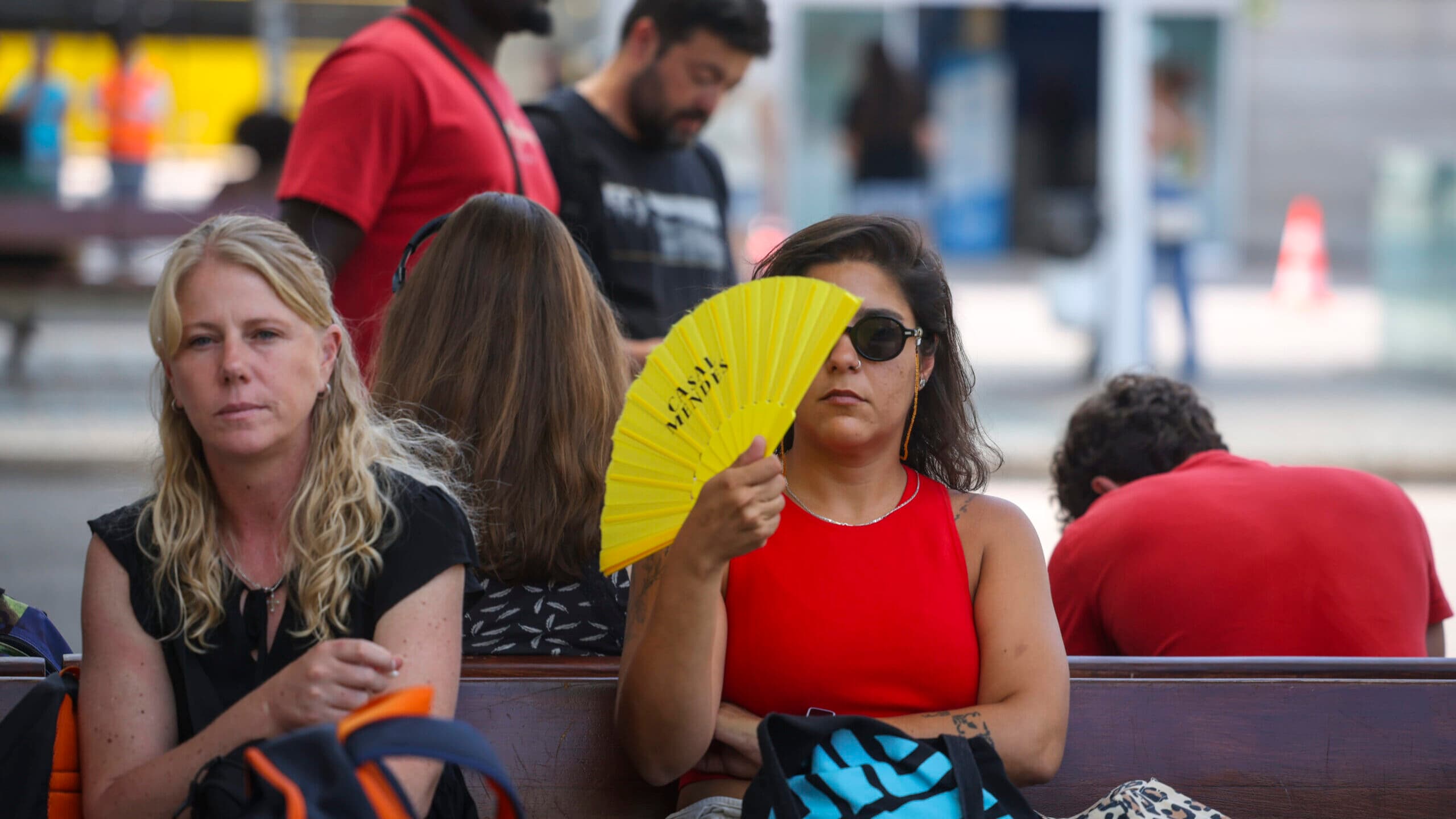
A report from the Atlantic Axis reveals that cities in Galicia and northern Portugal have experienced significant excess mortality due to extreme heat, with some areas reporting increases of up to 60%.
A new study warns that, by 2050, extreme heat could expose almost half of the world’s population to dangerous conditions — and that global preparedness is inadequate. The analysis projects marked increases in heatwave frequency and intensity, with disproportionate impacts on urban populations, workers, older people and lower-income communities, creating risks for health, wellbeing, labour productivity, displacement and sustainability. Authors call for urgent mitigation (deep emissions cuts) alongside targeted adaptation: heat-resilient infrastructure, equitable access to cooling and water, early-warning systems and planning to reduce inequitable risks.

Matosinhos Beach faces possible removal from the official list of bathing waters after persistent water pollution and associated public‑health risks. The beach was closed 18 times during the last bathing season; the Portuguese Environment Agency (APA) is awaiting the adoption of remedial measures and a final decision is expected in April. Local authorities warn that failure to address contamination could cost Matosinhos its bathing‑area designation and further restrict public access.

A Nova SBE report, 'Self‑medication in Portugal: Practices, Determinants and Behavioural Profiles', finds that 51.85% of respondents have self‑medicated at some point. The practice is especially common among younger people, those with higher education and people without a family doctor, and is being used for mental health issues as well as physical complaints. Most people do not inform their doctor about self‑medication, prompting experts to warn of risks for mental health and for patients with chronic conditions. The study highlights gaps in access to primary care and the need for better patient education and reporting practices.