Latest news and stories about cost of living in health in Portugal for expats and residents.
Gouveia e Melo assures he will never allow pensions to be cut as António José Seguro did at the time of the Troika.
A press roundup reporting that Novo Banco has escalated legal action to the Supreme Court against Vieira, while monthly fees at residential care homes have risen sharply.
PRESS REVIEW || There are cases where monthly costs have risen by hundreds of euros in a few years

Portuguese reporting indicates a sharp rise in monthly fees at some care homes — increases of roughly €500 — driven largely by a persistent labour shortage and higher operating costs. The hikes are prompting families to withdraw elderly relatives, intensifying pressure on informal care networks and raising equity and access concerns for vulnerable patients. Economically, the trend highlights how rising labour costs and constrained staffing can be passed directly to users in minimally regulated markets, with implications for social policy, funding models and workforce recruitment/retention. Separately, French coverage notes a demobilisation of farmers’ protests in Paris, underscoring a wider context of labour and sectoral tensions across services and primary production.

Rising costs of medicines are a primary barrier to healthcare for the most disadvantaged, forcing some patients to cancel appointments and tests for lack of funds. This creates widening inequalities in health outcomes and places additional strain on services; addressing the problem requires policy responses such as targeted subsidies, improved coverage, price regulation and better access to affordable medicines.

In 2025, 14.26% of people reported not seeking healthcare when needed, reflecting significant access barriers in Portugal. More than half of the poorest households cannot afford all prescribed medication, while over 50% of initial consultations in the National Health Service (SNS) occur outside the appropriate timeframe. These findings point to intersecting problems of affordability and timeliness that disproportionately affect low-income groups and signal the need for targeted policy responses to improve medication coverage, reduce waiting times and strengthen primary-care access.

The WHO Director-General said that taxes are low or poorly designed and argued they are “powerful tools” to reduce harmful consumption and to finance essential services.

The organisation says they are becoming increasingly cheap and are fuelling disease.

World Health Organization official says "More affordable alcohol drives violence, injuries and disease.”
Chronic pain affects more than three million people in Portugal, exacerbates social inequalities and is an economic problem with various associated costs, warns anaesthetist Nuno Franco.

A study by Nova SBE also finds that those with the means are unlikely to return to the public system. Also, in the presidential race, the leader of the Socialist Party (PS), Carlos César, officially declares his support for Seguro.

Survey-based reporting finds an increasing share of people no longer rely solely on the National Health Service and are turning to private healthcare providers; analysts say access difficulties in the SNS are a key driver and that wealthier patients who switch rarely return to public care. Residents who depend on the SNS should plan for longer waits for some services and weigh private options if timely access is critical.
Nova SBE (Nova School of Business and Economics) is the business school of Universidade Nova de Lisboa, based in Carcavelos; it has a modern campus opened in 2018 and is one of Portugal’s leading business schools. Its surveys and research—like the healthcare access study cited in the news—are often used in public policy debates, so expats will see Nova SBE data quoted in media and policy discussions.
Portugal recently revised its return legislation to replace the phrase 'voluntary abandonment' with a formal 'duty to abandon', aligning national rules with EU return standards and making an obligation to leave explicit for third‑country nationals subject to removal decisions. For migrants this clarifies legal responsibilities and can affect the timing and procedures of removals, including when assisted or enforced return measures may be used.

A roundup of press coverage on difficulties accessing health services and the unfolding industrial crisis in the northern region, analysing the effects on local communities, employment and the regional economy.
Portuguese people will have reduced access to healthcare services in 2025.

Appointments in the SNS (Portugal's National Health Service) continue to be delayed: over four years the percentage of first appointments carried out on time has fallen by more than 30%. In the presidential polls, António José Seguro, backed by the Socialist Party (PS), remains in the lead just days before the election. In the automotive sector, sales of passenger cars in Portugal have already surpassed pre-pandemic levels.

A survey by Nova SBE shows use of private-sector services rose from 11.8% in 2023 to 15.5% in 2025. The likelihood of relying exclusively on the SNS (Portugal's National Health Service) fell from 90% to 82% over three years.

Home News Calls for increasing taxes on alcoholic drinks Calls for increasing taxes on alcoholic drinks The World Health Organization (WHO) has urged countries to urgently strengthen taxes on sugary and alcoholic beverages, arguing that they are becoming increasingly cheaper and driving disease.

Presidential candidate André Pestana said Portugal should prioritise domestic social and environmental needs rather than increased defence spending, declaring he does not want “a single euro more for NATO”. He argues the fight should be against low wages and pensions, environmental degradation and the deterioration of public services, and proposes that funds currently transferred to private health providers be redirected into the National Health Service (SNS), claiming a large share of the state health budget is going to private companies.

Although a roughly 10% rise in health insurance premiums is forecast for 2026, according to Aon's “2026 Global Medical Trend Rates Report”, the reality is that Portugal's health insurance market continues to grow. According to the latest data from the Insurance Observatory of ...

New year, new menu? Ricardo Felner investigated the virtues of a weekly meal plan to find out whether it’s just hype or if it actually helps organise meals at home.
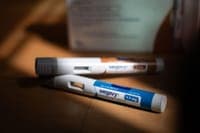
Portugal has already exceeded the European average for obesity and “more than half of the population in Portugal aged between 18 and 74 is overweight or obese”. There is consensus among specialists: “Unfortunately, in our country we have no State subsidy for obesity drugs, and that is not right.” Partially funding the treatment (which in some cases can last indefinitely) “brings financial savings for the State” and the success rate “will be huge”.

PRESS REVIEW || On the streets, as well as being much cheaper, it is sometimes given away, which has contributed to its spread.

Left-wing parties reacted to the President of the Republic's New Year's message.

Jorge Pinto hopes that housing and health will see improvements in 2026.