Latest news and stories about voting rights in government in Portugal for expats and residents.
This page has only 2 stories and is not indexed by search engines.
Between invalid ballots and excluded citizens, Portugal shows that bureaucracy still weighs more than the voter's intention. We are witnessing the cremation of the most genuine democratic act: voting.

An overview of why additional candidates may appear on the ballot if a second round is required, how the run-off process works, who can stand, key dates and what voters should know.
Presidential candidate António José Seguro today 'took good note' of Jorge Pinto's statement, in which he urged voters to 'vote freely', and said that all votes arriving before the close of the polls 'are in time'.

If you turn 18 between the first and a potential second round of the presidential election, you will not be able to vote. The clarification comes from the National Election Commission (CNE), which responded in a statement to doubts raised about the voting rights of young people who reach the age of majority in that interval. In its statement, the CNE recalls that “the law ...”

Ensuring the right to vote for people with disabilities is not a concession; it is a constitutional and international obligation and also a substantive indicator of democratic quality.

Multiple outlets report that Seguro is campaigning to enter the presidential second round in first place as a strategy to block what he calls an “extremist” candidate, while also saying he refuses to “wade into the mud” of negative campaigning. The coverage frames his pitch as appealing to tactical voters who want to prevent an extremist candidate reaching the presidency. Voters and political observers should note tactical-vote messaging may intensify in coming days.

Background:
António José Martins Seguro (born March 11, 1962, in Penamacor) is a lawyer, political scientist, and Socialist Party politician running for president in Portugal's January 18, 2026 election. He led Socialist Youth (1990-1994), served as MEP (1999-2001), was Minister Adjunct to PM António Guterres (2001-2002), and led the PS parliamentary group (2004-2005). Elected PS Secretary-General in 2011 with 68%, he led the opposition during Portugal's bailout era. In 2014, António Costa defeated him in party primaries by a landslide, prompting Seguro's resignation and decade-long retreat from politics. He returned in 2025, launching the movement UPortugal and announcing his presidential candidacy in June. He received official PS backing in October 2025. Political Philosophy:
Seguro positions himself as representing a "modern and moderate" left, offering a progressive alternative to conservative candidates. He advocates for "financial responsibility but critical of austerity," attempting to reposition the PS at center-left. His campaign emphasizes institutional trust, efficient governance, and hope for a better future.
The second round (segunda volta) is a runoff held if no candidate obtains more than 50% of votes in the first round; the top two candidates then compete head‑to‑head. For expats following elections, the second round is usually decisive because broader coalitions form and turnout and endorsements can change the outcome.

The article argues that the current presidential election process effectively disenfranchises some Portuguese citizens living abroad, meaning the incoming President will not represent all nationals. It analyses practical and legal barriers facing the diaspora, the democratic and legitimacy implications of unequal voting access, and points to reforms (expanded consular services, remote voting, legislative change) needed to ensure equal political participation for expatriates.

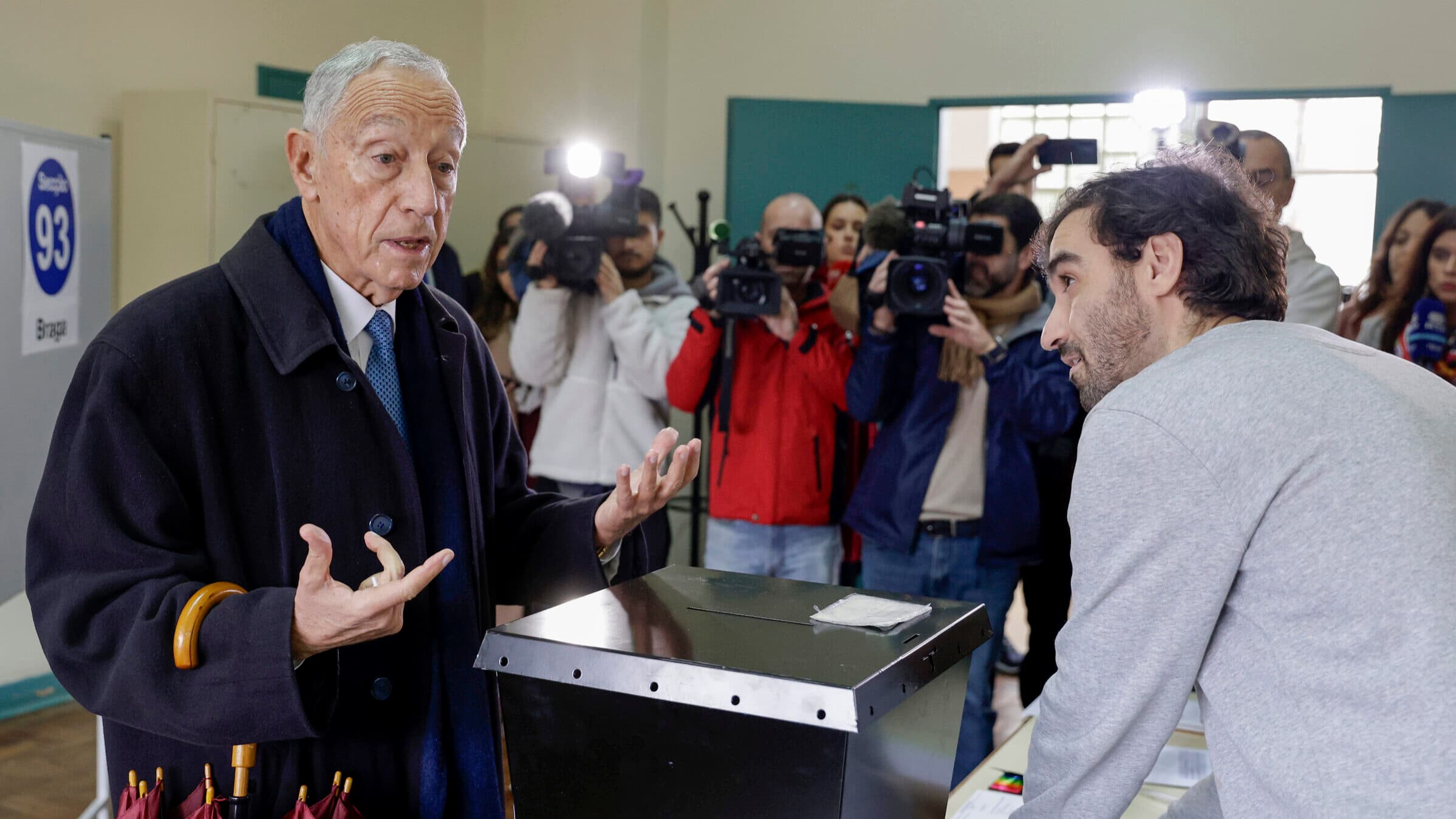
The President of the Republic, Marcelo Rebelo de Sousa, said today that early voting is 'a step forward for democracy' and reminded that every vote can make a difference to the outcome of the presidential election. 'It is a fundamental contribution, it is a step forward for democracy,' he told journalists after casting his early vote at Cidade Universitária in Lisbon.