Alexandra Leitão and other political figures debate the controversial decision to anonymize political party donor identities, citing data protection concerns while critics warn of a significant setback for democratic transparency and public scrutiny.
Four public entities have withdrawn from an anti-fraud think tank focused on European funds, including the Inspectorate-General of Finance and the Prosecutor-General's Office.
The article discusses the urgent need for regionalisation in Portugal, highlighting how recent severe weather events have exposed the country's vulnerabilities due to an excessively centralised governance model. It argues that the lack of administrative regions creates a governance void that hampers effective civil protection, resource management, and policy integration. The author advocates for an elected regional level to enhance accountability and transparency, emphasizing that decentralisation must be paired with robust information systems to ensure effective governance. The piece concludes that regionalisation is essential for adapting to climate change and improving democratic engagement.
The location remains the same, but instead of two buildings, the new project now plans for only one. Álvaro Santos Pereira estimates savings of at least 35 million euros. Additionally, the CDS party has requested a Public Prosecutor's investigation into the Bank of Portugal headquarters deal.
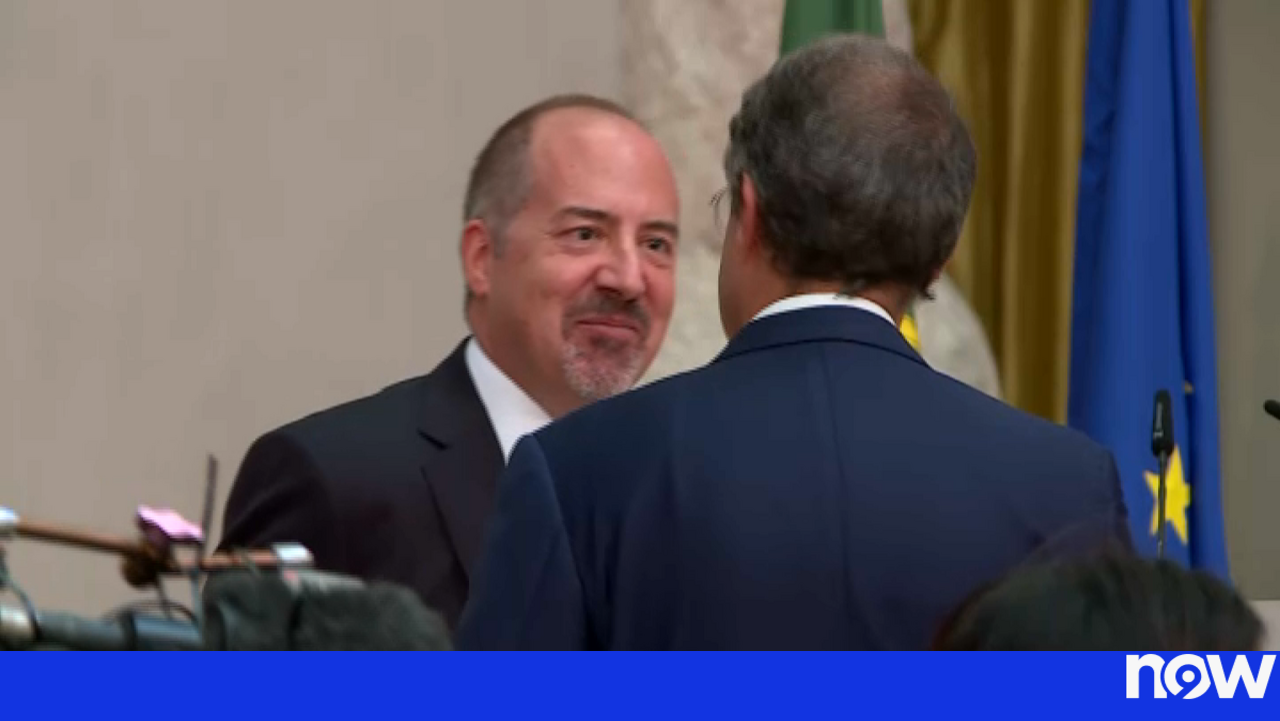
The Governor of the Bank of Portugal had already indicated that the capital gains were donated to an institution, adding that the amount was 3,361 euros, which was donated to Make-A-Wish.
Among the new items in the President of the Republic's income declaration are three bank loans at Santander Totta and the information that he is a creditor of asset guarantees worth approximately 689 thousand euros.
With a total investment of 22.2 billion euros, split between grants and loans, the Recovery and Resilience Plan (PRR) represents extraordinary funding to implement reforms and investments aimed at ensuring the country's socio-economic development, particularly in the areas of environmental and digital transition, economic growth, social and territorial cohesion, and education policies, which will require monitoring and evaluation. Within the scope of the Recovery and Resilience Facility (RRF), which funds the PRR and came into force in 2021 with a total of 800 billion euros, the Portuguese PRR aims to provide the country with better conditions for economic growth and living standards. Given the high financial effort involved, it is in the public interest to promote scrutiny of these investments. It should be noted that a recent report from the Public Prosecutor's Office warned of flaws in the oversight and control system, as there is no guarantee of proper handling in the allocation of these PRR funds, and fearing that there are no guarantees regarding the effective functioning of the national PRR control system, it also drew attention to the problem of a shortage of audits. Meanwhile, the European Court of Auditors also warned about a month ago about the limitations of the RRF, which funds the PRR, particularly regarding its transparency, pointing out gaps in the disclosure of results and beneficiaries, noting that it would be advisable for Member States to collect data systematically upon request. In a report on the transparency of the RRF, the European Court of Auditors (ECA) shows concern about a potential problem in the allocation of funds and a lack of transparency, highlighting that there are gaps regarding the collection and disclosure of information on who ultimately benefits from the mechanism and to what extent. In other words, faced with a disparity of approaches by Member States, the entity observes that it will be necessary to strengthen systematic access to data in a detailed and transparent manner. Considering that systematic collection allows for better 'control and fraud prevention', the ECA recommends that the European Commission ensure the complete, systematic, and timely collection and publication of information on European Union funds and use actual cost data to assess the efficiency of monitoring and control systems, specifically by strengthening systematic physical visits to ongoing projects.
The Minister of Defence stated that the mechanism created by the Government to oversee investments in the sector will be 'the most effective and transparent' in the history of democracy and highlighted the centrality of the Navy in the current international context. During the official Navy Day celebrations in Setúbal, Nuno Melo referred to the approval on Thursday by the Council...
The Court of Auditors has warned that a new government bill, proposed by Prime Minister Luís Montenegro and Minister of State Reform Gonçalo Matias, would significantly weaken public finance oversight. The court claims the proposal would reduce the scope of its prior audit by approximately 60%, potentially leaving eight billion euros in public contracts unchecked. The Court argues that the bill undermines its ability to prevent, monitor, and hold public managers accountable for the misuse of taxpayer money, while the government contends that current oversight rules act as a barrier to public investment and economic efficiency.
The European recovery fund lacks transparency and has flaws in tracking the money, which are fundamental characteristics for protecting the European Union's accounts. In its most recent report, the European Court of Auditors warns of the risks of using a model that is not based on actual costs in the next 2028/2034 financial framework and highlights...
After it became known that the Governor of the Bank of Portugal bought shares in non-financial companies while already in office, Parliament voted in favour of a hearing for Santos Pereira.
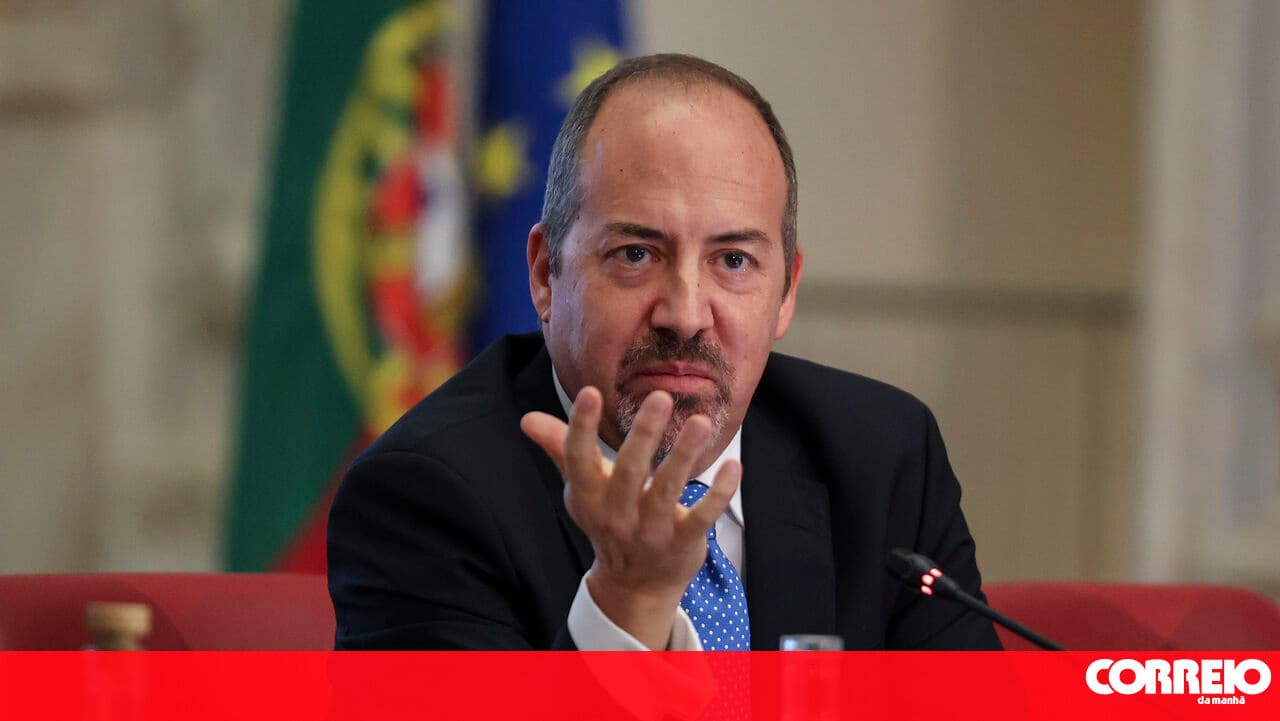
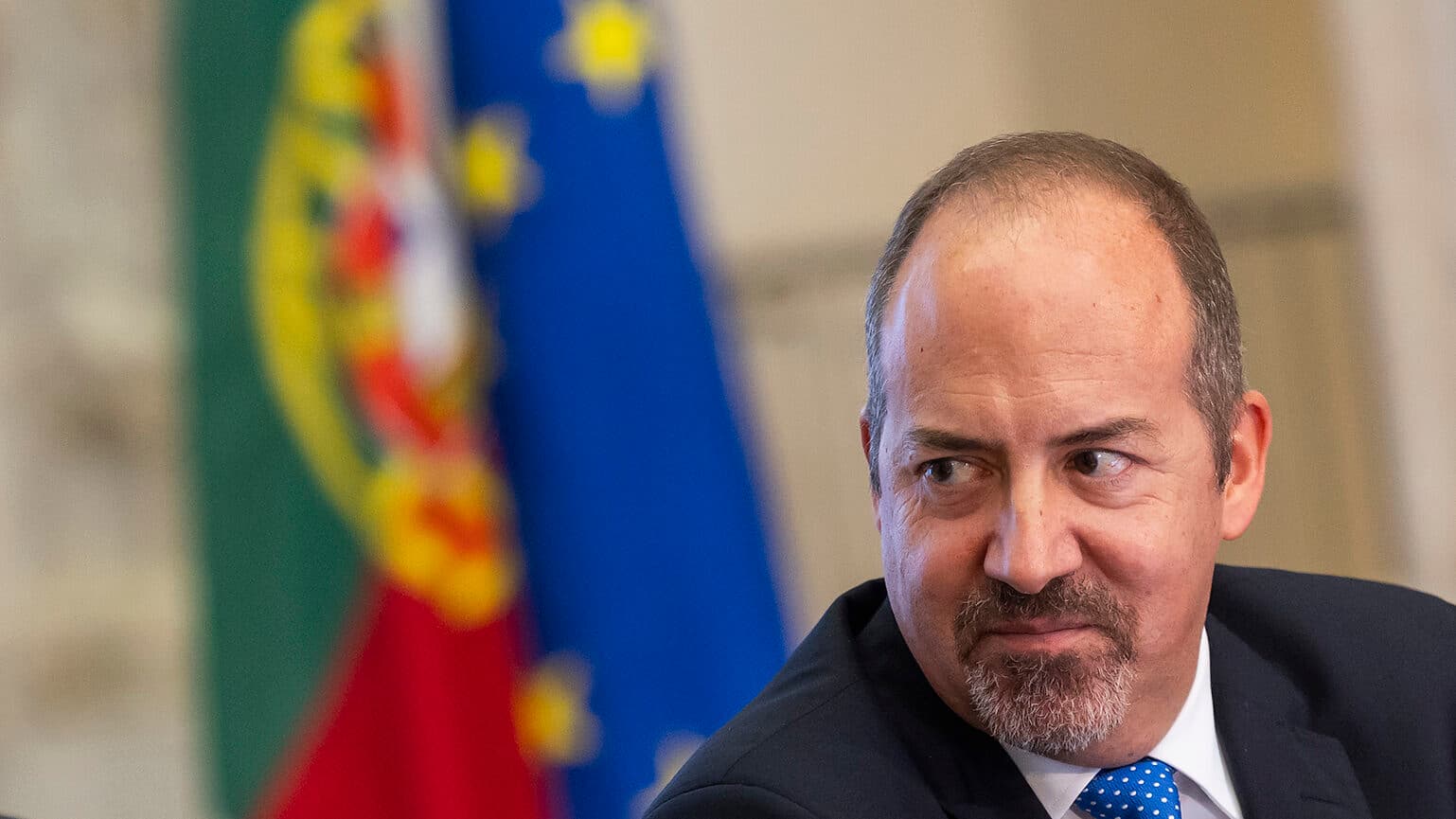
On Wednesday, May 6, the PSD, CDS-PP, Chega, IL, and PS parties approved a request for the parliament to hear Bank of Portugal governor Álvaro Santos Pereira regarding his purchase of company shares while leading the institution. The request, initiated by Chega following a report by the newspaper Público, was unanimously approved by the Budget, Finance, and Public Administration Committee. Santos Pereira, who has led the central bank since October 2025, purchased shares in companies such as Jerónimo Martins, Galp Energia, Nestlé, and The Navigator Company between December 2025 and January 2026. He was subsequently required by the European Central Bank (ECB) to divest these holdings. While the governor stated he proactively communicated these transactions to the ECB and has since sold the shares and donated the capital gains to charity, political parties argued that a parliamentary hearing is necessary to ensure transparency and protect the institution's reputation.
The Bank of Portugal only states that the share purchase was reversed, without clarifying whether Álvaro Santos Pereira disposed of the shares through sales.
The president of the CAP (who was clear), the Minister of Justice (who was confusing), and the Governor of the Bank of Portugal (who should speak) are the Good, the Bad, and the Ugly.
The Bank of Portugal only states that the share purchase was reversed, without clarifying whether Álvaro Santos Pereira disposed of the shares through sales.
Around Christmas, two months after taking office as Governor of the Bank of Portugal, Álvaro Santos Pereira increased his investment portfolio by purchasing shares in Galp Energia and Jerónimo Martins, as reported by Público (subscription required). He disclosed the transaction to the European Central Bank (ECB) in his declaration of...
The president of the Court of Auditors (TdC), Filipa Urbano Calvão, has expressed concern over proposed changes to the institution's oversight of public contracts. She warned that raising the threshold for prior audit to 10 million euros and easing financial liability for public managers could leave public finances vulnerable, stressing that public administration cannot be managed like a private company where the risk is borne by the community rather than the manager.
The Government's proposal to eliminate prior approval for public contracts up to 10 million euros is a flagrant demonstration of irresponsibility and contempt for the sound management of public finances. More than a mere bureaucratic change, it is an explicit invitation to negligence and laxity on the part of public managers. Reducing the...
The leader of the PS-Azores accuses the Government of a lack of transparency in the use of Lajes and speaks of a “very” complicated situation in the Azores' coffers.
The Bank of Portugal continues to leave the exact and detailed terms of the agreement that led Mário Centeno to leave the institution and retire at 59 unclear. ECO revealed almost a week ago that the former governor signed an agreement that allowed him to leave the central bank, where he remained as a consultant...