A country without economic drama waits for the President to piece together the fragments of politics
This time, it's not an economic crisis worrying the incoming President. It's the political trenches that delay consensus and reforms, and the uncertainties of an international order adrift.

4h. Mercosur. Portuguese Industrial Association welcomes agreement
The association says the protocol will reduce trade barriers and increase competitiveness. Also in this bulletin, the country will go to the polls this Sunday to choose the next President of the Republic.

2026 Presidential Election: Bets have already generated nearly €100 million
The race to Belém has already seen nearly €100 million wagered on an international platform. Bettors are trying to predict who will win the presidential election in Portugal.

Presidential election — what expectations do the Portuguese have for the vote?
A brief look at what Portuguese people expect from the upcoming presidential election, covering public priorities, concerns and hopes that could shape voter sentiment.

Law allows higher spending in the second round but does not provide for an increase in the state subsidy
The two presidential candidates who progress to a possible second round will be able to declare higher campaign spending, but the law does not envisage an increase in the state subsidy.

Presidential elections: what do €110 million in online bets say about these elections?
One thing is to express opinions and make comments. Another is to place money on potential winners. See and compare the two.

A second-tier first round
With the final day of the campaign for the presidential first round upon us, many (and significant) questions remain — who will win, who will come second, how that will affect the final outcome and, consequently, how the next occupant of Belém Palace could affect political, economic and social stability in the coming ...

Business leaders call for a 'mobilising' President able to represent the country abroad
Three days before the Portuguese go to the polls to choose the next President of the Republic, the businesspeople interviewed by ECO outline the profile they would like to see in Belém: to be a mobiliser around a forward-looking strategy, to put the country ahead of party interests and to have the capacity to represent Portugal in a world that faces ...
Bets mirror polls and favour Seguro
The volume of bets on the eventual winner of the elections reached US$108 million this week.

Gouveia e Melo links Seguro to pension cuts during the 'troika' period
The presidential candidate Gouveia e Melo today linked his opponent, António José Seguro, to cuts in pension payments during the 'troika' period and vowed that, if elected, he would veto any decree to that effect.
5 things that will shape the day
On the day the INE (National Statistics Institute) publishes data on how the construction sector has evolved, the Government will again meet with public service unions. The deadline for candidates to withdraw their presidential bids also expires. Brussels will approve Portugal's plan for defence loans and present the official proposal on the loan of ...

Gouveia e Melo describes himself as an old-fashioned social democrat who rejects neoliberalism
Presidential candidate Gouveia e Melo today advocated a new social contract for Portugal inspired by social democracy, in a speech in which he criticised neoliberal individualism but not any of his rivals in the race to Belém.
Gouveia e Melo describes himself as an old-style social democrat who rejects neoliberalism
Presidential candidate Gouveia e Melo today defended a new social contract for Portugal inspired by social democracy, in a speech in which he criticised neoliberal individualism but did not criticise any of his rivals in the race for Belém.
Finance Minister warns that only a vote for Mendes will prevent a 'populist or socialist' in Belém
The Finance Minister today warned the centre-right electorate against 'siren songs', arguing that only a vote for Marques Mendes can prevent the next President of the Republic from being 'a populist or a socialist'.
Minister of Finance warns that only a vote for Mendes will prevent a 'populist or socialist' in Belém
Miranda Sarmento warned against the 'siren songs' in these presidential elections.
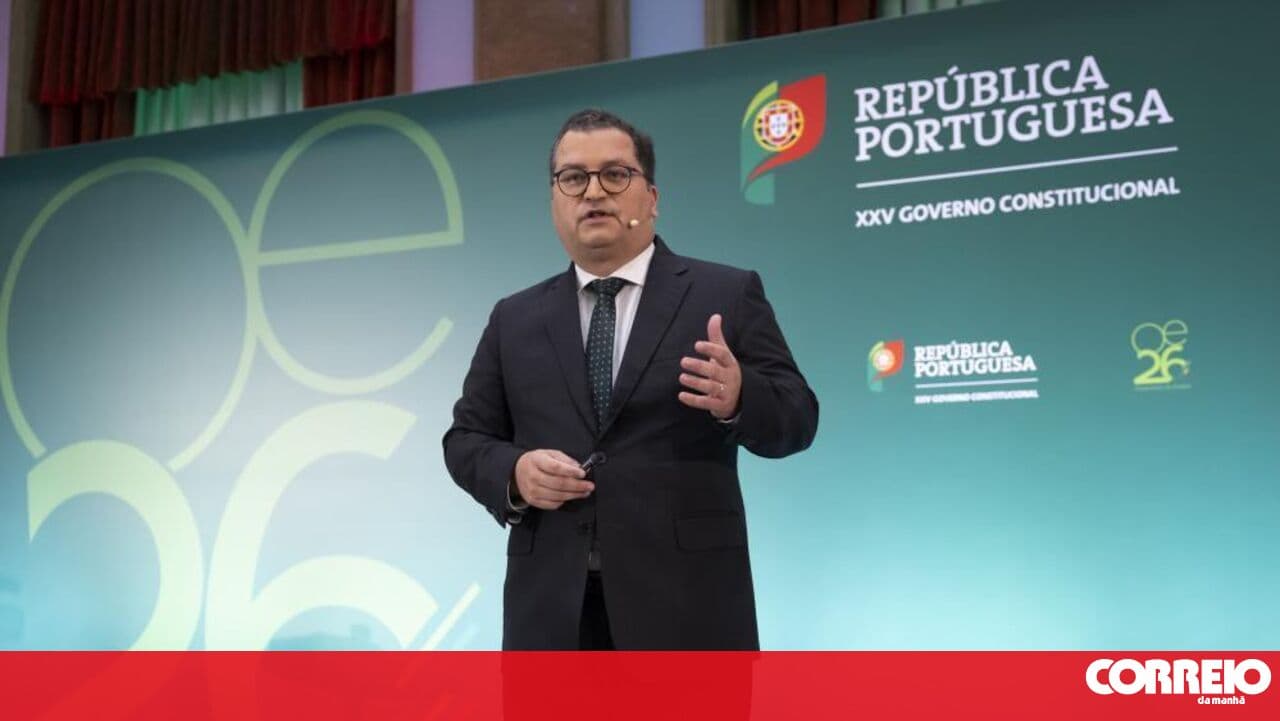
André Pestana opposes Mercosur agreement
André Pestana calls for the defence of Portuguese farmers. The presidential candidate criticises the European Union's agreement with Mercosur.
Today in the news: Health, polls and cars
Appointments in the SNS (Portugal's National Health Service) continue to be delayed: over four years the percentage of first appointments carried out on time has fallen by more than 30%. In the presidential polls, António José Seguro, backed by the Socialist Party (PS), remains in the lead just days before the election. In the automotive sector, sales of passenger cars in Portugal have already surpassed pre-pandemic levels.

Seguro appeals to undecided voters and opposes privatisation of Health and Social Security
Presidential candidate António José Seguro today addressed undecided voters, from the left to the centre-right, asking for a 'useful vote' in an election in which 'two countries' are at stake, warning that Health and Social Security 'cannot be privatised'.
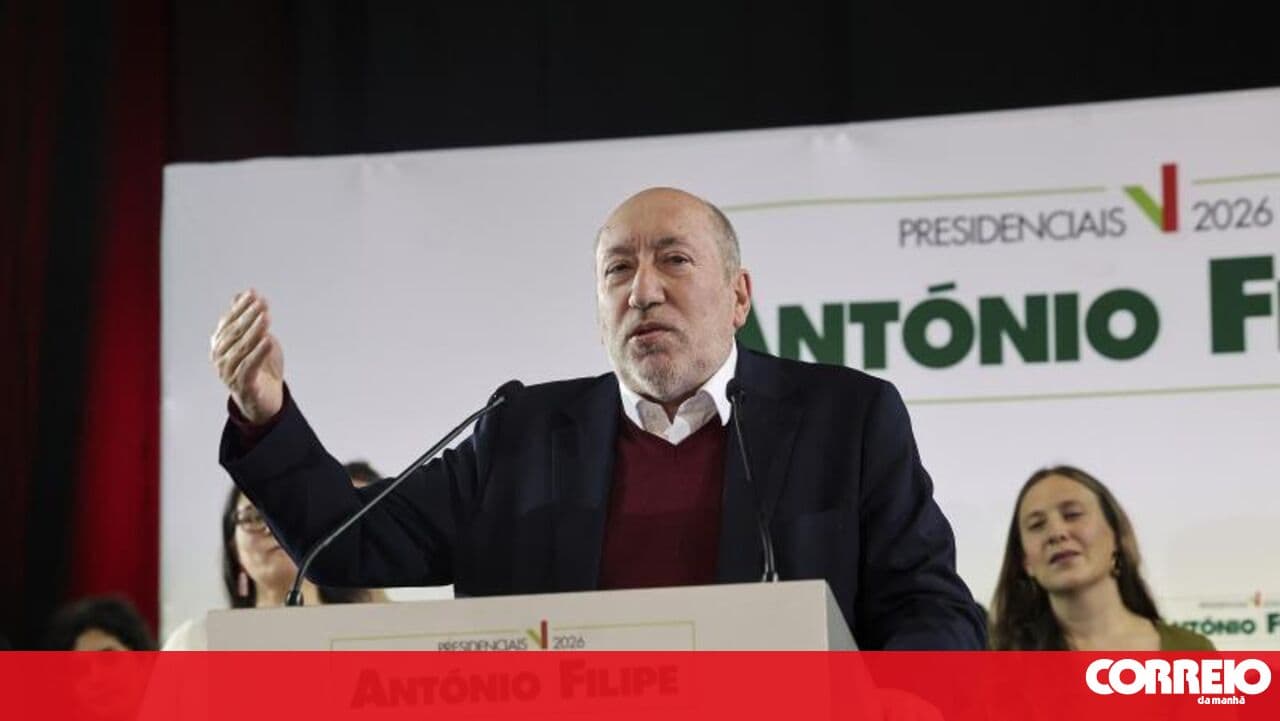
António Filipe concerned about Mercosur agreement on day dedicated to agriculture
The presidential candidate said that “the agreement with Mercosur is not favourable to Portugal overall”.
André Pestana doesn't want a single euro more for NATO
Presidential candidate André Pestana said Portugal should prioritise domestic social and environmental needs rather than increased defence spending, declaring he does not want “a single euro more for NATO”. He argues the fight should be against low wages and pensions, environmental degradation and the deterioration of public services, and proposes that funds currently transferred to private health providers be redirected into the National Health Service (SNS), claiming a large share of the state health budget is going to private companies.

André Pestana says money transferred to private providers should be invested in the NHS
Presidential candidate André Pestana argues that funds currently routed to private healthcare providers should instead be invested in the NHS. He says greater NHS investment would strengthen health professionals' careers and deliver practical improvements — for example, better ambulances available sooner — reducing reliance on private sector services.
Presidential election: posters, rallies and agencies are the candidates' bets in the campaign
Eleven candidates kick off formal campaigning for the 2026 presidential election this Sunday, campaigning until the 16th as they compete for the presidency in Belém. Declared communications budgets exceed €3.8 million and are concentrated on visible tactics — campaign design, agency work, posters, advertising, rallies and giveaways — according to filings with the electoral oversight entity. The spending pattern suggests a contest focused on reach and visibility rather than low-cost digital-first strategies.
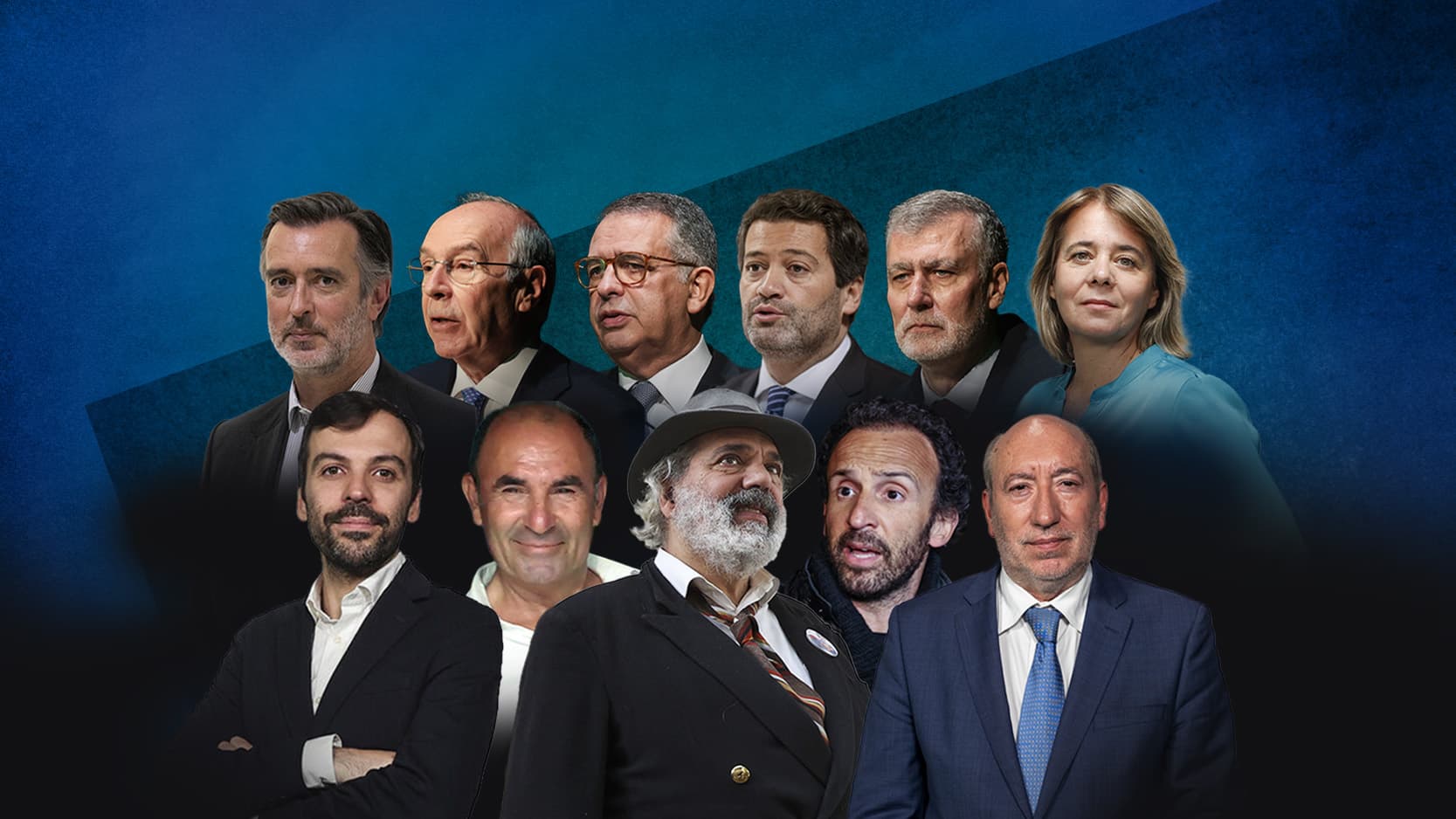
2026, the year of (un)expected political stability
São José Almeida argues that political stability in Portugal in 2026 is not guaranteed: the next occupant of Belém Palace may refuse to follow Marcelo Rebelo de Sousa’s de facto rule that a rejected State Budget should automatically lead to elections. That shift in presidential interpretation would alter the incentives around budget votes, policy-making and election timing, introducing renewed uncertainty into the political landscape.

Mendes, Seguro and Melo's campaigns cost more than one million. Ventura banks on giveaways
Luís Marques Mendes has the most expensive campaign and António José Seguro is the most optimistic in estimating the subsidy to be received. Gouveia e Melo expects to receive €700,000 and Ventura €400,000.
