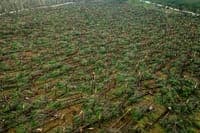
The environmental association Zero has called for an unfavourable environmental opinion on the proposed Aveiras logistics centre in Azambuja, arguing it would increase emissions, noise, and air pollution. The group criticises the project for ignoring rail transport and reinforcing reliance on road freight, calling it a strategic setback for national climate goals. While the project, backed by the Glacier Crown group, has faced scrutiny from regional authorities over seismic risks and land use, the Mayor of Azambuja, Silvino Lúcio, has defended the development, stating it complies with all legal planning requirements and is classified as a project of national interest.
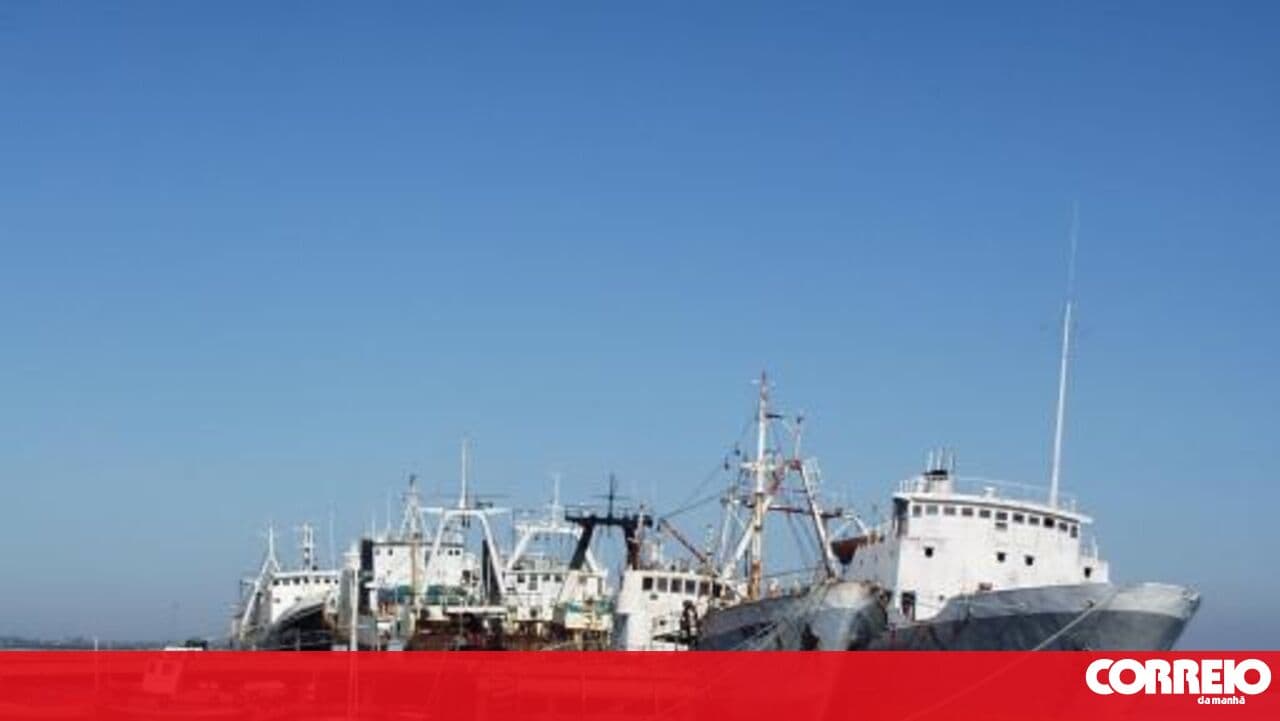
In an increasingly volatile world where maritime routes have become arenas of ruthless geopolitical competition, the new European Port Strategy emerges as a beacon of vision. Recently announced by the European Commission, this strategy positions ports as pillars of EU autonomy, proposing an ambitious repositioning that promotes competitiveness, decarbonisation, and sovereignty in logistics and energy flows. For a country like Portugal, with an exposed Atlantic coast and ports such as Sines, Leixões, and Lisbon, this approach is fundamental. As global trade reorganises and logistics chains become instruments of geopolitical power, controlling critical infrastructure has become as important as defending borders. The most transformative element of this strategy is the approach to security, which has been absent from European port policy for decades. It is recognised that ports are no longer merely commercial hubs, but have become battlefronts against hybrid threats, including organised crime and terrorism, especially considering that most drug trafficking entering Europe via Portugal originates in Latin America. In 2024, Portugal recorded a record 23 tonnes of cocaine seized, mainly in its ports, consolidating the Brazil-Portugal route as a structural corridor for drug trafficking. Europol reports highlight evasive tactics, such as high-seas transfers using mother ships and daughter boats, which bypass customs controls and increase the risk of armed violence in coastal areas. This maritime security challenge, however, is part of a broader and more volatile geopolitical context. The war in Ukraine, the intensification of competition between major powers, and the melting of the Arctic—which opens new maritime routes potentially dominated by Russia and China—underscore the urgency for a Europe capable of controlling its own 'entry points'. Chinese state-owned companies like Cosco and China Merchants hold significant stakes in strategic terminals such as Piraeus, Hamburg, or Valencia, as part of the Belt and Road Initiative. Foreign capital, under fair and transparent rules, is part of the solution, but excessive dependence on external actors in critical infrastructure constitutes a risk in times of global uncertainty. At the same time, technological dependence raises new concerns. The Chinese company ZPMC dominates between 70% and 80% of the global market for port cranes, many of which are installed in European ports. In a context where logistics data is equivalent to economic and military intelligence, these dependencies bring risks. There is another dimension often forgotten: ports are central nodes of the European energy transition. Liquefied natural gas terminals, green hydrogen, submarine cables, and offshore energy infrastructure increasingly pass through port zones. This means that port security has also become a matter of energy security. The real question, therefore, is not whether Europe needs a port strategy, but whether it will have the political capacity to implement it with the urgency that the moment demands. In a sea of geopolitical uncertainties, whoever controls the ports controls much more than trade: they control the vital arteries of European economic and strategic power.
The Cascais municipality fears being penalised for having planned works before the storms. The additional 5 million in damage to the seawall may not be accounted for in the APA's 111 million plan.
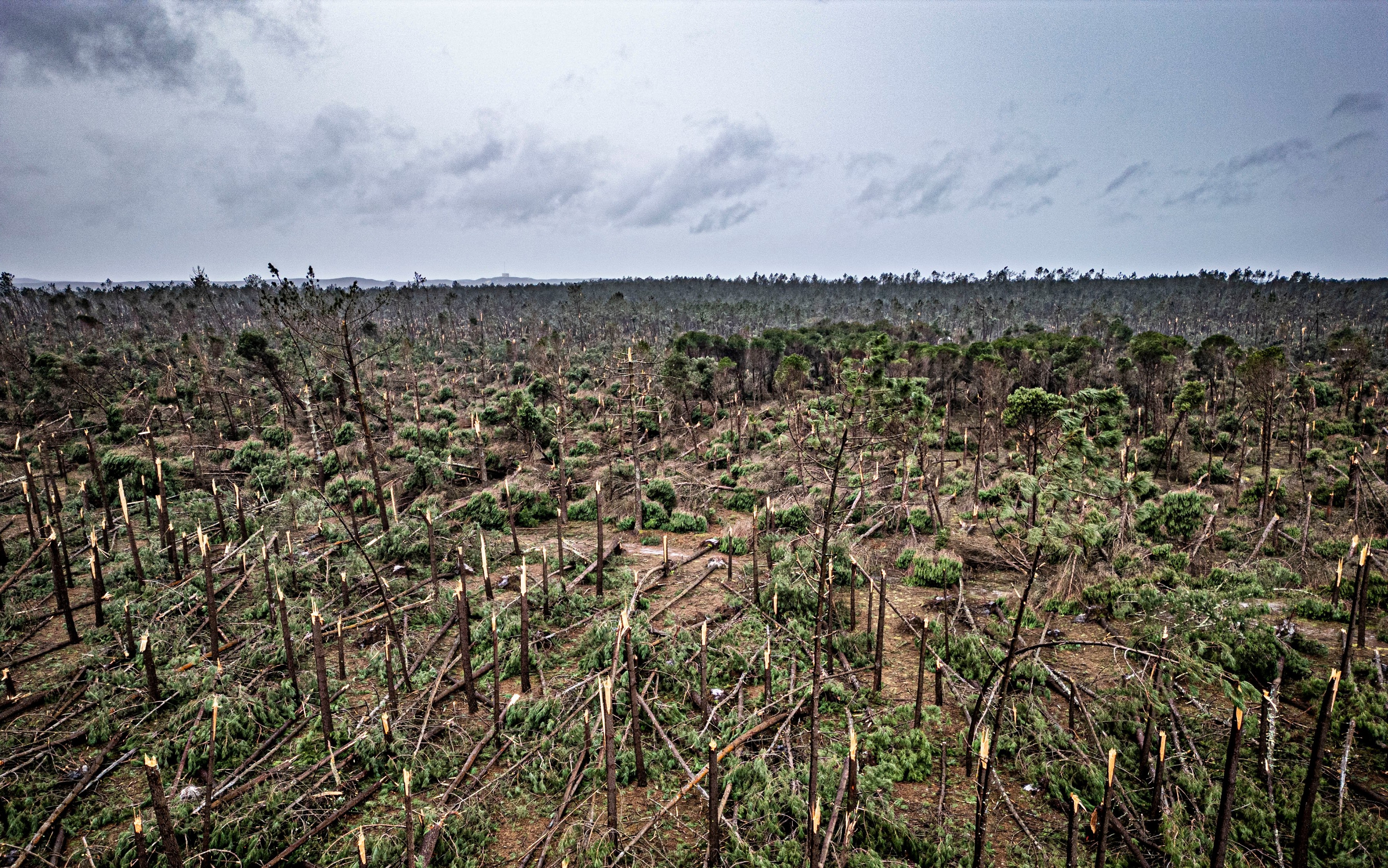
The most urgent interventions should be completed by May to ensure that the beaches are ready for the bathing season, with funding divided into three phases until 2028. In the municipality of Marinha Grande, damages amount to 143 million euros.
In an interview, engineer Elói Figueiredo discusses the role of engineering in modern society, the impact of climate change on infrastructure, and the need for better maintenance and political decision-making regarding flood-prone areas like the Mondego river basin.
Coimbra City Council has calculated approximately 15.2 million euros in interventions for municipal facilities affected by bad weather and has also highlighted the need for 29.1 million euros in investment for river regulation. The council estimated a 15.2 million euro impact for repairs to equipment and infrastructure.
The Marinha Grande City Council has reported 143 million euros in damages to the Central Regional Coordination and Development Commission (CCDR) following the severe weather caused by the storm Kristin on January 28. The updated figure, which rose from an initial estimate of 118 million euros, covers municipal infrastructure, public buildings, and damages reported by local social and religious institutions, though it excludes losses in the private business sector. Mayor Paulo Vicente described the destruction as one of the worst in the municipality's recent history and emphasized the urgent need for coordinated support to facilitate reconstruction.
The Marinha Grande City Council reported losses of 143 million euros due to bad weather to the Central Regional Coordination and Development Commission, following a preliminary survey that had indicated 118 million euros.
General reassures the population by explaining that the use of live ammunition will be “very minimal” and that all objects launched into the firing range will be highly controlled.
Damage caused by bad weather between October and February along the coast of mainland Portugal requires an investment of 111 million euros, with 15 million to be spent before summer, according to a report released this Wednesday (11) by the Portuguese Environment Agency (APA). The APA document, announced at the agency's headquarters in Porto, provides for 15 million euros to be applied by the start of the bathing season in May, another 12 million by the end of the year, 31 million by the end of 2027, and 53 million from 2028 onwards. The investment aims to address the significant impacts on the mainland Portuguese coastline resulting from storms Ingrid, Joseph, Kristin, Leonardo, and Marta, including damage to infrastructure, coastal protection structures, coastline retreat, and changes in beach morphology. The report notes that almost all mainland beaches recorded a significant reduction in sediment, highlighting 571 instances of damage out of 749 reported occurrences. The majority of incidents were in the Central region (257), with over a third related to coastal erosion (36.7%), followed by cliff instability (30.6%). Regarding the damage, nearly half (43.3%) relates to access points, followed by damage to coastal structures (21.7%) such as seawalls or rock armour, with 204 of the 571 cases reported in Ovar. The APA report also warns of a slow and gradual recovery of the beaches, which could be delayed by further bad weather in the spring. The minister admits that the support process for house reconstruction is not going well.
The Secretary of State for Local Administration and Land Use Planning acknowledges that it will take a long time to rebuild what was destroyed by the storms that passed through Portugal.
The municipality of Pedrógão Grande has submitted a report to the Central Regional Coordination and Development Commission detailing 12.8 million euros in damages caused by severe weather, though the local authority continues to identify further damage.
The Alvaiázere City Council recorded 60 million euros in damages following the bad weather, its mayor told the Lusa agency today, warning that the municipality lacks the financial capacity to recover the territory.
The Minister of Environment notes that the strategy is guided by the rational use of water. A new event is scheduled for March 9, 2027, to continue monitoring the Água que Une programme.
Nine districts in the Centre and South of mainland Portugal are under a yellow warning for rain tonight due to the passage of storm Regina, as reported by the Portuguese Institute of the Sea and the Atmosphere (IPMA). The affected districts include Viseu, Évora, Setúbal, Santarém, Leiria, Castelo Branco, Aveiro, Coimbra, and Portalegre.
Update: Additional Context on the Warning
The yellow warning remains in effect as authorities urge residents to stay informed about weather updates and take necessary precautions to ensure public safety during the storm's passage.
Former Secretary of State for the Environment Joaquim Poças Martins warns that a distinctive dike system in Portugal — described as unique nationwide — was designed for a different climatic baseline and may not cope with the growing intensity and frequency of extreme events such as droughts and floods. He argues the infrastructure and current management practices are not prepared for today’s severe weather patterns, raising questions about public safety, long-term resilience and whether such a project would be approved under modern standards. The assessment points to the need for policy review, risk reassessment and investment in adaptive measures.
Miguel Miranda emphasizes the importance of proactive climate risk management, arguing that it requires significant investment in infrastructure changes, such as burying electrical networks and restricting construction in flood-prone areas. He advocates for Portugal to reassess its priorities and make tough decisions to prevent reactive measures after disasters occur.
A series of storms has wreaked havoc across Portugal, leading to extensive damage to infrastructure and impacting local communities. The severe weather has prompted emergency services to respond to the crisis, highlighting concerns over public safety and the resilience of affected areas.
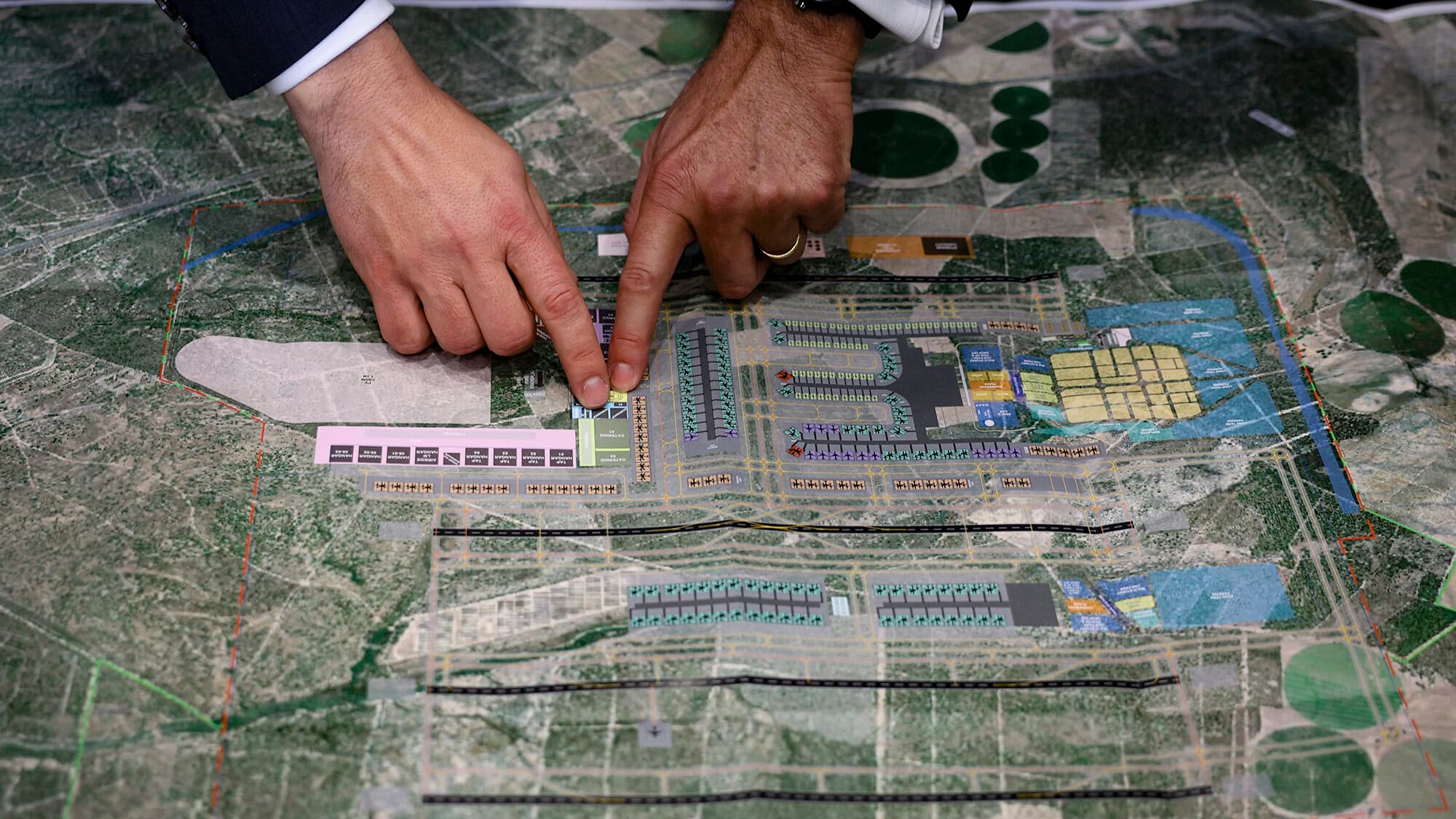
The Government has received the first environmental report for the proposed new Lisbon airport, submitted by ANA – Airports of Portugal. The Ministry of Infrastructure said the next step is delivery of a technical report by 16 July, which will detail the project’s principal environmental impacts and justify the choice of location within the Campo de Tiro de Alcochete perimeter. The final environmental impact study is expected to be submitted to the Portuguese Environment Agency in the third quarter, marking a new phase in the planning and regulatory review of the airport project.