Police torturer with irregular ammunition opens the door to weapons crimes
A police officer previously implicated in torture had access to unauthorised ammunition from batches not assigned to the PSP; these rounds were untraceable to the force and could facilitate serious firearms offences. The case exposes weaknesses in ammunition control, record-keeping and oversight within the PSP, increasing public safety risks and underscoring the need for stricter inventory procedures, forensic tracing and accountability measures.

PSP leadership and allegations of torture: 'We will be even more committed. The alarm bells sounded louder'
The leadership of the PSP says it will be even more committed in response to allegations of torture, adding that the alarm bells have sounded louder.
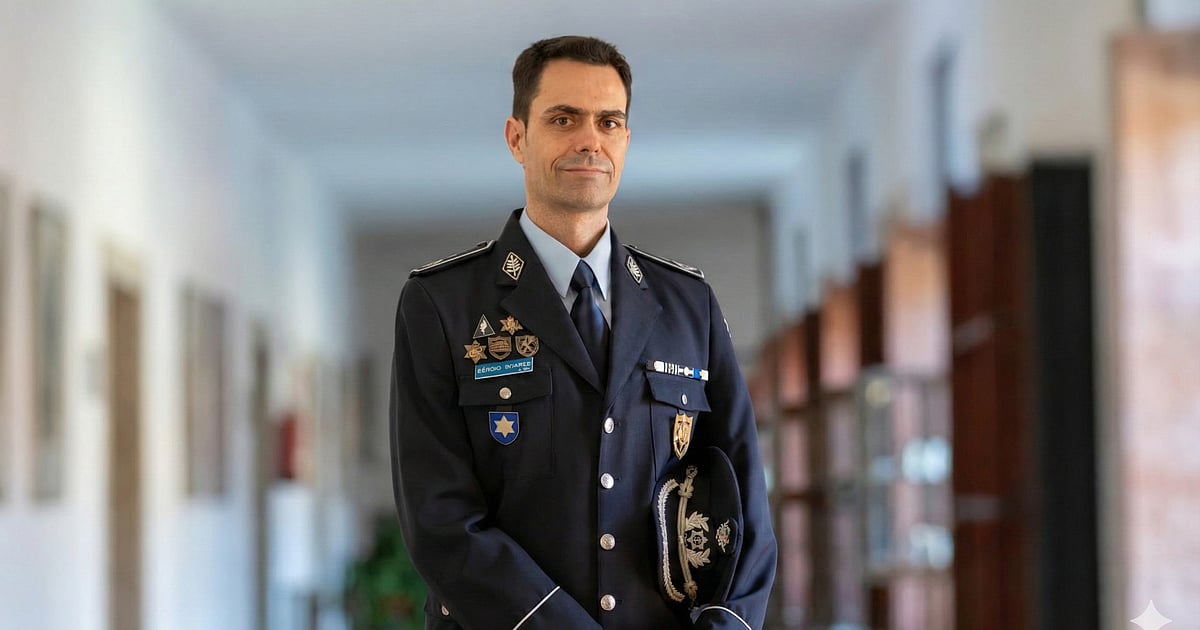
Blasco breaks his silence and addresses torture allegations against two PSP officers: 'consternation' and 'concern'
Blasco has spoken publicly for the first time about accusations that two officers from the Public Security Police (PSP) committed torture, describing the situation as one of 'consternation' and 'concern'.

The presidential embarrassment
The presidential campaign skirted constitutional debate, focusing on policy and partisan positioning more suited to a head-of-government race than a head-of-state contest. António José Seguro — the Socialist-backed candidate — presents himself as the moderate alternative and argues the Constitution need not be revised, only respected; meanwhile Luís Montenegro will run as his party’s candidate. The piece argues the Republic needs a president who acts as a moderator, respects institutional limits and upholds the separation of powers.

Suspected torture within the PSP. Interior Ministry summoned to Parliament on an urgent basis
The Interior Minister is expected to appear before Parliament to provide explanations. The request was made by several parties and has been designated as urgent.

Is banning sales not enough? Some call for an end to alcohol consumption on Lisbon's streets
Moedas announced a ban on sales for street consumption from 11pm. But some say it will not prevent gatherings, so there are calls to ban drinking in public. “The law already allows it,” says Paula Teixeira da Cruz.

Concerned about emergency response, firefighters request an urgent meeting with the Prime Minister
Associations insist on creating a single command structure and say the Framework Law on Civil Protection “should be approved before the Framework Law on Health”, reminding that they are the ones “on the front line”.

Nowo also appeals ruling that requires operators to return millions to customers
A first-instance court ruling ordered Meo, Nos and Nowo to return €40 million to customers whose tariffs were increased without the possibility of terminating their contracts.

New Civil Protection law finalised, due this year
Reportage says the new Civil Protection law has been finalised and is expected to enter into force this year, marking a legislative update to how disasters and civil emergencies are managed. Outlets note the law's timing is politically sensitive given calls from firefighters for prioritisation and structural changes in emergency command. Residents in areas prone to wildfires or floods should watch for new local procedures and official guidance once the law is published.
Emergency associations argue that a single command structure in the Civil Protection law would centralise decision‑making during major incidents, reducing confusion between municipal, regional and national responders and improving the speed and efficiency of operations. They say this clearer hierarchy would help volunteers and professional services coordinate on the front line, which is why they want that change included before the health framework law is finalised.
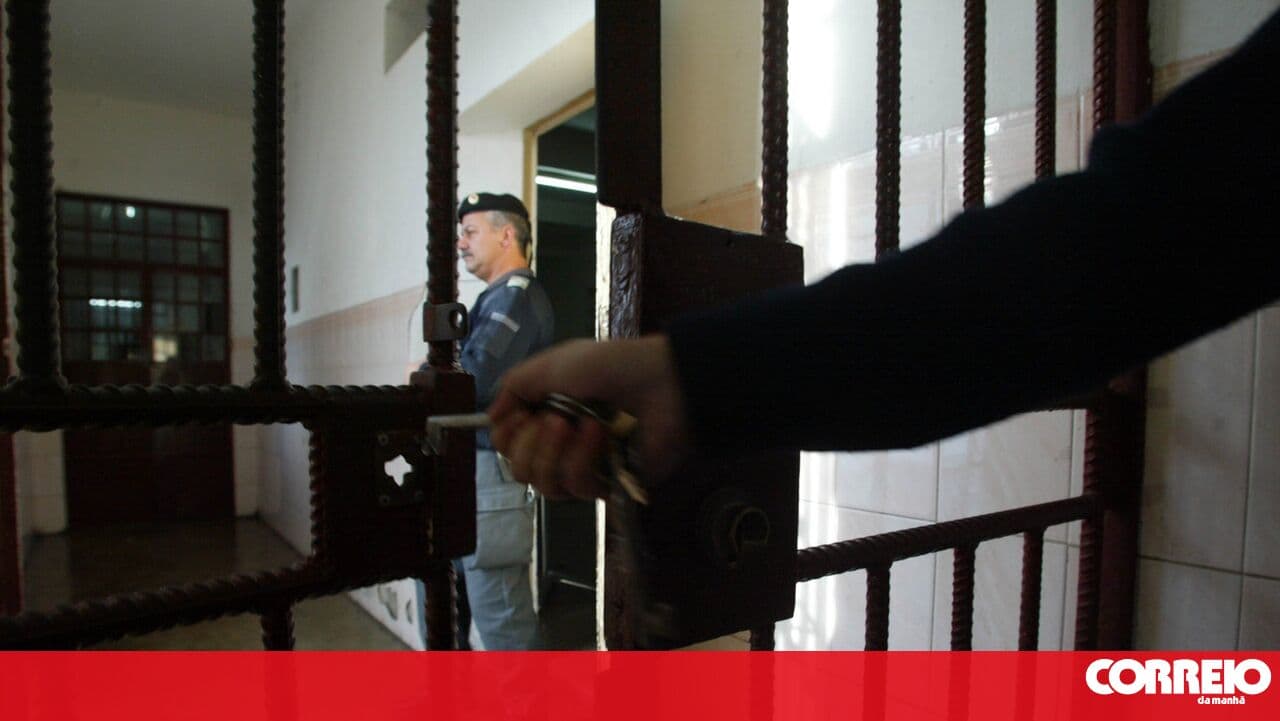
Justice Minister will not commit to a date for the closure of the Lisbon prison
The Justice Minister declined to set or confirm a date for when the Lisbon prison will be closed; no timetable has been announced.

Election campaign or a shredding machine?
In this campaign, success is a risky position: first Gouveia e Melo fell, then Marques Mendes, and now it's still to be seen whether Cotrim's rise will be affected by an allegation of harassment.
Four-hour CGTP demonstration to demand the withdrawal of the labour package
A four-hour protest organised by the General Confederation of Portuguese Workers (CGTP) calling for the withdrawal of a labour package they oppose.

Gouveia e Melo says the Government went to the polls and said nothing about structural reforms
The independent candidate once again criticised the old political 'system' and promised change.
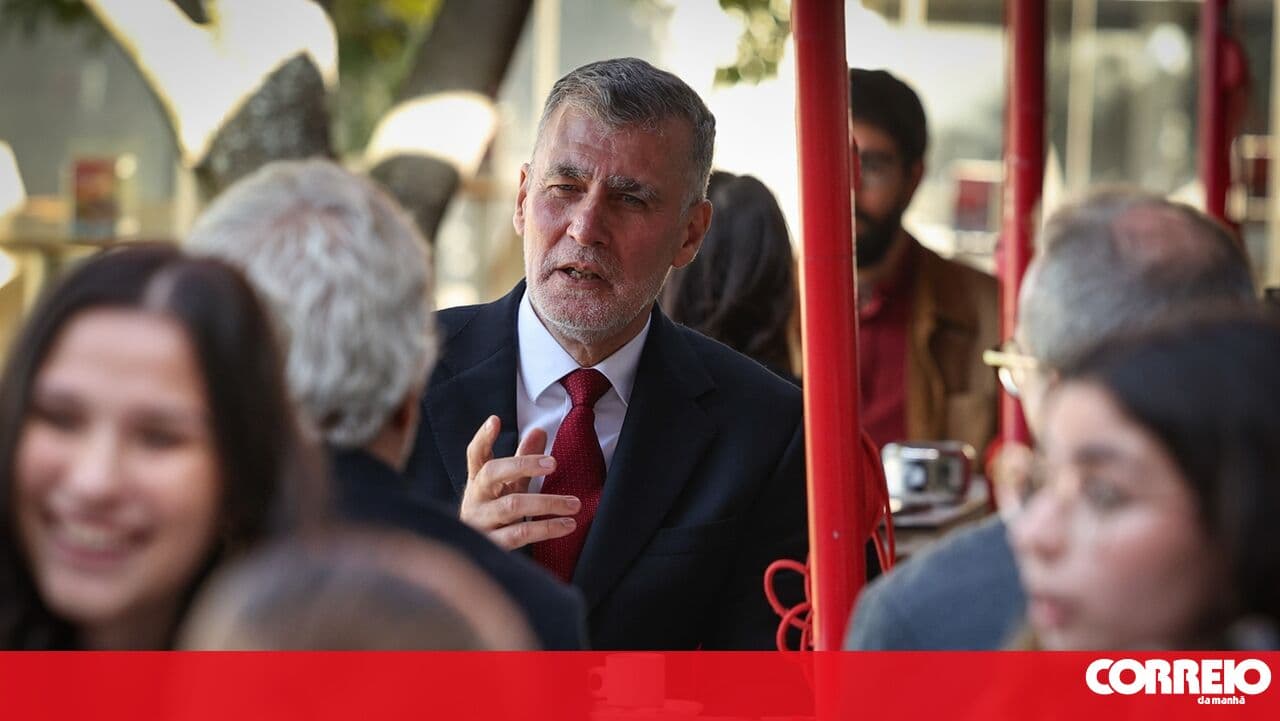
Gouveia e Melo says Government went into the elections and said nothing about structural reforms
Presidential candidate Gouveia e Melo said today that the Government, via the AD, went into the elections without saying anything about structural reforms and argued that the 'old' political system shows an inability to solve problems.

"I don't see any illegality" in the task force of the Portuguese Firefighters' League
Joaquim Leitão, an expert in Civil Protection, says he does not see any illegality in the formation of the task force of the Portuguese Firefighters' League.

PSP has seized more than 19,000 weapons over the past six years
Portugal's PSP (Public Security Police) confiscated over 19,000 weapons during the last six years, according to official figures.

Portuguese state paid around €1.5 million in compensation to prisoners since 2016
Lawyers for the inmates are demanding that the State compensate prisoners €1,000 for each month spent in inappropriate detention conditions until a comprehensive intervention in the prisons is carried out.
Catarina vira discurso para Habitação. "É questão de regime"
The candidate backed by the Left Bloc (BE) challenges other candidates to state their positions on the housing package. To reverse the crisis, she urges those who want an 'emergency brake' not to lend their vote.

The country is not prepared for these presidential elections
The ballot paper includes the names of three candidates disqualified by the Constitutional Court. And the second round on 8 February is surrounded by doubts. Editorial by Helena Pereira

Dores Meira's trips prompt a Judicial Police visit to Setúbal City Council
The investigation concerns unjustified expenses.

Trump demands total control of Venezuelan resources
El Nacional reports that Donald Trump pressed Venezuela’s interim government for total control of the country’s oil resources — a demand with clear geopolitical and economic consequences that raises questions about sovereignty, access to revenues and the role of external actors in a fragile political transition. Separately, Jornal Público’s analysis shows that between 2019 and 2024 some 75 per cent of drivers who died with alcohol in their system had blood-alcohol levels meeting the threshold for a criminal offence, spotlighting enforcement gaps, road-safety policy failures and the need for improved prevention and data collection. Taken together, the items illustrate linked governance challenges: contested control over strategic resources on one hand, and systemic public‑safety and criminal‑justice issues on the other.

4 hours ago — Number of homicides in 2025 was the highest since 2018
Jornal de Notícias reports that at least 108 people were intentionally murdered in 2025, marking the highest number of homicides since 2018. Separately, the President of the Republic returned three decree-laws to the Government that sought to implement reforms in the health sector, a move with legal and political implications for emergency services, public safety and ongoing healthcare policy changes. These developments highlight rising concerns about violent crime alongside contested attempts to reshape healthcare governance.