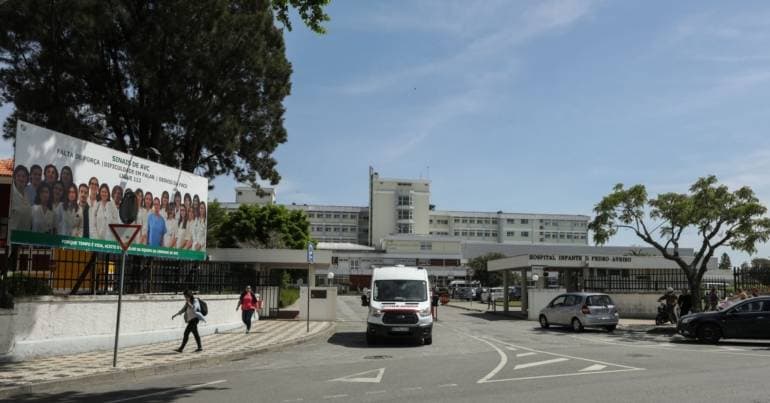
Aveiro Hospital emergency department may undergo renovations
Aveiro's Mayor suggests that the hospital's emergency department may see significant improvements and renovations ahead of the originally planned larger-scale project.
observador.pt
Latest news and stories about patient care in culture in Portugal for expats and residents.
Aveiro's Mayor suggests that the hospital's emergency department may see significant improvements and renovations ahead of the originally planned larger-scale project.
The Portuguese Ministry of Finance has approved the urgent hiring of nurses for the NHS, following a formal request from the Order of Nurses, with the official document signed by the Ministers of Health and Finance.

Communist Party leader Paulo Raimundo accuses the Portuguese government of intentionally undermining the National Health Service to facilitate its dismantling, dismissing recent hospital project announcements as political maneuvering.

The Amadora-Sintra Hospital has pledged to add 13 nurses to its emergency department following staff protests, though the Nurses' Association argues this increase fails to address the critical staffing shortages and long patient wait times.
Barreiro Hospital faces critical emergency department delays, with patients experiencing 17-hour wait times due to severe medical staff shortages.

Emergency departments are experiencing record-breaking wait times driven by seasonal staffing shortages and a surge in population due to tourism and returning emigrants.
The first privately managed Family Health Unit has launched in Torres Vedras, marking a delayed milestone in the government's Health Emergency Plan to improve patient care efficiency.

Emergency departments are experiencing significant wait times for urgent patients, with extreme heat identified as a contributing factor affecting vulnerable elderly individuals.

Patients with severe heart disease face critical delays in accessing percutaneous valve replacement (TAVI), leading to preventable mortality and disability for those ineligible for traditional surgery.

An editorial by Marta Moitinho Oliveira discussing the unprecedented strain on healthcare systems where patients with established family doctors are losing access to care.

The article examines the critical shift in healthcare funding models, questioning whether Local Health Units should be compensated based on production volume or the quality and continuity of patient pathways.

The National Association of Emergency Medical Technicians argues that a recent death in Taipas highlights systemic failures in the INEM emergency response model, specifically regarding resource allocation.

The government has pledged to avoid artificial reductions in surgery waiting lists, while the Medical Association calls for increased capacity and transparency following new administrative changes to patient categorization.
The Garcia de Orta Hospital in Almada faced temporary emergency department closures due to staffing roster issues and an influx of births, while separate concerns arise over the closure of a Family Health Unit in Alverca due to facility maintenance failures.
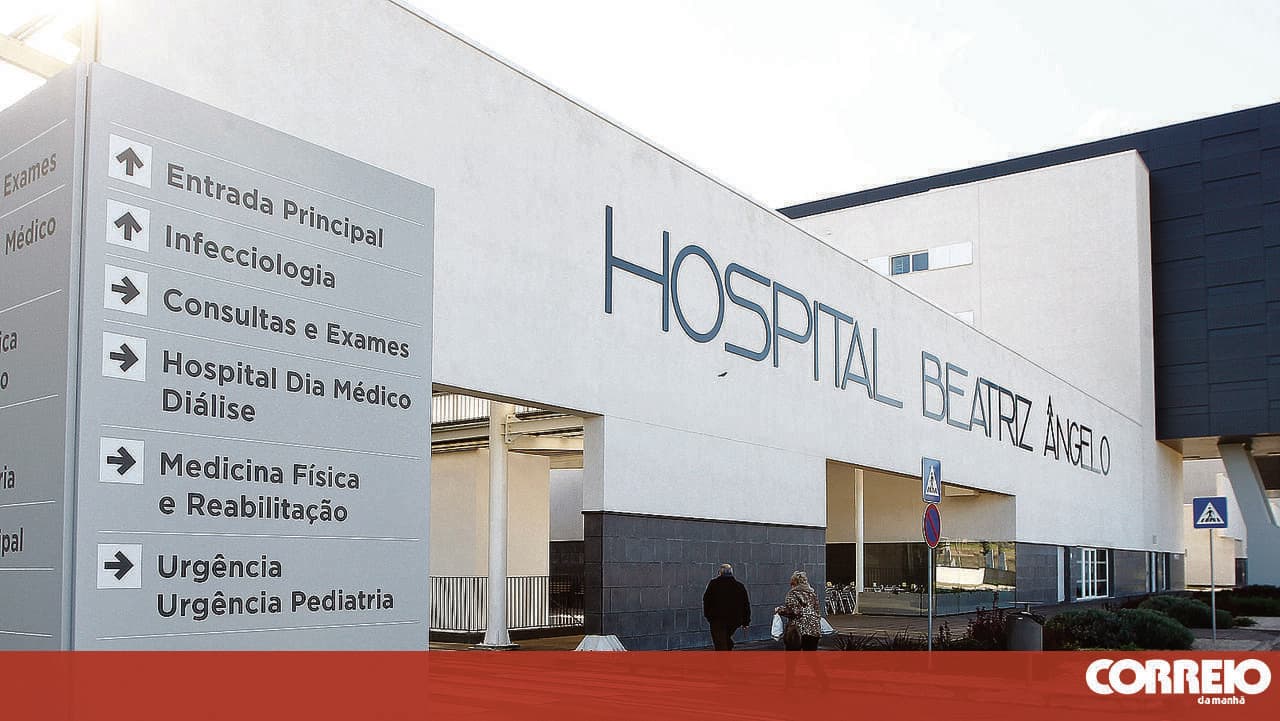
A former INEM employee, João Figueira, passed away at Beatriz Ângelo Hospital in Loures after suffering a heart attack and experiencing delays in his scheduled surgery due to the facility's lack of specialized equipment.
Professionals guarantee they are available for greater integration with the National Health Service, but the mechanisms to allow this are lacking. This will be one of the topics debated between May 28 and 30 at the 15th Congress of the National Association of Pharmacies, for which Expresso is a media partner.

A growing number of dermatologists in Portugal are opting out of health insurance networks due to stagnant reimbursement rates and administrative burdens, resulting in appointment wait times of up to eight months and raising concerns about healthcare accessibility.
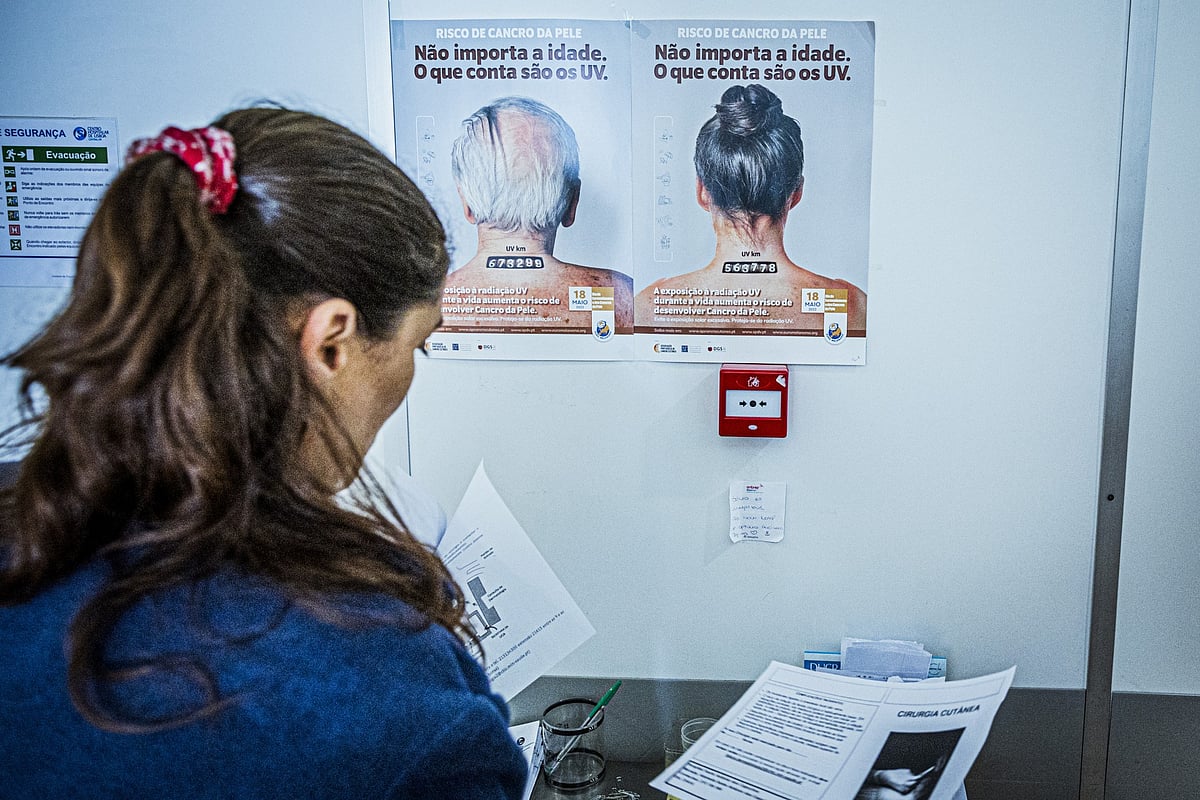
The UK Government is introducing financial incentives of up to 80 percent of base salary for NHS doctors who volunteer for additional overtime in emergency departments beyond their standard annual requirements.

A decline in the number of nurses leaving the profession offers a glimmer of hope for the SNS, though experts argue that lifting hiring restrictions and expanding primary care access remain critical priorities.

A survey of 8,500 chronic patients aged 45 and over reveals that only 35% possess an individual care plan, while access to video consultations remains limited to 15% of participating health centres.

The Garcia de Orta Hospital faces potential overcrowding and staffing shortages as it becomes a regional hub following the permanent closure of the Barreiro obstetrics emergency department.
The NHS executive director warns that the Socialist Party's 'Back Home' bill, aimed at addressing delayed hospital discharges, risks creating redundant structures and inefficient resource allocation.
The Saúde em Diálogo platform highlights the fragility of Portugal's National Health Service, advocating for a unified patient registry and integrated care models to improve patient outcomes.

Mayors are seeking meetings with political parties to address the negative impact of obstetric emergency service closures on local populations, particularly those in remote areas.

The article argues for a rigorous clarification of the roles between health and social systems in elderly care, while criticizing the government's inconsistent allocation of resources for vulnerable patients compared to political figures.
One month after storm Kristin, the Leiria hospital continues to grapple with the aftermath of the disaster, which saw 177 polytrauma patients flood the emergency department in just six hours. Healthcare professionals faced significant challenges, including a lack of communication and blocked roads, forcing patients to arrive in their own vehicles. As attention shifted from the storm's immediate impact, underlying issues in the healthcare system have resurfaced, highlighting ongoing chaos and the need for improved public safety policies.
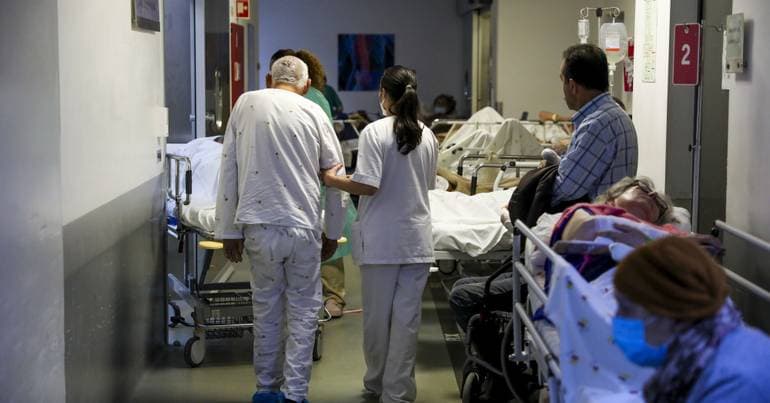
The article discusses concerns regarding the dehumanization of healthcare services in the Alentejo Litoral region of Portugal, as highlighted by Vítor Proença, President of CIMAL. During a meeting with local municipalities and social institutions, Proença expressed alarm over reports of inadequate care at the Hospital do Litoral Alentejano, particularly affecting vulnerable populations such as the elderly and sick. The meeting aimed to address these issues as part of a broader initiative to enhance healthcare in the region. Proença emphasized the importance of understanding local experiences to formulate effective proposals for improving health services.

The article discusses health issues in the Litoral Alentejano region, focusing on the fight for better conditions in the sector. It highlights a demonstration in Lisbon by User Committees, attended by hundreds of citizens, local officials, and health professionals, demanding more doctors, nurses, and improvements in hospital facilities and health centers. The region faces challenges such as a shortage of family doctors, deteriorating facilities, and long waiting times in various specialties. Additionally, the Litoral Alentejano Hospital requires more human resources, particularly nurses, to open new emergency services and ensure adequate care. The document also mentions the population served by the Local Health Unit of Litoral Alentejano, which covers about 100,000 inhabitants. Besides health issues, the text highlights cultural events, exhibitions, festivals, educational activities, and leisure in the region, reflecting an active cultural and social agenda.

The president of the Portuguese Society of Cardiology (SPC), Cristina Gavina, expressed today her regret that the discussion regarding patients on the waiting list for heart surgery in the North region now seems to be focused on a “war between hospitals” rather than on immediate solutions.

The healthcare system's focus on occupancy rates over patient needs raises significant concerns about the quality of care provided. This shift in priorities suggests a troubling trend where patients are treated more like commodities than individuals requiring tailored care.