

Venezuela to recover assets abroad to help earthquake victims
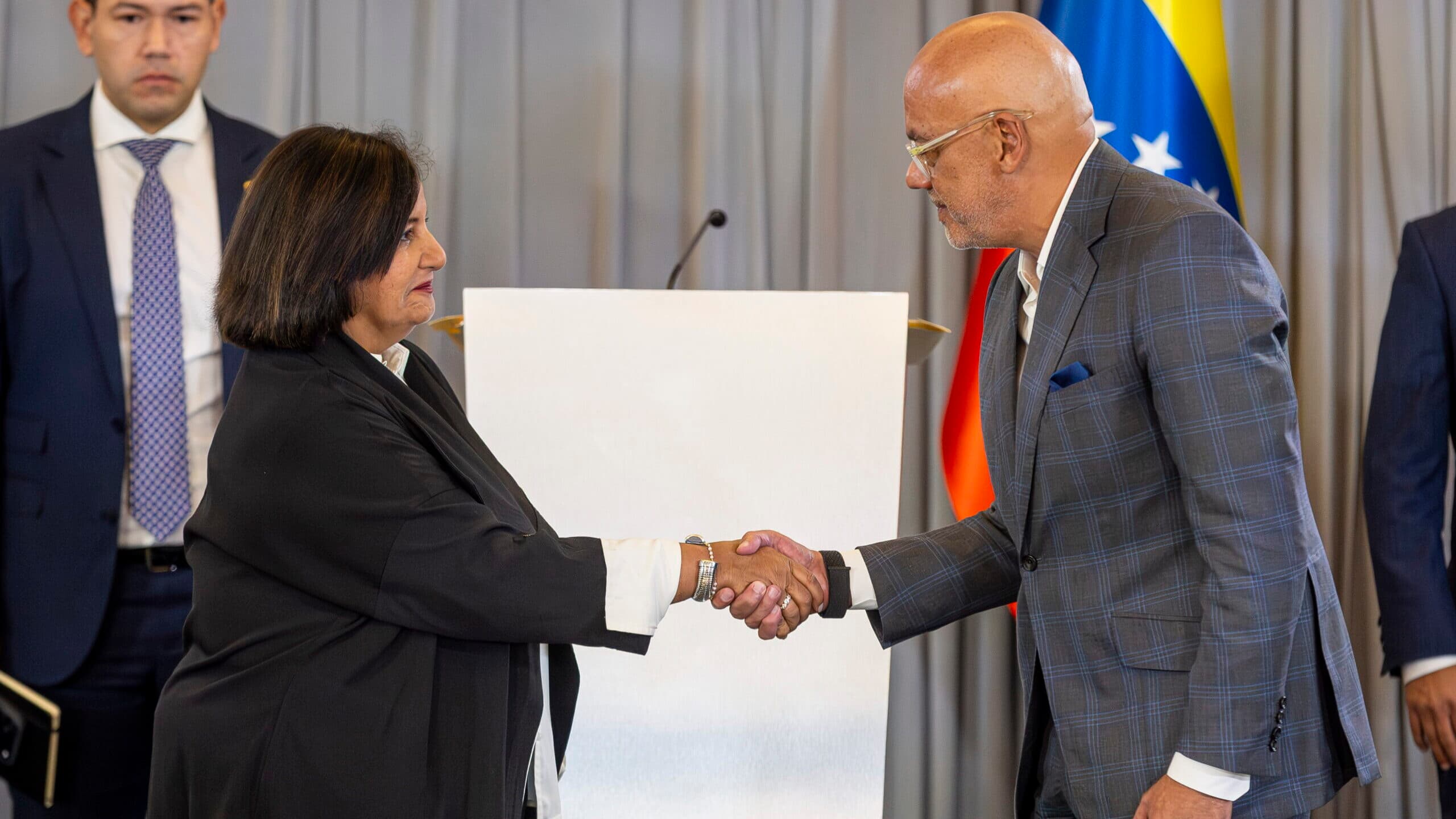
The Venezuelan government and opposition have agreed to reform the judicial system and recover frozen foreign assets to provide aid to victims of the June 24 earthquake.
eco.sapo.pt
Latest news and stories about humanitarian aid in culture in Portugal for expats and residents.
The Venezuelan government and opposition have agreed to reform the judicial system and recover frozen foreign assets to provide aid to victims of the June 24 earthquake.
The Portuguese Joint Operational Force has established a base in Catia la Mar, La Guaira, to coordinate search and rescue efforts following two major earthquakes in Venezuela that have resulted in over 1,400 deaths and significant infrastructure damage.
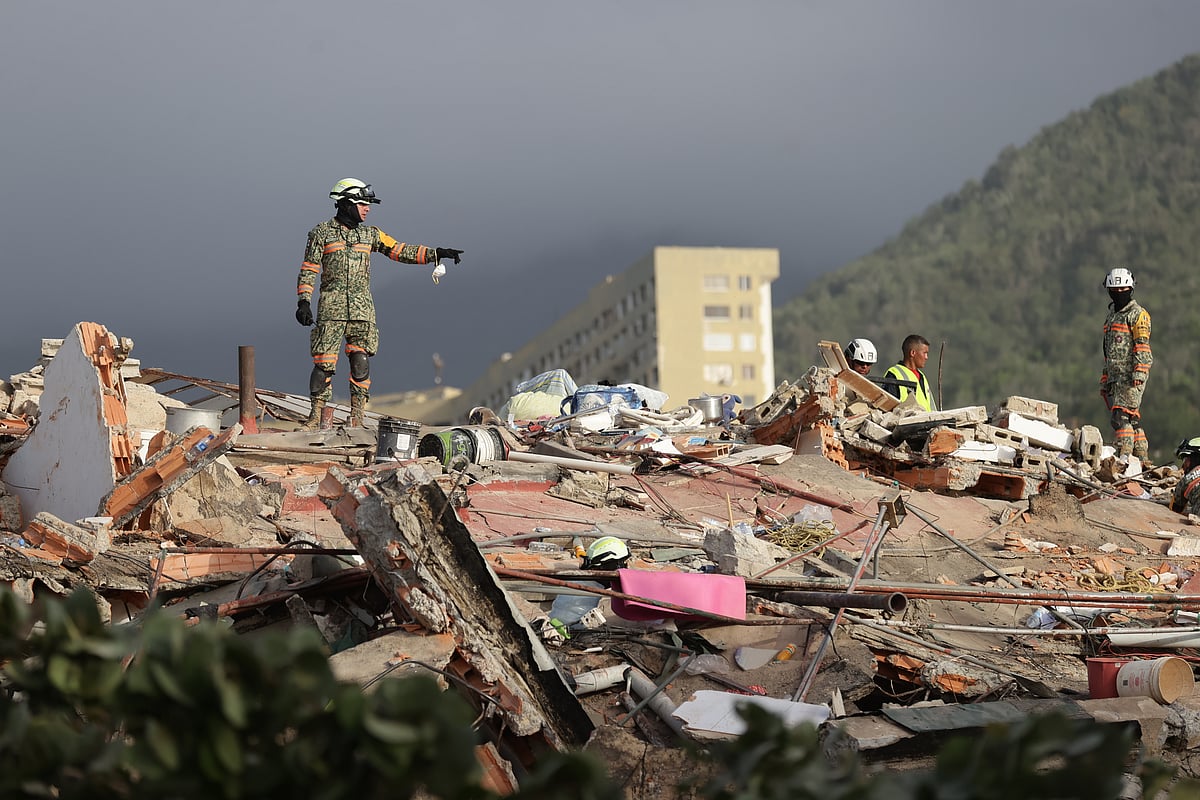
Portugal is deploying 60 emergency personnel to Venezuela following two devastating earthquakes that have resulted in 235 deaths, including six Portuguese citizens, and thousands of injuries.
The number of donors supporting the UNHCR in Portugal has increased significantly over the past two years.

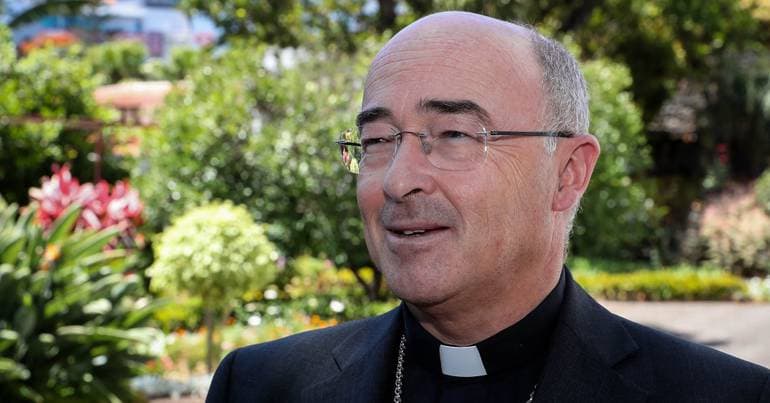
The Bishop of Funchal made a six-day visit to Venezuela. Nuno Brás da Silva called for help and solidarity for the victims of the earthquake, in which more than six thousand people died.
Caritas expresses gratitude for the assistance provided by the Portuguese state and the Portuguese diaspora to Venezuelan citizens.
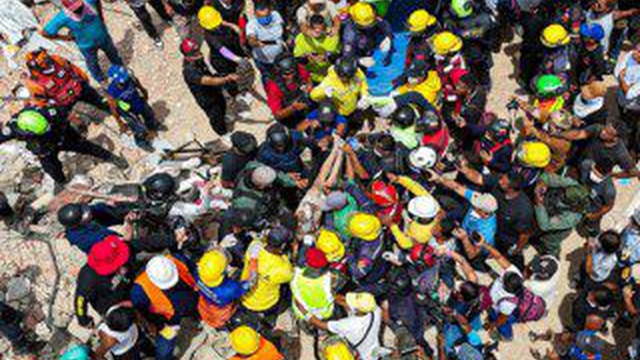
Home News AVA rallies efforts in the Algarve to send humanitarian aid to Venezuela AVA rallies efforts in the Algarve to send humanitarian aid to Venezuela For about 15 years, AVA ( Associação Venezuela Amiga), based in Almancil, in the municipality of Loulé, has been working quietly on the groun
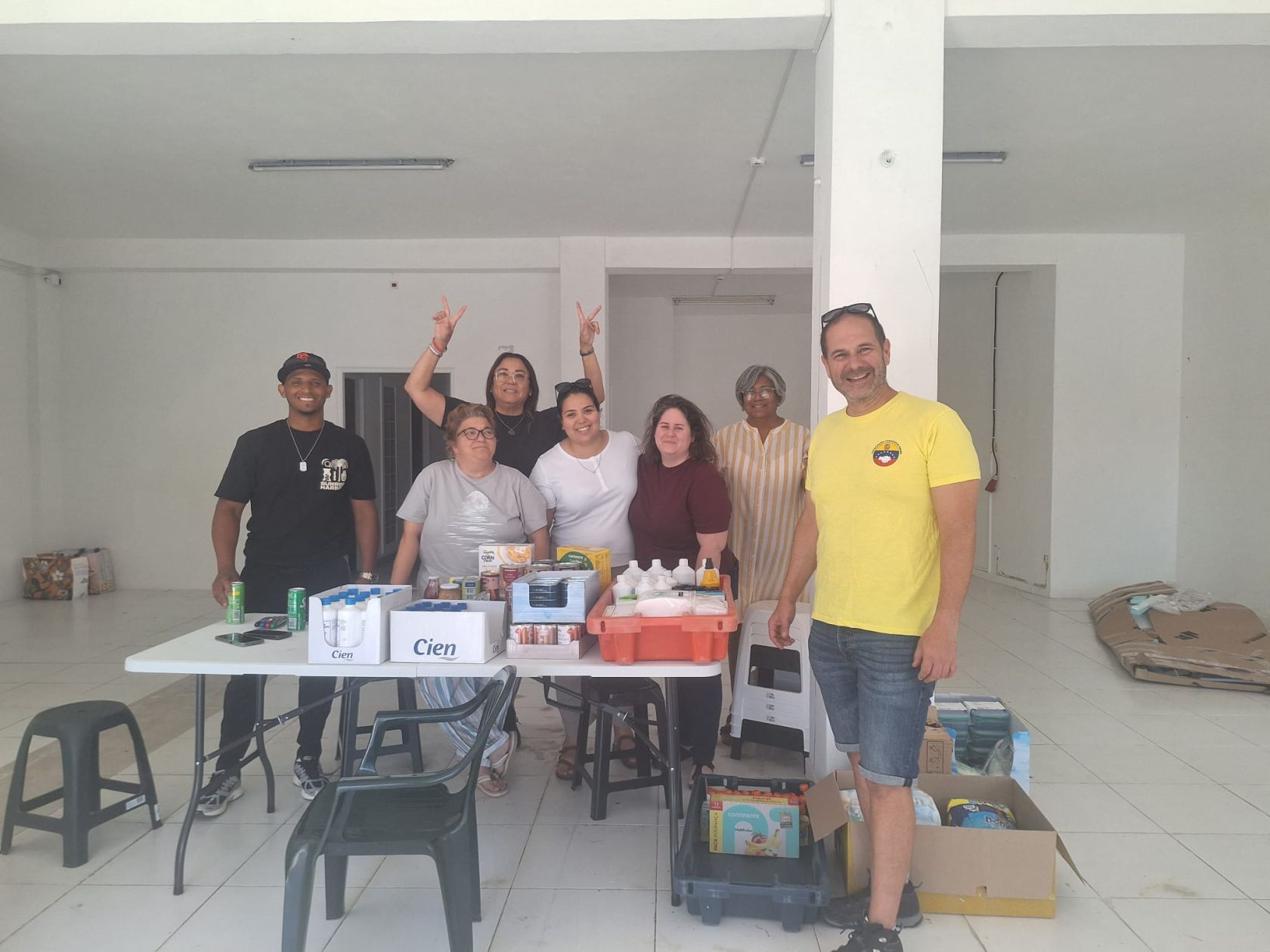
The Sanctuary of Fatima in Carrizal, Portuguese centres, and companies such as Banco Plaza and Gama supermarkets are collecting food, clothing, and medicine for the victims.
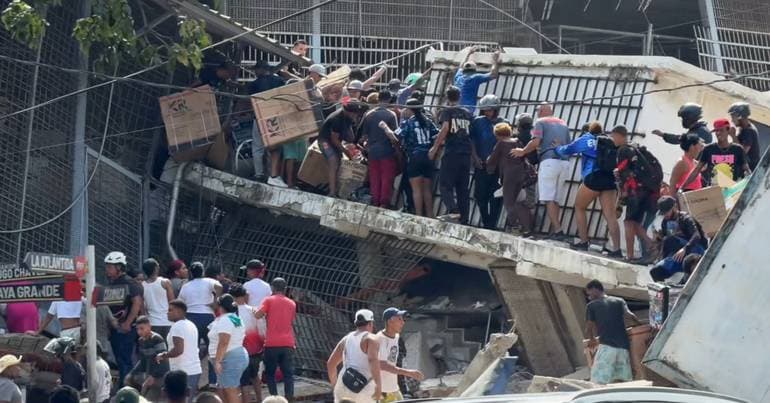
The president of VENECOM reports a scene of destruction. Ana Cristina Monteiro says that the community currently in Portugal has already started contacting the association to send aid to Venezuela.

Marta Caria, from the United Nations High Commissioner for Refugees, speaks about the millions of people forcibly displaced by conflicts around the world
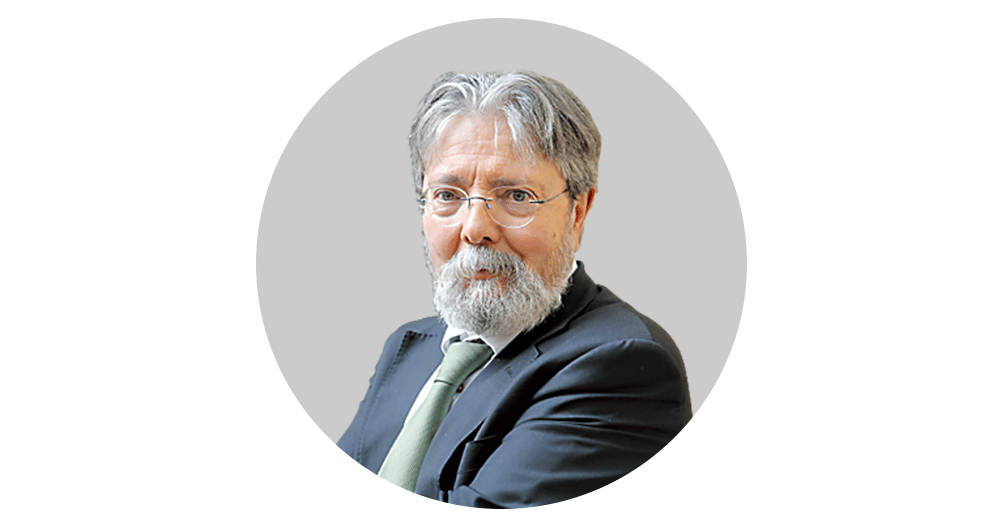
As I previously recounted, in 1859 the Swiss Henry Dunant casually witnessed the inhumanity of the Battle of Solferino. Faced with the horrors he observed, he decided to recruit civilian volunteers from neighbouring villages to provide aid to the many thousands of wounded lying on the blood-soaked fields. He organised emergency relief, regardless of nationality or military rank, for both victors and the defeated. To this end, he managed to form improvised teams to transport the wounded to shelters to receive water, food, and treatment. The only concern was the reduction of suffering. Shortly after, in 1864, the humanitarian action led by Henry Dunant would serve as the basis for the Convention for the Amelioration of the Condition of the Wounded in Armies in the Field, which was initially signed by the official representatives of 12 countries, expressly accredited for that purpose. The aforementioned Convention, intended to protect wounded soldiers during combat, would soon come to be known as the First Geneva Convention. Curiously, Portugal was one of the first signatories, as King Luís de Bragança granted full powers to his delegate to actively participate in the discussions that took place in Geneva at the time. Thus, at the end of the proceedings, the Convention was signed on 22 August 1864 by the military doctor José António Marques. The approved text included only 10 articles which aimed, above all, to ensure the recognition of neutrality for military and field hospitals, which belligerents were required to recognise and respect. José António Marques (1822-1884) would subsequently found the Portuguese Red Cross and become its first leader. He contributed decisively to upholding the seven principles that underpin the Red Cross from its inception to the present day: humanity, impartiality, neutrality, independence, voluntary service, unity, and universality. The Battle of Solferino, in addition to marking Dunant's life, was at the genesis of the approval of the Geneva Conventions. In 1901, Henry Dunant would be awarded the first Nobel Peace Prize, created that year. In a way, regarding multilateral relations between countries, we can consider that the International Committee of the Red Cross (ICRC) is to war what the United Nations (UN) Security Council is to peacetime. However, the frequent and incomprehensible vetoes by its permanent members disrupt rather than build.
Caram, which means 'generosity' in Arabic, is the name of an association of Lebanese people in Portugal that has brought together eight restaurants to support humanitarian aid in Lebanon, a country that currently counts over one million displaced people.
