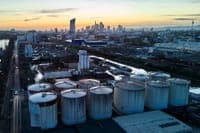
Oil prices start the week with a sharp rise
Oil prices surged above 100 dollars per barrel at the start of the week, driven by supply concerns following a pipeline closure in Saudi Arabia and security incidents in the Strait of Hormuz.
rtp.pt
Latest news and stories about cost of living in culture in Portugal for expats and residents.
Oil prices surged above 100 dollars per barrel at the start of the week, driven by supply concerns following a pipeline closure in Saudi Arabia and security incidents in the Strait of Hormuz.
Portugal led Europe in residential property price growth during the first quarter, highlighting a severe affordability crisis where average salaries struggle to cover housing costs.

A heated political dispute has erupted between Chega leader André Ventura and PS secretary-general José Luís Carneiro over conflicting claims regarding VAT reduction proposals on fuel and essential goods, with both sides accusing the other of deception and parliamentary obstruction.
Former Economy Minister António Costa Silva warns that fuel prices are likely to remain volatile and potentially increase further, reflecting a challenging new economic reality for consumers and businesses.
The ongoing conflict in the Middle East has triggered significant economic strain in Portugal, characterized by soaring fuel prices, increased tax burdens, and rising mortgage costs, prompting calls for fiscal reform and strategic economic protection.
Competition Law expert José Caramelo Gomes argues that while there is no formal cartel in the Portuguese fuel market, the lack of competition results in cartel-like pricing, necessitating government intervention to separate infrastructure and refining operations.

Extreme heatwaves are emerging as a critical economic risk, directly impacting European GDP, labor productivity, and inflation. As climate change intensifies, the cost of inaction is becoming a significant threat to economic stability, necessitating urgent investment in climate adaptation and resilient infrastructure.

PSD leader Luís Montenegro announced that a new 20-euro monthly public transport pass will be implemented in the Lisbon and Porto metropolitan areas beginning in September.
José Caramelo Gomes argues that the corporate culture of the Estado Novo persists in modern Portugal, as evidenced by public demand for government intervention in fuel pricing despite claims of a non-existent cartel.
Portugal's housing market reached record price levels in the first quarter, driven by increasing foreign capital and corporate investment, highlighting a growing disparity in home affordability.

Data from the INE reveals that median housing prices in Portugal surged to 2,337 euros per square metre in the first quarter, marking a nearly 20 percent year-on-year increase driven by foreign investment.

The president of AICCOPN warns that it will take at least three years to address the 300,000-home shortage in the housing sector, assuming current construction rates and optimal conditions.
Portugal recorded the fourth-highest global increase in housing prices during the first quarter, reflecting significant market growth.
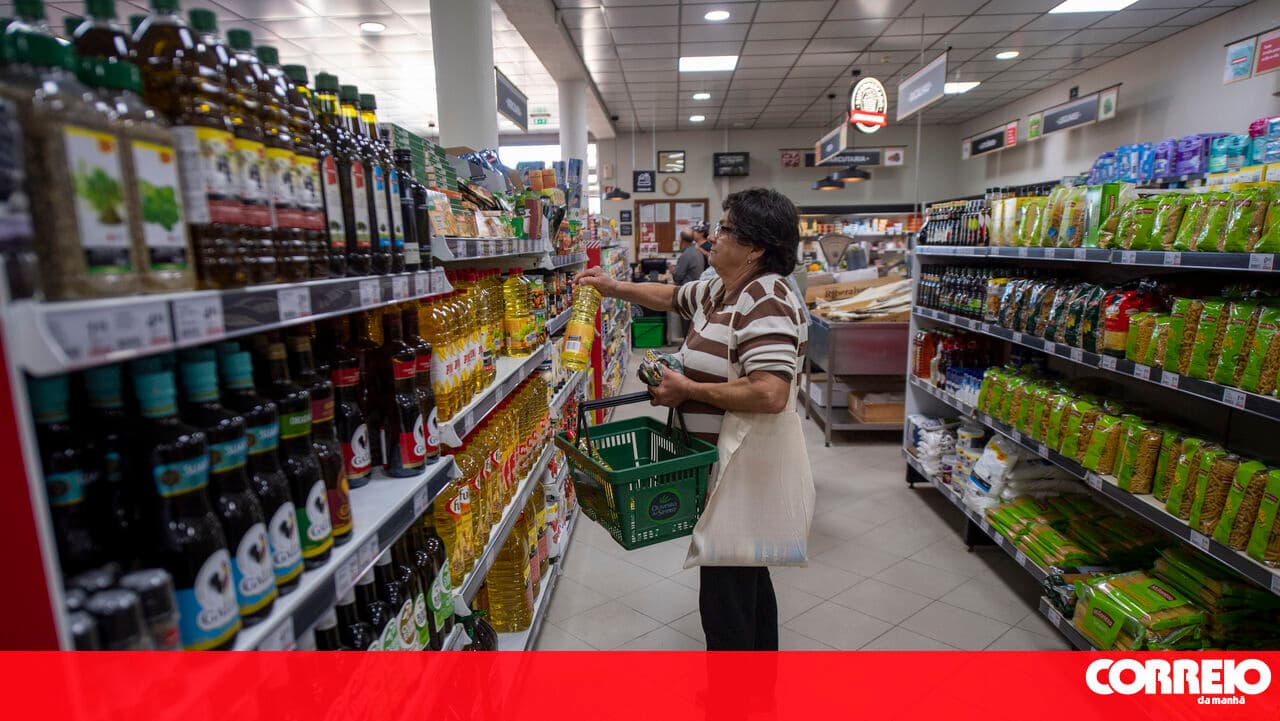
Despite rising costs for essential food items like vegetables and fish, olive oil prices are stabilizing at under seven euros per unit.
An analytical exploration of the cultural and economic differences between Brazilians and the Portuguese, focusing on their contrasting attitudes toward spending and saving money.

Multiple political parties are urging the government to increase the financial support provided by the 'Mais Pessoas' social card to address the rising costs of essential food items.

A study reveals that income inequality in Portugal increased during the final years of the António Costa administration, as personal income tax reforms failed to effectively redistribute wealth due to capital income largely escaping progressive taxation.
The departure of immigrant workers from Portugal has resulted in a shortage of approximately one thousand drivers for ride-hailing platforms such as Uber and Bolt, highlighting the country's reliance on foreign labor.

Portugal faces a severe cost-of-living crisis as surging food and energy prices, coupled with an extreme housing market in major cities, outpace wage growth and threaten the financial stability of households.
Household debt rose again at the start of this year, consolidating a trend observed since the fourth quarter of 2024. The data comes from the Banco de Portugal and reveals a reversal in the deleveraging process seen in recent years, showing that family income, after taxes and payments...

Jerónimo Martins closed the first three months of the year with a net profit of 119 million euros, a result 6.8% lower than the 127 million reported in the same period of 2025, in a period marked by the worsening of 'levels of uncertainty faced by companies and consumers'. Faced with 'the already evident rise in...
This is the highest value since the start of the series in 2013, both for the number and the amount of new loans, surpassing the now second-highest value reached in October 2025.

José Luís Carneiro criticizes Prime Minister Luís Montenegro for his perceived lack of sensitivity toward the rising cost of living, labeling him disconnected from reality following the release of the first-quarter 2026 budget execution data.
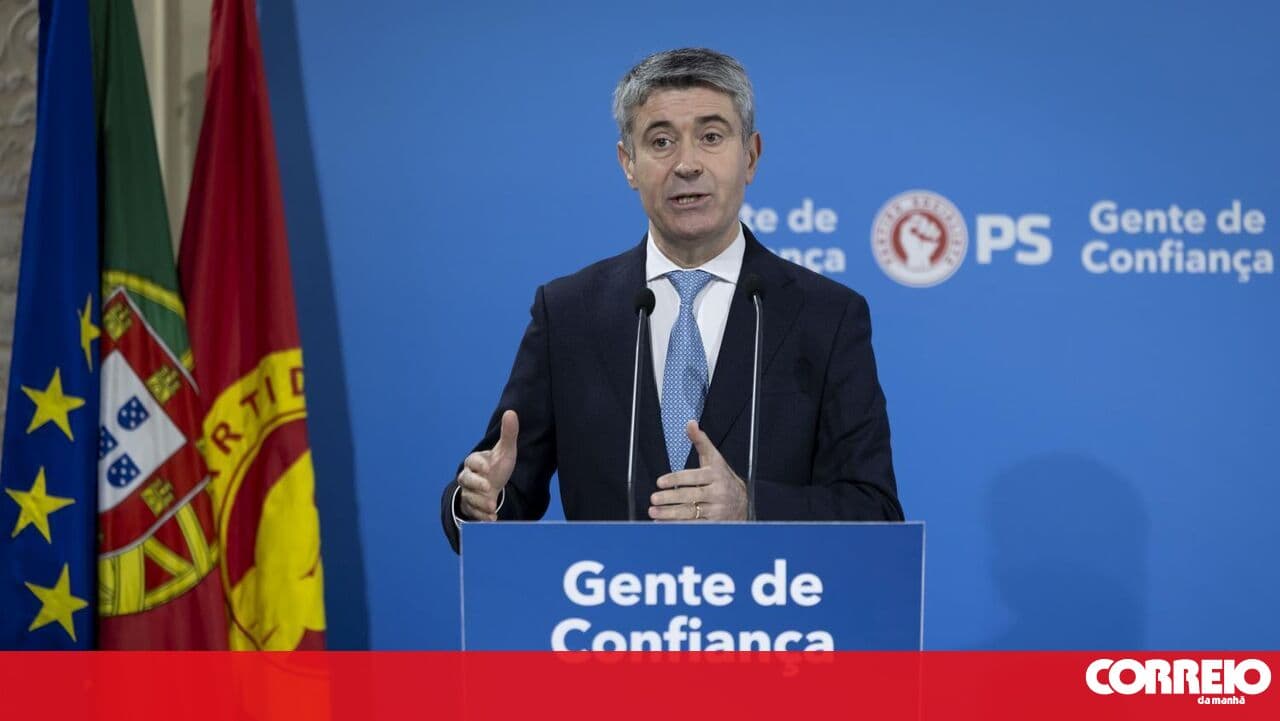
Monday brings a decrease in fuel prices, the release of March's final inflation data, and a key meeting between the government, unions, and employers to discuss labor policies.

The Governor of the Bank of Portugal identifies the housing crisis as the nation's primary internal risk, as prices have surged 180% over the last decade with no signs of decline.

Fuel prices are set to rise significantly next week, with diesel increasing by seven cents and petrol by two and a half cents, despite government tax relief measures.

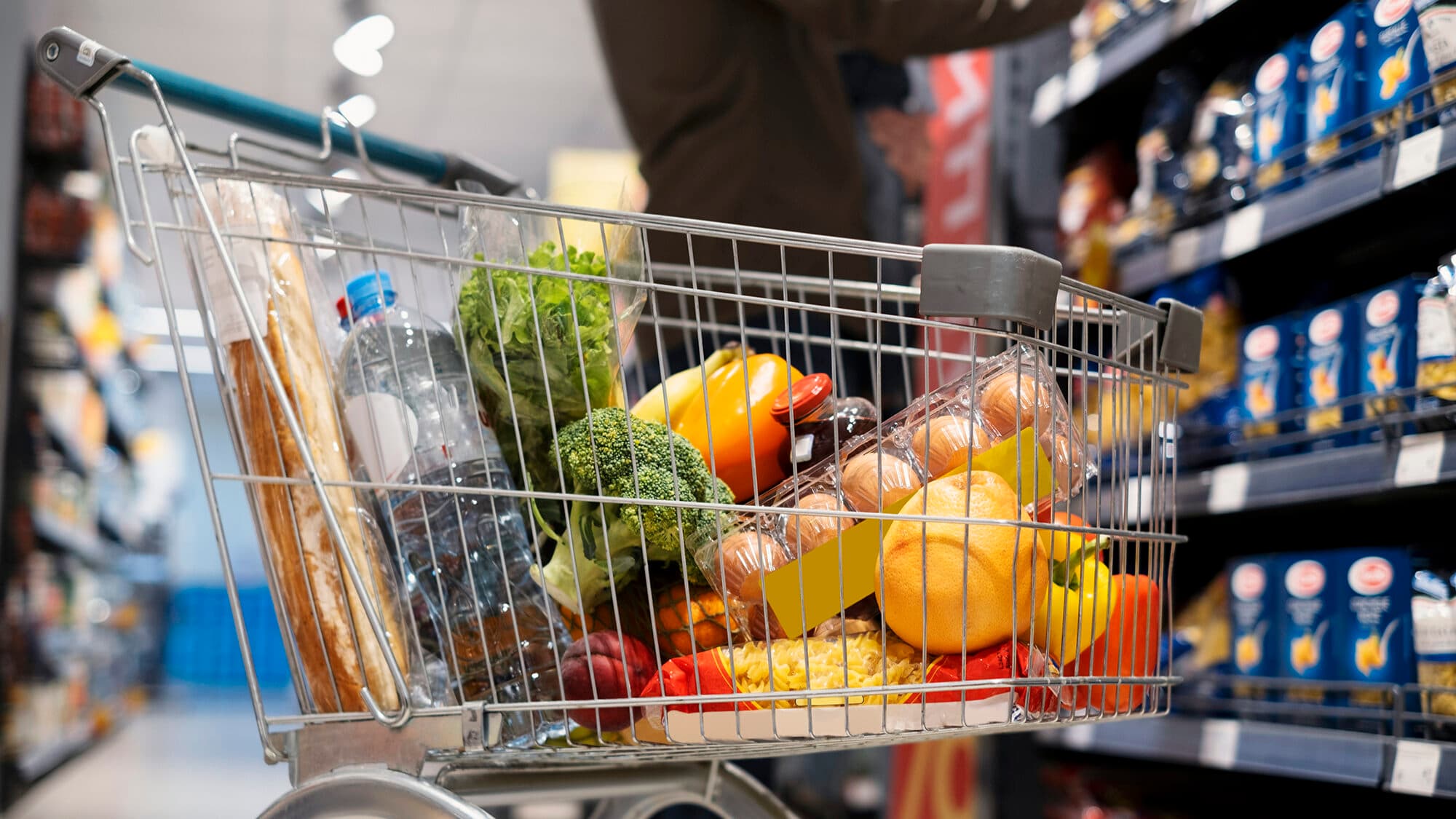
Supermarket chains warn that the ongoing conflict in the Middle East will lead to a more significant impact on food retail prices starting in April, following weeks of rising costs and fuel price hikes.
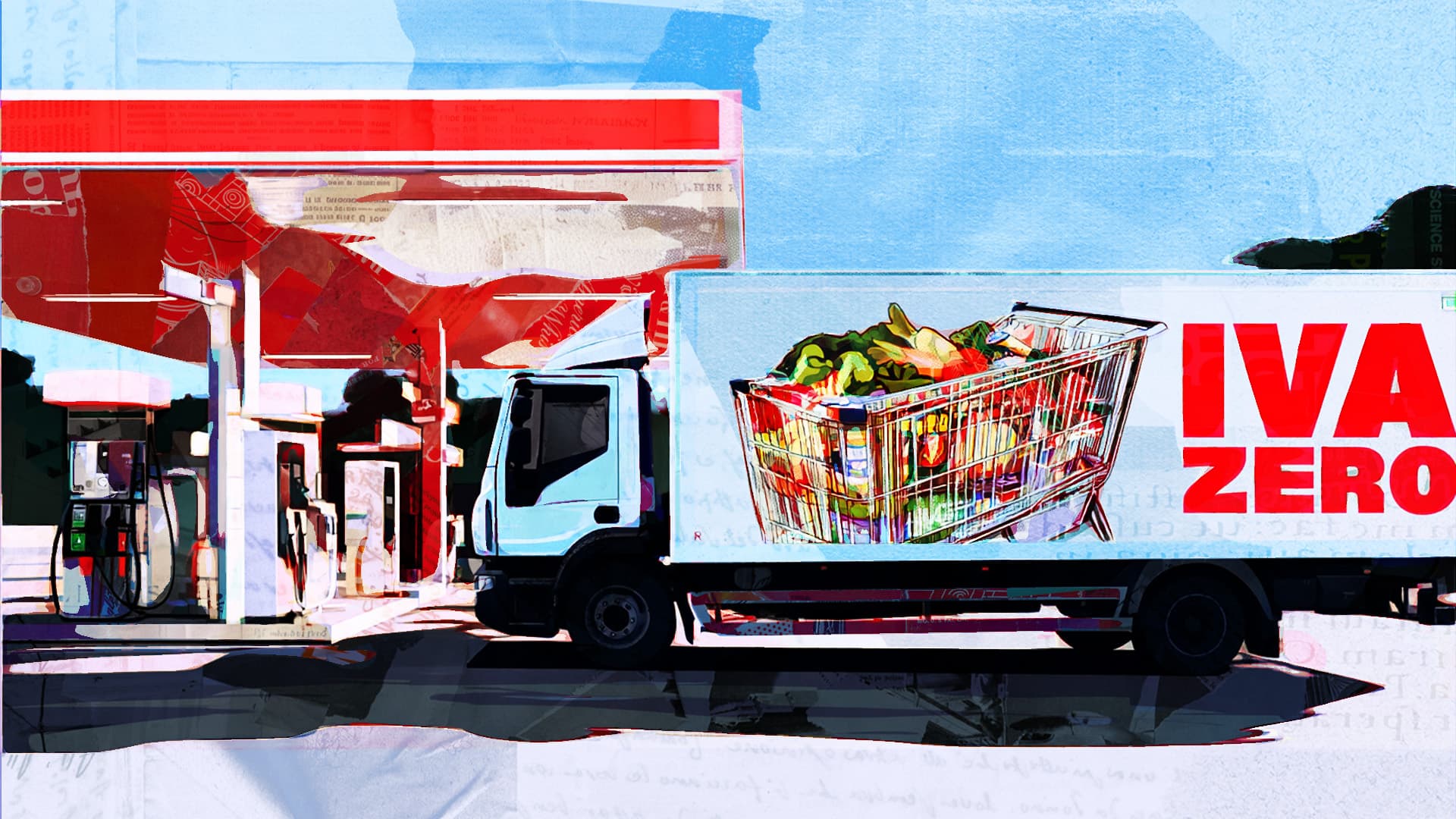
Political opposition is urging the government to reintroduce a zero VAT policy on essential goods to combat rising inflation driven by energy price hikes and supply chain disruptions.
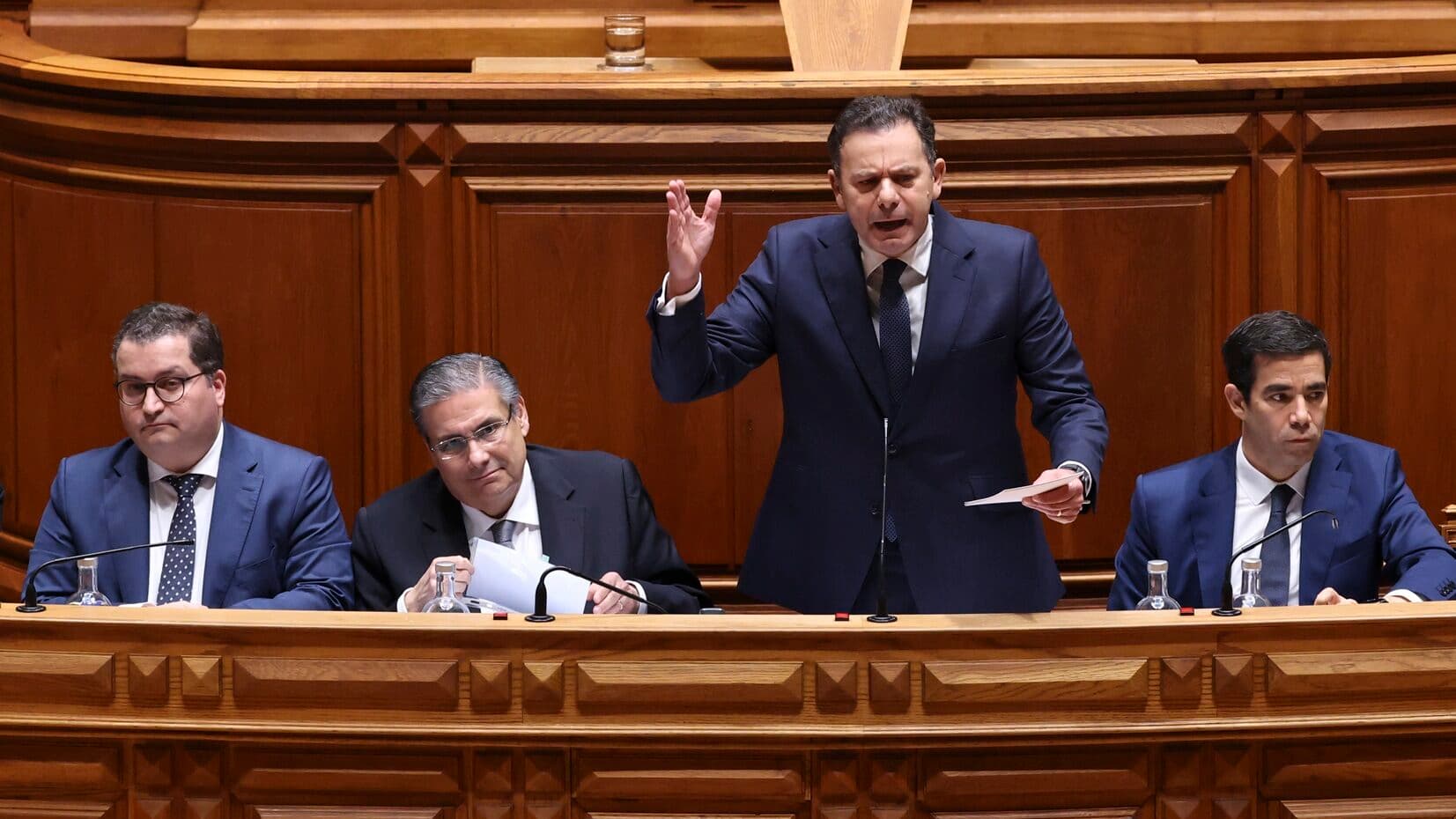
Prime Minister Luís Montenegro faces a heated parliamentary debate as opposition parties criticize the government's response to rising fuel prices triggered by the conflict in Iran.
Brent crude oil prices have surged over 42% since the onset of the Middle East conflict, with an 11% increase recorded in the past week alone, reaching $103.14.