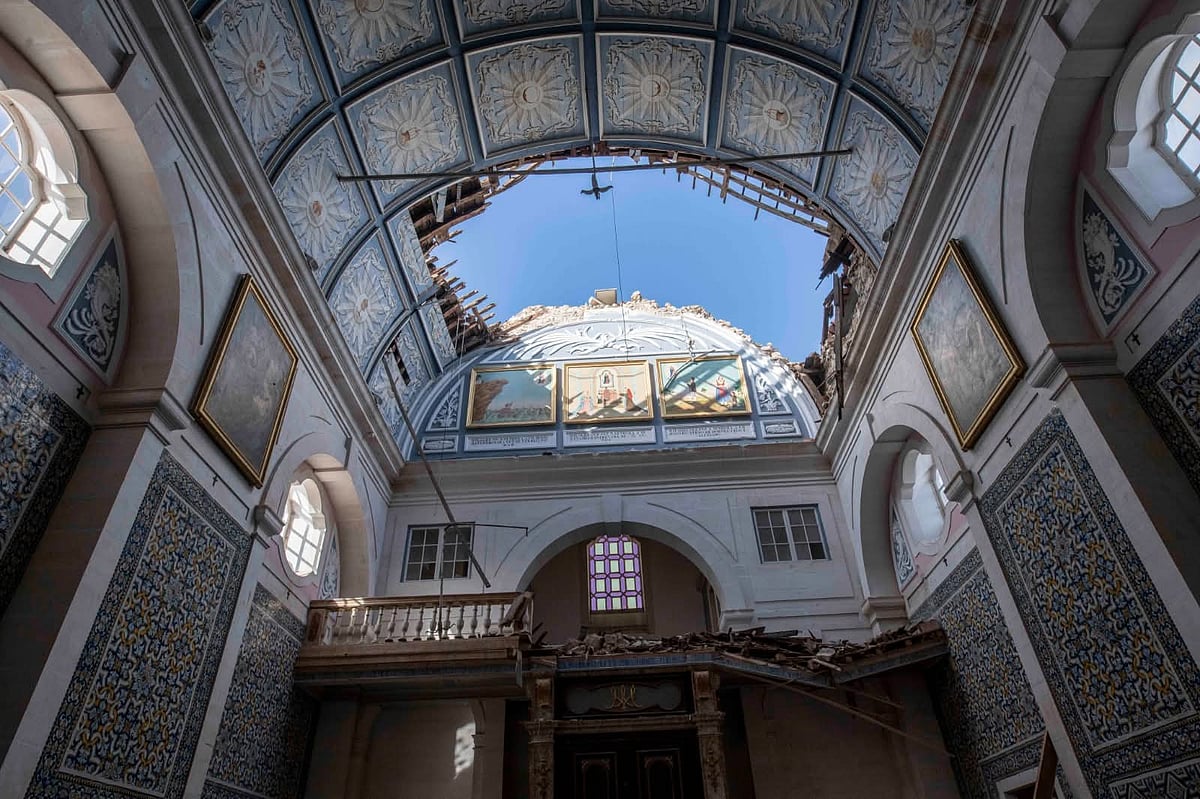
The restoration of the national monument's church is coming to an end: 13 years and three million euros later. Information gathered by the conservator-restorers will now be studied.
At 16, Paula Rego saw a Munch exhibition and was deeply impressed. The Norwegian painter would go on to influence her artistic thinking and style. However, the connection has only just been discovered.
The reader of Camilo (1825-1890) has plenty to choose from: an endless list of novellas, novels, serials, episodes, short stories, diatribes, memoirs, and the list is only halfway through.
Home News Portugal keeps Project of Cultural Interest Portugal keeps Project of Cultural Interest The Pilgrimage of Our Lady of Agony, Viana do Castelo, maintains its recognition as a Project of Cultural Interest, which reinforces the historical, religious and heritage value of the festival and a
Today, 'panu di téra' is in fashion and its colours are no longer limited to the more traditional black and white, with it being common to find this fabric in blue, green, or red.
Port is more or less like the child who plays well wrapped up, afraid of catching a cold; Madeira is more like that mischievous boy who walks the streets barefoot and gains resilience for life. Chronicle by Pedro Garcias.
Published in 1841, “Arte do Cozinheiro e do Copeiro” reveals much more than recipes: it shows how people ate and how work was organised in Portuguese kitchens of its time.
The School of Arts of the Catholic University of Portugal (UCP), in Porto, is restoring part of the archive of the parish of São Lourenço, in Macau, reported the Catholic newspaper O Clarim today.
In the work 'Andam Faunos pelos Bosques', this Spanish friar of the Missionary Sons of the Immaculate Heart of Mary is presented, who so moved the pilgrims during the Novena of Saint Barnabas in 1900.
The article mentions that a bone fragment of St. Brigid's relics is believed to be in the Church of St. John the Baptist in Lumiar, Portugal. This relic was taken there in the 13th century by Irish knights to protect it from destruction during the Reformation. The relic's presence in Portugal is part of the broader history of St. Brigid's remains, which were moved from Ireland to protect them from Viking attacks and later hidden to prevent desecration. The return of her relics to Kildare, Ireland, marks a significant event, as her relics have been away from her homeland for nearly 1,000 years.
From 1592 to 1623, when he died at the age of 66, Francisco Garro held the position of Master of the Royal Chapel in Lisbon under the patronage of King The post The Portuguese Polyphony – Francisco Garro and Fernando de Almeida appeared first on Portugal Resident.
The 1st Marquess of S. Iria was baptised in Paris and had Louis XVI and Marie Antoinette as godparents. According to José Luís de Vasconcellos e Souza, the cloak symbolises a turning point in baptismal practices.
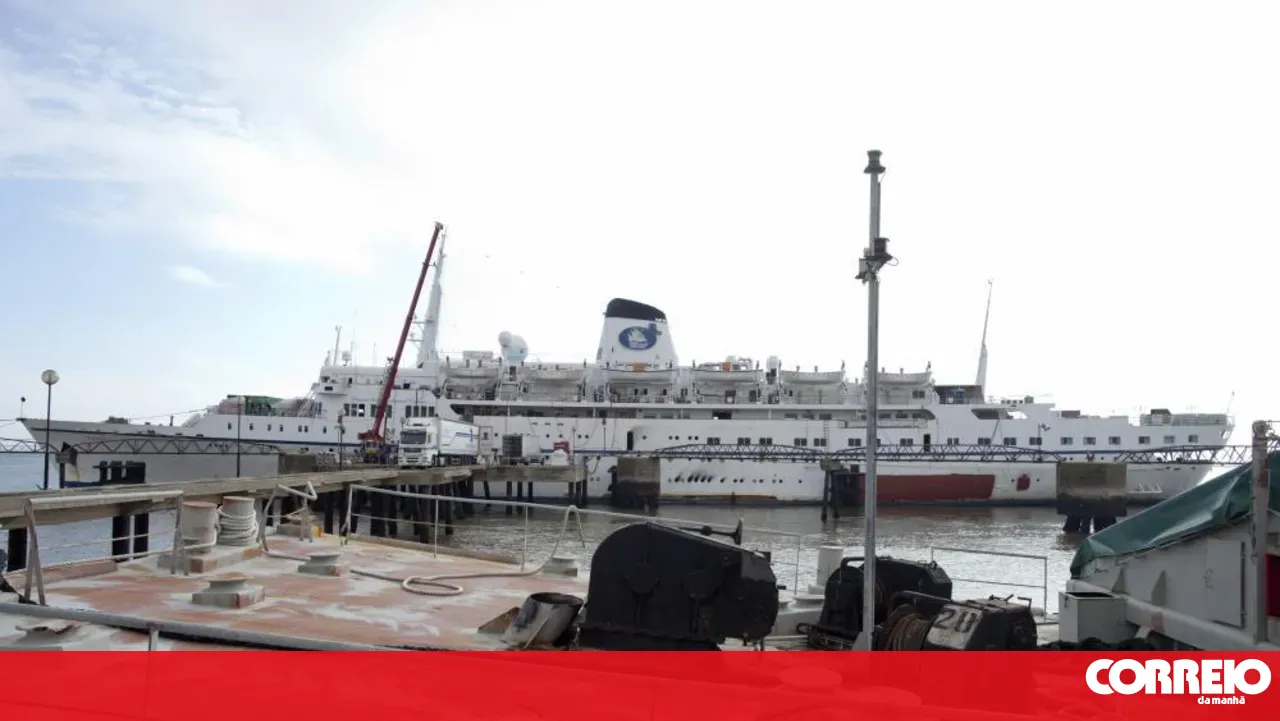
Conservation and restoration work is underway on eight murals by José de Almada Negreiros at the Alcântara Maritime Station in Lisbon. Experts note that while the works appear stable from a distance, close inspection reveals significant degradation, including pigment loss and salt-related damage, necessitating delicate cleaning and consolidation techniques.
The Grupo Etnográfico GENTE from Aguada de Cima is celebrating its 33rd anniversary with a commemorative dinner on March 21, 2026, at Quinta Vale do Junco. The event aims to bring together members, friends, and supporters to honor the group's contributions to preserving local cultural traditions and promoting ethnographic heritage through festivals, folklore events, and cultural initiatives. The evening features live music by Banda Polk, with participation costing 30 “Gentes.” The celebration emphasizes community involvement and the ongoing effort to keep regional traditions alive.
The Festival dos Moinhos is returning to Águeda, Portugal, on April 11-12, 2026, for its second edition. This event celebrates the traditional heritage of old mills, highlighting their cultural, historical, and scenic significance within the Rota dos Moinhos de Portugal. Over two days, the festival offers activities that explore local traditions related to milling, gastronomy, and storytelling, fostering community engagement and promoting Águeda as a key location for this cultural route. The festival aims to connect past and present, emphasizing the preservation of local identity and heritage through a series of cultural experiences and celebrations.
It was just past 13:00 when António José Seguro arrived at the Jerónimos Monastery to fulfil another item on the agenda. At the site, the President of the Republic, as tradition dictates, laid a wreath at the tomb of Luís Vaz de Camões.
The Fado singer and guitarist Carlos Macedo, elected king of Fado in Mozambique in 1972, died this morning at the age of 79 at the Hospital de Santa Maria, a source from the Casa do Artista told the Lusa agency.
The article discusses the impact of climate change on Europe's submerged civilizations, with a focus on the irreversible loss of cultural heritage, including sites in Portugal. Rising sea levels and increased erosion threaten archaeological sites and underwater ruins, which hold significant historical value. The piece highlights the urgency of addressing climate change to protect these submerged legacies, emphasizing that without action, many of these sites may be lost forever. The situation in Portugal serves as a poignant example of the broader challenges faced by European coastal regions in preserving their historical heritage amidst environmental changes.
This year's season of the Terras Sem Sombra Festival begins this weekend, February 28 and March 1, in Arronches, featuring musicians from Poland, the guest country for the 2026 edition. The performers are the Zarębski Piano Duo, consisting of exceptional pianists Grzegorz Mania and Piotr Różański, whose remarkable careers place them at the forefront of international music. Their recent tours in the USA have been a sensation. The concert features a single piano played four-handed, showcasing works by Polish and Portuguese female composers from the 20th and 21st centuries, paying tribute to the often-overlooked role of women in contemporary creation. This rare opportunity, combined with the historic setting of the Arronches parish church, a national monument and a reference piece of Manueline architecture, makes the occasion particularly special. The festival is expanding to include new municipalities and will venture slightly beyond the Alentejo this year. The Terras Sem Sombra Festival represents a significant musical season for the Alentejo, Portugal's largest region, which has never had such a comprehensive cultural offering. It is set to cover around 30 locations each year, with new additions like Alcácer do Sal and returning towns such as Grândola, Santiago do Cacém, and Viana do Alentejo in 2026. There will also be two mystery concerts in mystery municipalities. The opera Maria Stuart in Beja promises to be a highlight, as opera is rarely staged in the Alentejo. This production, composed by Martin Hennessy and based on a libretto by Irma Correa, draws from a biography by Stefan Zweig and aligns perfectly with the festival's programmatic focus. It presents a modern interpretation of a queen's life who did not yield under the weight of the crown, addressing contemporary themes such as despotic power, violence, and disregard for others. The collaboration with Fundación La Joven brings a brilliant cast that has already triumphed at the Teatro Real in Madrid. The festival is also expanding to Asturias and reviving the International Terras Sem Sombra Award, aimed at honouring individuals or institutions that have excelled globally in promoting music, cultural heritage, and biodiversity. The festival is committed to bridging cultural access disparities and combating the centralist tendencies of the state, which often overlooks the interior regions of Portugal. Following Arronches, Santiago do Cacém will host the International Terras Sem Sombra Award ceremony on March 28, which will now include new categories for International Cooperation/Public Service and Sounds without Shadow/New Talents, signalling a renewal. The award is presided over by Princess D. Maria Francisca de Bragança, Duchess of Coimbra, a young and engaged figure representing a more complete Portugal. The festival also features American contralto Ellen Rabiner performing in Barrancos as part of the Terras Sem Sombra initiative.
This article provides a summary of recent news and developments in Portugal. Key topics include:
* Recent News: Property supply drops, new public transport systems, marine protection concerns, and a rapid response system for disinformation.
* Cultural Highlights: Focus on its cultural heritage, including UNESCO World Heritage sites, vibrant food scene, and acclaimed wine regions. The country's football passion remains strong.
* History and Modernisation: It highlights Portugal's history as a maritime superpower and its transition to democracy, leading to its integration into the European Union.
* Economic and Political Trends: Economic growth, housing market challenges, and renewable energy initiatives. The country has made significant strides in green energy production.
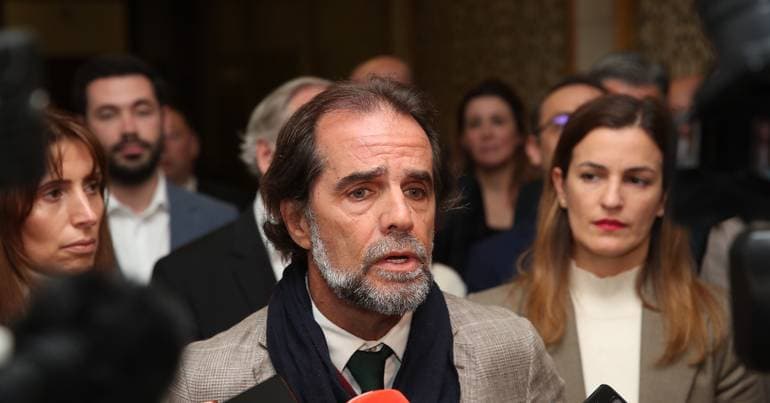
The Culture Minister revealed today at the Convent of Christ that the low-pressure system Kristin has already caused damage to more than 50 national monuments, with the Government estimating that around €20 million will be needed for repair and restoration work.