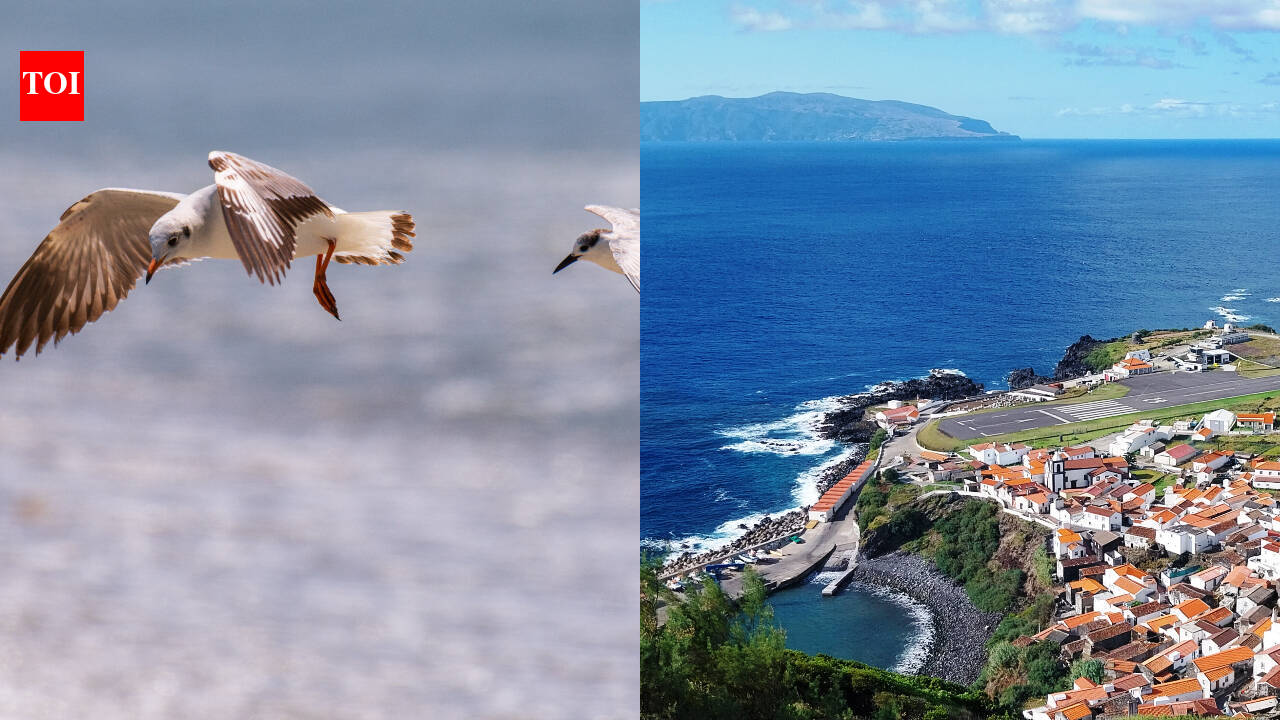
Every autumn, residents of Portugal’s tiny Corvo Island switch off public lights for five nights to help
Latest news and stories about conservation in Portugal for expats and residents.
WWF Portugal is requesting transparent reporting on the financial resources allocated to nature preservation initiatives.

The Portuguese government has resolved a legal dispute with the European Union, announced new measures to protect the Iberian lynx, and committed to blue carbon projects as part of a broader push for environmental conservation.

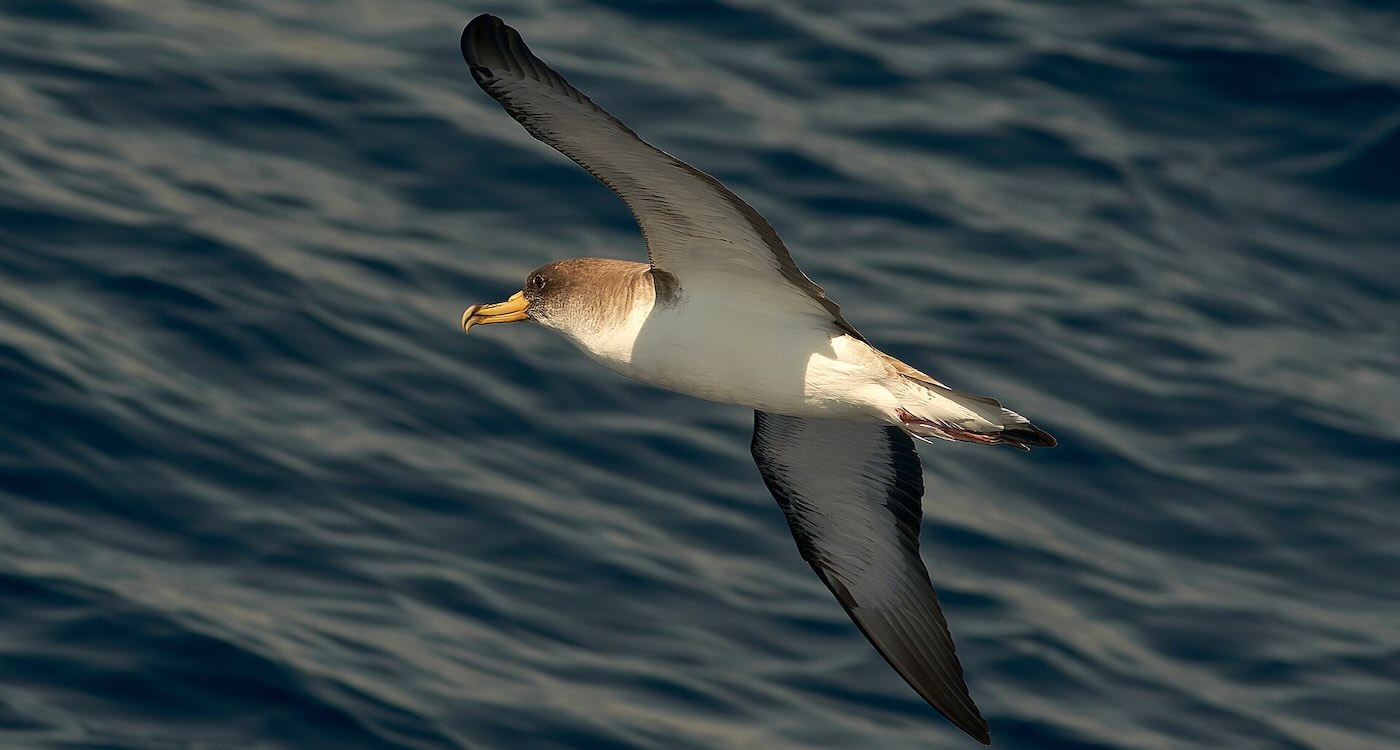
Home News Madeira calls for voluntary blackout to protect seabirds Madeira calls for voluntary blackout to protect seabirds On 30 October, Madeira and Porto Santo are challenging residents to switch off outdoor lighting for three hours to help protect seabirds. By Bruno G.

WWF Portugal is committed to restoring the ecosystem of the Valado dos Frades National Forest in the Nazaré municipality. The intervention on 25 hectares has been ongoing since May.

The Madeira Ocean programme is conducting the most comprehensive scientific survey of the Madeira archipelago's marine areas to date. Involving 34 institutions, researchers are collecting data—from intertidal zones to deep-sea corals—to support the goal of effectively protecting 30% of Madeira's maritime area by 2030, while ensuring sustainable practices for local fisheries.

The last circus elephant in Portugal is already bathing in the mud on land in Vila Viçosa and Alandroal. A new resident is expected to arrive in November at this sanctuary, which does not allow visitors.
For thirteen consecutive years, from 2013 to 2025, the title of World's Leading Conservation Company at the World Travel Awards went to Sintra. In 2026, it could happen again.

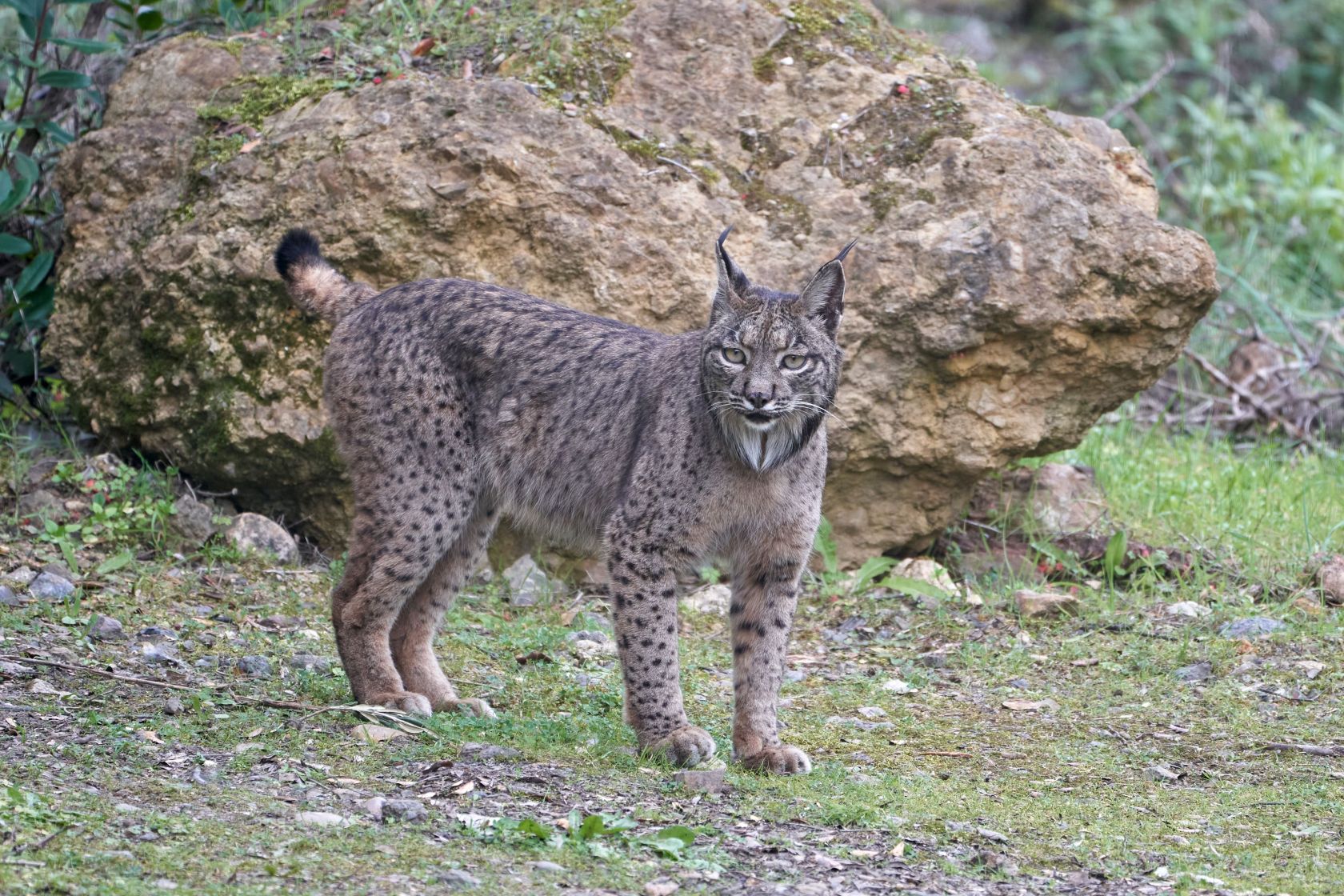
A new initiative has been introduced to improve conservation efforts for the Iberian lynx, aiming to facilitate the growth and spread of the population across Portuguese territory.

The Portuguese government has authorised a funding package worth five million euros aimed at the conservation and protection of the Iberian lynx population.
The Government has approved a new five-million-euro conservation plan for the Iberian lynx, which strengthens protection measures, supports habitat restoration, and facilitates its expansion across the territory.
Action plan seeks to consolidate a population of 394 animals, restore habitats, and reconcile lynx expansion with Iberian wolf conservation.
The Ministry of the Environment explains that the plan establishes a new conservation phase focused on consolidating existing populations.

A new conservation strategy has been launched to enhance the protection of the Iberian lynx and support the growth of its population across Portuguese territory.


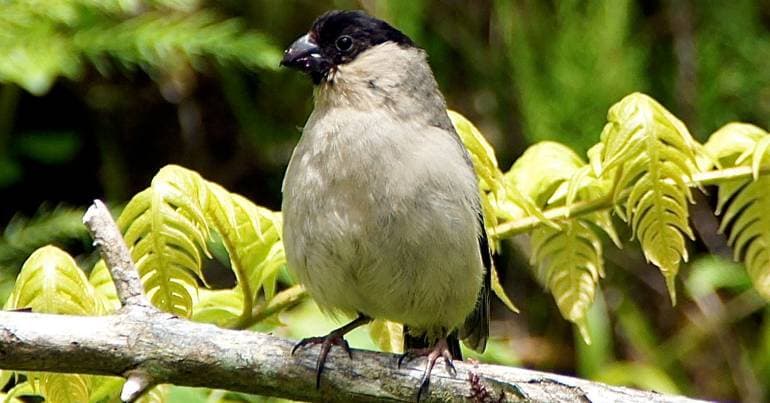
After two decades of conservation work, including the restoration of the Laurissilva forest, it was possible to save the bird from being 'on the verge of extinction', but for experts, 'the work is not over'.
Statistics reveal that global marine protected areas are limited, while Portugal has increased its coverage to 9.5%.

The world has lost, on average, 73% of monitored vertebrate populations over 52 years, but the WWF maintains there is still reason for hope. The new Living Planet Report, released this Thursday, shows that some species are recovering thanks to successful conservation efforts. It also highlights the need to transform food, energy, and financial systems, which are at the root of the nature crisis.

WWF's 2026 Living Planet Report maintains an alarming figure but points out concrete cases of recovery for the first time. The tiger population has increased from 3,200 to 5,700 since 2010.

In an interview regarding his book 'Portugal Selvagem - Extinções e Regressos' (Wild Portugal - Extinctions and Returns), co-authored with Miguel Brandão Pimenta, Paulo Caetano discusses the successful recovery of species such as the Iberian lynx, the European beaver, and various birds of prey. He highlights the importance of conservation strategies, the potential for the return of the brown bear, and the role of human intervention in restoring biodiversity, while noting that the recovery of species is rarely a priority for policymakers.

Portugal is focusing on conservation efforts to protect the Iberian lynx and is exploring the potential reintroduction of the bearded vulture, also known as the lammergeier.

Portugal is focusing on conservation efforts to protect the Iberian lynx and is exploring the potential reintroduction of the bearded vulture, also known as the lammergeier.
Portugal is focusing on conservation efforts to protect the Iberian lynx and is exploring the potential reintroduction of the bearded vulture, also known as the lammergeier.
For the success of this initiative, it was necessary to involve the entire community
The ICNF proposal considers an expansion area that develops along the ridge and adjacent areas of the Serras de Aire e Candeeiros Natural Park, covering approximately 3,734 hectares.
Organization accuses authorities of stalling wolf conservation in Portugal. “It seems like everyone is just waiting for things to go well, without doing anything,” states Pedro Prata.