Latest news and stories about book review in Portugal for expats and residents.
This page has only 1 story and is not indexed by search engines.
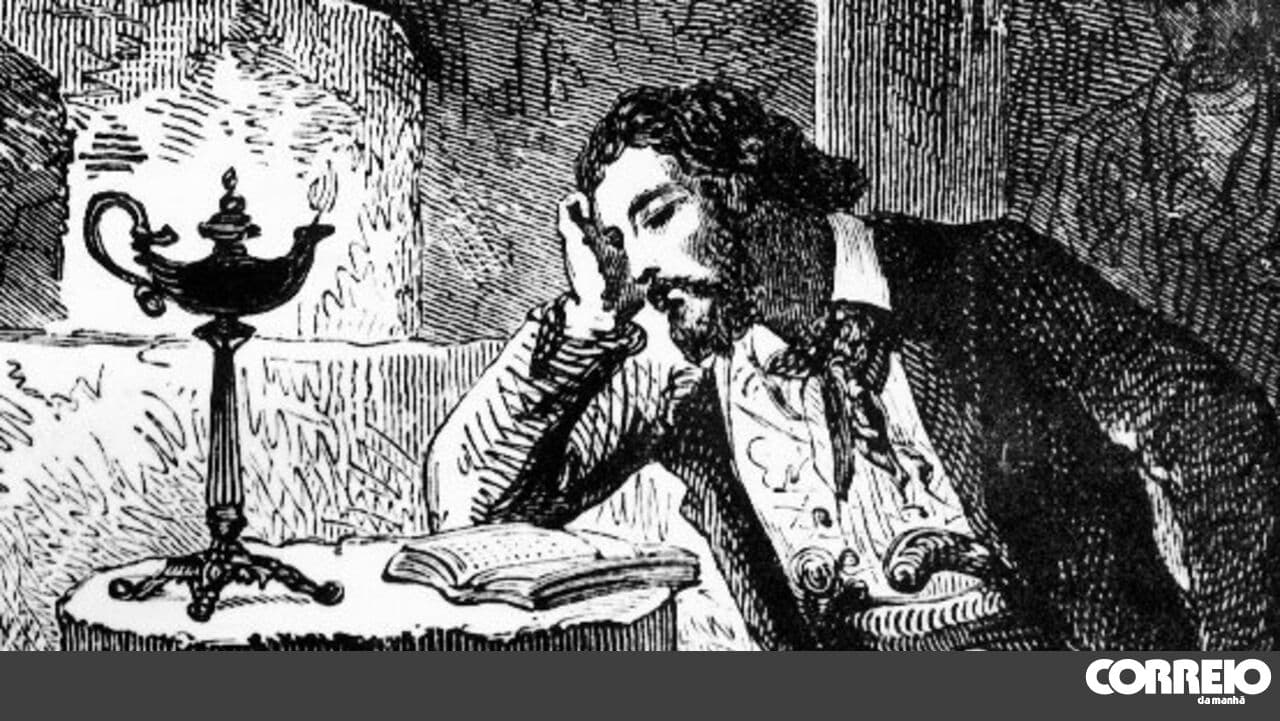
A book exploring the intersection of poetry and suicide, examining how poets address despair, mortality and the experience of loss.

In 2024, the philosopher Manon Garcia took a sabbatical and attended the trial in the Pelicot case. 'Living with Men' uses this particular horror as the starting point for a comprehensive and incisive analysis.

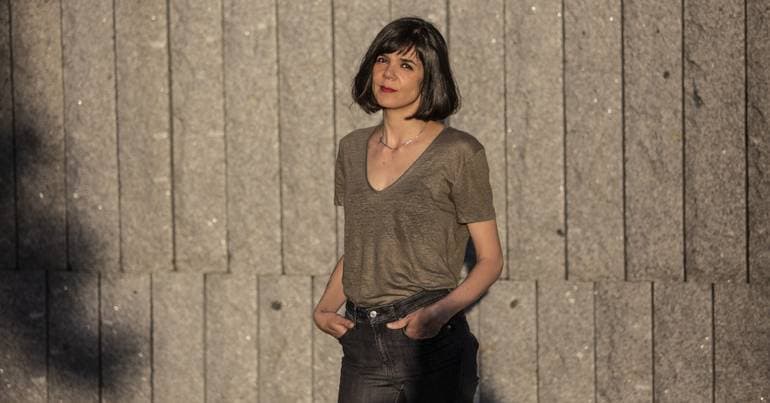
In “The Rain That Casts the Sahara's Sand”, it is not the plot that runs through the pages; it is the reader who traverses a territory, whether physical or emotional, in which the literary writing serves as a magnifying glass.

When everything calls for simplification, she goes in the opposite direction. She refuses to do less when she can do more. A Chuva que Lança a Areia do Saara is another example of this singular approach to literature.

In 'The End of the United States of America', Gonçalo M. Tavares returns to the epic form to create a new, wild and free genre, drawn from the immense power literature can wield. He also examines humanity through its dehumanisation.

In “A Literatura Universal em 100 Perguntas”, Felipe Díaz Pardo aims not only to inform but also to engage — yet Portuguese readers may feel that the 'universal' here is too 'Spanish'.

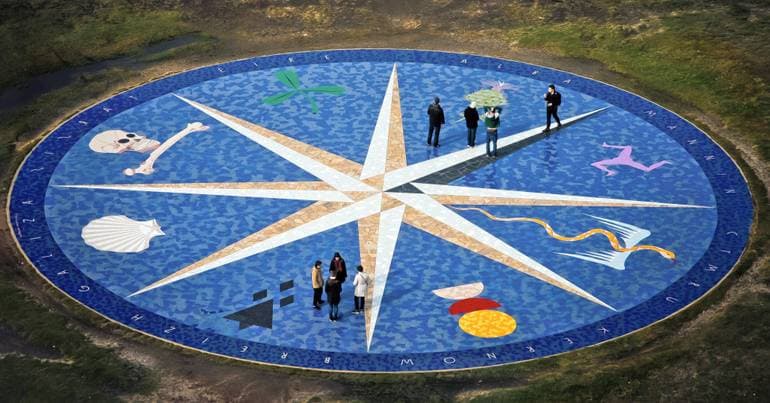
Jerry Brotton writes a fascinating book about how humanity has perceived space and how the North, South, East and West are “unstable ideas”, dependent on politics, belief and language.

“The End of the United States of America” deals with the country’s transformation into a dantesque landscape. It is commendable that it manages to avoid a propagandistic streak, but there is a distance that serves a mystifying function.

Could life coexist with death? What can we know? The limits of science and language are tested. Abraço is a novel that reads like a prayer — without God, but with faith in language.