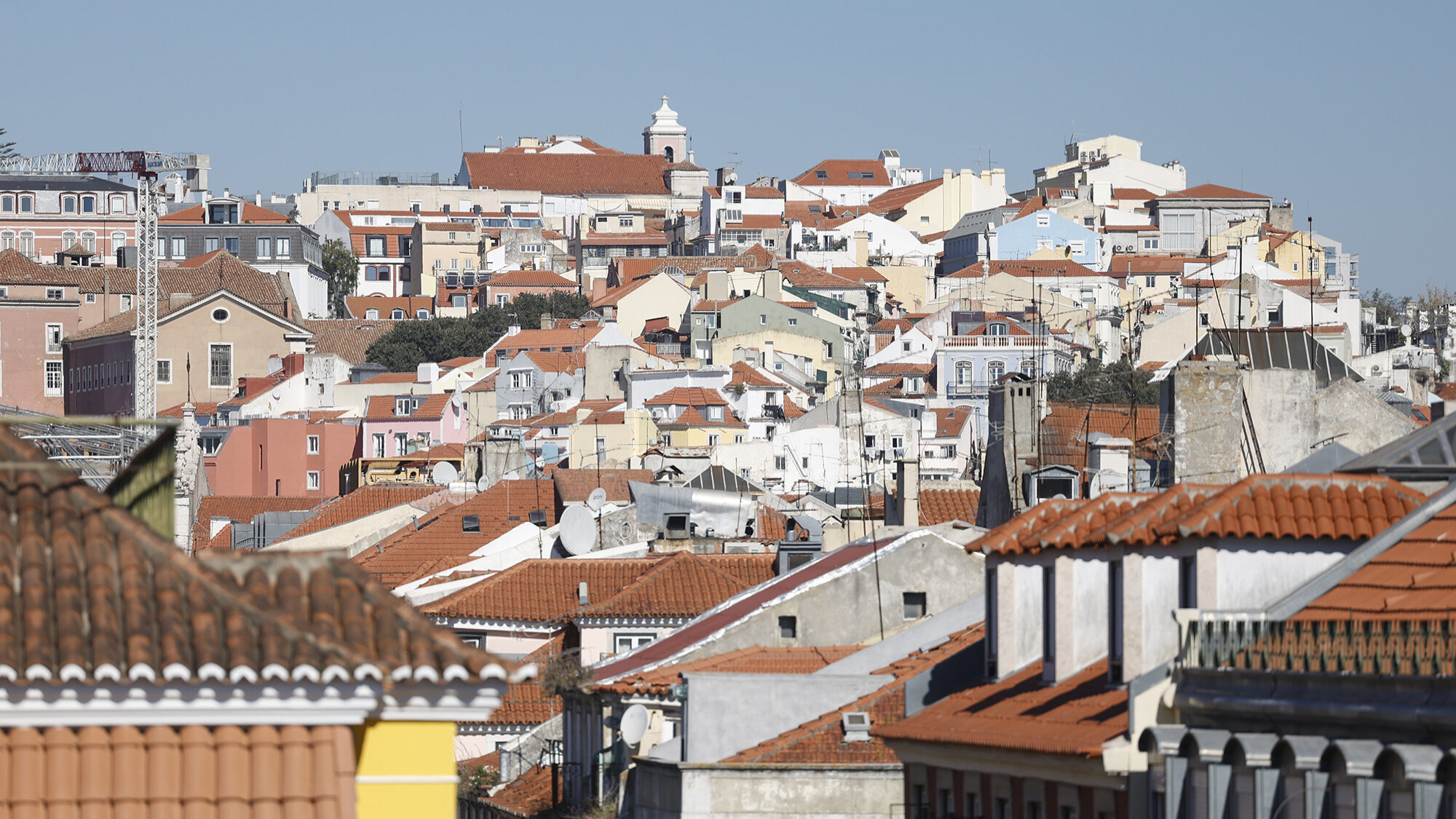
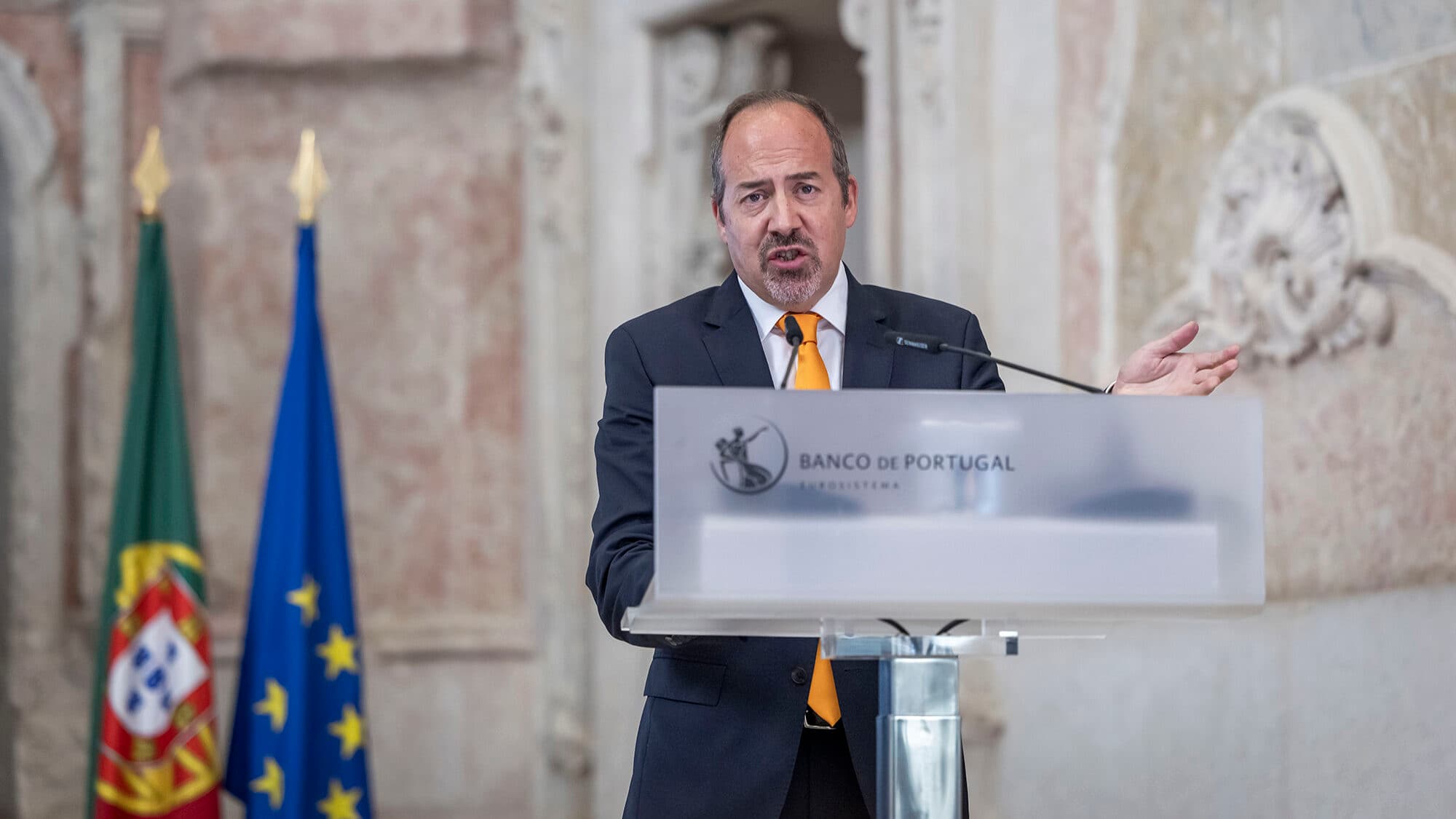
The Governor of the Bank of Portugal (Banco de Portugal), Álvaro Santos Pereira, identified the housing crisis as the country's main domestic economic risk during a joint conference with the Bank of Spain. Santos Pereira stressed that resolving the crisis requires expanding housing supply through increased construction and substantial investment in public housing, which remains well below international standards. He called for a national consensus on housing policy, emphasizing that the central bank's mandate is to provide factual economic data rather than enter political debate.
Bank of Portugal Names Housing the Country's Main Domestic Risk
Thursday, 22 October 2026AI summary
Context & Explainers
Álvaro Santos Pereira is a Portuguese economist who served as Minister of Economy from 2011 to 2013. He is a frequent public commentator on economic and public-policy issues and has used X and LinkedIn to call for radical changes to Portugal’s disaster preparedness after recent storms, so residents and policymakers often pay attention to his proposals.
Banco de Portugal is Portugal's central bank, founded in 1846. It is a member of the European System of Central Banks (ESCB) and the Eurosystem, working alongside the European Central Bank (ECB) to implement monetary policy in the euro area.
Its main functions include supervising banks and financial institutions, ensuring financial stability, managing Portugal's gold and foreign currency reserves, and producing economic research and statistics. It also operates the payment systems infrastructure and issues banknotes.
Banco de Portugal is led by a Governor — currently Mário Centeno (since 2020) — who also sits on the ECB's Governing Council. For residents, the central bank matters because it regulates the banks they use, sets macroprudential rules (such as mortgage lending limits), and provides a complaints mechanism for banking disputes.