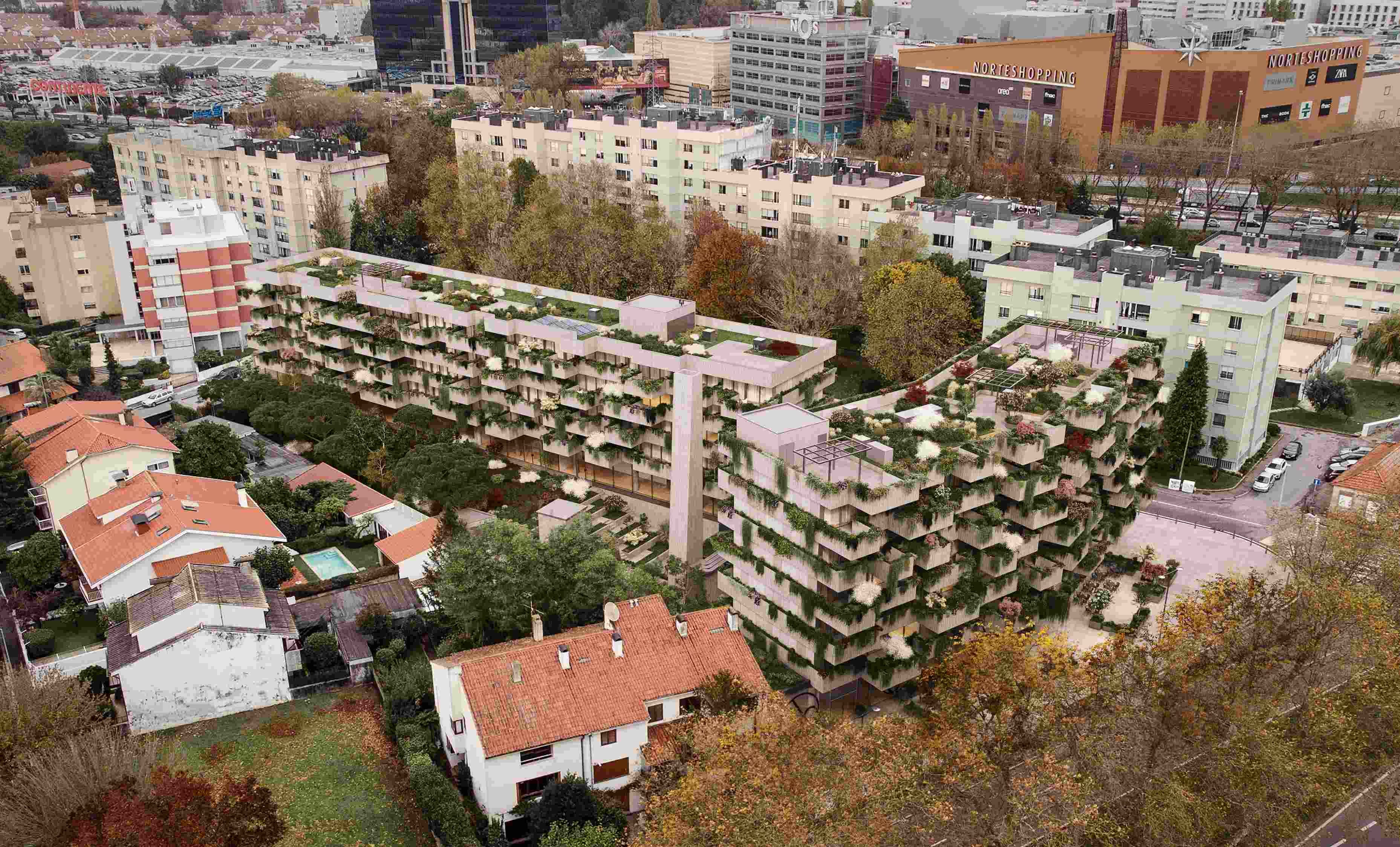
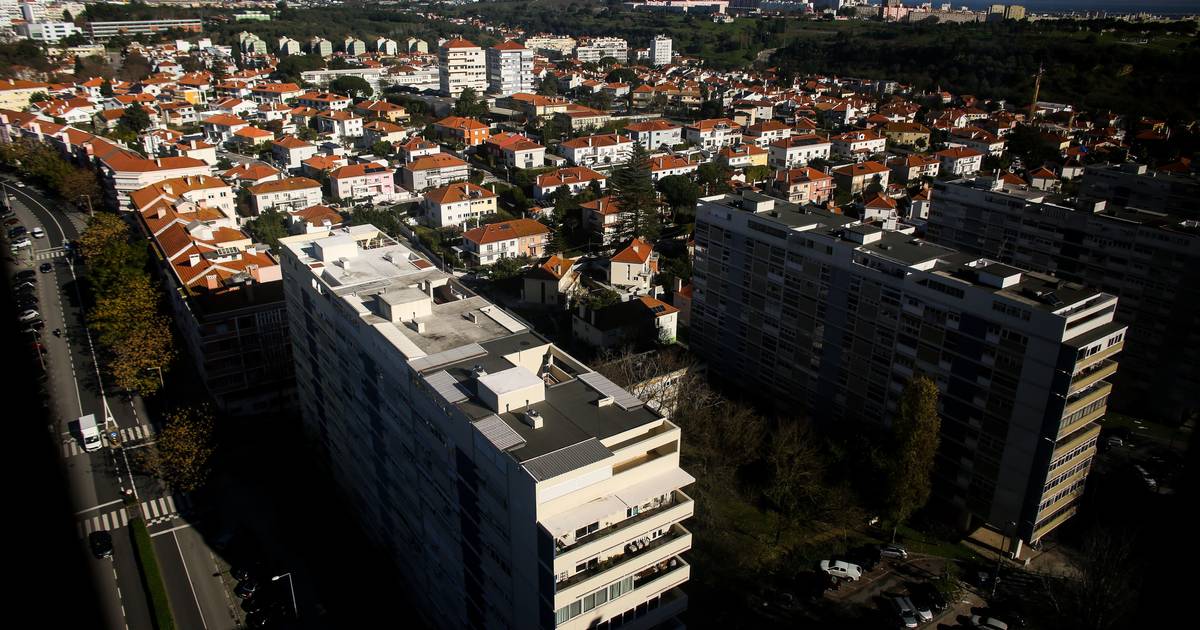
A study published by the Bank of Portugal (Banco de Portugal) concludes that demand-side subsidies fail to resolve the national housing crisis and instead drive up property prices and rents. The analysis by João Amador found that a 1% increase in demand pushes home prices up by 0.69% and rents by 0.37%, with the sharpest price pressures concentrated in Lisbon and Porto. The study warns that housing affordability can only improve through structural supply-side measures that increase housing construction.
Central Bank Study Rejects Demand-Side Fixes for Housing
Thursday, 15 October 2026AI summary
Context & Explainers

- Governor of Banco de Portugal (2020–present)
- Former: Minister of Finance (2015–2020), President of the Eurogroup (2018–2020)
- Party: Independent (PS-affiliated)
- Background: Economist (PhD, Harvard)
Mário José Gomes de Freitas Centeno (born 1966) is Portugal's central bank governor and one of the country's most internationally recognized economic figures. As Finance Minister under António Costa's first PS government, he became known as "Cristiano Ronaldo of European finance" for turning Portugal's deficit into a surplus while reversing austerity.
He was elected president of the Eurogroup (the informal body of euro area finance ministers) in 2018 — the first Portuguese to hold the role. Since becoming Governor of Banco de Portugal in 2020, he sits on the ECB's Governing Council and oversees Portuguese banking supervision and financial stability.
Portugal’s house prices have risen faster than the EU average since 2020, and recent reports list Portugal among the countries with the largest price increases over that period. That stronger price growth has worsened affordability in Lisbon and Porto in particular, so prospective buyers and renters should check local indices and mortgage costs before deciding.
6 sources
- It is an issue. Lack of housing slows down investment in Portugalobservador.pt ·
- BdP study indicates that the housing crisis cannot be solved with "demand-side" policiesdinheirovivo.dn.pt ·
- Housing crisis cannot be solved with "demand-side" policies, warns Bank of Portugal studyeco.sapo.pt ·
- Banco de Portugal study warns that housing crisis can only be solved with more supplyJornal SOL ·
- Housing crisis cannot be solved with demand-side policies, reveals BdP studyrtp.pt ·
- Housing crisis cannot be solved with 'demand-side' policies, says Bank of Portugal studycnnportugal.iol.pt ·