Protests erupt as fuel prices hit record highs

Monday, 7 September 2026AI summary
Protests erupt as fuel prices hit record highs
Photo: Google News – Portugal (English)

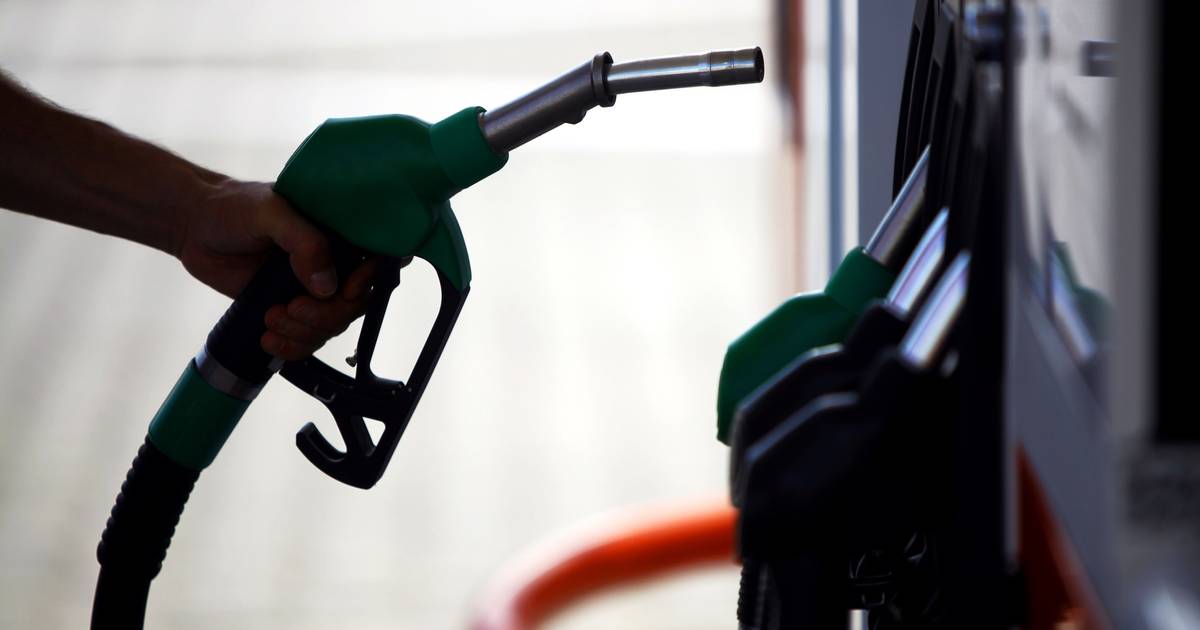
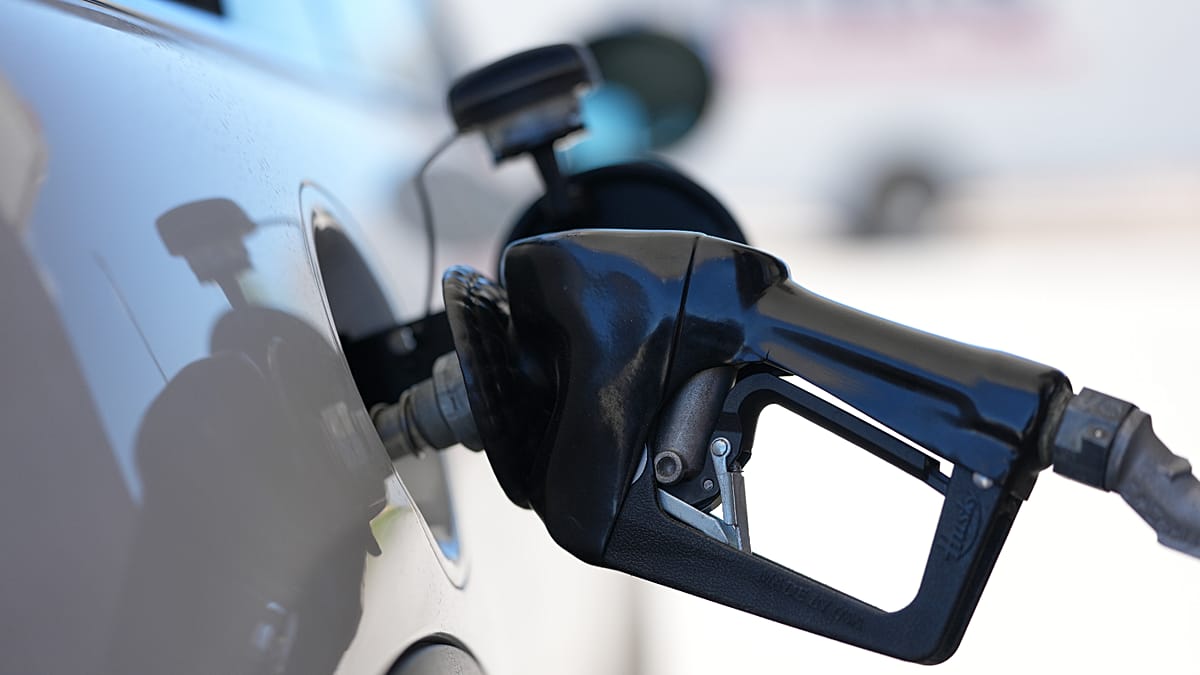
Rising fuel prices have triggered protests across Portugal, including a go-slow march toward the Galp refinery in Sines and a car horn protest on the 25 de Abril bridge. Diesel prices have reached historic highs, leading to significant traffic disruptions on the IC33 road. The government faces mounting pressure as opposition parties and agricultural groups criticize the impact of these costs on the economy.

Update: Government denies profiting from fuel price hikes

Minister of Environment and Energy Maria da Graça Carvalho rejected accusations that the government is profiting from rising fuel costs, noting that VAT revenues are being used to offset tax burdens. The government also announced it will strengthen the sanctioning powers of the Energy Services Regulatory Authority (Entidade Reguladora dos Serviços Energéticos or ERSE) and extend support for gas cylinder purchases through the end of the year.

Context & Explainers

The 25 de Abril bridge (Ponte 25 de Abril) is a major suspension bridge connecting Lisbon to the city of Almada across the Tagus River. Opened in 1966, it is a vital transit route for commuters and is named to commemorate the 1974 Carnation Revolution, which ended the authoritarian regime in Portugal.

The Energy Services Regulatory Authority (Entidade Reguladora dos Serviços Energéticos or ERSE) is Portugal’s regulator for electricity, gas and fuel markets, responsible for licensing, tariffs and consumer protection. ERSE handles consumer complaints (it received about 80 complaints in the recent Galp case), can investigate billing disputes and impose sanctions, so it’s the authority to contact for unresolved energy issues.

Maria da Graça Carvalho
  • Minister of Environment and Energy (2024–present)
  • Party: Social Democratic Party (PSD), Partido Social Democrata
  • Background: Mechanical engineer, academic, former MEP

Maria da Graça Carvalho (born 1955) is a Portuguese engineer and politician serving as Minister of Environment and Energy in the AD government. She holds a PhD in mechanical engineering and had a distinguished academic career at Instituto Superior Técnico, specializing in energy systems and building physics.

She served as a Member of the European Parliament (2009–2024), where she focused on research policy, innovation funding (Horizon 2020/Europe), and energy policy. Before entering politics, she was a scientific advisor to European Commission President José Manuel Barroso.

As Environment Minister, she oversees Portugal's energy transition, renewable energy expansion, water resources management, climate adaptation, and environmental regulation — portfolios that are central to issues like wildfire prevention, coastal erosion, and meeting EU climate targets.